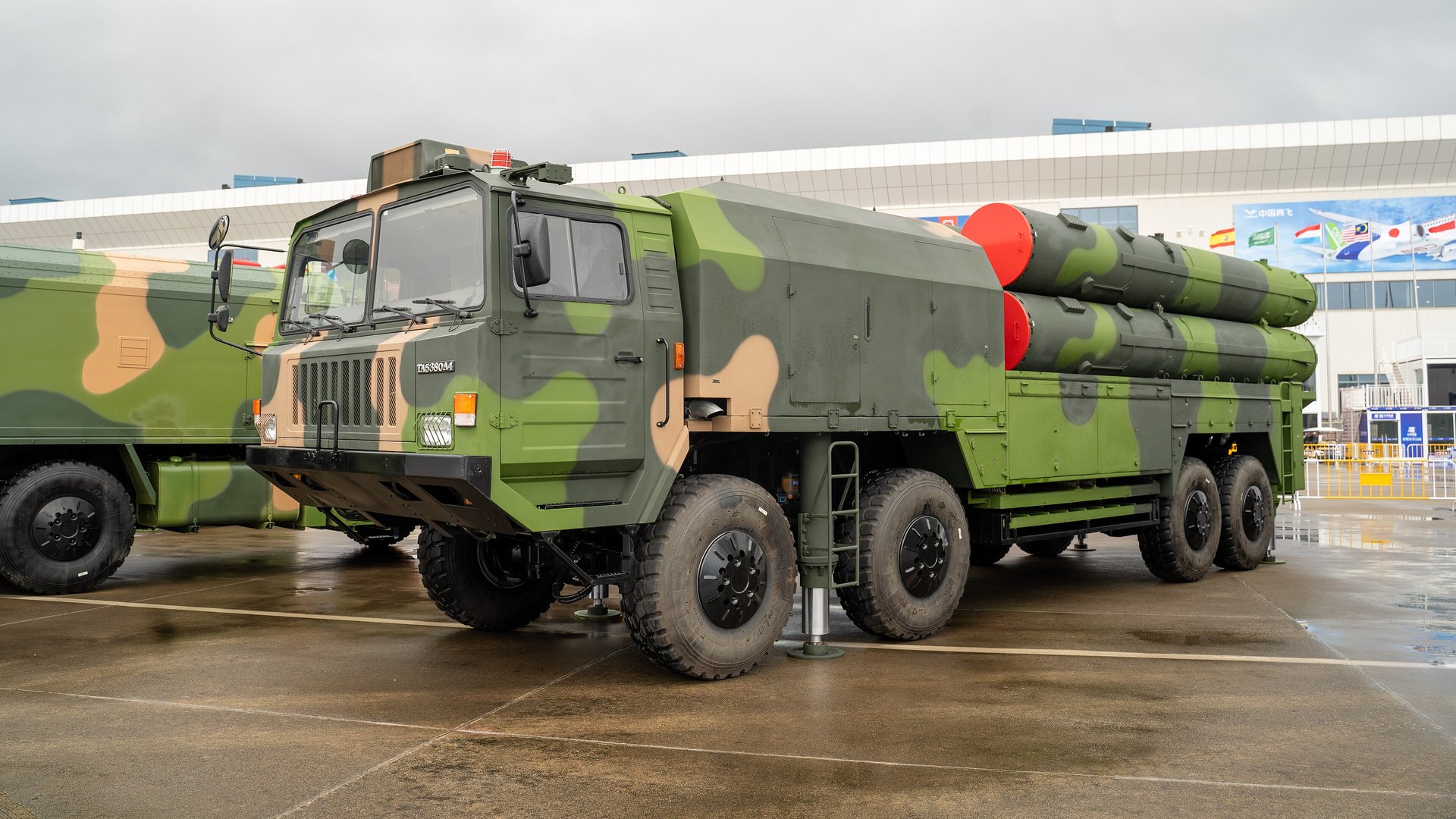
Since October 2026, observers have posted satellite images of what appear to be China Electronics Technology Group Corporation (CETC) SLC-12 or SLC-14 long-range radars in Pakistan. If these observations are accurate, then their presence in the country indicates that Pakistan is working towards inducting the Chinese HQ-19 anti-ballistic missile (ABM) or ballistic missile defence (BMD) system.
The initial indicator for the HQ-19 was a Government of Pakistan post on the social media platform X – which was removed the following day – revealing that China had offered Pakistan a major arms package comprising J-35AE stealth fighters, KJ-500E airborne early warning and control (AEW&C) systems, and the HQ-19.
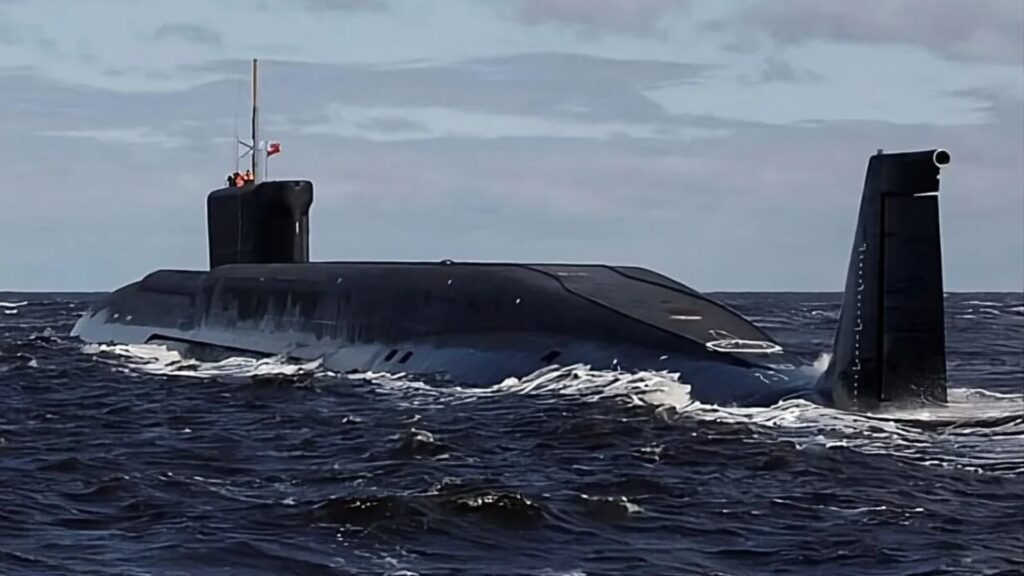
However, the clearest confirmation of Pakistan seeking a BMD suite – though not explicit – had arguably emanated from the advisor to the National Command Authority (NCA) – retired Lt. Gen. Khalid Kidwai’s – statements regarding the destabilizing impacts of the Indian Navy’s (IN) nuclear-powered ballistic missile submarines (SSBNs).
When reviewing the history of Pakistan’s strategic programs, one will find a trend where each major warning about an Indian step actually precipitates a response to that initial Indian move. So, for example, in response India’s nuclear weapons program, Pakistan pursued its own program – but it did so after a series of high-profile statements warning the international community about India’s program. Therefore, Kidwai’s statements regarding India’s SSBN – and, more specifically, Pakistan’s sense that India could leverage its sea-based capabilities to effectively drop its ‘no-first-use’ policy and, in turn, threaten preemptive strikes – are precipitating a Pakistani response. The challenge, however, is that Pakistan likely cannot readily acquire its own SSBN; thus, its response will need to take another approach – and the most accessible pathway available to it is that of building a BMD/ABM shield.
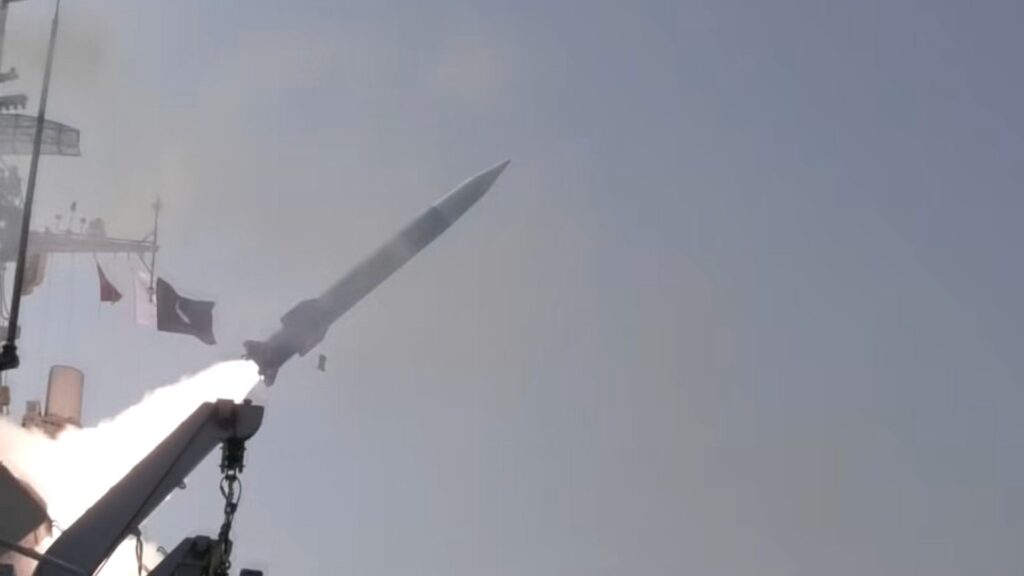
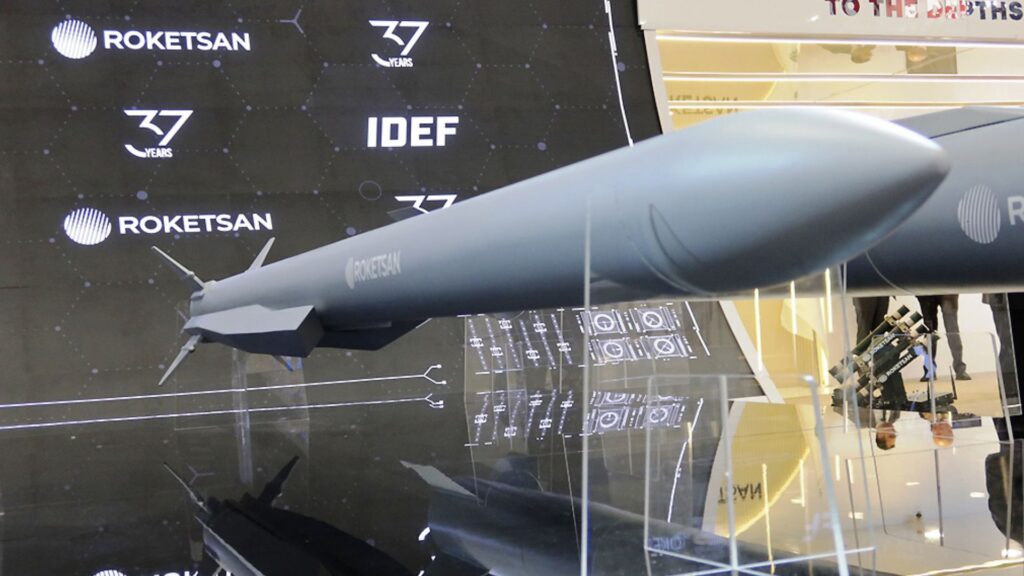
In effect, Pakistan’s immediate focus will be to directly address India’s naval-based long-range nuclear capability with defensibility. The only other pathway is to build an analogous capability, but that is probably proving to be more difficult at this time. One relevant analogue to this situation is how the Pakistan Navy (PN) addressed the BrahMos, i.e., the IN’s supersonic-cruising missile (SSCM). Basically, the BrahMos poses a severe threat to the PN’s surface warships; thus, the PN was left with two options – defend against it, or emulate the capability such that the IN would face the same pressures. The PN was able to pursue both options – i.e., it acquired the CM-302 SSCM from China so as to build its analogous capability and the CAMM-ER air defence system from Italy to build a defensibility layer.
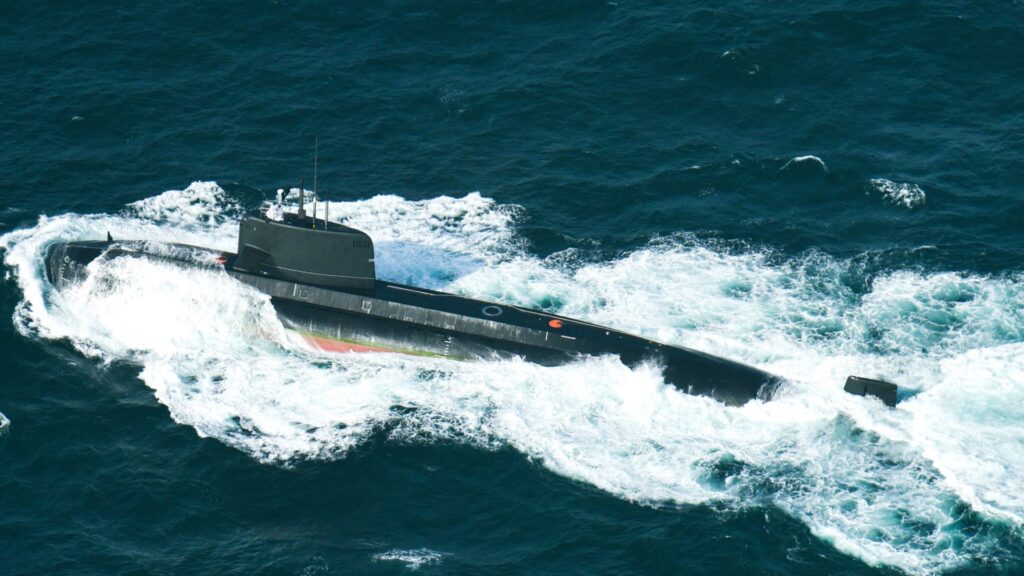
However, in terms of SSBNs, Pakistan’s capacity to emulate India with an analogous capability is much more limited. For example, there had been talk of arming some of the Hangor conventional submarines with cruise missiles configured with miniaturized nuclear warheads – i.e., the “hybrid” option. But it is unclear how much net-additional utility the “hybrid” option would offer given that it will eat into the PN submarine fleet’s anti-ship warfare as well as anti-submarine warfare (ASW) capacity. Moreover, even PN officials have voiced their preference for a nuclear-powered boat as opposed to the hybrid option.
See Where Emerging Defence Markets are Moving
Quwa Pro goes beyond tracking programs and equipment by explaining the policies, incentives, industry dynamics, and competitive pressures shaping South Asia's defence markets.
Subscribe Already a subscriber?Sign in