
Since Operation ‘Swift Retort’ in 2019, the Pakistan Air Force (PAF) had established a rule for itself: maintain a “first shot” capability in air-to-air reach. Indeed, this was one of the factors as to why the Chief of Air Staff (CAS) at the time, Air Chief Marshal (ACM) Mujahid Anwar Khan, stated that if the PAF had to acquire a new platform to attain that capability, it would pursue it.
This was the first clear confirmation by the PAF that it would procure an off-the-shelf fighter – and that resulted in the acquisition of 20 J-10CE “Dragon” aircraft from the Aviation Industry Corporation of China (AVIC), which it inducted in 2022. The current PAF CAS, ACM Zaheer Ahmed Babar, reiterated his predecessor’s point, asserting that the J-10CE allowed the PAF to maintain its “first shot” advantage relative to the Indian Air Force (IAF).[1]
From the PAF’s standpoint, that perceived advantage was genuine, with Air Headquarters (AHQ) crediting the J-10CE – and its PL-15/E long-range air-to-air missile (LRAAM – with every one of its claimed air-to-air kills against the IAF.[2] Given this backdrop, it then logically follows that the PAF would seek to maintain this advantage through another LRAAM.
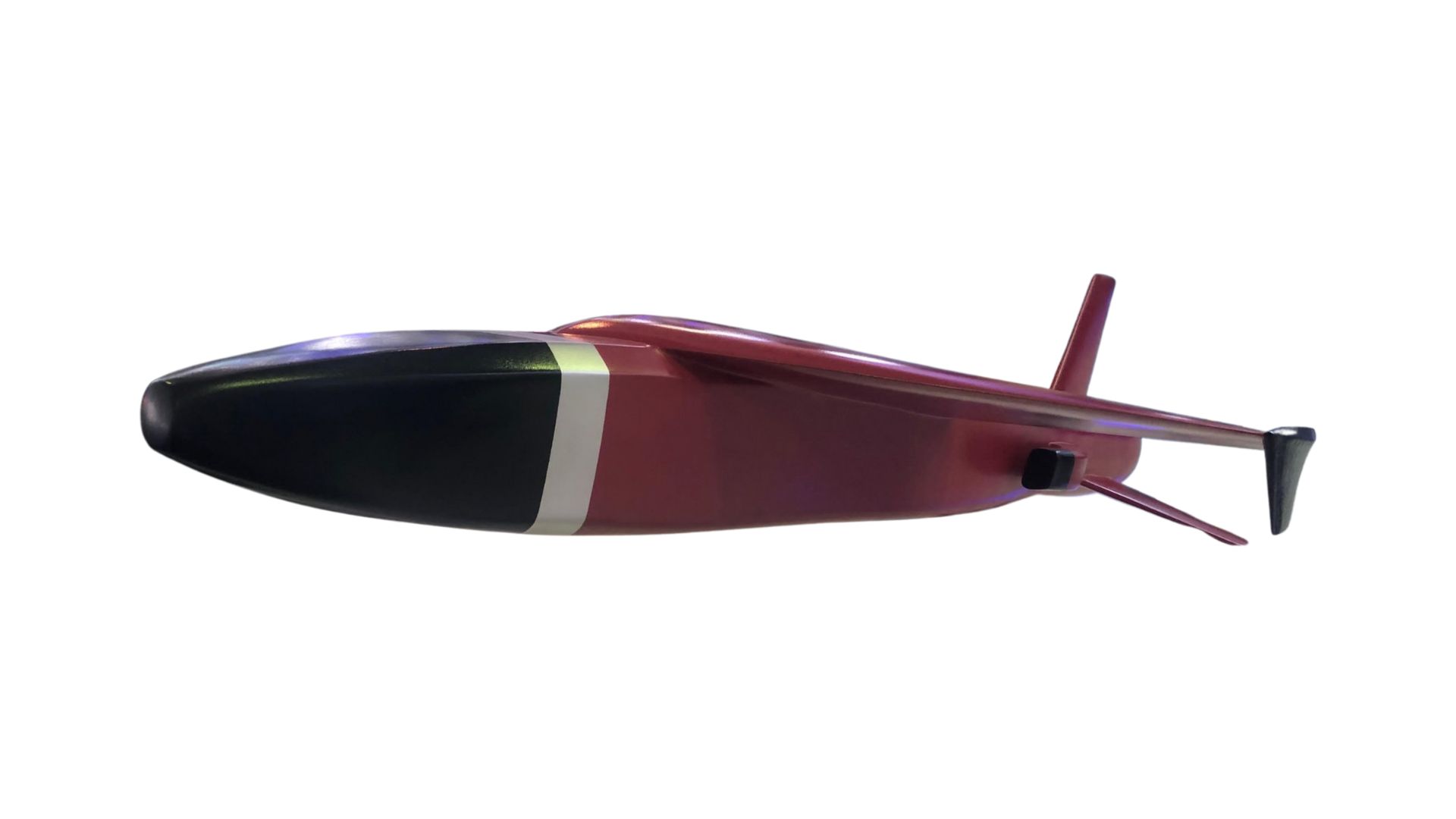
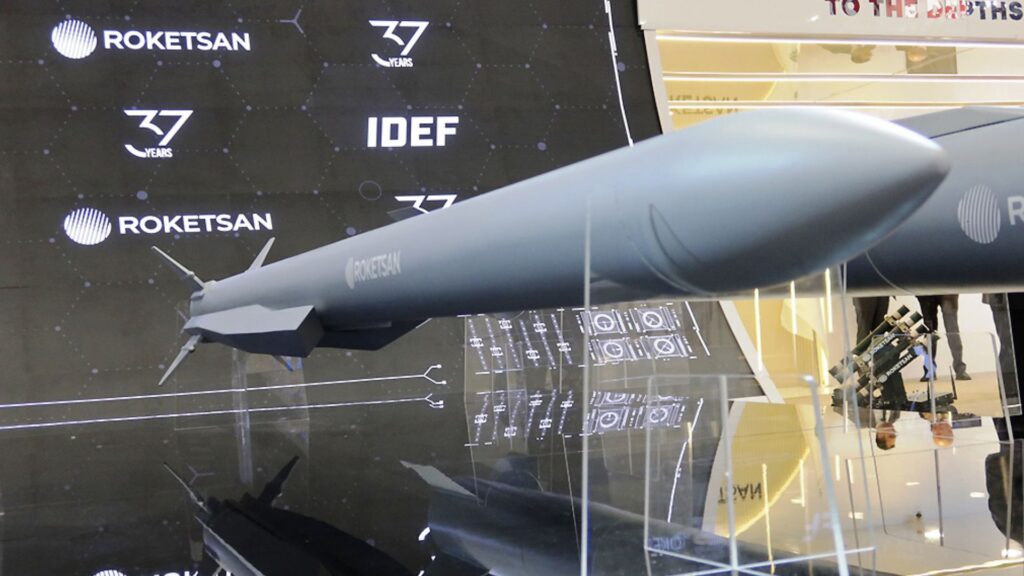
In this Market Intelligence briefing, Quwa walks through the PAF’s potential options from not only China but also Türkiye. Though China is the more probable supplier of the PAF’s fifth- or next-generation fighter aircraft (NGFA) platform – which would likely involve a new LRAAM – the Turkish angle offers a different technology pathway, one centered on air-breathing AAM designs (analogous to the IAF’s MBDA Meteor). The reason for discussing this route is that the PAF’s existing fighter platforms might be better suited to leverage air-breathing AAMs as opposed to the larger solid-fuel rocket-based designs China is heading towards.
To be clear, there are caveats to this assessment, such as the fact that propulsion technology is inherently dynamic. For example, China’s solid-fuel rocket motor technology could continue advancing to the point where it achieves breakthroughs in efficiency, enabling smaller AAMs such as the PL-15-line to develop into longer-ranged variants. Indeed, China had offered the PAF (in the earlier days of the JF-17 Block-3’s development) an updated variant of the SD-10 (later confirmed to be PL-12AE). Likewise, the PAF will have likely voiced its interest in newer, longer-ranged AAMs to its supplier partners in China by this stage as well.
That said, the market’s options are worth studying as, however improbable, the PAF could still consider Turkish solutions. Indeed, there is a chance (albeit one that must be proven) that the recently signed Badr Agreement could steer Pakistan closer to the KAAN, which, in turn, would lead to the PAF seriously examining Turkish AAM options. Likewise, Turkish AAMs could offer a supplementary option to the Chinese solutions, especially when the Turkish designs utilize a different propulsion and kinematic approach entirely.
Quwa Pro
See Where Emerging Defence Markets are Moving
Quwa Pro goes beyond tracking programs and equipment by explaining the policies, incentives, industry dynamics, and competitive pressures shaping South Asia's defence markets.