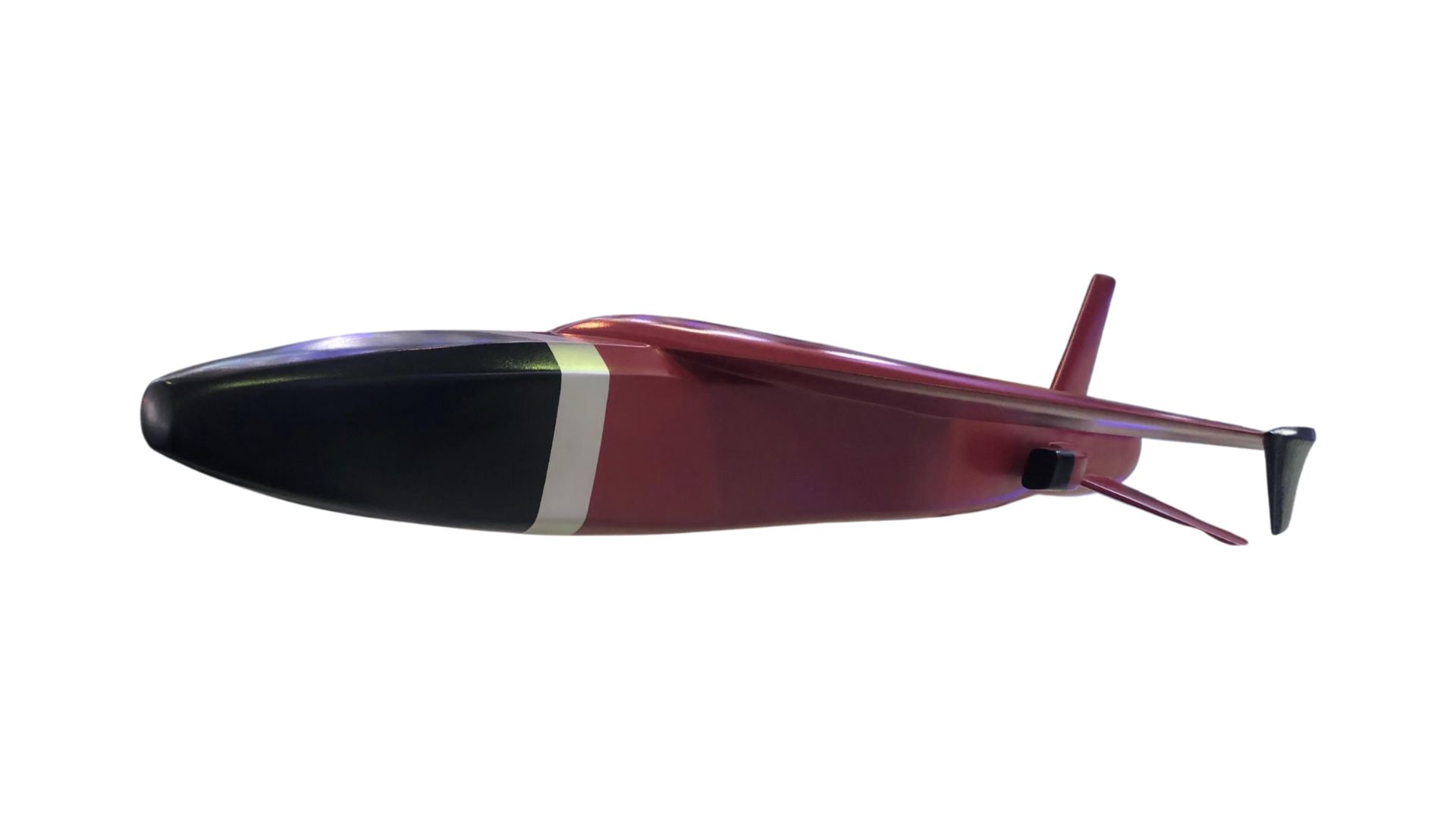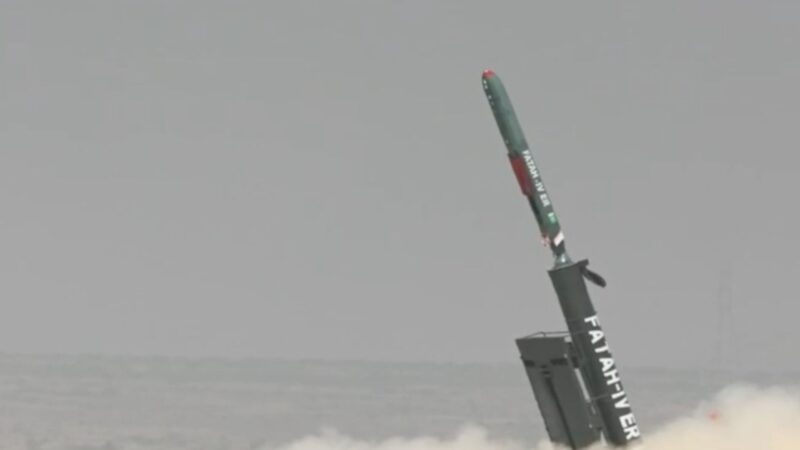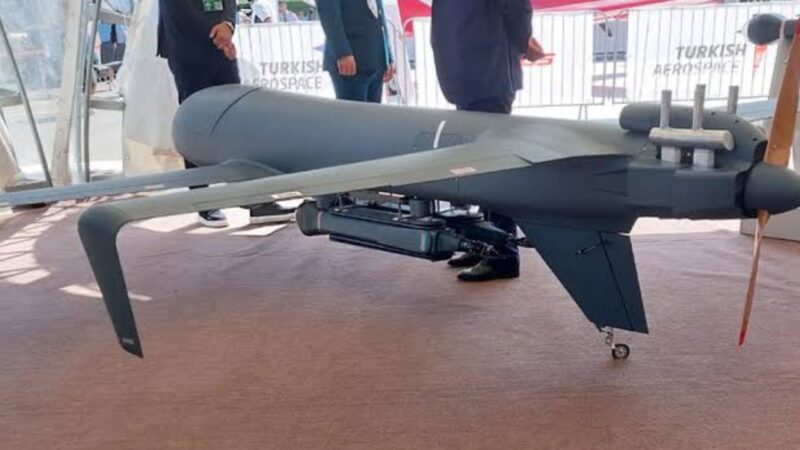

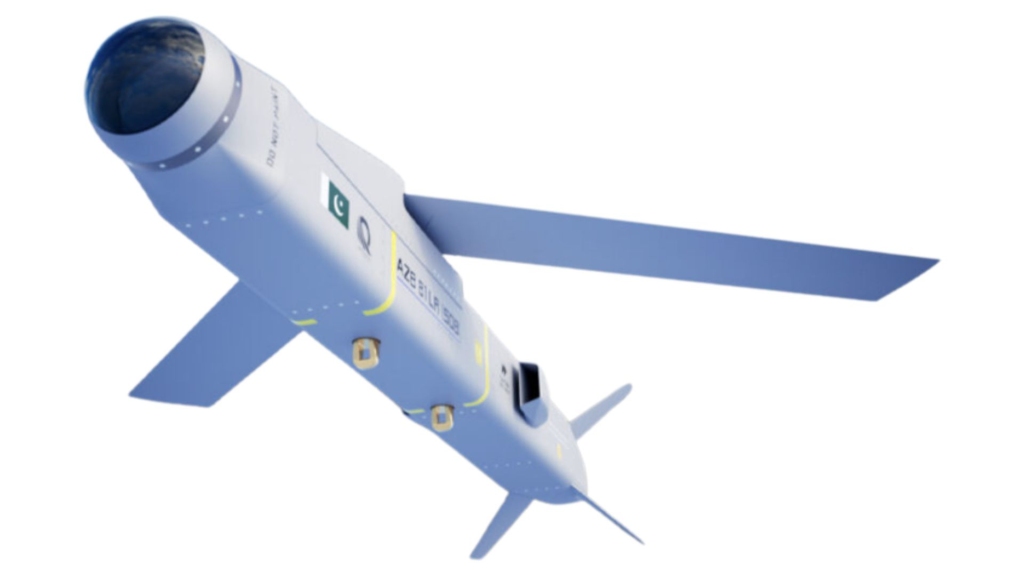
In Quwa’s recent interview with the Pakistan Navy (PN) Chief of Naval Staff (CNS), Admiral Naveed Ashraf, the CNS had made a noteworthy point about the direction of the PN’s modernization roadmap – i.e., the emphasis on “capability” rather than platforms and numbers.
Granted, when unpacking the CNS’ statement, there is the fact that, being fiscally constrained, Pakistan cannot solely count on platform procurement as the main pathway for improving its defence posture.
However, Pakistan’s approach to building “capability” should not be dismissed either. In fact, when weighed against Pakistan’s rapidly developing precision-guided munitions (PGM) program, “capability” would mean relatively impactful changes.
Earlier Quwa analyses unpacked Pakistan’s focus on driving PGM scale, which is now apparent through more frequent testing and simpler munitions designs. However, in reviewing the ongoing Russia-Ukraine War and Middle East War, another – and equally crucial – aspect of PGM procurement is PGM survivability.
India undoubtedly maintains a relatively dense, high-tech integrated air defence system (IADS), and it will certainly invest in ‘soft’ and passive elements like electronic warfare (EW) density. Indeed, whatever the “best practice” or lessons from today’s wars, India will adopt them.
In effect, while Pakistan is building PGM scale, it would also need to think about survivability in dense IADS and EW environments as well. Basically, the strikes must land successfully, and Pakistan’s National Engineering & Scientific Commission (NESCOM) was thinking about viability and survivability in IADS/EW-dense spaces fairly early on – i.e., prior to 2024.
Quwa Pro
See Where Emerging Defence Markets are Moving
Quwa Pro goes beyond tracking programs and equipment by explaining the policies, incentives, industry dynamics, and competitive pressures shaping South Asia's defence markets.