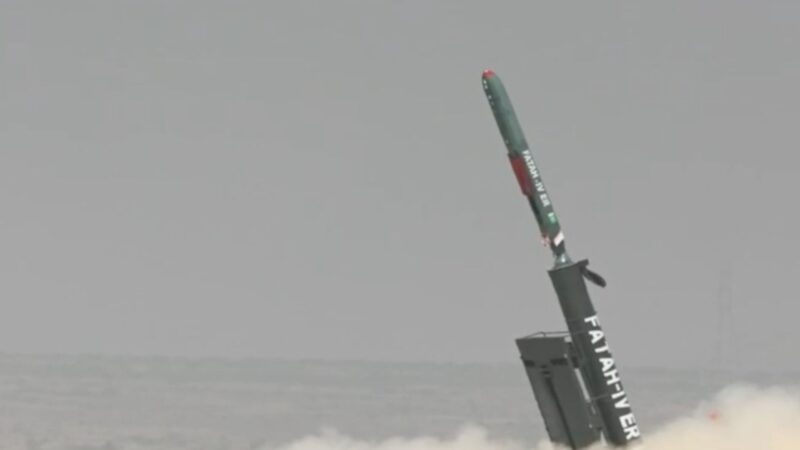

One of the lessons Pakistan appears to be drawing from the Russia–Ukraine War is the importance of having large stocks of subsonic, turbojet-powered cruise missiles and one-way attack (OWA) drones. Quwa’s recent assessments of the Fatah-4 and Fatah-4-ER, for example, identified an apparent shift towards simpler, scalable and lower-cost cruise missile designs.
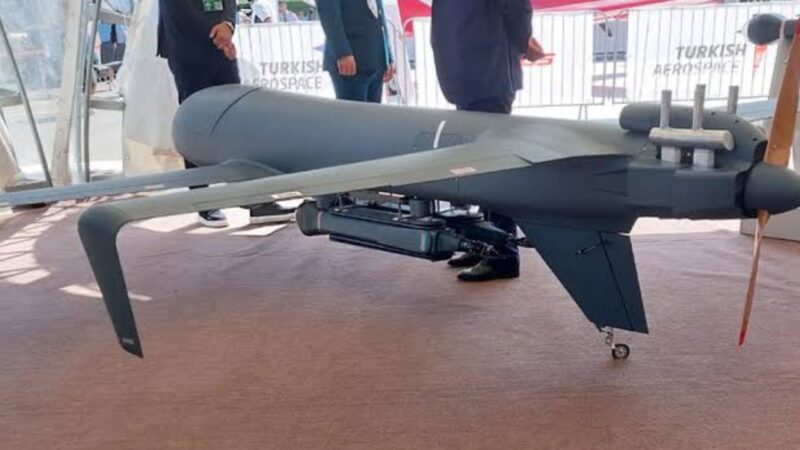
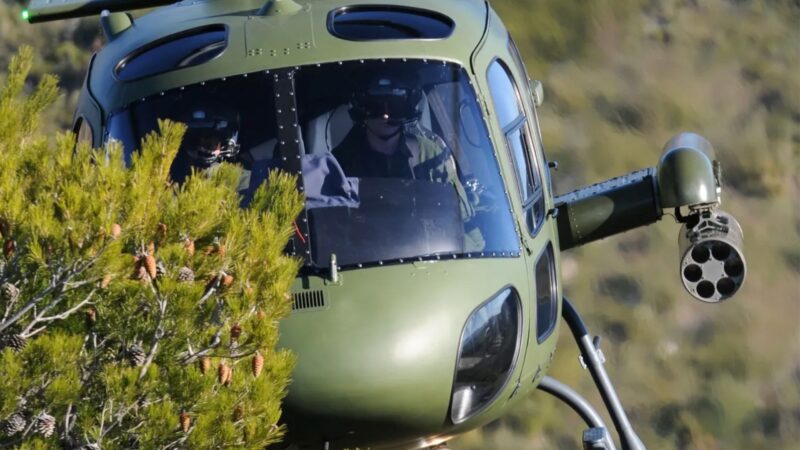
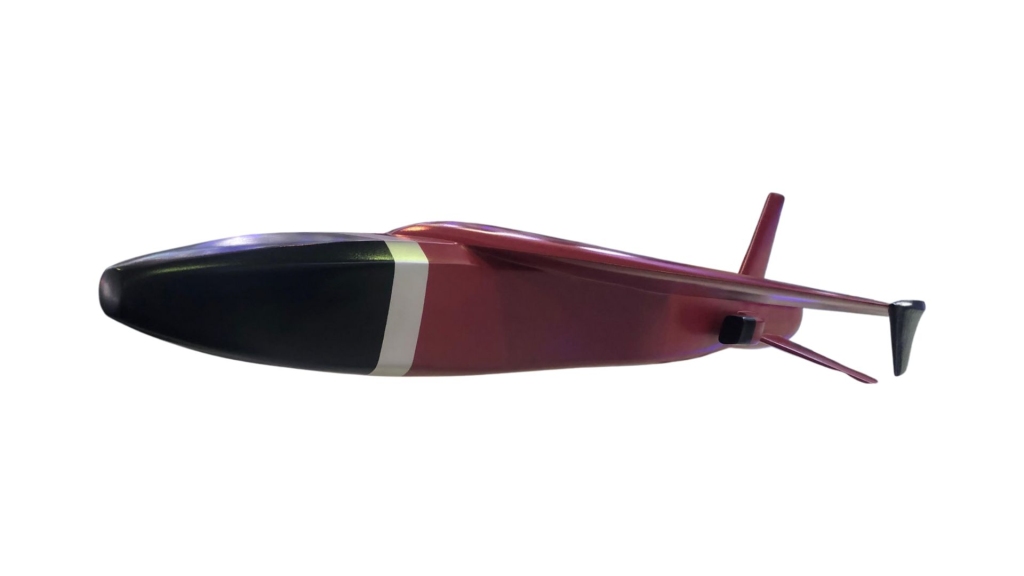
In tandem, Pakistani private-sector firms and state-owned enterprises (SOEs) are working on turbojet-powered OWAs, including Sarfarosh, KaGeM V3, Delta Baaz, HiMark-25 TJ and Nimbus 2K. Quwa’s six-month assessment of Pakistan’s one-way effector market traced the emergence of dedicated jet-powered designs alongside the country’s existing missile programs.
Pakistan is also investing in piston-powered loitering munitions analogous to the Shahed-136. However, its parallel interest in jet-powered weapons is notable, particularly as Russia’s use of these systems becomes a central topic of study and the wider market for expendable long-range strike weapons continues expanding.
Russia’s Geran-4 and Geran-5 are assuming a growing proportion of its strike mix in Ukraine. At a parliamentary hearing on 06 October 2026, Ukrainian Air Force deputy commander Yurii Cherevashenko said jets represented approximately 40% of the UAVs Russia was employing against Ukraine, and forecast that their share could reach 80%.
The 80% figure remains a forecast, while the 40% denominator encompasses attacking UAVs more broadly. Nonetheless, the direction of growth is clear: Air Force spokesperson Yurii Ihnat reported approximately 350 jet-UAV launches in June, 1,500 in July, 2,800 in August and 3,500 in September, a tenfold increase across that period.
Quwa Pro
See Where Emerging Defence Markets are Moving
Quwa Pro goes beyond tracking programs and equipment by explaining the policies, incentives, industry dynamics, and competitive pressures shaping South Asia's defence markets.
Subscribe Already a subscriber?Sign in