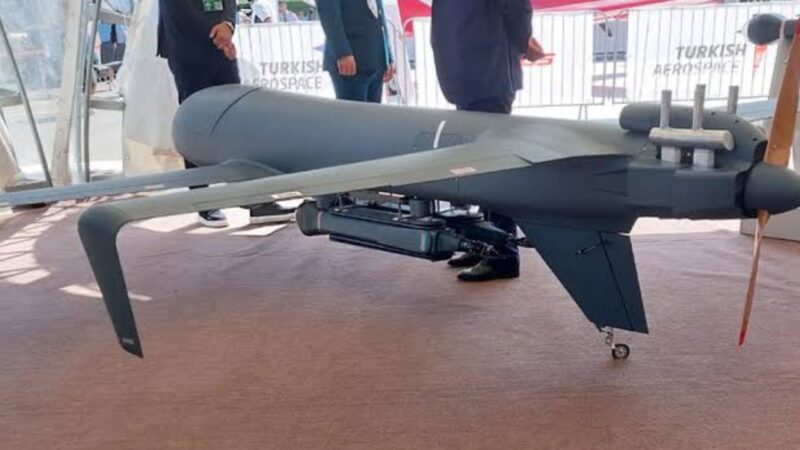
Pakistan’s 06 October test of the Fatah-4-ER cruise missile confirmed that each member of the Fatah series is a distinct missile family that will see iterative variants. This Demand Tracker covers three areas that follow from the test: a possible Fatah-1-ER, a simpler low-cost cruise missile sitting between the Fatah-4 and Sarfarosh, and a potential requirement for electronic warfare decoys that local and foreign vendors could target.
Possible ‘Fatah-1-ER’ in the Pipeline
When Global Industrial & Defence Solutions (GIDS) initially marketed the Fatah-1 guided multiple-launch rocket system (GMLRS), it also revealed a future, extended-range variant called “Fatah-2” in 2022-2023. Derived directly from the Fatah-1, this “Fatah-2” was to provide a range of over 250 km and a tighter accuracy of within 10 m circular error probable (CEP), compared to the 50 m CEP of the Fatah-1.
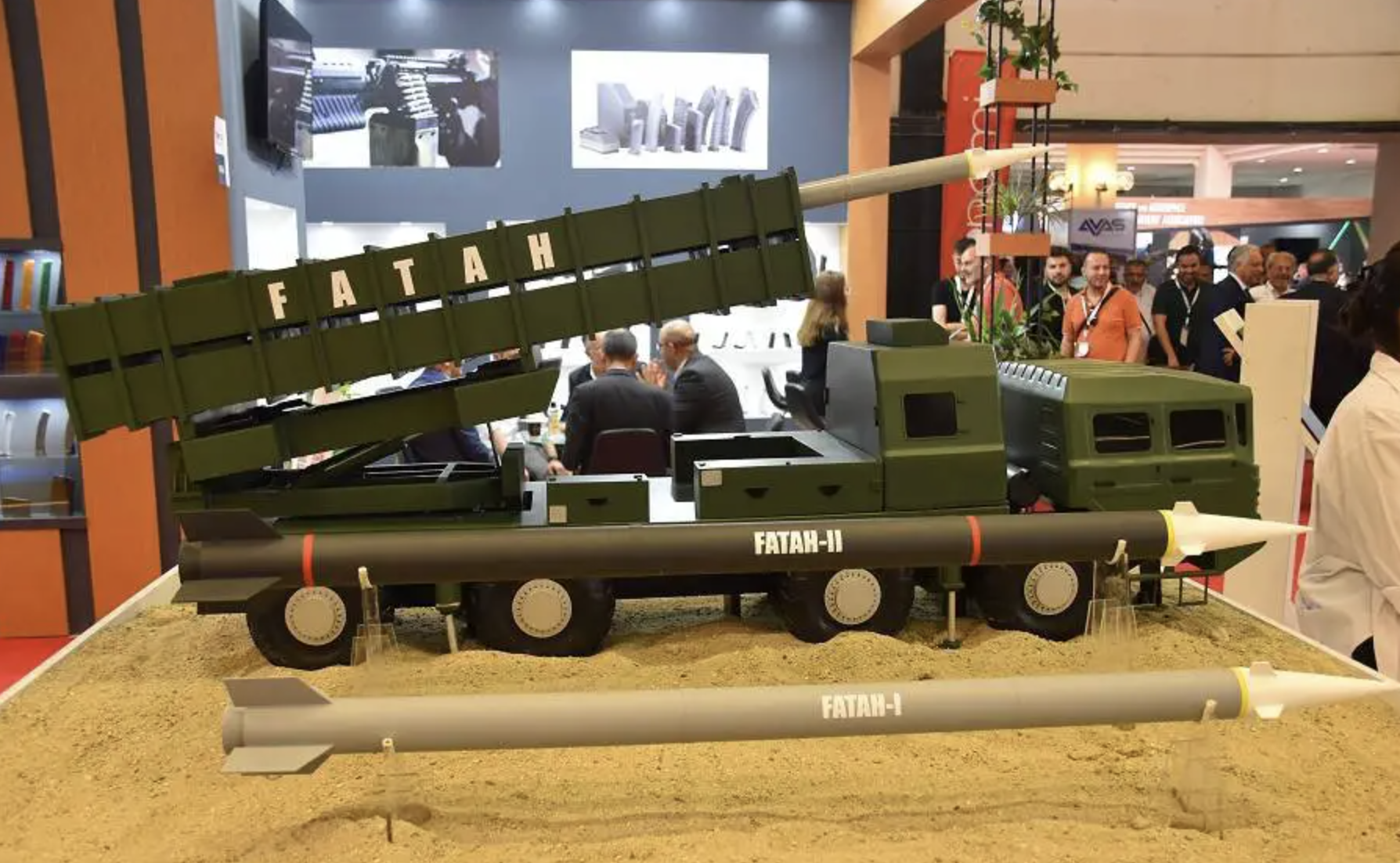
However, when Pakistan tested the “Fatah-2” in December 2023, it actually tested a completely different platform unrelated to the Fatah-1 GMLRS. This new “Fatah-2” was a larger (potentially with a diameter of 600 mm) surface-to-surface missile (SSM) with a range of 400 km.
Quwa Pro
See Where Emerging Defence Markets are Moving
Quwa Pro goes beyond tracking programs and equipment by explaining the policies, incentives, industry dynamics, and competitive pressures shaping South Asia's defence markets.
Subscribe Already a subscriber?Sign in