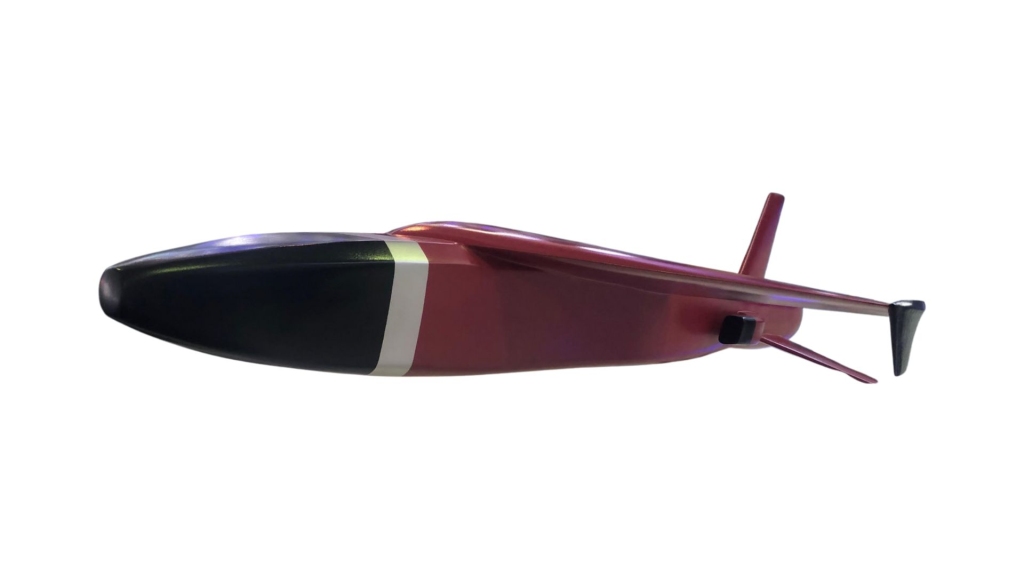
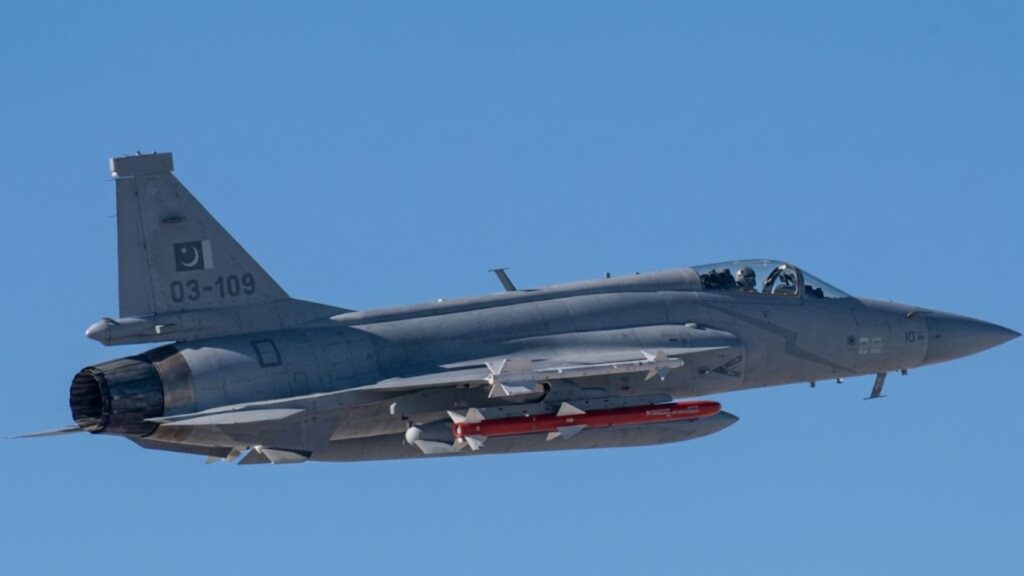
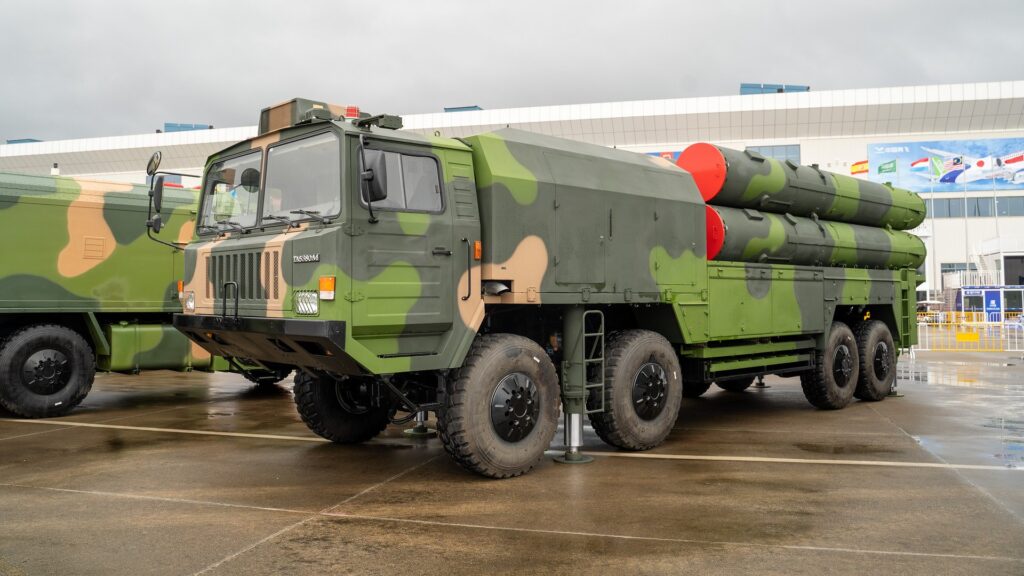
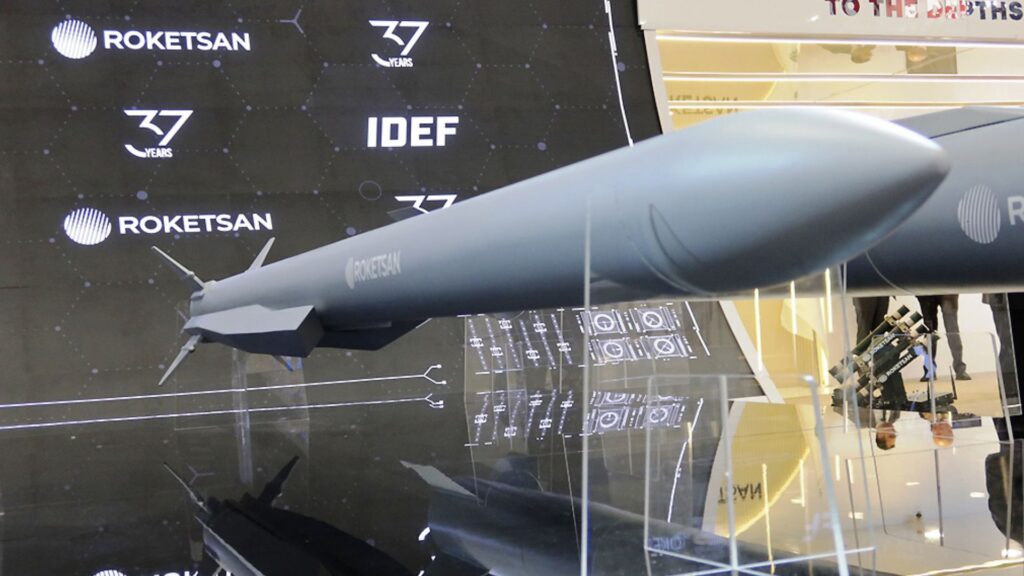
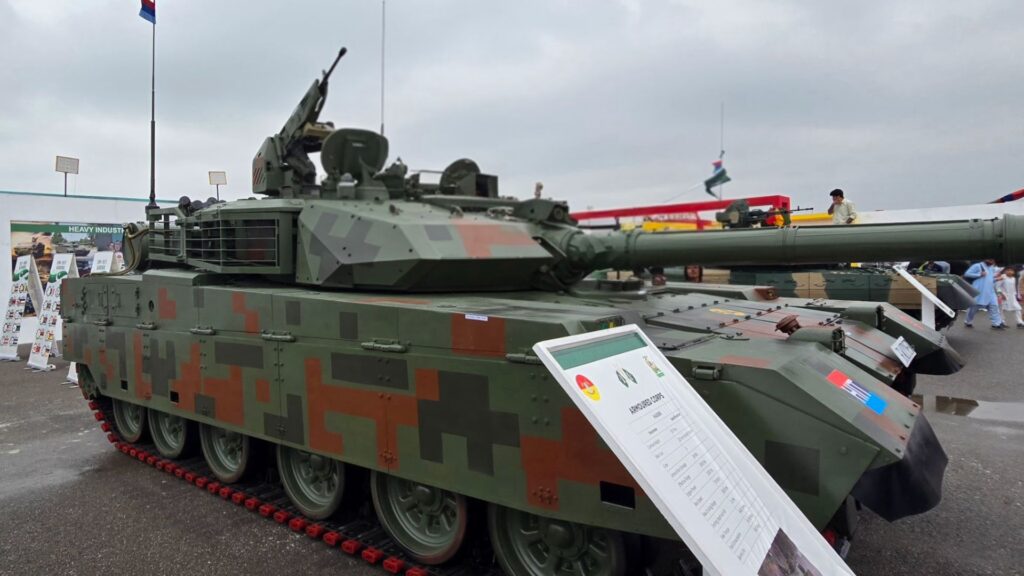
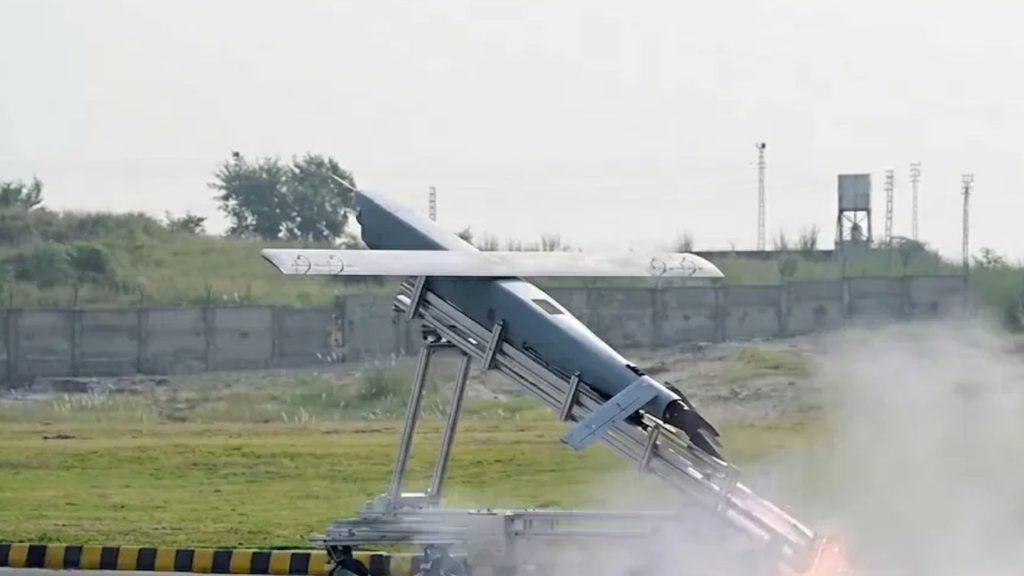
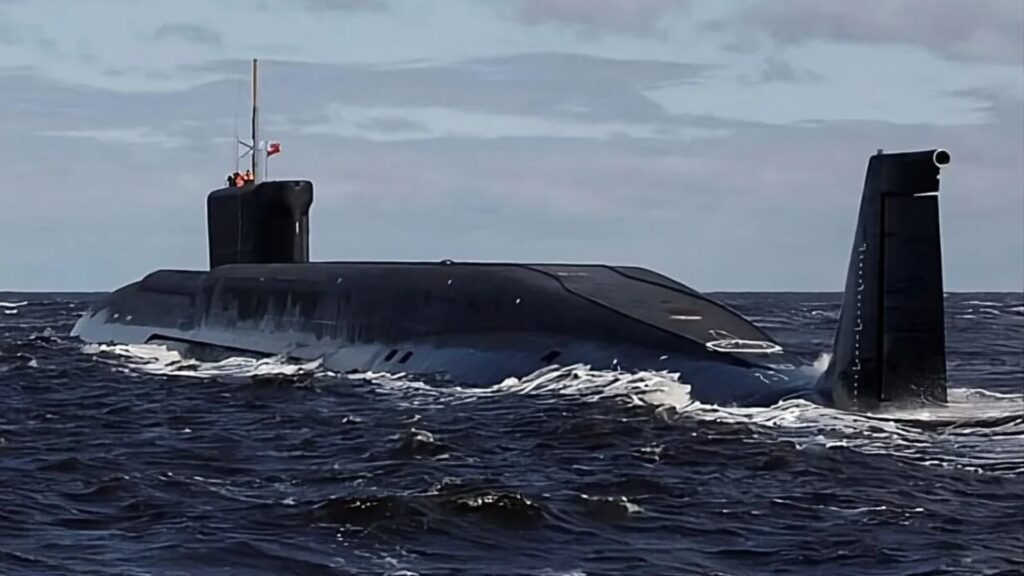
The National Aerospace Science and Technology Park (NASTP) is the Pakistan Air Force’s (PAF) primary in-house organization for research, development, system integration, and, increasingly, drone and smart munitions production. In May 2026, the PAF stated that NASTP – alongside other PAF entities, such as Pakistan Aeronautical Complex (PAC) – was developing over 160 original programs. Though NASTP has yet to reveal all 160 programs, its disclosures up to this point show that it specializes in electronic warfare (EW), radars, and drones. That said, NASTP is gradually moving into more complex platforms, notably through its upgrade program for the JF-17 (PFX Alpha) and, as of late, smart munitions that can provide mission support during air operations while also doubling as long-range strike effectors.
NASTP emerged from the Aviation City initiative, which was launched in July 2017 as an expansion of PAC Kamra. Aviation City housed three new bodies – i.e., the Air University Aerospace and Aviation Campus, an Aviation Research, Indigenization and Development (AvRID) organization, and an Aviation Design Institute (AvDI) – and its mandate (inherited by NASTP) was to directly support the PAF’s requirements. AvRID, for example, focused on “multi-disciplinary R&D in specific technologies,” while AvDI worked on “capability enhancement of the existing PAF fleet” and led a fifth-generation fighter aircraft (FGFA) program, then known as “Project AZM.” Under Project AZM, AvDI was also to design and develop a medium-altitude long-endurance (MALE) drone.
Project AZM did not materialize. However, in July 2021, the PAF’s current leadership under Air Chief Marshal (ACM) Zaheer Ahmad Babar reorganized and expanded Aviation City into a nationwide entity, one with deeper integration with Pakistan’s civilian technology sector, foreign defence vendors, and the country’s industrial base. The reorganization also consolidated all of the PAF’s various in-house R&D bureaus and teams under one entity, i.e., NASTP.
NASTP absorbed Aviation City alongside PAF project teams and organizations in cybersecurity, artificial intelligence (AI), airborne and air defence radars, data-links, and drones. So, while fighter-related work had formed the bulk of Aviation City’s efforts, this area constitutes a much smaller – and potentially dwindling – portion of NASTP’s work, which centres on sensors, integration, and effectors (e.g., drones, loitering munitions, and cruise missiles).
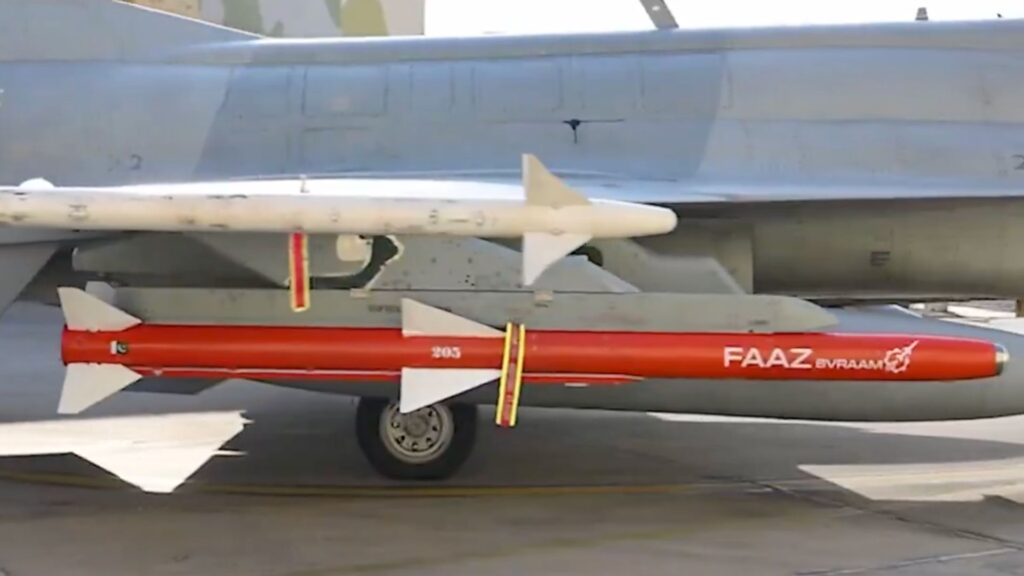
It is important to differentiate between NASTP and the Air Weapons Complex (AWC), which operates under the National Engineering and Scientific Commission (NESCOM). AWC is also one of the PAF’s primary domestic vendors, especially for munitions such as the Fa’az air-to-air missile (AAM), the AZB-series of precision-guided bombs (PGB), and the Ra’ad and Taimur family of air-launched cruise missiles (ALCM), among others. However, AWC’s work is separate from NASTP’s.
So, while NASTP is designing an upgrade program for the JF-17 via PFX Alpha, it is (currently at least) AWC that developed the potential indigenous AAM stack. One of the potential outcomes of this siloing is that, eventually, NASTP could look to bring AAM work in-house as well, potentially through a foreign partner (indeed, the PAF sought to cooperate with Türkiye on AAMs).
See Where Emerging Defence Markets are Moving
Quwa Pro goes beyond tracking programs and equipment by explaining the policies, incentives, industry dynamics, and competitive pressures shaping South Asia's defence markets.
Subscribe Already a subscriber?Sign in