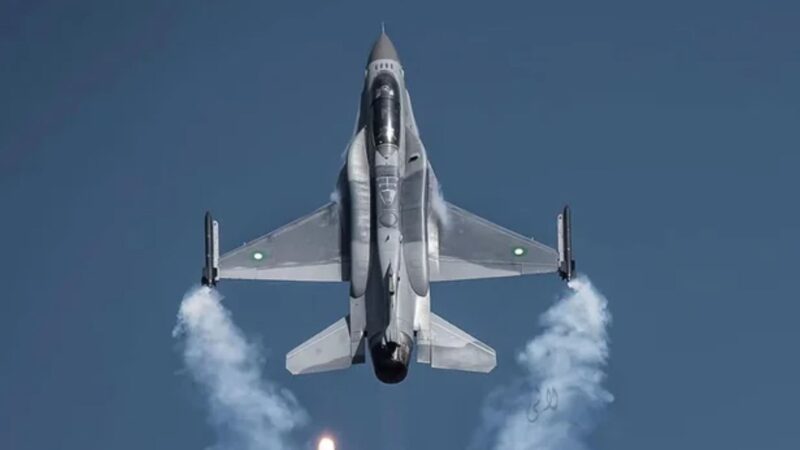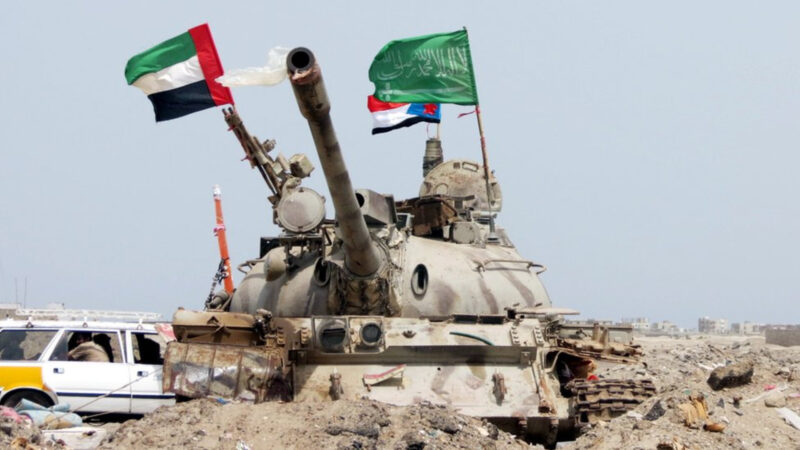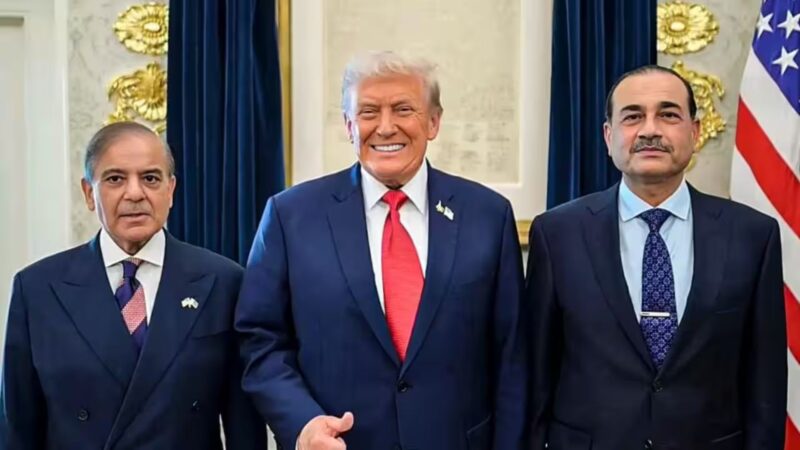

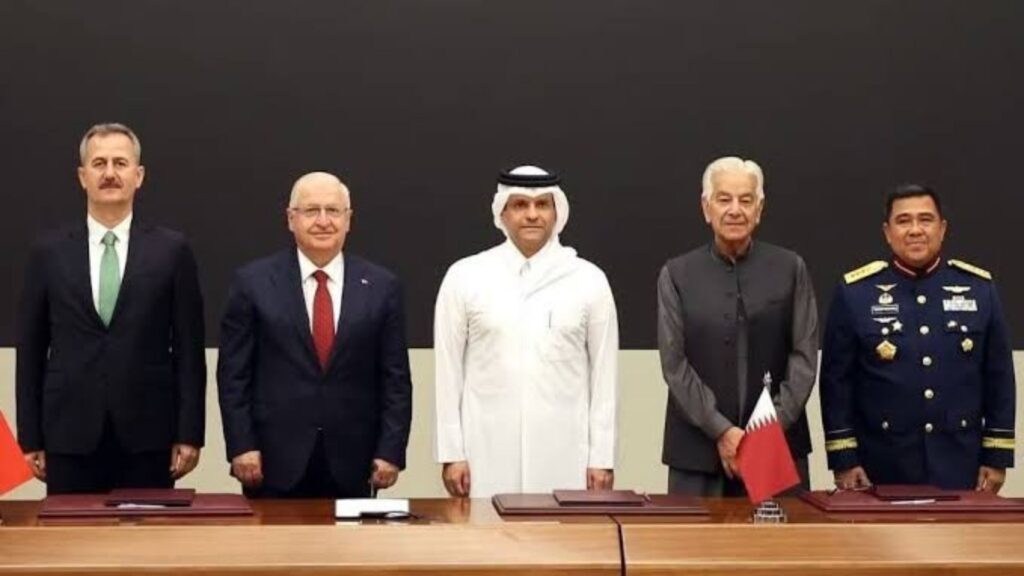
On 21 October 2026, the governments of Qatar, Türkiye, Pakistan, and Indonesia signed the ‘Badr Memorandum of Understanding’ (MoU).
In an official statement, Qatar’s Ministry of Defence said that the Badr MoU “aims to foster cooperation in the field of defence manufacturing, enhance defence capabilities among the four countries, and promote collaboration in technical defence training, as well as in research and development areas, thereby contributing to the creation of solutions and industries worthy of the evolution of modern defences.”
Granted, the Badr Agreement is separate from the Makkah Joint Defence Agreement (MJDA) that Pakistan and Türkiye had signed with Saudi Arabia, but it is interesting that its contents specifically – and perhaps exclusively – deliver the lowest-hanging fruit Quwa identified with the Makkah Alliance, mutual capacity building. In Quwa’s August 31st analysis, this author stated: “Indeed, of all the promising concepts of the MDA, the idea of capacity building via joint procurement, industry integration, accessible credit or loans, access to technology, and so on would be the lowest-hanging fruit. To be clear, it is still a high expectation and is optimistic, but it makes the most sense.”
In the subsequent months since signing the MJDA, it became apparent that Riyadh, indeed, was expecting force support from Islamabad and Ankara. However, even if the willingness was there, it was conditional on the fiscal, technical, logistical, and other capacity mechanisms that, generally speaking, were not available. For Pakistan’s national security establishment, those capacity-building mechanisms would be a major benefit, especially if they can be re-leveraged for South Asia. In Quwa’s September 21st analysis, this author stated: “And just as importantly, Pakistan, for its part, can assert that it would be willing to fight, but it needs fiscal support, industrial integration, and other capacity-building to resolve its pain points before taking on new ones.” And that was a thread this author had maintained as early as August 9th: “Pakistan has funding constraints and technology access obstacles that Riyadh and Ankara could solve, respectively. In solving those blockers, Pakistan can develop its conventional deterrence capacity to a much higher level and guarantee its security.”
Thus, in sharp contrast to the MJDA, which (as per reported leaks of the text) mandates actual force employment, the Badr Agreement is taking the more pragmatic approach of prioritizing capacity-building. Not only is this pathway a prerequisite for even considering a proper mutual defence/security pact between any of these regional powers, but it is also the avenue that Ankara and Islamabad prefer. Hence, in contrast to Riyadh, it seems Doha read the situation more accurately.
Quwa Plus
Go Beyond the Headlines on Pakistan’s Defence and Security.
Quwa Plus gives you deeper reporting, briefings, and analysis on Pakistan’s defence programs, foreign policy, national security, and regional strategy. Follow the developments that matter to professionals, analysts, and serious readers tracking Pakistan’s security landscape.
Join ($29.99/Year) Already a subscriber?Sign in