




Quwa Market Intelligence platform

See Pakistan’s defence market as a connected system.

The Quwa Market Intelligence Platform turns fragmented public evidence—statements, trials, programs, suppliers, and industrial activity—into a continuously updated view of what Pakistan needs, what it is building, and where demand may form next.

3 Market Intelligence Reports Every Week Full program archive Quwa Plus included

Trusted by professionals in 57+ governments, OEMs, think tanks, and media organizations, including:

Leonardo Thales ELT Group BBC TRT World

The Pakistan defence knowledge graph

One platform. The market around it.

What Quwa reveals

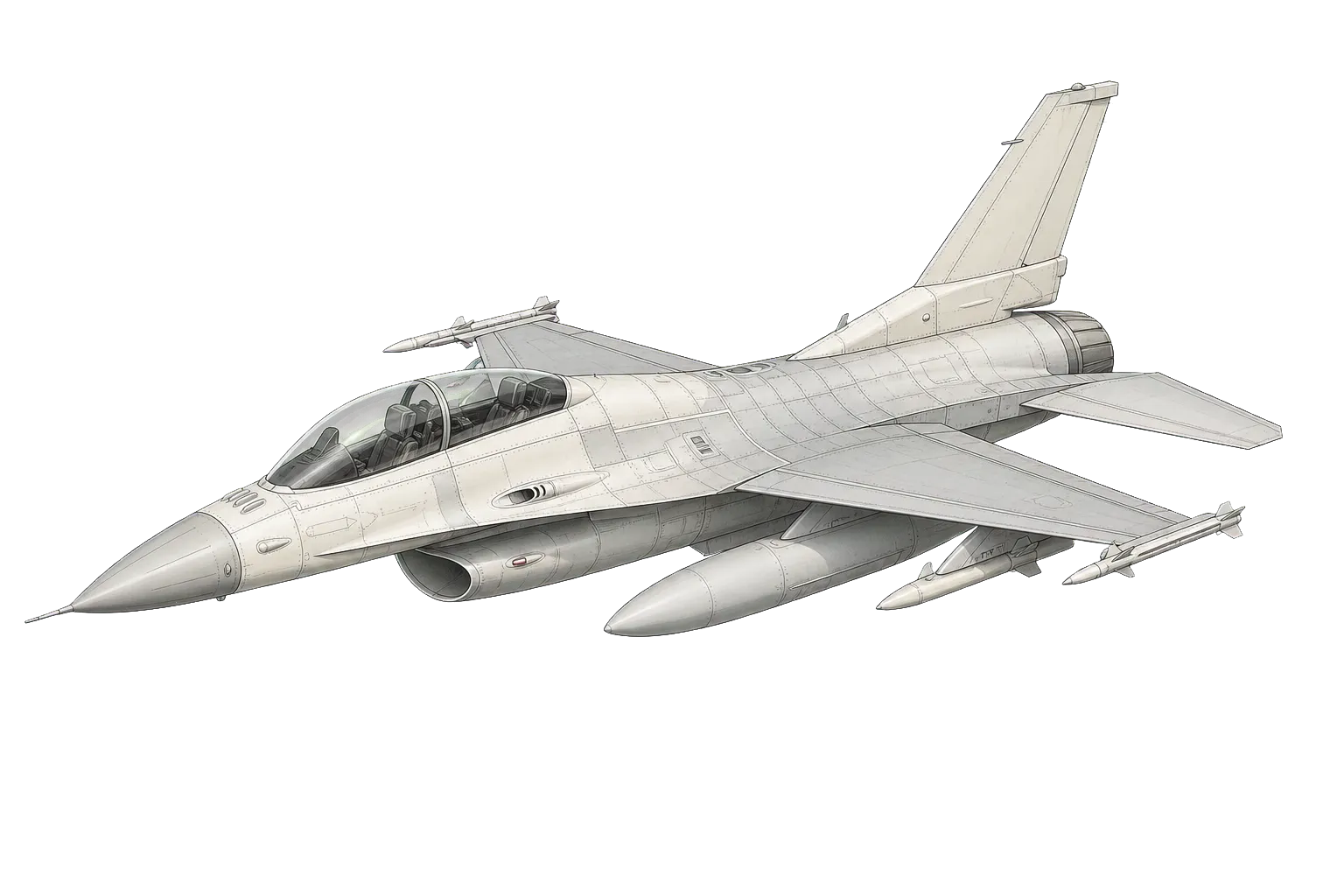
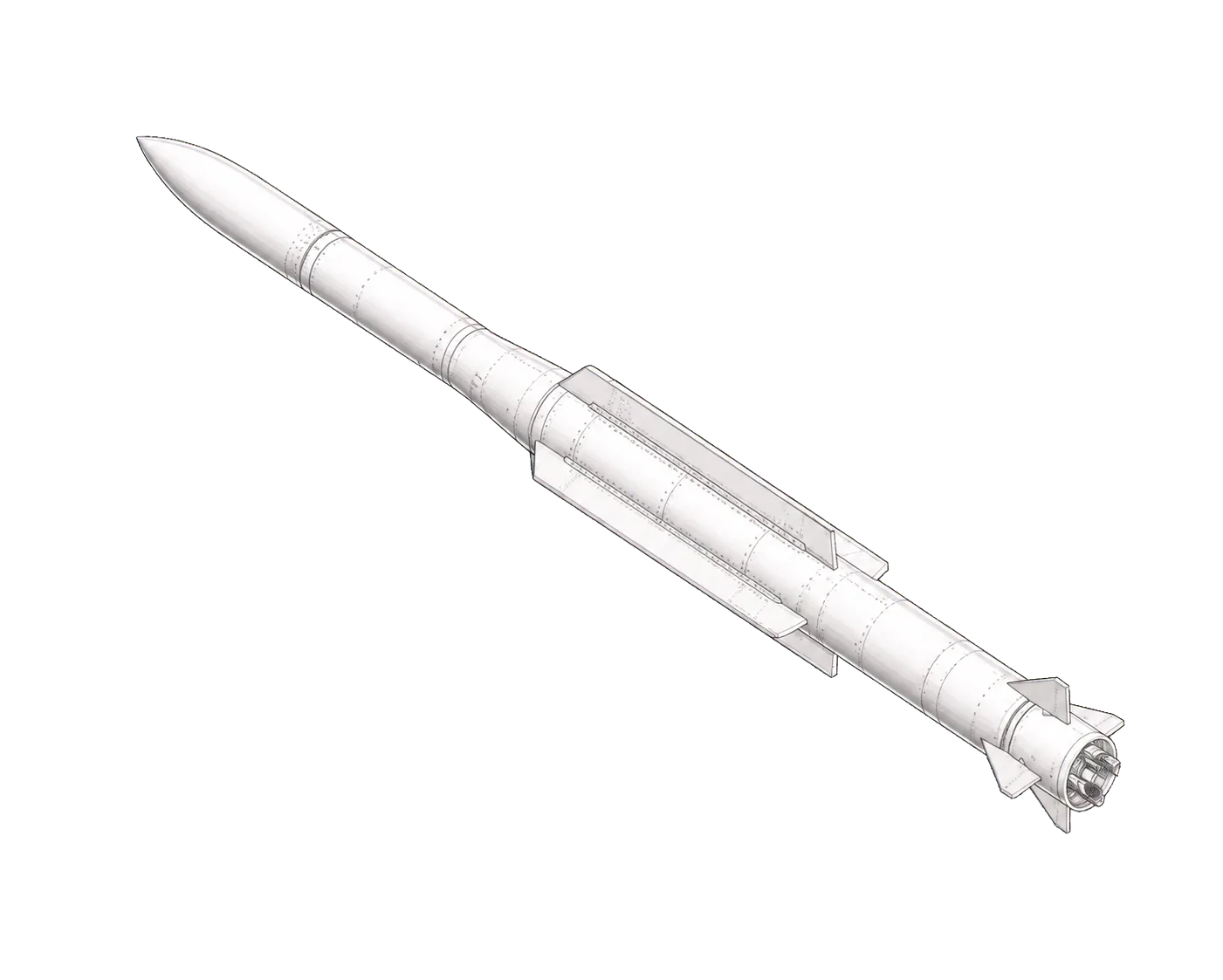
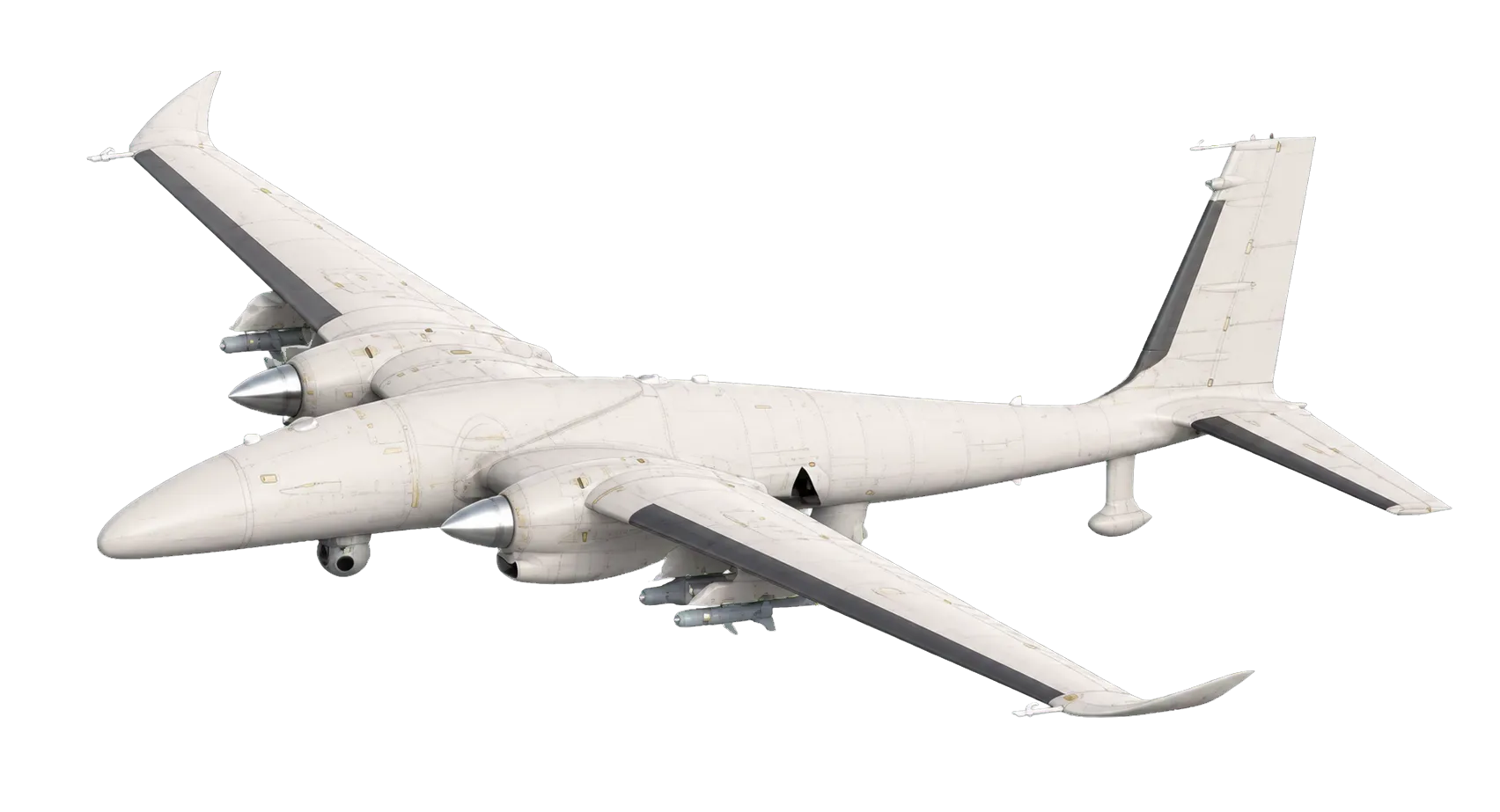
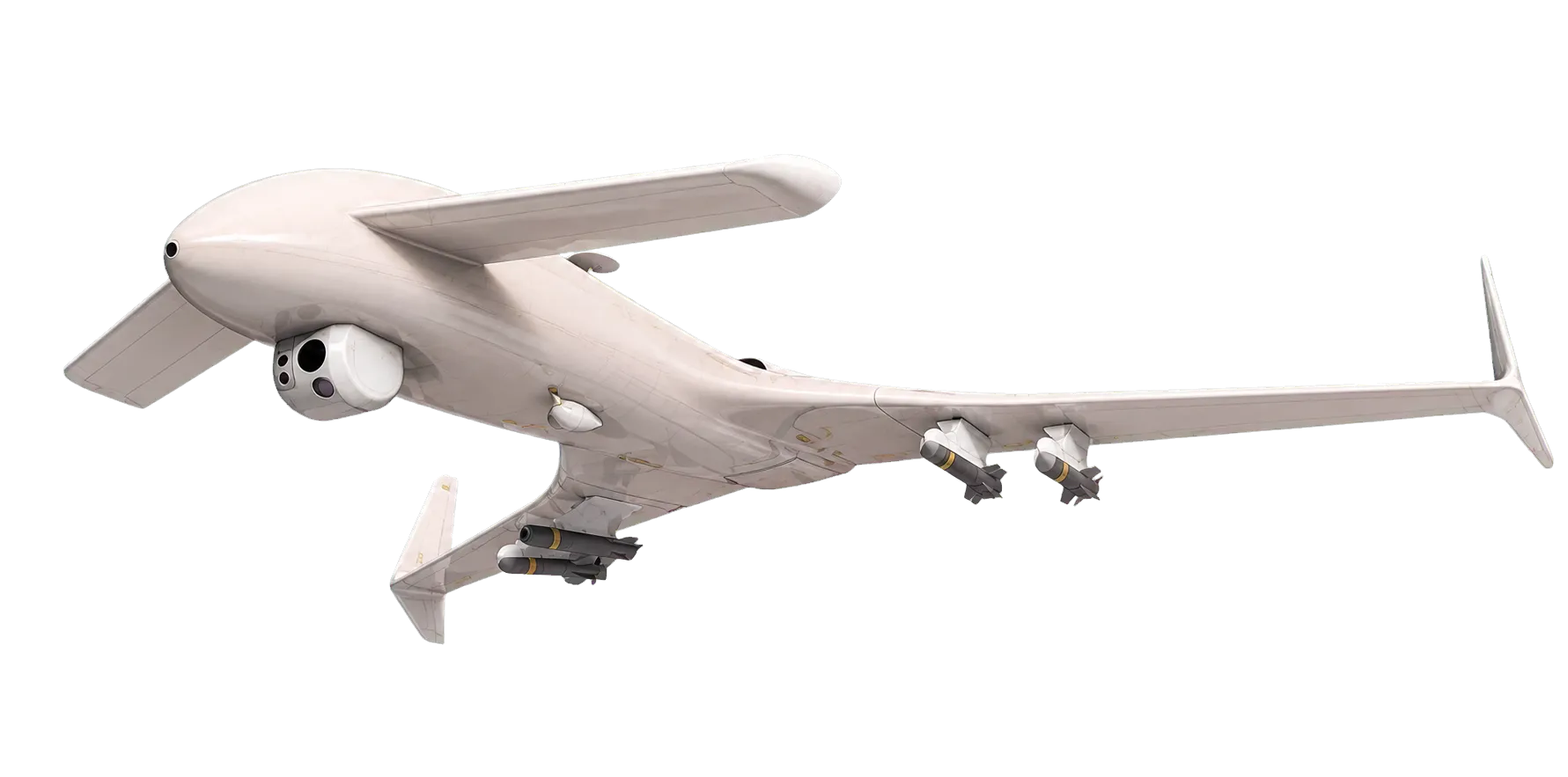
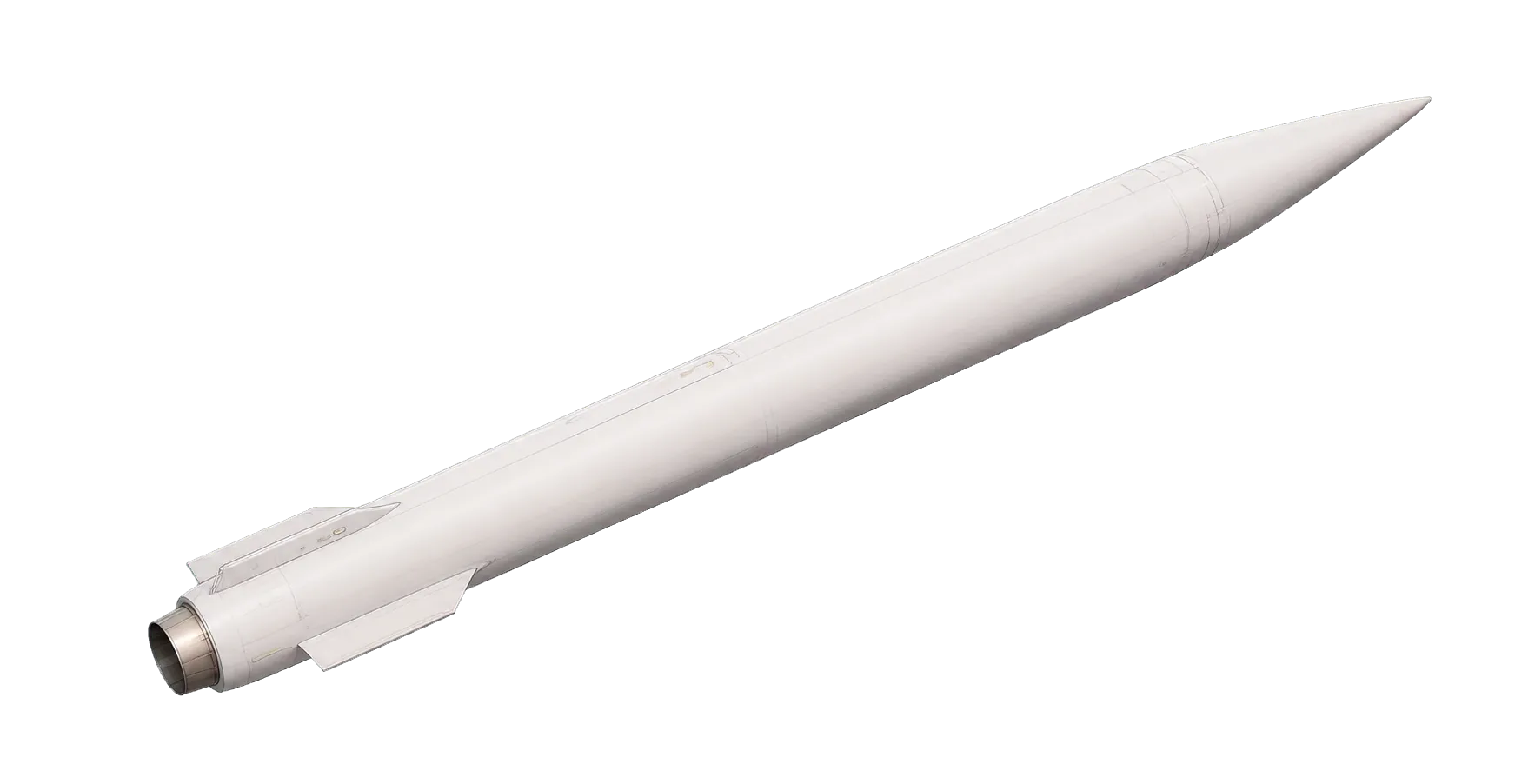
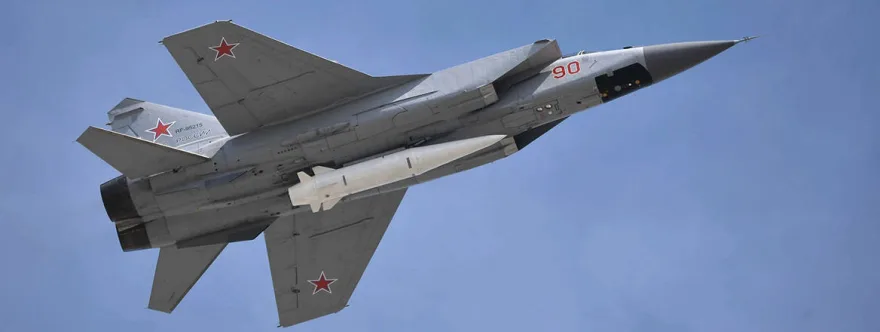
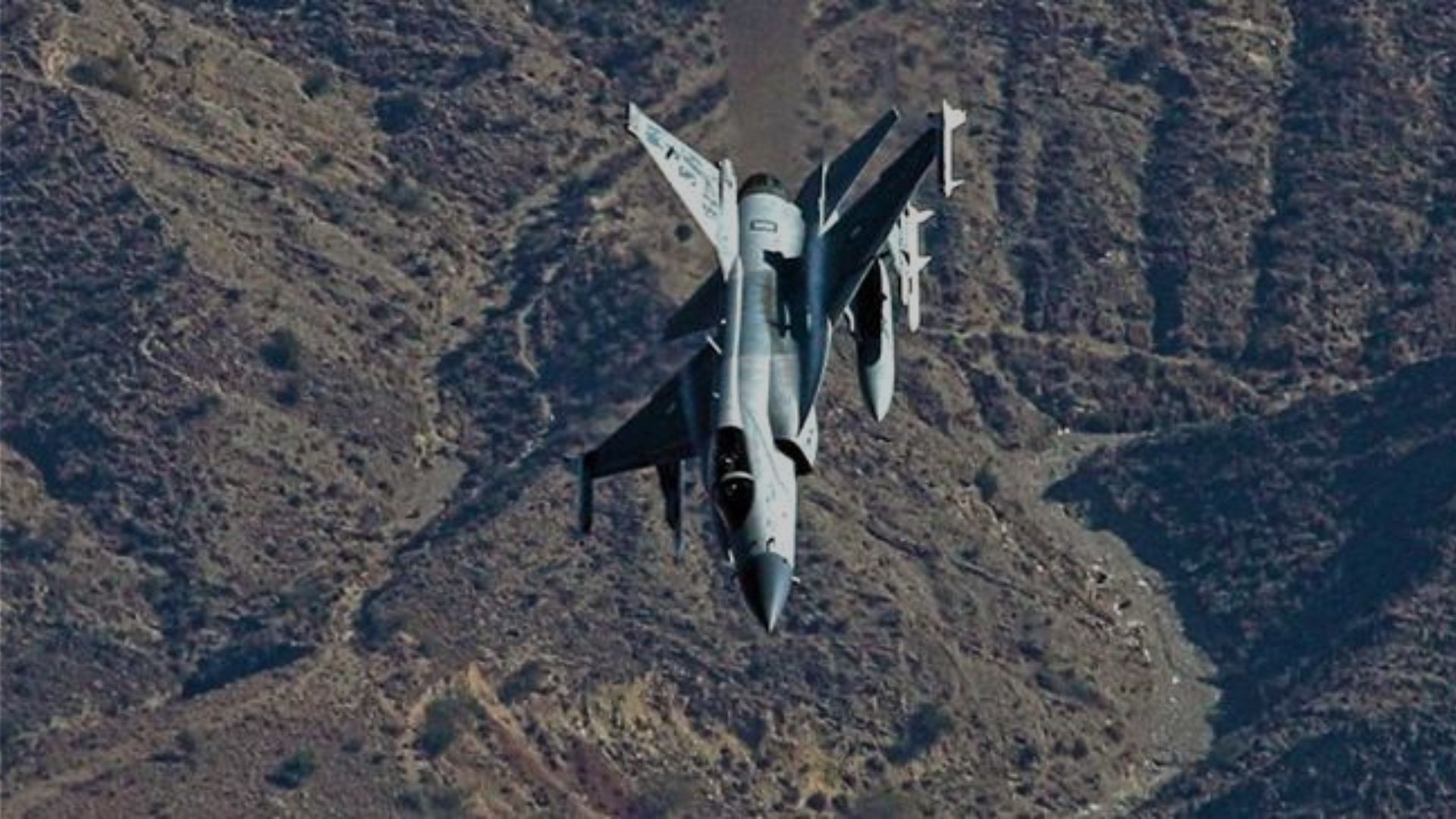
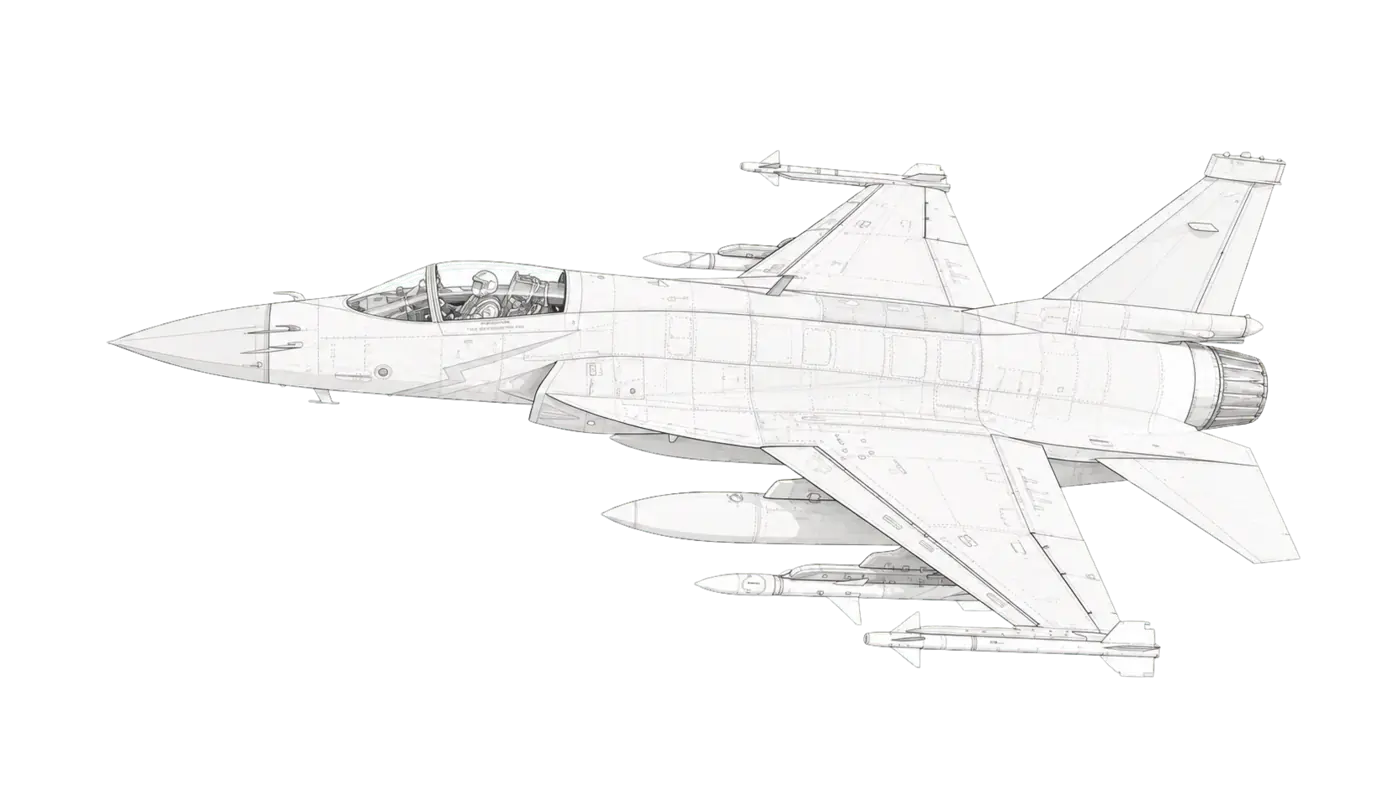
Quwa follows the JF-17 as a living program—tracking each production block, upgrade pathway, export campaign, weapon integration, and the industrial capacity Pakistan is building around it.

01Reconstruct every programWe trace requirements, selections, upgrades, delays, suppliers, and deliveries to show how a program actually evolved.
02Decode the complete capabilityWe connect platforms to their sensors, weapons, networks, doctrine, and support systems—revealing what the capability can really do.
03Expose the industrial pathwayWe identify who designs, supplies, integrates, transfers, produces, and sustains each capability—and where market access may open.
04Anticipate the next decisionWe separate announcements from substantiated procurement activity, explain what changed, and identify the decisions most likely to follow.

China in MENA

Stay ahead of Chinese defence adoption across Iraq, Algeria, and Egypt.

Understand how Chinese systems are configured, integrated, sustained, and employed after induction.

80% Of Pakistan’s major-arms imports Supplied by China · 2021–25
10+ Years of continuous coverage Program by program
Technical editorial rendering of the J-10CE combat aircraft
J-10CE
Technical editorial rendering of the JF-17 Block III combat aircraft
JF-17 Block III
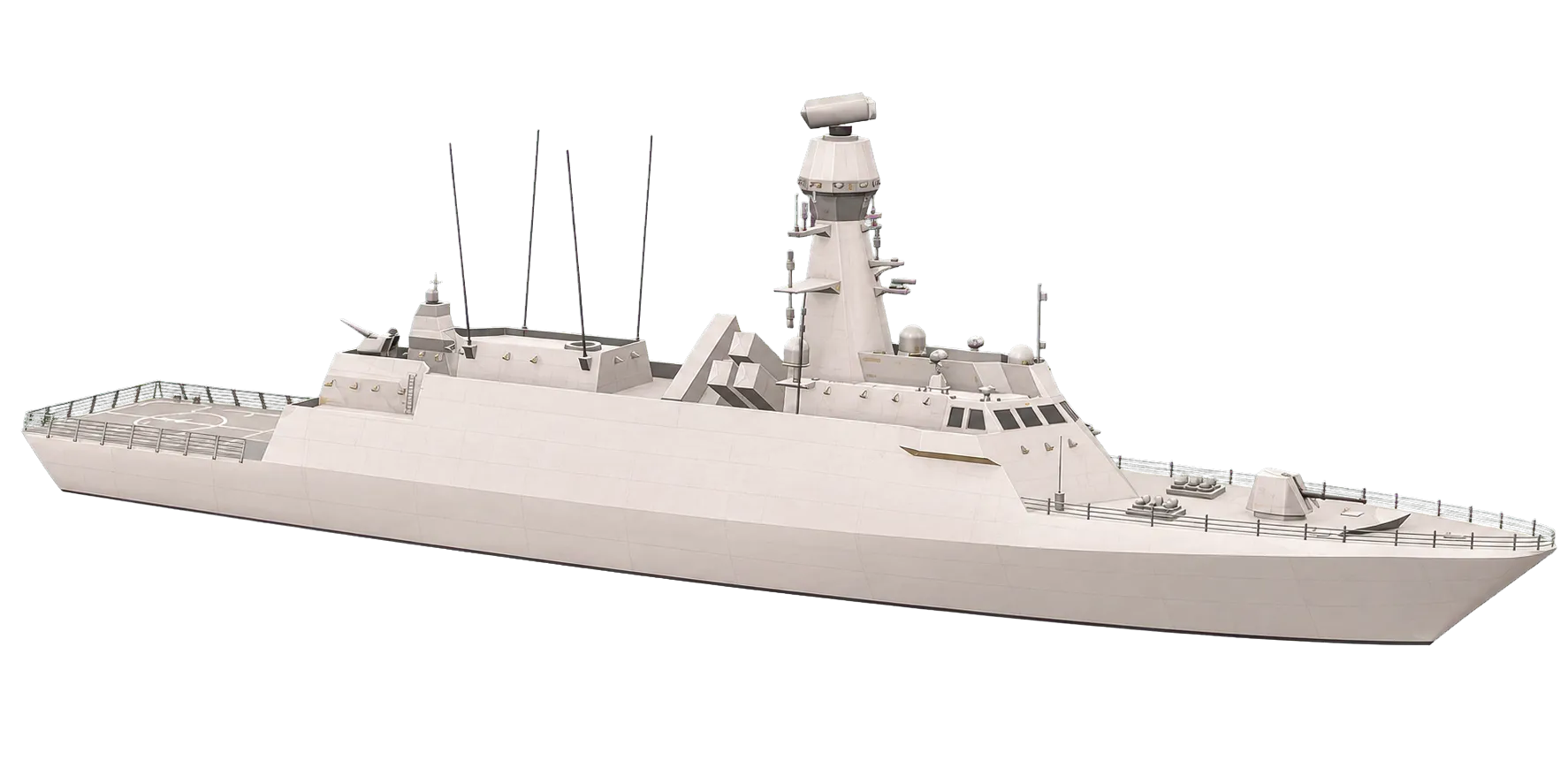
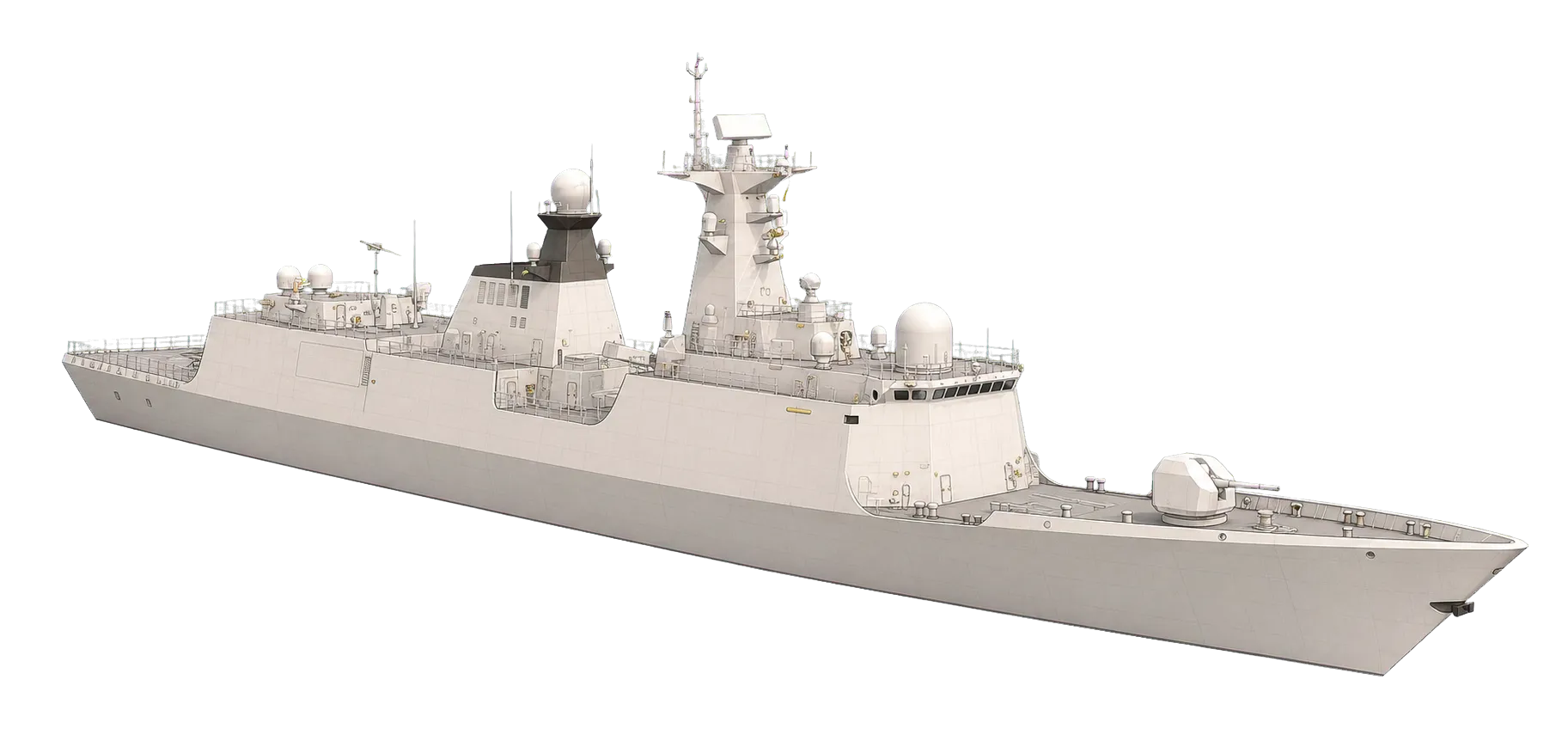
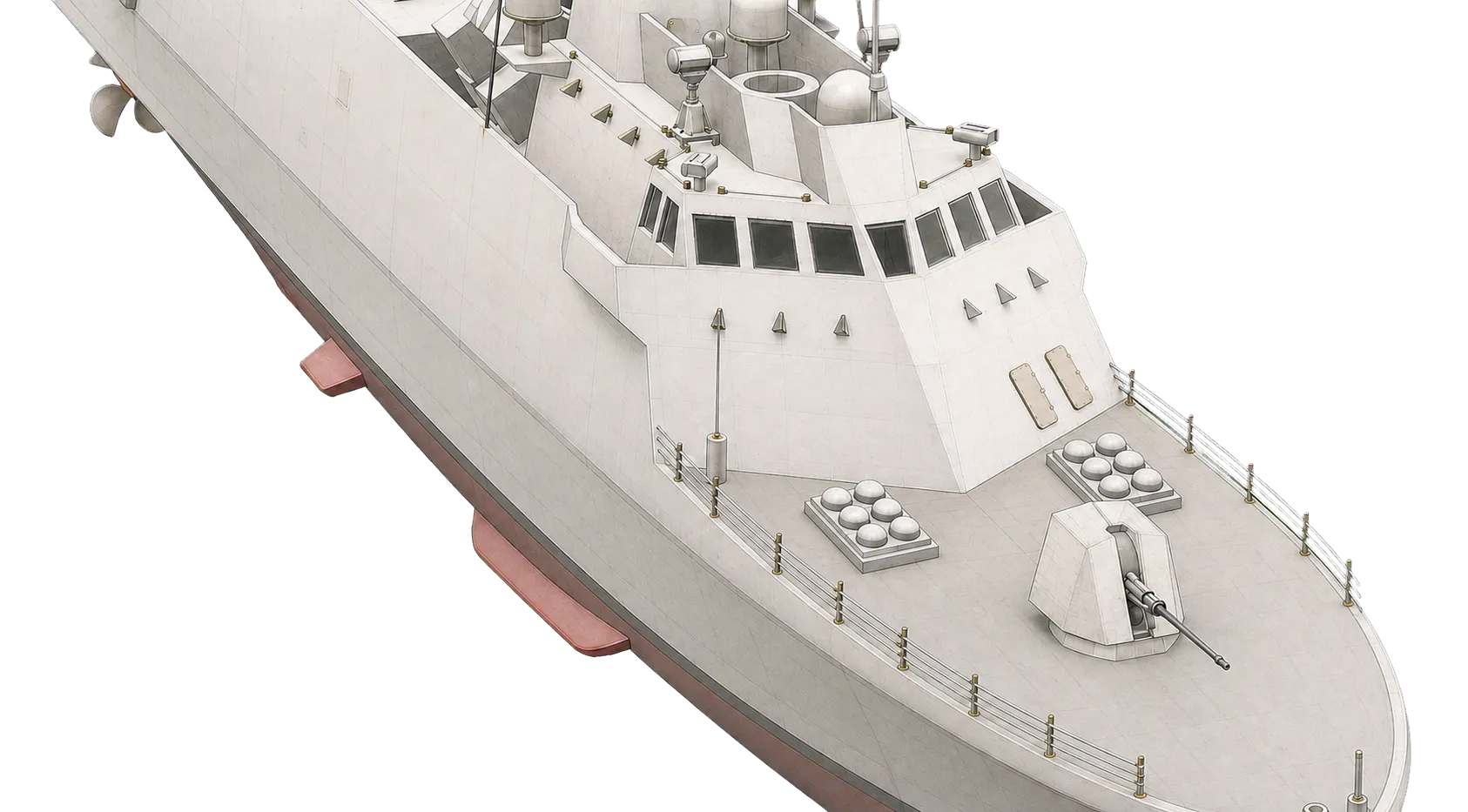
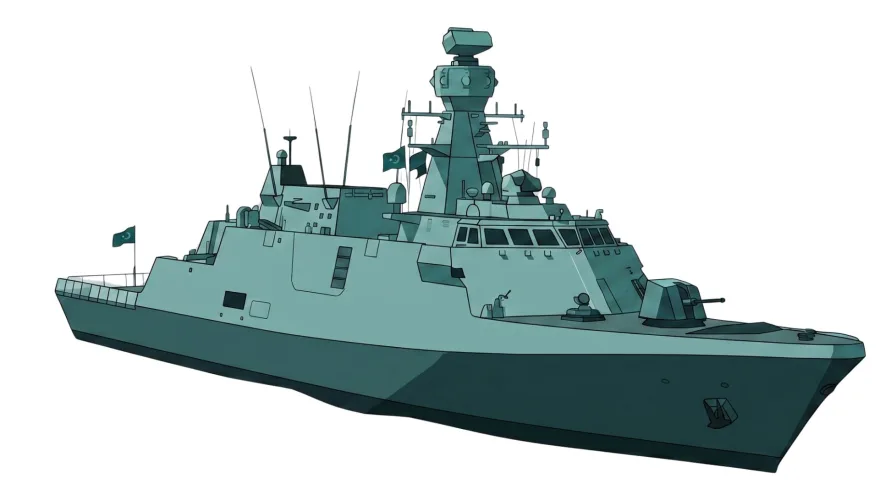
Technical editorial rendering of a Tughril-Class Type 054A/P frigate
Tughril-Class
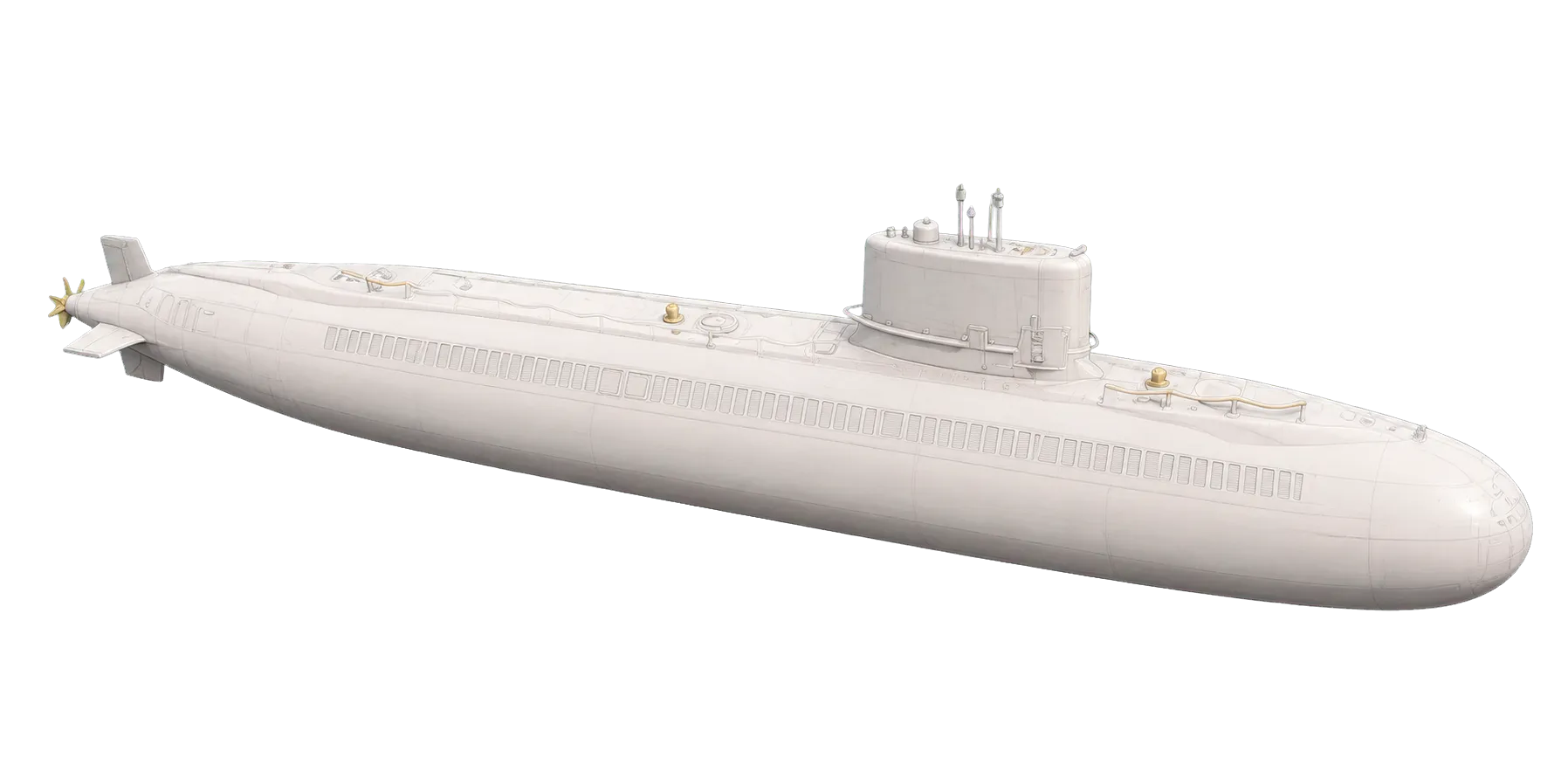
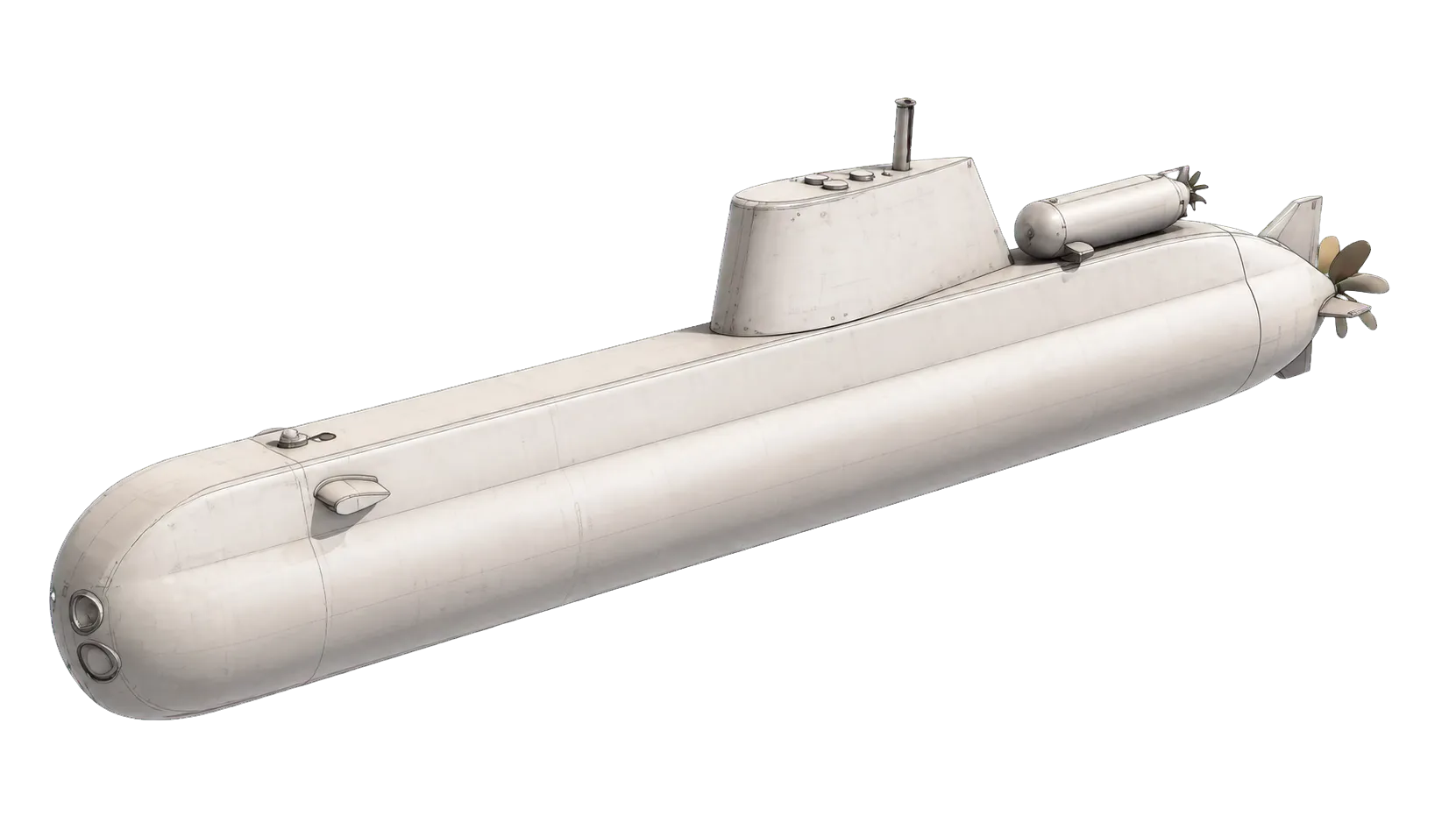
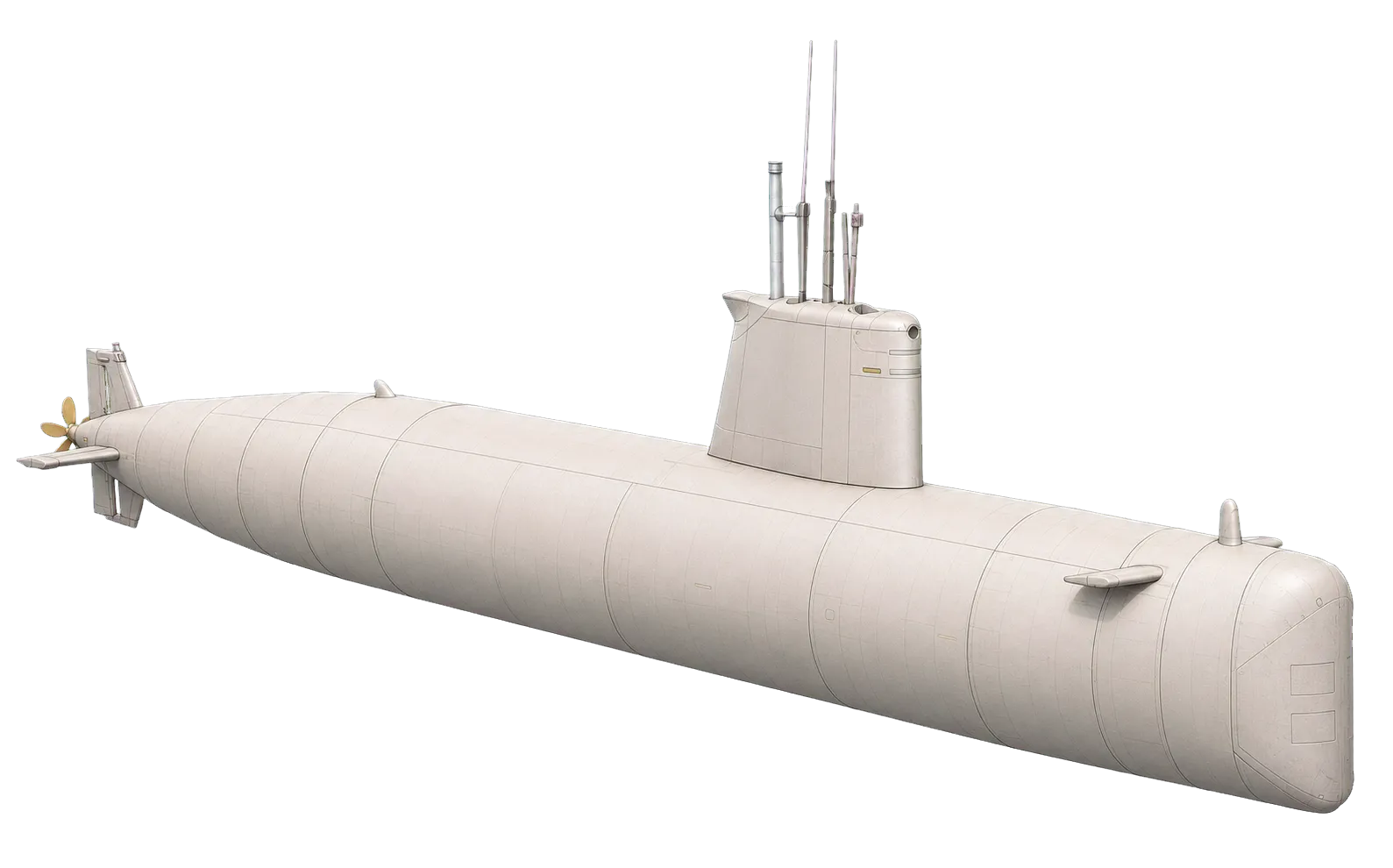
Technical editorial rendering of a Hangor-Class submarine
Hangor-Class
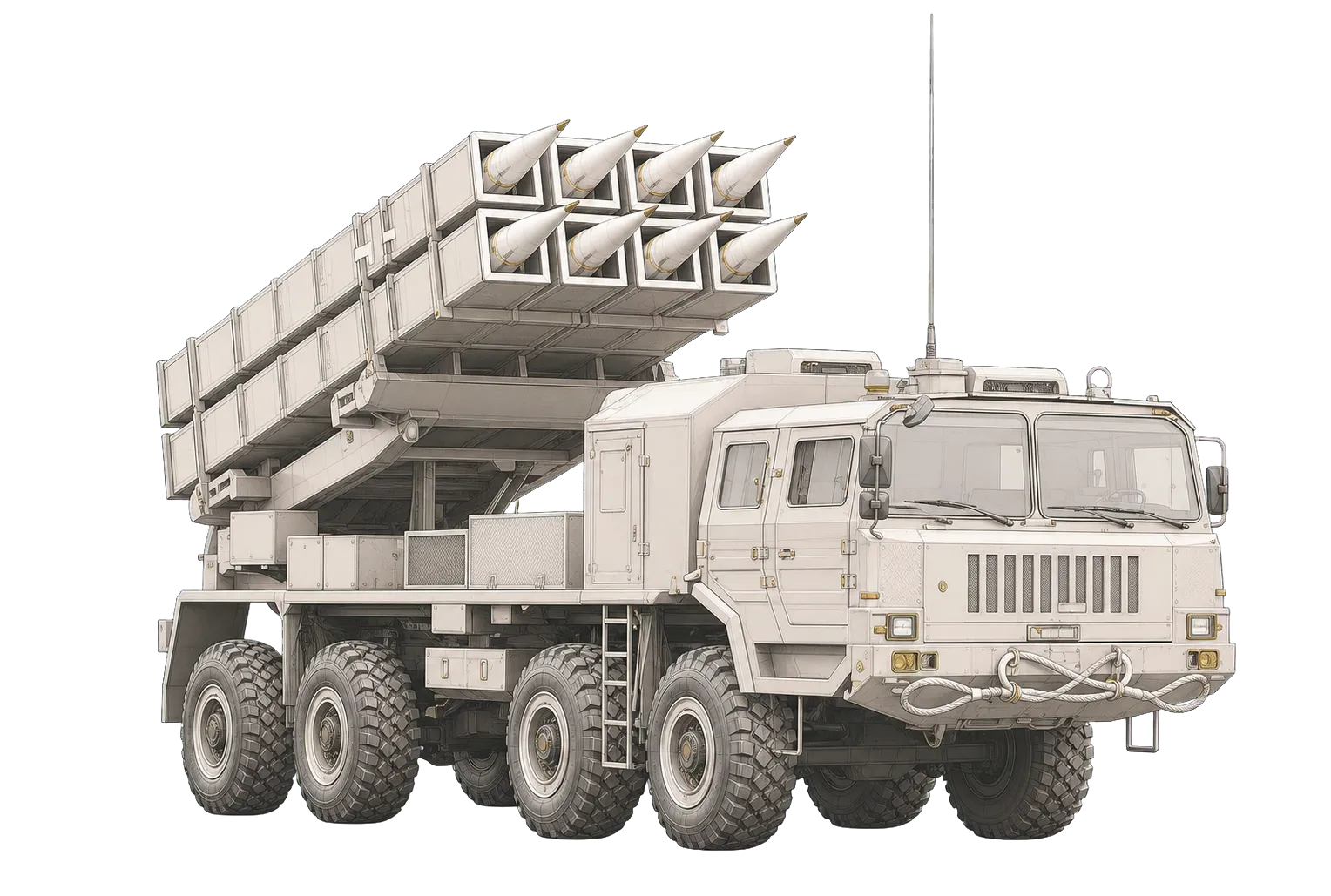
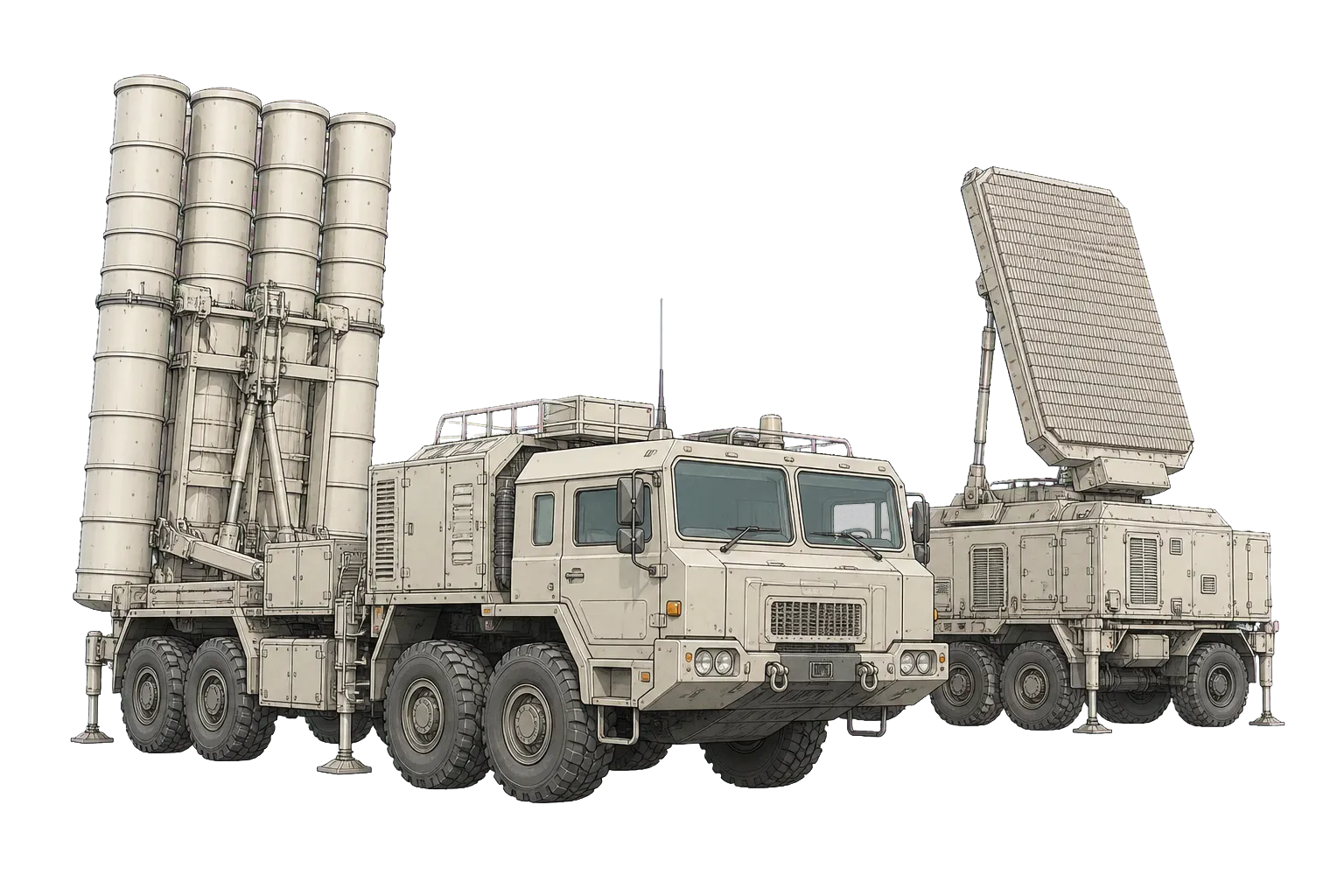
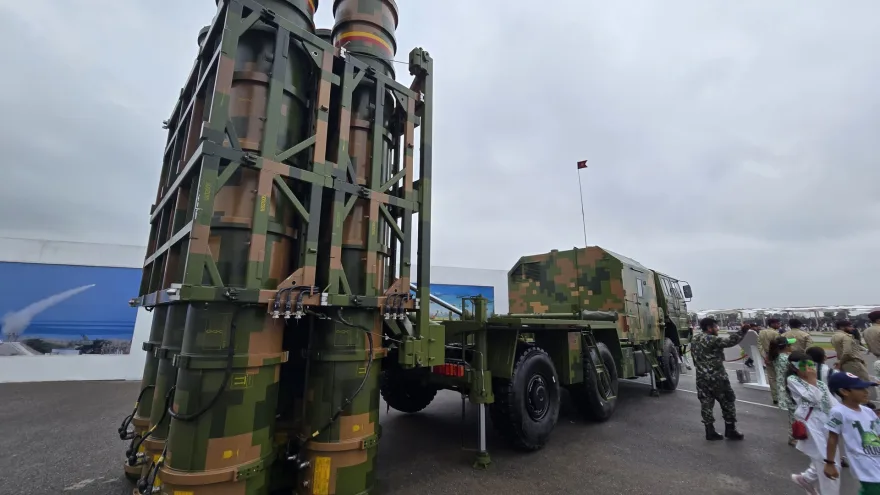
Technical editorial rendering of the HQ-9/P air-defence system
HQ-9/P
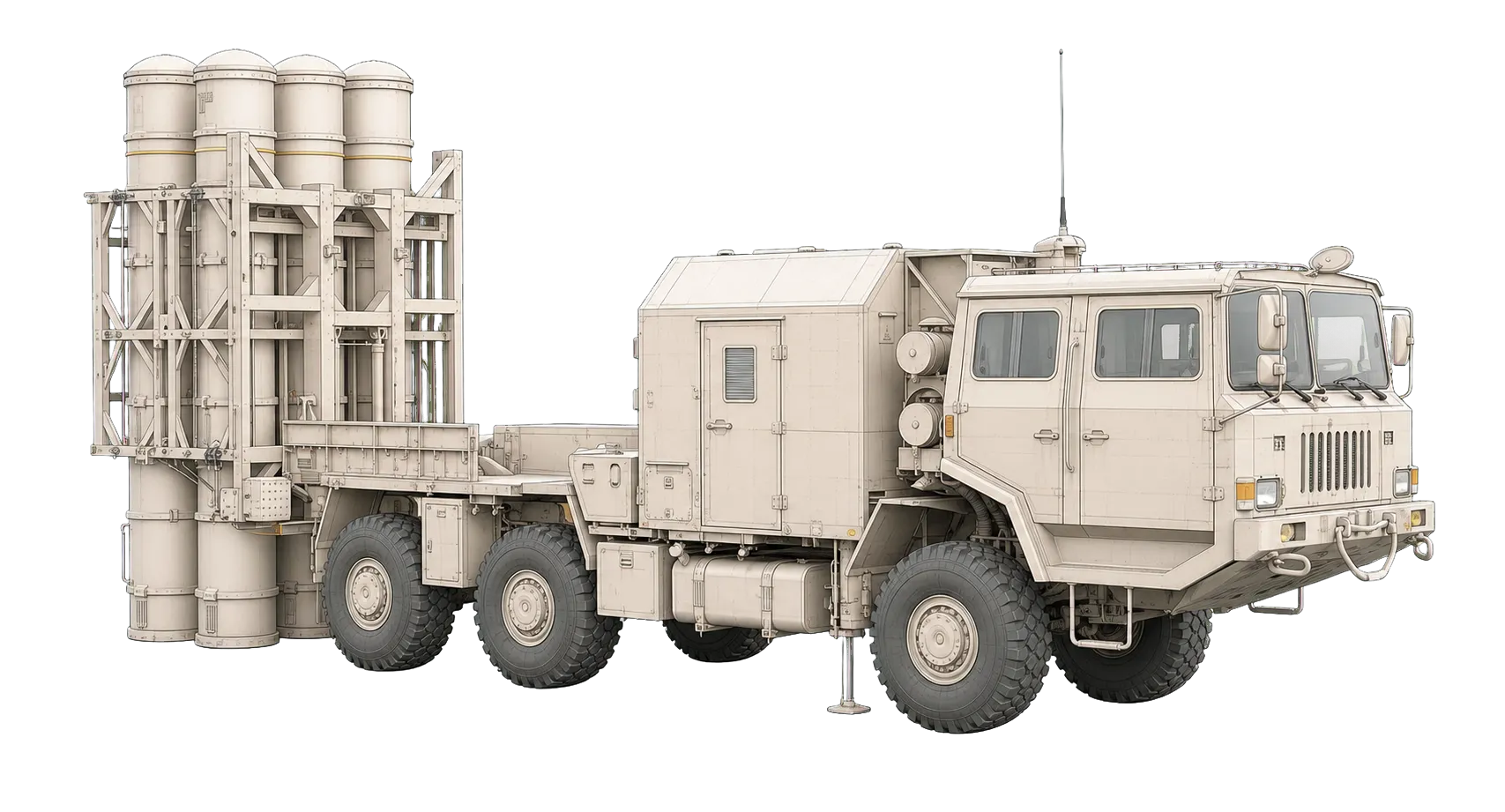
Technical editorial rendering of the LY-80 air-defence system
LY-80

From JF-17–Erieye interoperability to domestic RD-93 overhaul, Quwa traces how imported platforms are connected to mixed-origin forces and kept operational.

80% data point: SIPRI, Trends In International Arms Transfers, 2025 (March 2026) ↗. SIPRI figures are trend-indicator values, not contract prices.

Know what changed, why it matters, and what is likely to follow.
  1. 01
    Business developmentProtect the opportunity pipeline

    Track buyers, requirements, trials, financing, and supplier activity before the field narrows.

  2. 02
    Research and analysisVerify system claims

    Check advertised capabilities against Pakistan’s configurations, field use, and support experience.

  3. 03
    Policy and governmentMap supplier dependence

    Assess how ITAR, CAATSA, financing, and sustainment risk reshape procurement choices.

  4. 04
    Media and think tanksExplain adoption in context

    Connect each deal to force structure, integration demands, and buyer constraints.

Pakistan’s constraints also appear across MENA.

Iraq, Algeria, and Egypt face their own versions of restricted Western access, Russian-supply risk, financing pressure, and requirements for local control. Quwa tracks where those conditions make Chinese offers more competitive.

Technical editorial rendering of the Chinese HQ-9 long-range air-defence system
Iraq · HQ-9 and CH-4Track gaps China can fill

Follow air-defence, UAS, and financing activity where Western access remains constrained.

Technical editorial rendering of the Chinese-designed Tughril-Class frigate
Algeria · CM-302Test export repeatability

Compare the same Chinese weapon across two operators.

Technical editorial rendering of the Chinese J-10CE combat aircraft
Egypt and MENA · J-10CESeparate demand from promotion

Judge whether access constraints can become a real procurement path.

Stay ready as the market moves

Research, fact-checking, activity tracking, and forecasting for every decision cycle.

01Research the requirementBuild the buyer, capability-gap, budget, and supplier context behind each opportunity.
02Fact-check the offerCompare published specifications with Pakistani integration, use, and support experience.
03Track the activityFollow visits, trials, financing, local partnerships, inductions, and repeat orders.
04Forecast the next moveIdentify which constraints and program evidence make procurement more or less likely.

Emerging warfare markets

See which battlefield lessons are becoming funded requirements.

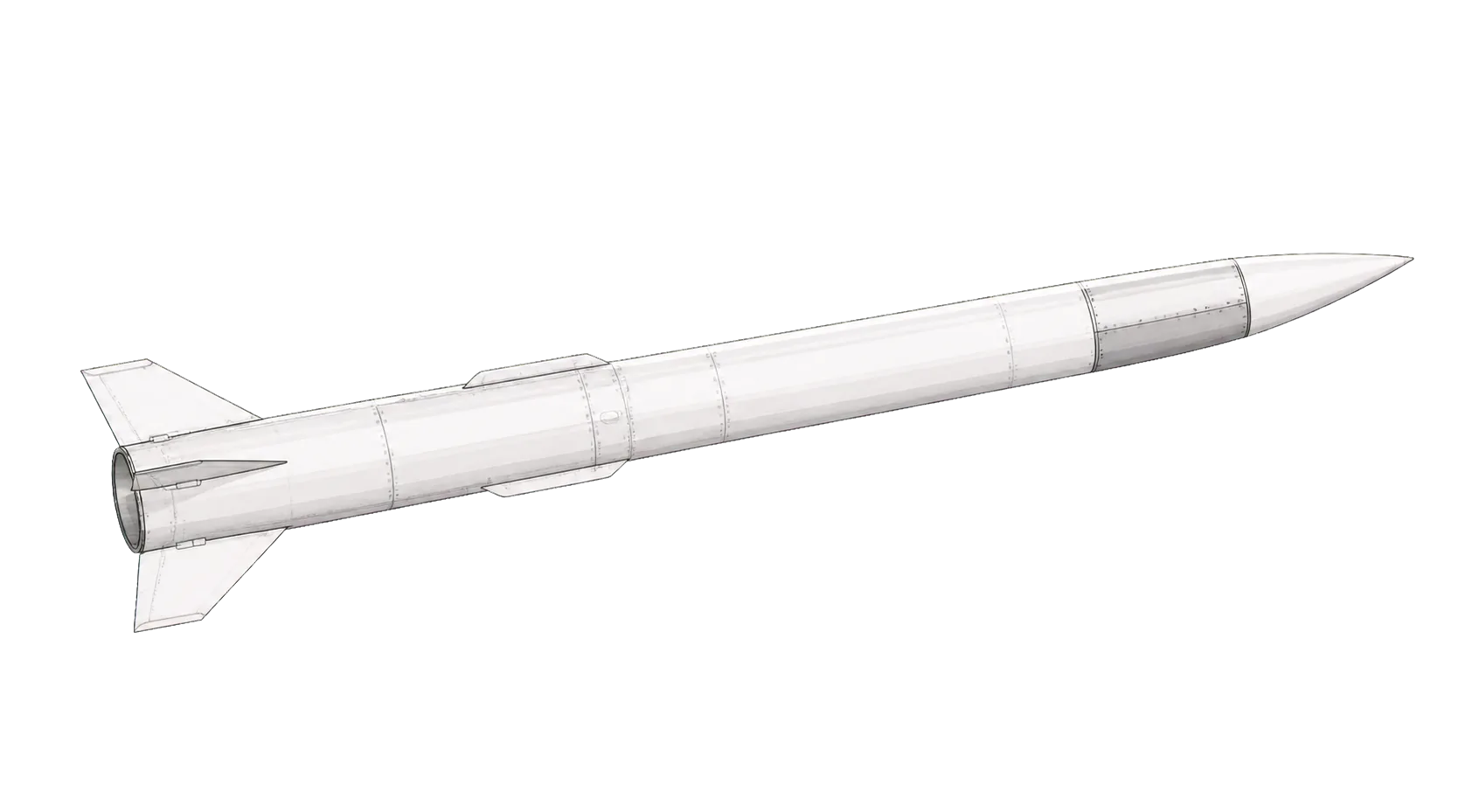
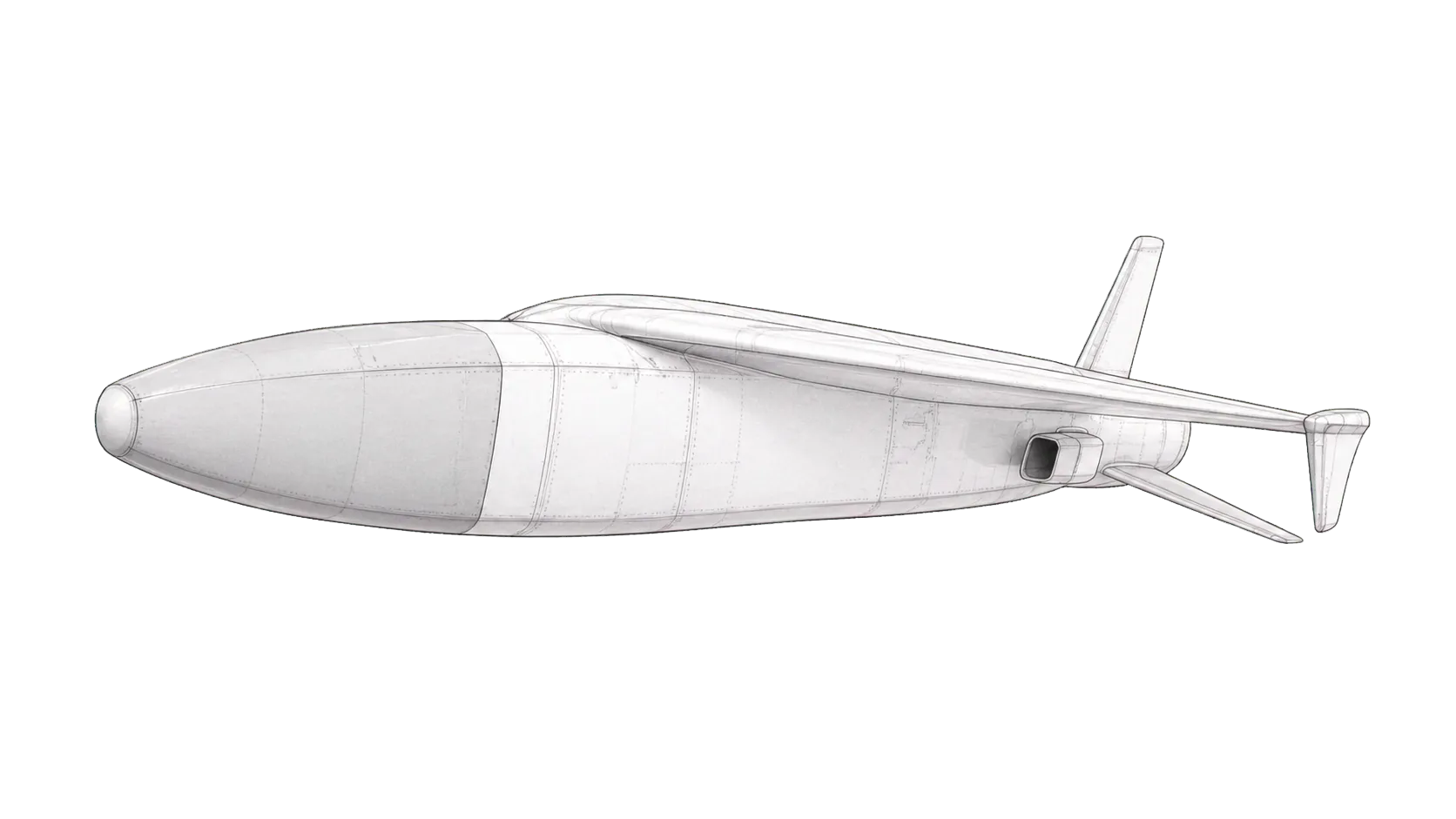
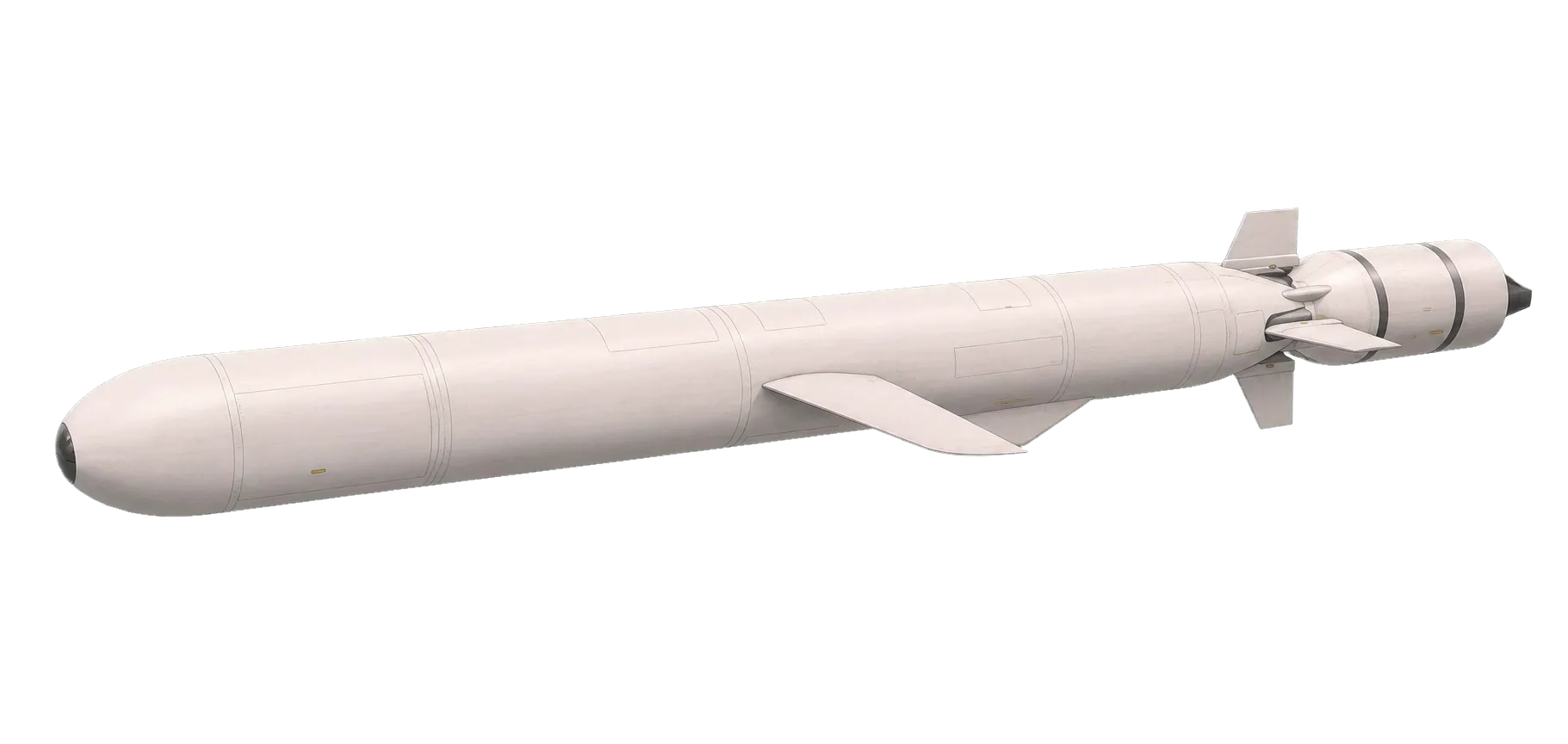
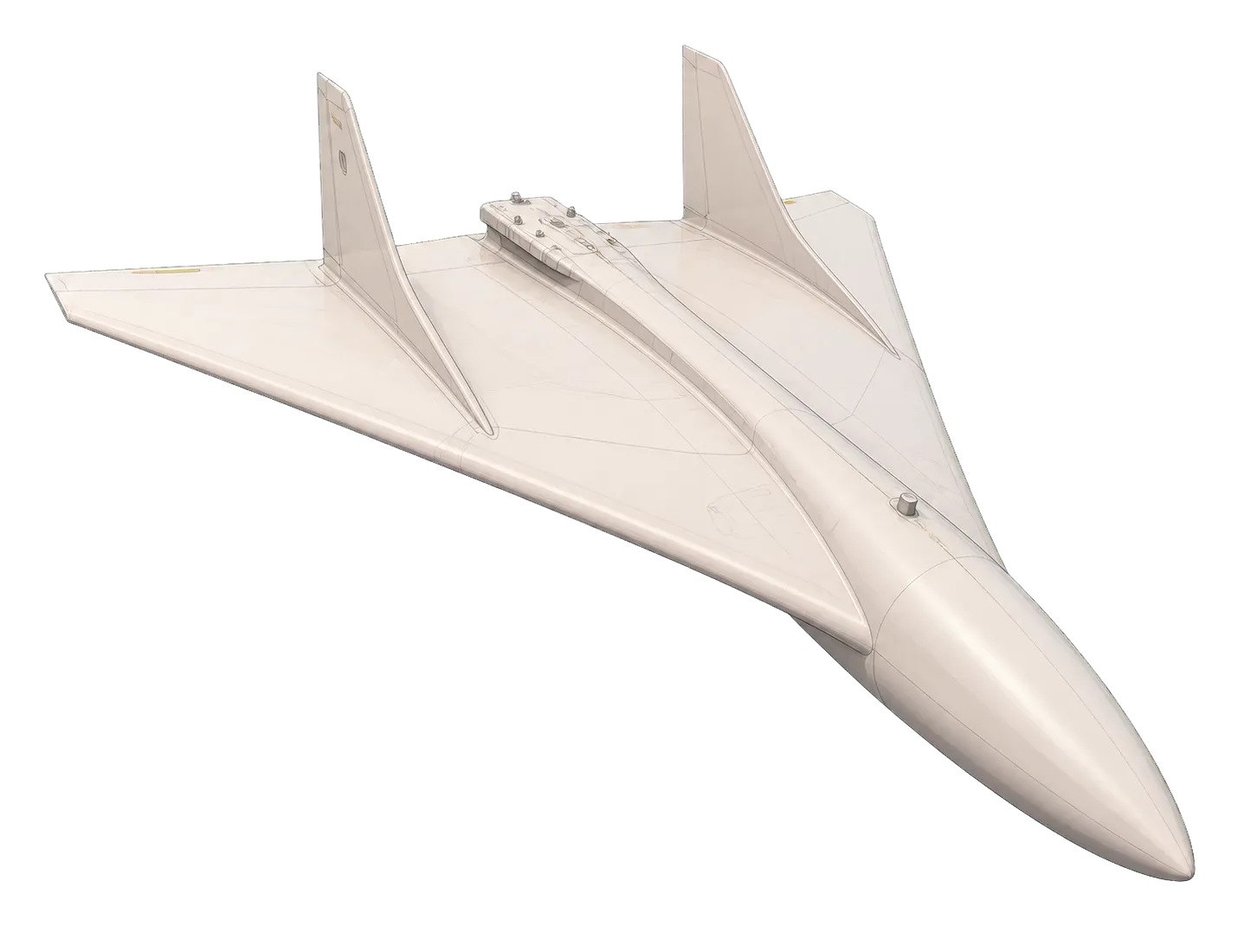
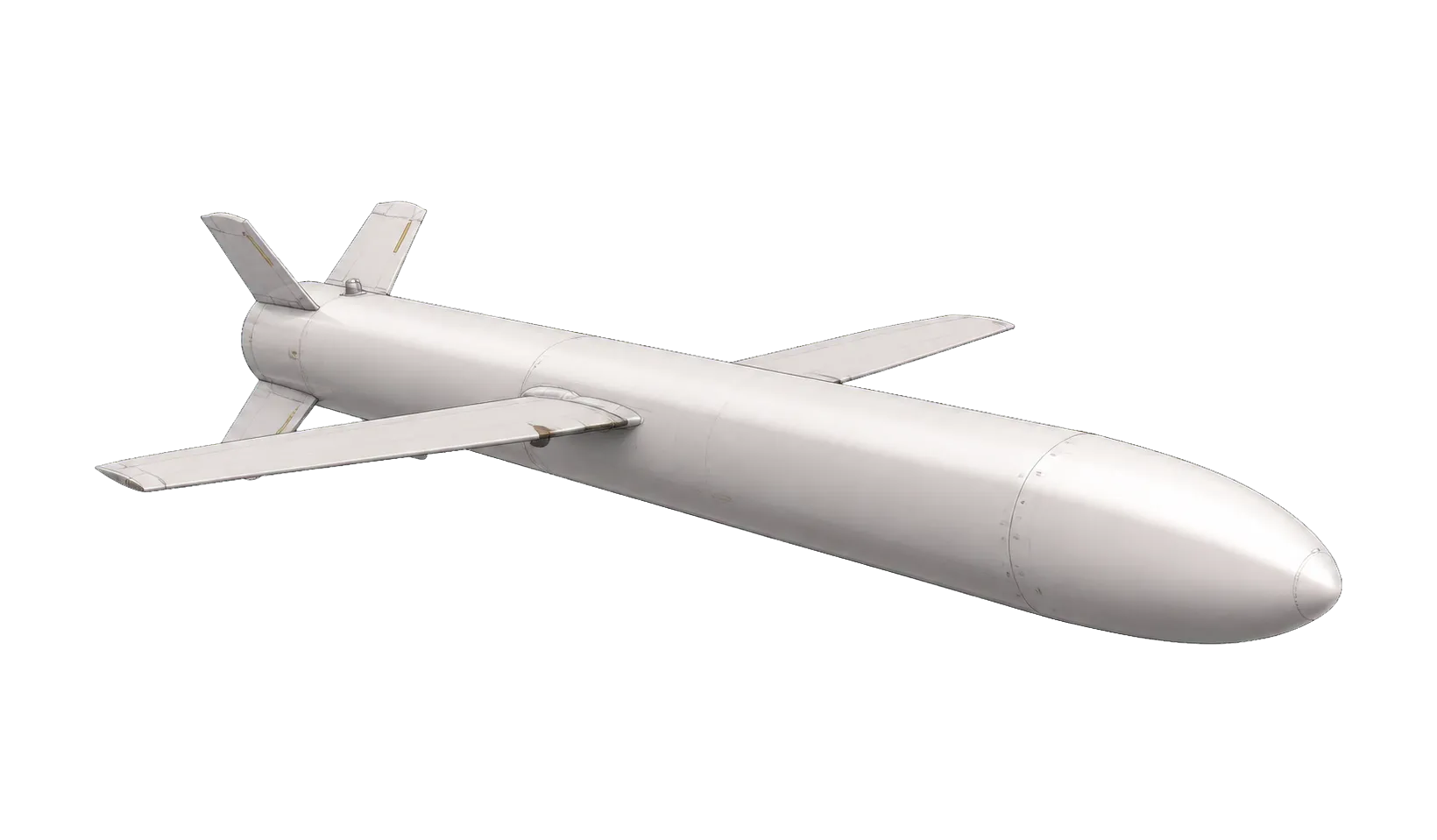
Gold technical illustration of the Barracuda-500M low-cost cruise missile and scaled production silhouettes
System 01 / 04Quwa · Emerging warfare file
Affordable mass · Scaled strike

Low-cost cruise missiles enter scaled production

Assess where low-cost propulsion, navigation, launch, and production capabilities create credible openings across expanding strike programs.

Read the supporting analysis
01Battlefield evidence
02Countermeasure
03Requirement formation
04OEM movement
05Market transfer

Know where to build, partner, and compete

Move from battlefield change to defensible product, partnership, and market-entry decisions.

01Choose the right domainSeparate durable demand from conflict-specific workarounds before committing capital or engineering capacity.
02Build to the requirementSee the range, cost, autonomy, resilience, production, and integration conditions buyers are beginning to demand.
03Benchmark the competitionTrack established and emerging OEMs from prototype and trial through production, operational use, and export.
04Enter the market earlierIdentify buyers, subsystem openings, local partners, and procurement pathways while requirements are still forming.

A decade of recorded judgment

The archive shows what Quwa saw coming.

01
Called early

The Pakistan Navy would need VLS

Published before the MILGEM contract. The Babur-class later emerged with a 12-cell vertical-launch system.

The Pakistan Navy in 2016 (and beyond) 12 min read · Read Brief ↗
02
Mapped the exit

India would return to Rafale

The FGFA exit redirected India’s fighter demand toward additional Rafales and a potential role in Europe’s FCAS pathway.

Analysis: India’s withdrawal from the FGFA program 11 min read · Read Brief ↗
03
Called early

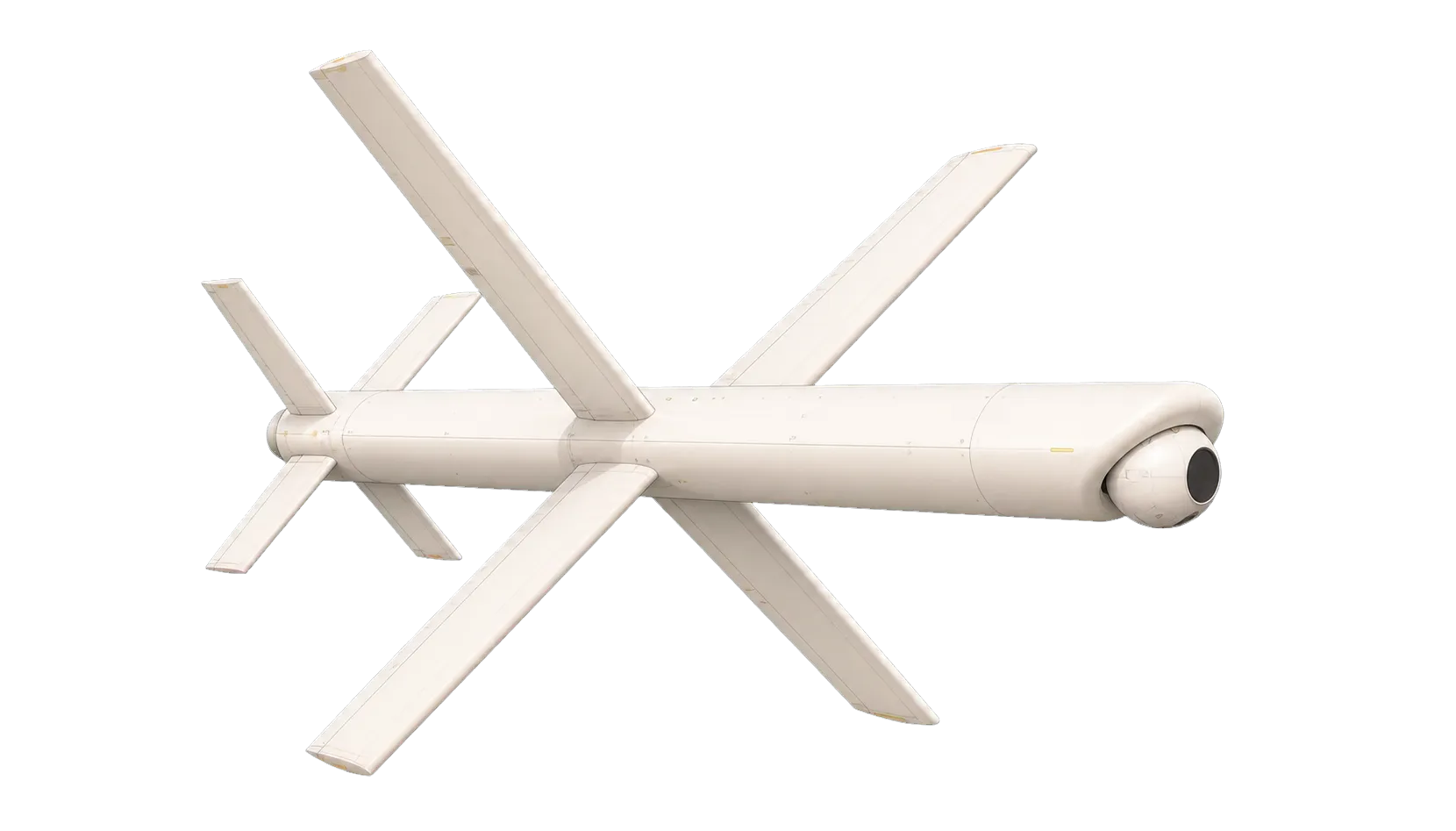
Loitering munitions would become mainstay weapons

Published before Russia’s full-scale invasion of Ukraine made expendable one-way strike a global priority.

New mainstay weapons: loitering munitions 7 min read · Read Brief ↗
04
Mapped dependency

Restrictions would deepen Pakistan’s China dependence

Mapped how blocked engines, supplier restrictions, price, and technology access would concentrate future procurement.

Pakistan intends to rely more on China for armaments 10 min read · Read Brief ↗
05
Mapped the stack

Airpower would become a networked area-denial system

Connected fighters, AEW&C, electronic warfare, ground-based air defence, munitions, and sustainment into one force-design thesis.

Report: Pakistan’s air warfare plans for the decade 53 min read · Read Report ↗
06
Tracked the pivot

Pakistan’s post-war strategy would look west

Explained why Washington, Gulf security, trade, and financing would pull Pakistani attention west after the May 2025 war.

Look west, not east: what Washington wants from Pakistan 11 min read · Read Brief ↗
07
Reconstructed the market

Vendor restrictions built a diversified drone fleet

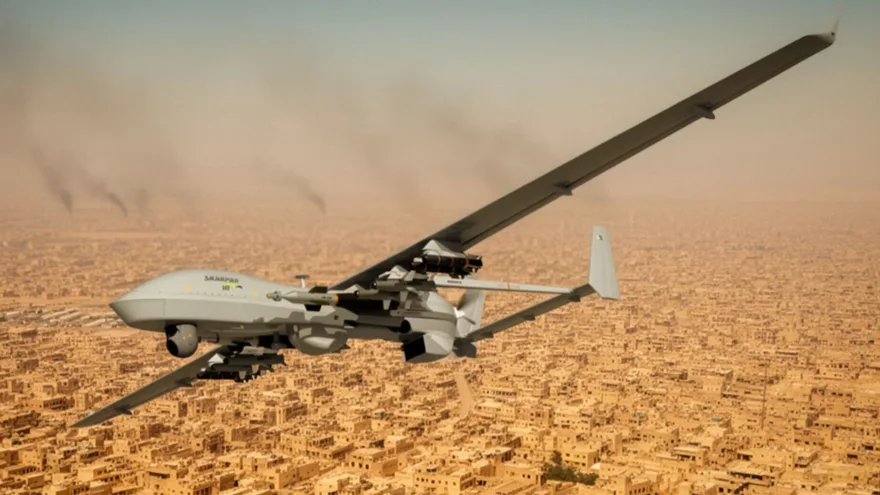
Reconstructed how European limits, Chinese access, Turkish hedging, and local control shaped the PAF portfolio.

Retrospective: PAF drone program (2007–2026) 17 min read · Read Report ↗
08
Identified the gap

Precision strike needs a faster information chain

Identified the missing links between Pakistan’s growing ISTAR stack and its expanding inventory of precision fires.

Demand tracker: Pakistan Army’s precision-fire network gap 24 min read · Read Report ↗
09
Followed the fleet

Surface procurement became an industrial pathway

Traces how F-22P, Type 054A/P, MILGEM, and Jinnah-class decisions built local shipbuilding and design capacity.

Retrospective: Pakistan Navy surface combatants (2007–2026) 28 min read · Read Report ↗
10
Mapped the next layer

Mass drones reset the air-defence requirement

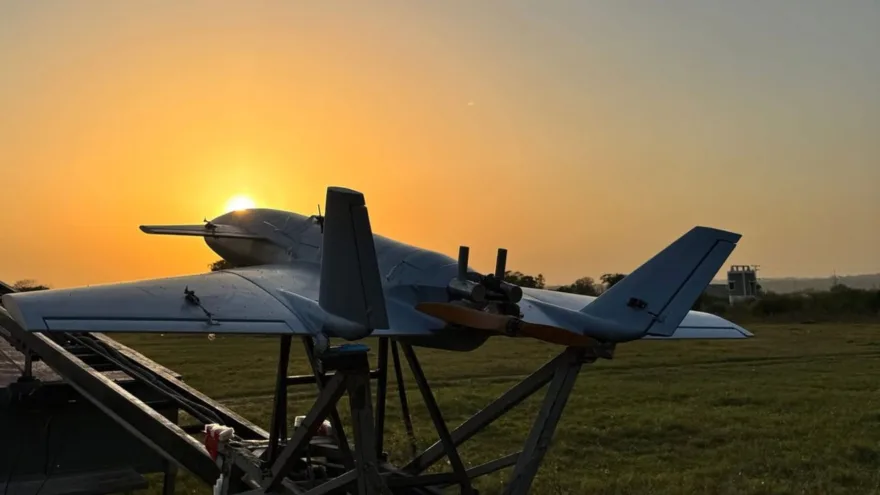
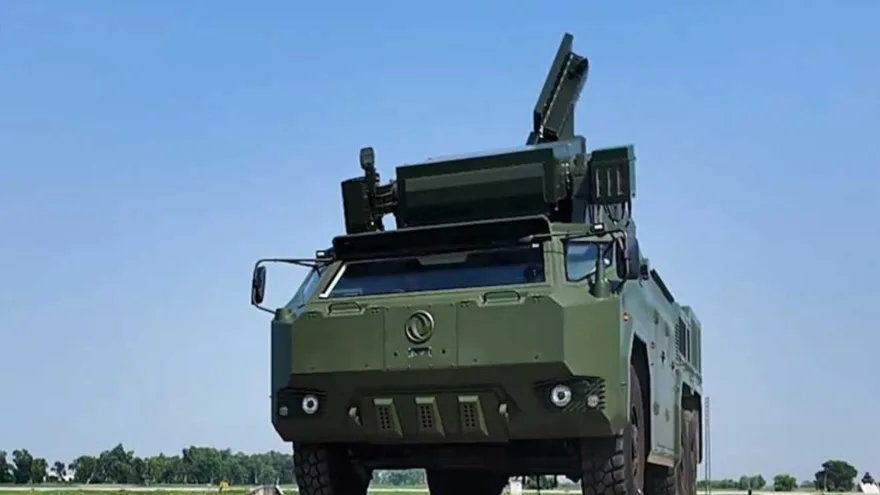
Mapped the Army’s layered build and the next demand for scalable, integrated counter-UAS across every range tier.

Retrospective: Pakistan Army air defence (2007–2026) 34 min read · Read Report ↗
11
Connected the network

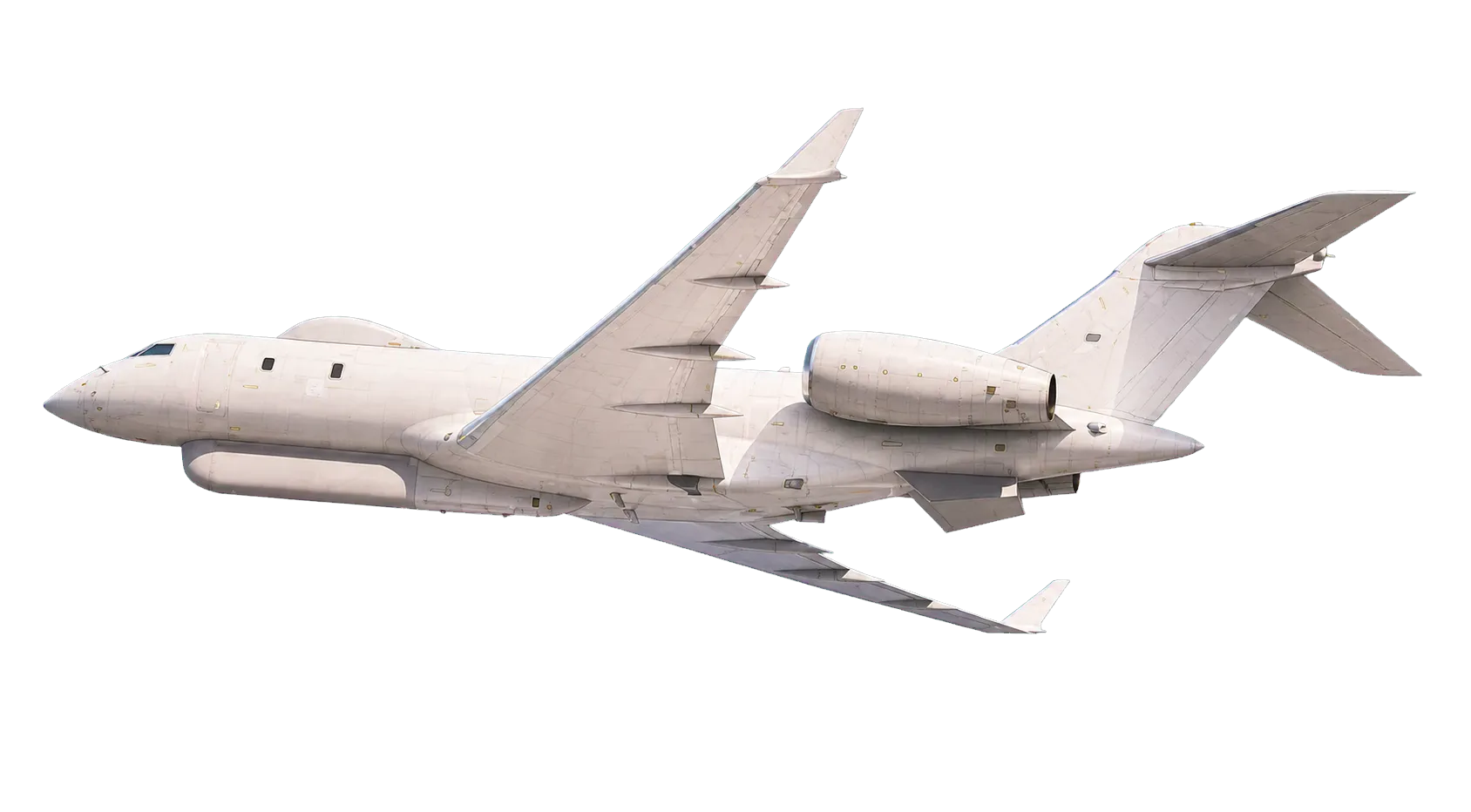
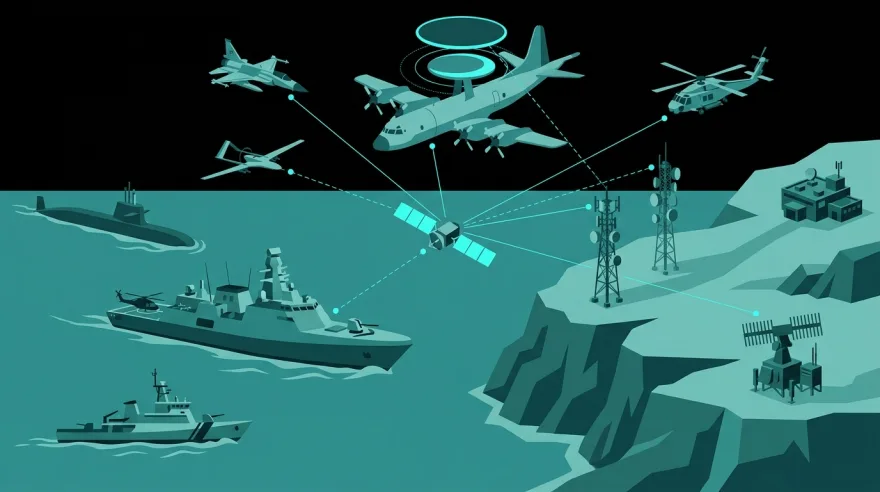
Special-mission aircraft form one combat architecture

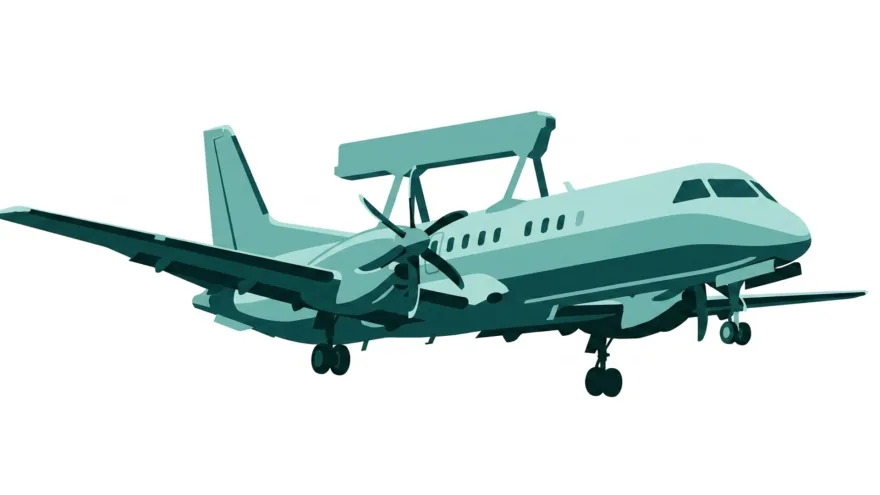
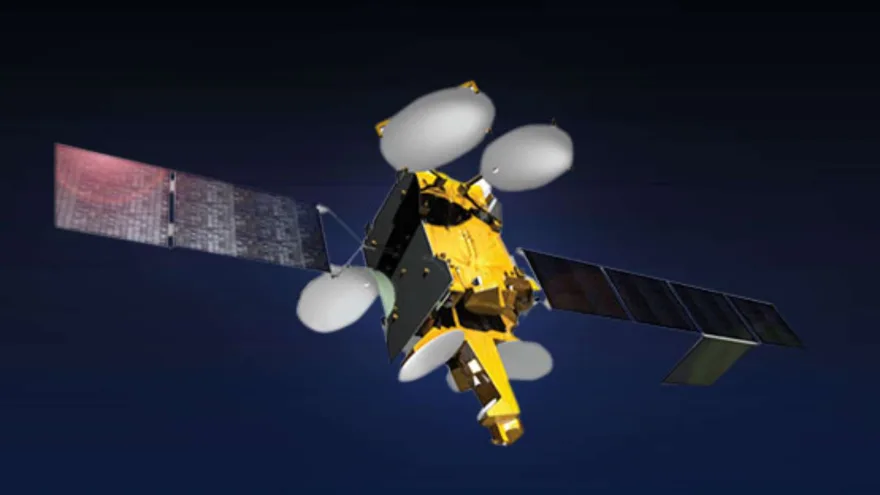
Connects Erieye, electronic warfare, ISR, fighters, ground radars, and data links across two decades of procurement.

Retrospective: PAF special mission aircraft (2007–2026) 32 min read · Read Report ↗
12
Forecast the cycle

The PAF’s next buying cycle starts before 2030

Translates F-16 life limits and future roles into the timing, alternatives, and supplier questions vendors need now.

The Pakistan Air Force’s next procurement cycle starts in 2030 12 min read · Read Brief ↗

Early access rate · Available through September 30, 2026

Secure the $149.99 loyalty rate before Market Intelligence pricing increases.

Standard annual price

$999.99USD / year

Effective October 1, 2026 for new subscriptions

Your loyalty price

$149.99USD / year

Keep this rate for the life of your active subscription

Subscribe by September 30, 2026. Your $149.99 USD annual rate will be honoured for as long as your subscription remains active. New subscriptions begin at $999.99 USD per year on October 1, 2026.

Everything included in your subscription

  • Everything in Quwa Plus
  • Reporting on active Pakistan Armed Forces requirements
  • Forecasting on emerging Pakistani military needs
  • Interviews with Pakistani defence-industry and retired Armed Forces professionals
  • Database of weapon systems, platforms, and inventoriesComing soon
  • Machine-readable database of 2,400+ archived research, official reports, RFPs/RFIs/tenders, and other documentationComing soon
  • MCP tools and connectors to your preferred AI for custom research and analysis on demandComing soon

Subscribe directly

Start Market Intelligence

Create your account at the $149.99 USD annual loyalty rate, locked for the life of your active subscription and inclusive of all future updates and platform additions. Complete the secure Stripe payment to begin.

$149.99USD annually
Sep 30Lock deadline
Annual rateLocked for life while active · Updates + platform additions included

Secure Stripe payment · SSL encrypted · Cancel anytime

Talk to Quwa

Learn more

Tell us what your team needs to monitor. We will confirm relevant coverage, explain the loyalty rate, and help you assess whether Market Intelligence fits your workflow.

CoverageConfirm fit
WorkflowDiscuss use
AccessPlan next step

No payment · Direct response from Quwa

Assisted onboarding

Request Market Intelligence access

Need an invoice, purchase-order support, or team onboarding? Send Quwa your work email and we will arrange access directly.

No payment today · Direct onboarding

Not ready? Start with Quwa’s free weekly brief.

A concise view of the Pakistani defence and security developments worth watching.