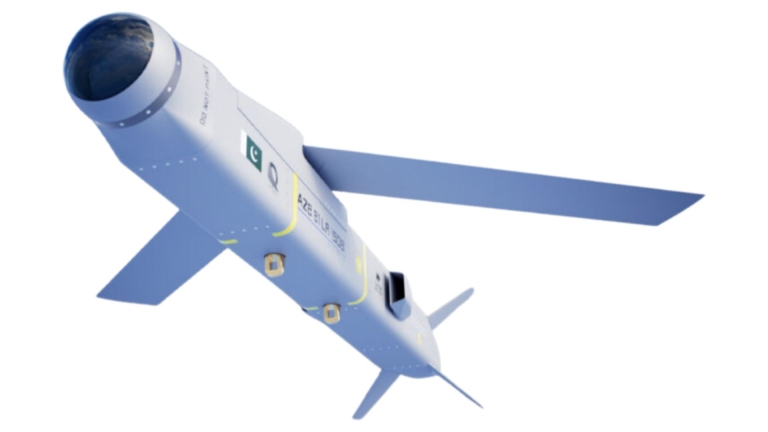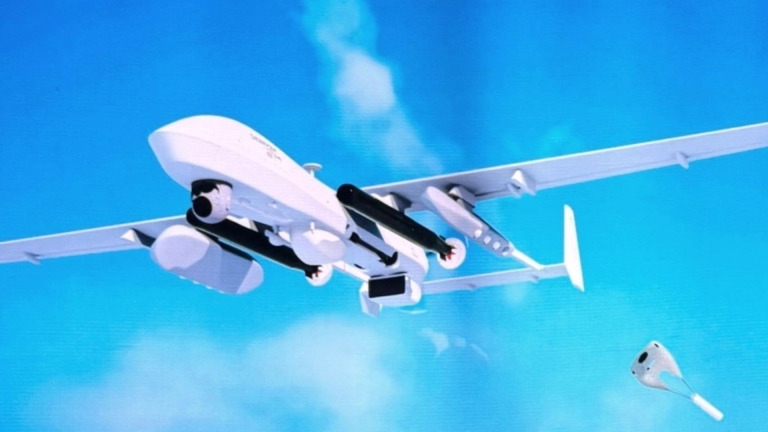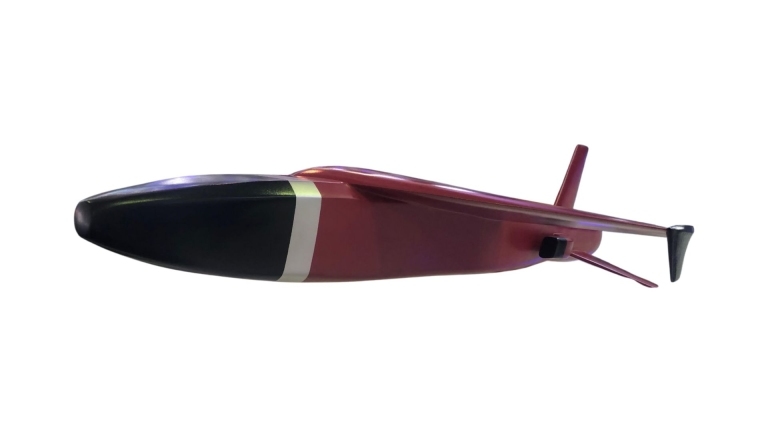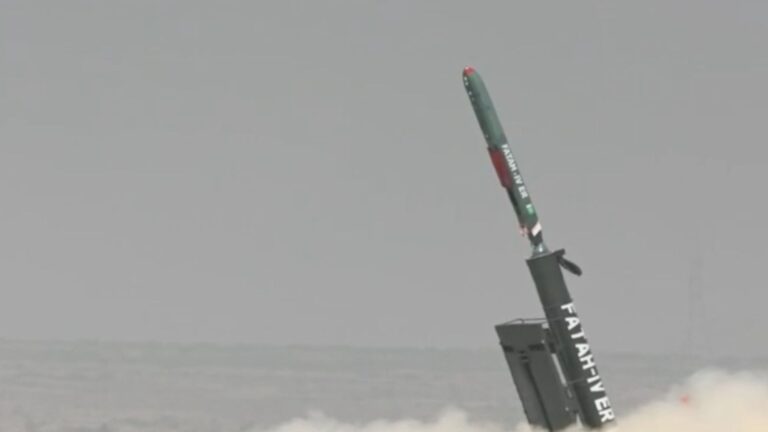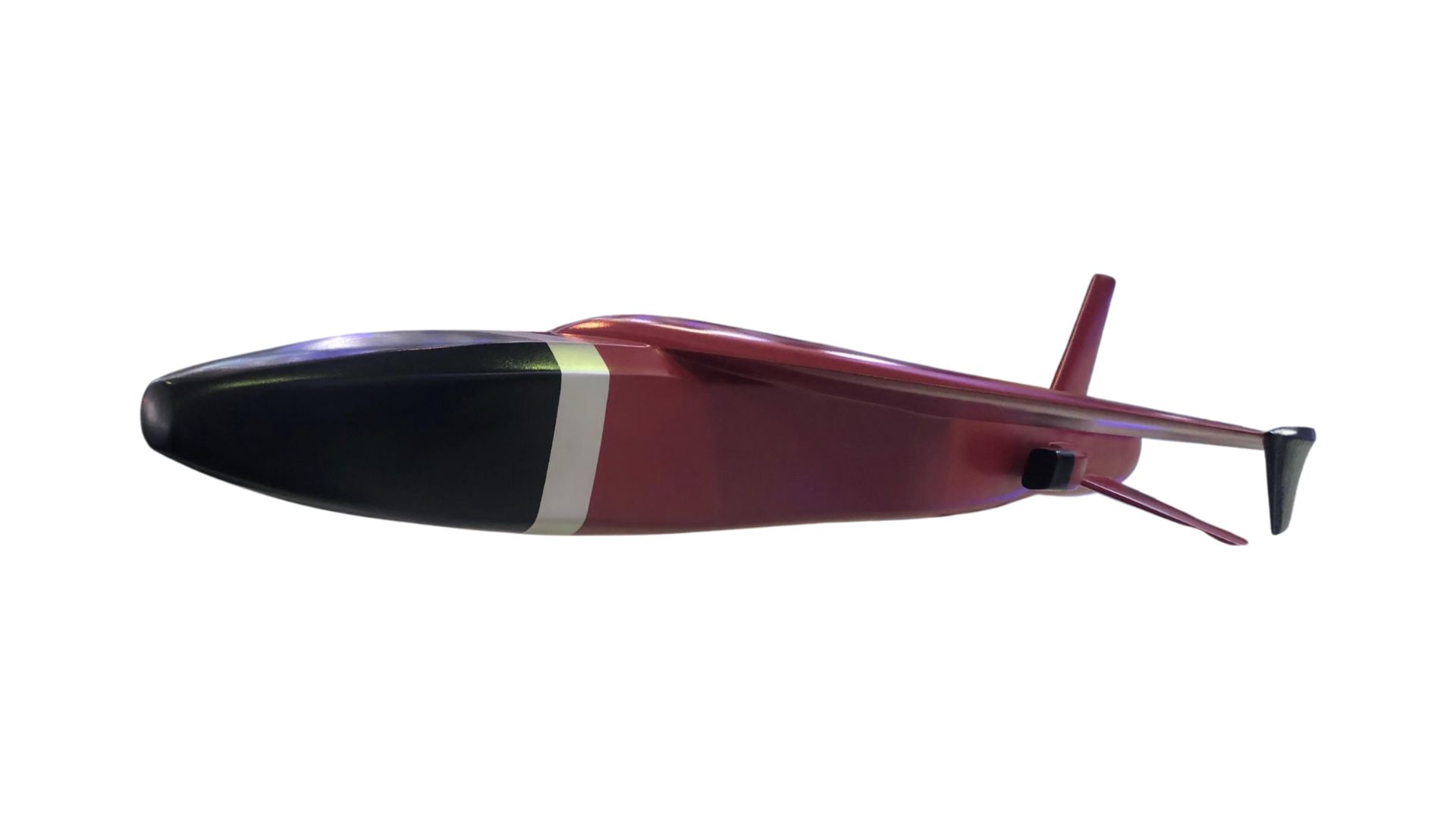

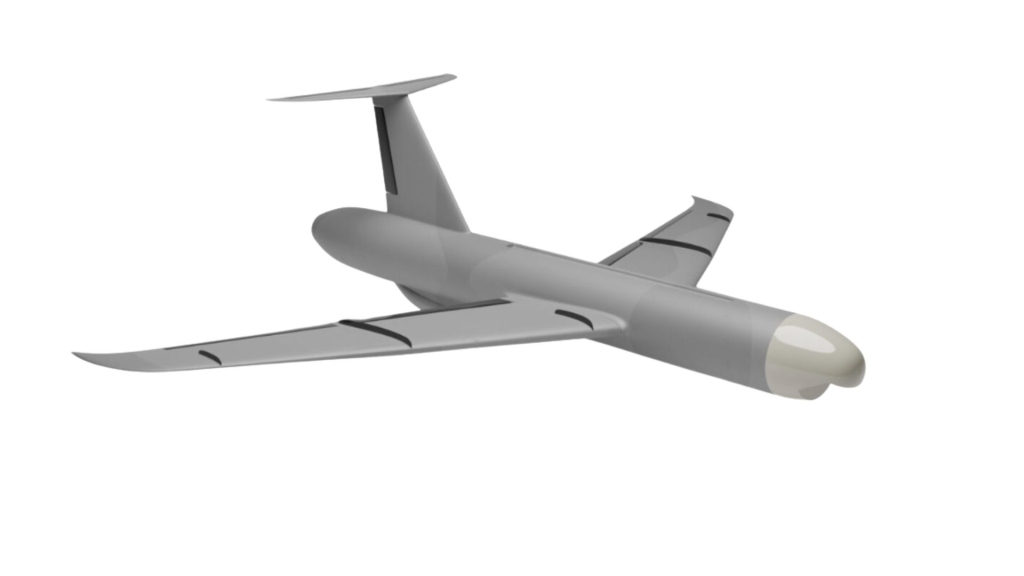
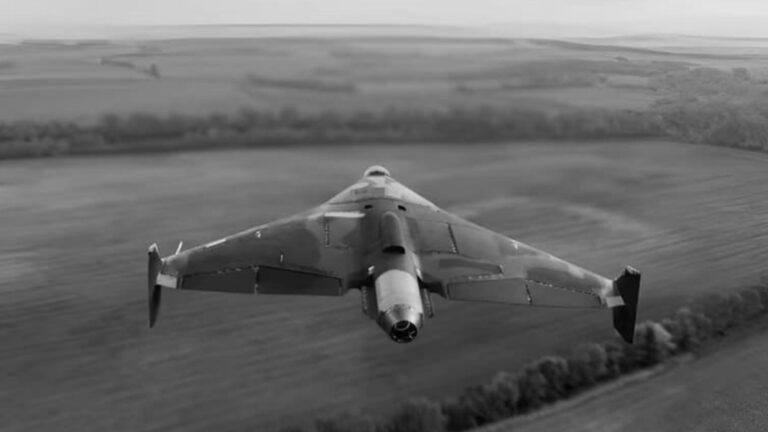
One can define a “One-Way Effector” (OWE) as essentially a jet-powered loitering munition, overlapping with more traditional fan/piston/prop-powered loitering munitions on one end, and the long-range, high-impact cruise missiles on the other. The driving thought of an OWE is to cross-leverage the advantages of scale, range, and speed to saturate enemy air defence systems with the threats that are too fast, too numerous, and, depending on how the OWE is designed, too small to detect early on radar.
Know What Defence Buyers in Will Need Next
See emerging requirements, likely suppliers, and routes to market across Pakistan, MENA, and fast-moving defence technologies, before demand becomes obvious.
An earlier Quwa piece explored the value of an OWE program; in short, countries facing robust, integrated air defence systems (IADS) are investing heavily in this concept. The Russians, in fact, have already developed a system of this type, namely the Geran-3, to help counter and degrade Ukraine’s multi-layered IADS. Granted, these OWEs cost much more than a propeller-driven loitering munition, but the reality is that the underlying approach is in its early stages.
Over time, the defence industry will generally develop suitable inputs (especially engines and aerostructure materials) that can better control costs. OWEs will not be ‘cheap,’ but for their intended purpose, which can potentially include a key suppression or destruction of enemy air defence (SEAD or DEAD) role against far costlier and more strategically vital IADS inputs (such as enemy long-range surface-to-air missile – or SAM – batteries and radars), they could be relatively low-cost solutions.
Operationally, Pakistan could integrate OWEs in multiple domains, such as single-precision strike munitions, a complementary layer in the Army Rocket Force Command (ARFC), a component of SEAD and DEAD led by Pakistan Air Force (PAF) fighter aircraft, munitions for unmanned surface vessels (USVs), and other areas.
Being miniature cruise missiles, OWEs are inherently versatile when equipped with effective guidance systems (e.g., high-fidelity map data and robust protection against communications jammers), ensuring that they successfully strike their targets. OWEs rely on precision as they carry much lighter warheads, lacking the benefit of explosive yield to offset their wider circular error probable (CEP) reach.
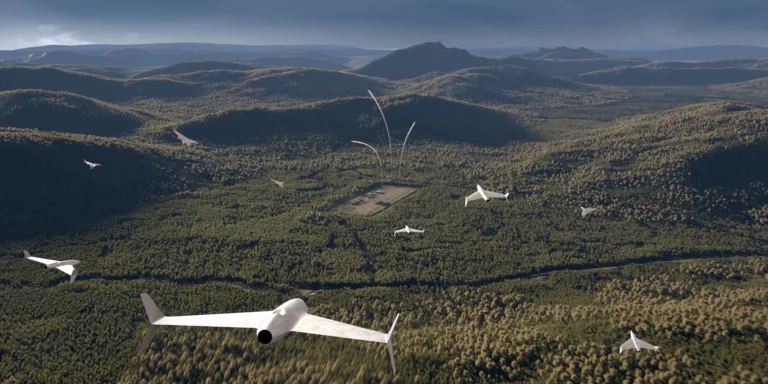
OWEs are small-sized subsonic cruise missiles, i.e.. These comparatively high-speed threats are difficult to detect early on radar and, due to their small size and scale (via swarming), relatively challenging to intercept. Besides targeting enemy systems, Pakistan can also use OWEs to force India’s IADS to expend its surface–to-air missile (SAM) and, in turn, create meaningful gaps for large missiles, like the Taimur or Fatah-series, to exploit. Of course, all this would be predicated on scale and whether Pakistan would field enough OWEs to support a genuinely threatening warfighting posture.
The intriguing aspect of Pakistan is that the country is, perhaps more unintentionally than systematically, developing systems that could, in theory, readily become OWEs. However, it doesn’t appear that a cohesive strategy is in place to integrate these systems for the OWE role. This is not necessarily an indictment, as, in fairness to Pakistan, OWEs are relatively new entrants in the munitions space, and currently, most major vendors (including MBDA) have only begun releasing concepts or announcing future products. Likewise, while it deployed the Geran-3 in Ukraine, the results have, thus far, been mixed. Cost is an issue, but Ukraine has also begun adapting to it by using electronic warfare (EW) to degrade the Geran-3’s guidance data links. That said, Russia will adapt to Ukraine’s moves and, potentially, work to make the Geran-3 a more independent and autonomous system.
Overall, both state-owned and private-sector Pakistani vendors have an opportunity to enter the OWE space ahead of adoption and, when the concept gets validated, be ready to absorb potential orders. The challenges, as discussed in the second half of this article, include the usual culprits: a lack of unified adoption planning by the armed forces and questions regarding production scalability.
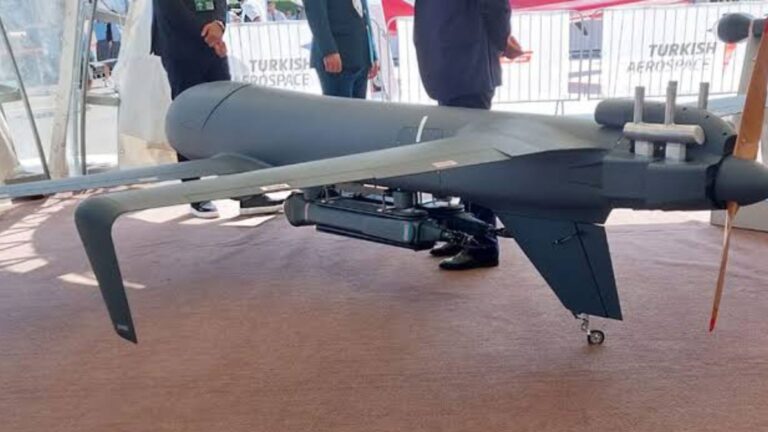
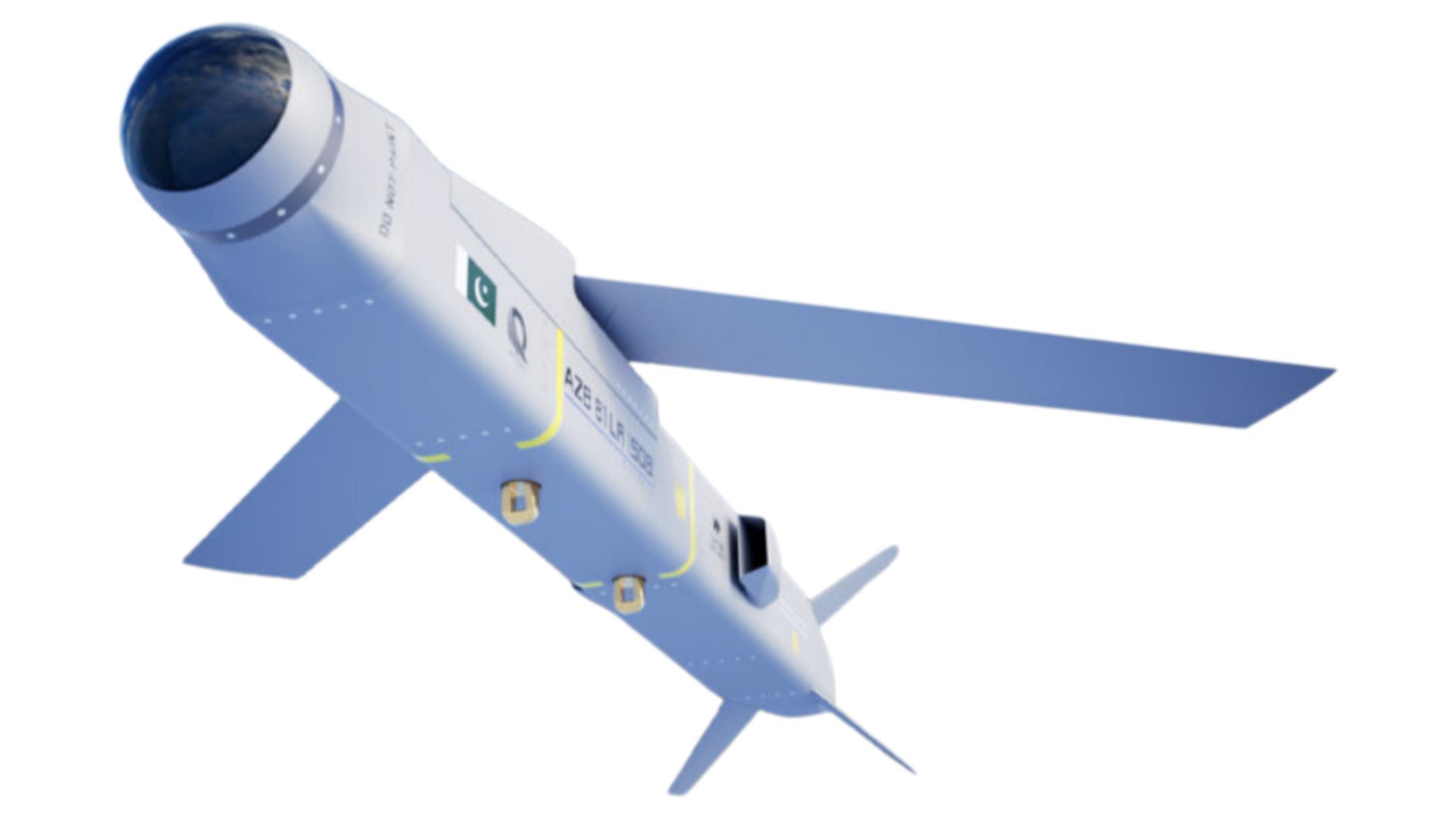
Through its cruise missile and high-speed target drone programs, the Pakistani defence industry – especially state-owned entities (SOE) like NESCOM – has the capacity to develop OWEs. The aforementioned examples represent the current crop of products that can meet the criteria of OWEs; however, undoubtedly, more designs can be created.
The issue for Pakistan is not the capacity to develop an OWE, but the absence of a coherent OWE strategy that ties requirements, industrial capacity building, and utilization together.
Related reading
Ambiguity in Intent
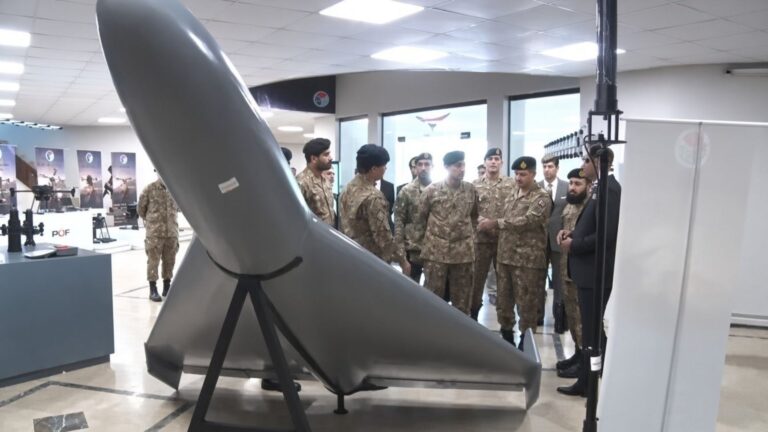
As noted earlier, Pakistan does not have an overt OWE requirement, but other preexisting requirements have seemingly resulted in at least three munitions that can be classified as OWEs.
Thus, the armed forces likely have not clearly categorized or defined OWEs, nor set clear-cut requirements surrounding them. One of the enduring realities of the Russia-Ukraine War is that many of the key warfighting experiences from that conflict are ultimately adopted as doctrine in other countries. One could see it from guided rockets to drones to loitering munitions and more; OWEs are no different.
However, in the absence of a coherent OWE strategy, Pakistan will be at risk of haphazardly pursuing these munitions once they are viewed as an integral warfighting element. More specifically, without defining clear strategies early, Pakistan will be at risk of importing OWEs at a premium price without involving its domestic industry to control costs, drive scale, and ultimately maintain supply-chain control. And, of course, it also loses the opportunity to lead in the OWE race, from both commercial and exportability standpoints.
Siloed Requirements
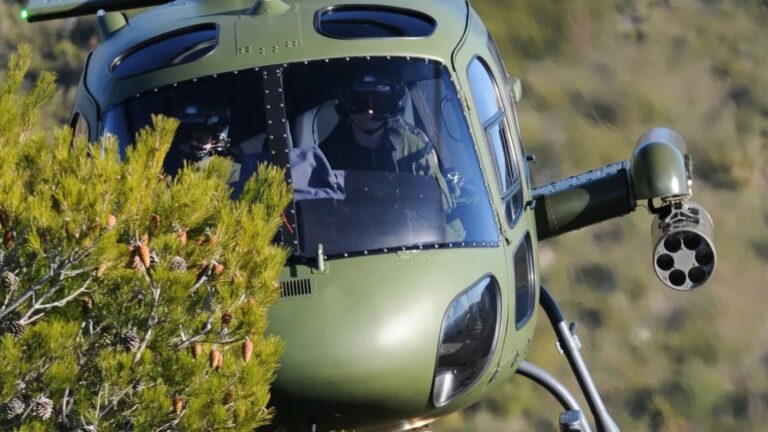
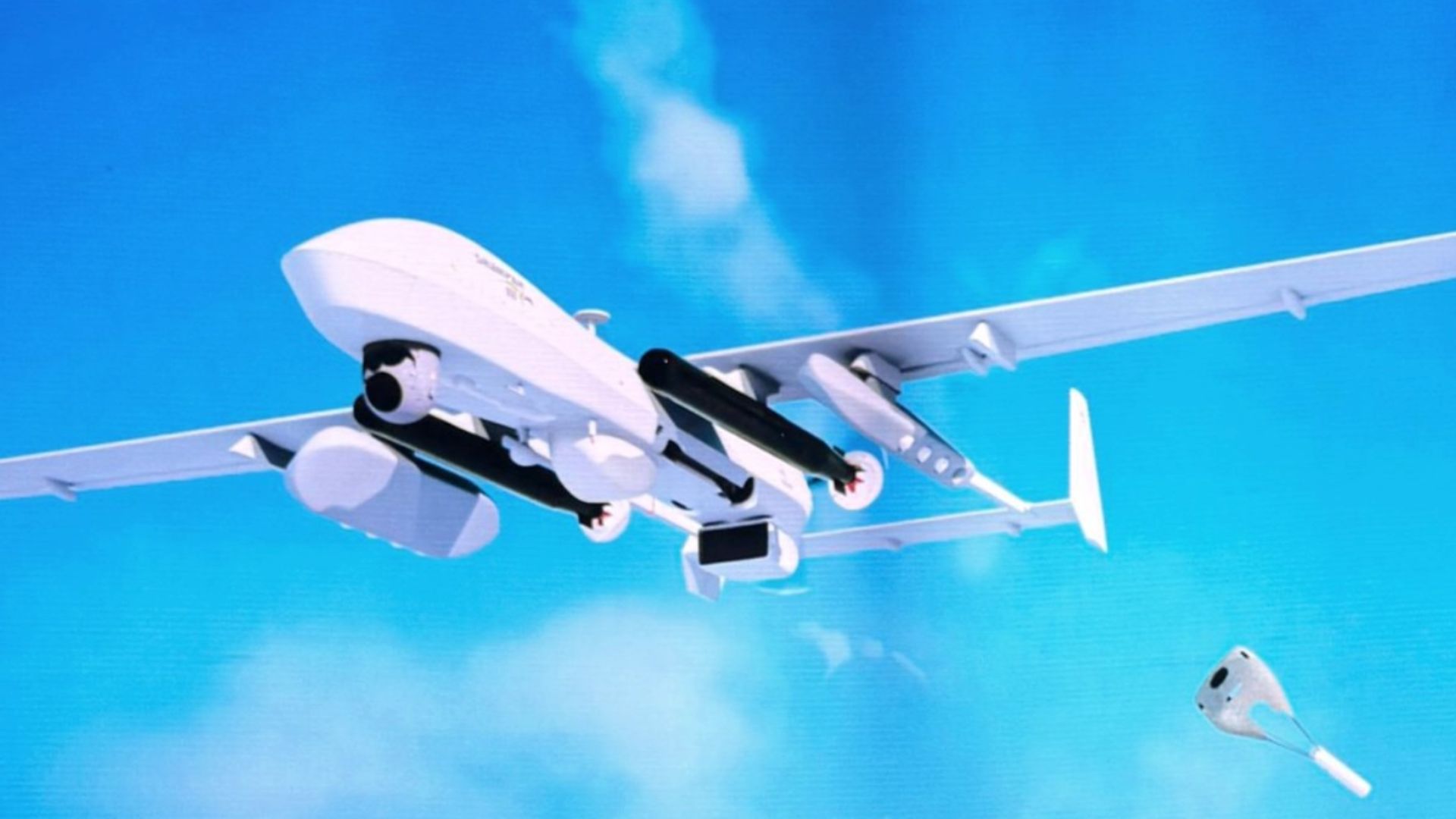
The development of numerous OWE-type munitions indicates that the armed forces require these solutions. However, the requirements had been set in isolation, resulting in potentially redundant or overlapping designs with near-similar weight, range, and endurance specifications on one end, and, interestingly, an apparent lack of key service-specific features. For example, it is unclear from the current solutions whether any could be launched verifiably from an aircraft for the PAF. Yes, it should be the case that the KaGeM V3 is compatible with drones like the Bayraktar Akıncı; however, the current marketing material suggests that the munition is intended to operate in a standalone fashion. Interestingly, the PAF has apparently inducted both the KaGeM V3 and Sarfarosh, which, although different, broadly fall into the same category of OWE, being surface-launched (albeit via various methods).
The risk with siloed requirement-setting is that each of the tri-service arms is inducting a distinct OWE munition that overlaps with a design that could already be in service with another arm. Once OWEs catch on as a ‘must-have’ munition (like prop-powered loitering munitions), Pakistan could be at risk of having many different types of munitions that broadly operate and perform the same. In turn, Pakistan will then lose the opportunity to push its resources forward towards developing new, higher-performing designs or munitions for niche needs as most would likely be spent provisioning urgent, but overlapping, needs.
Lack of Tri-Services Coordination
The correct approach would involve standardizing the baseline OWE features across the tri-services. For example, there should be only a single type of canisterized OWE across all arms (e.g., the Sarfarosh), with service-specific OWEs tailored for distinct needs (such as air-launched OWEs from fixed-wing and rotary-wing aircraft, or OWEs that can be launched from unmanned surface vessels, etc.). Moreover, efforts should be made to standardize specific key inputs, such as propulsion and guidance stacks, to streamline production.
As with loitering munitions and, arguably, even cruise missiles and guided rockets, a tri-service approach should be taken with OWEs. Ideally, this could have been one of the mandates of a genuine ‘Joint Services Office’ (JSO) entity that unifies the tri-services on common or overlapping domains, as opposed to the current Chief of Defence Staff (CDF) system, which emphasizes maintaining hierarchical control over genuine tri-services collaboration. There is an opportunity to align and synchronize the many individual requirements so that the demand for key inputs rises to the point that it justifies private sector investment in production. For example, if a single turbojet design is required to support over 1,000 munitions per year, that will drive the incentive to develop and build that engine domestically. The high cost of R&D will be amortized via a significant number of units, which will be produced over decades.
The irony of Pakistan’s situation is that, despite vesting fiscal, industrial, and decision-making authority within the military, there appears to be a relative lack of efficiency in terms of shared inputs, joint spending on industry entities, and defence industry leadership to drive these goals. Thus, Pakistan repeatedly ends up in a situation where it will, on one hand, have a promising indigenous drone program in Shahpar, but, at the same time, continuously import Chinese and Turkish drones.
Production Constraints
As with Pakistan’s other munitions programs, the inability to scale up production and achieve high output volumes is a constraint. Likewise, as discussed in earlier Quwa articles, the private sector will be needed to break this bottleneck. Even though Pakistan can opt to spend more on its SOEs, the added production infrastructure will become an overhead with fixed wage/salary, pension, and facility commitments. These costs will eat into the armed forces’ long-term ability to procure new systems or even invest more in R&D. One should not underestimate the weight of pension commitments; Pakistan will spend $2.63 billion USD in this fiscal year (2025-2026) on armed forces pensions. In other words, the more SOEs are forced to grow, the greater these long-term outlays will be and, in turn, will force suboptimal trade-offs.
That said, as with its other munitions requirements, Pakistan will likely focus on expanding final assembly first (via SOE and, possibly, some private sector players). The following step would be to buy the critical inputs in bulk from China, ideally to cover several years of production so that (1) Pakistani solutions are relatively price-protected once the demand for these inputs rises with additional Russian and, potentially, other countries’ procurements and (2) a stockpile exists within Pakistan to ensure that production is uninterrupted. During these years, Pakistan should take on the task of indigenizing inputs where possible, so that the domestic industry plays a larger role in the supply chain.
Quwa Pro – Defence Market Intelligence
See Where Defence Demand and Technology Are Moving Next
Track procurement priorities across Pakistan, the Gulf and wider MENA, and Central Europe. Follow emerging vendors, drones, AI, C-UAS, and affordable precision weapons, and see how lessons from today’s conflicts are reshaping military requirements and market opportunities.
Featured & Trusted By