Youtube
X-twitter
Linkedin
Spotify
Rss
Get access to this article and all other Quwa content today.
Click Here
Loitering Munition Doctrines and Technologies Are Evolving
Modern, integrated air defence environments are dense, lethal, and increasingly networked, necessitating new methods for penetration and saturation. The core challenge is no longer about defeating a single radar or missile battery but about overwhelming an entire system.
High-speed effectors are crucial for achieving this. They serve to exhaust an adversary’s finite inventory of high-end interceptor munitions against a wave of lower-cost threats. This creates a favourable cost-exchange ratio for the attacker and, in the process, forces the defender’s sensors to reveal their positions and capabilities, paving the way for follow-on strikes by more valuable, crewed assets.
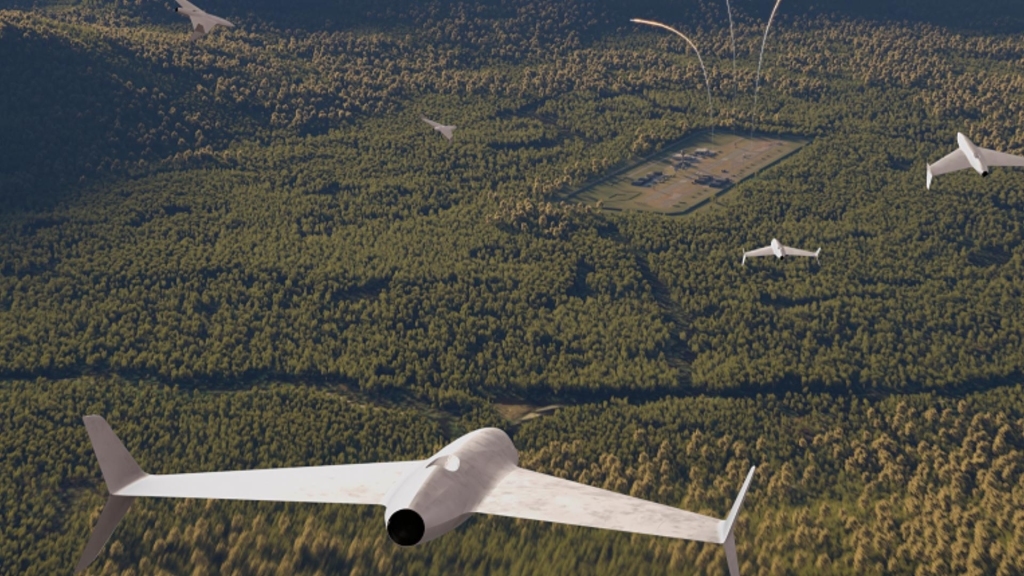
A prime example of this philosophy is the “One-Way Effector” (OWE), a concept being developed by European defence OEM MBDA. The MBDA OWE is a ground-launched, jet-powered attack drone engineered specifically to overwhelm or exhaust enemy air defence systems in a high-intensity conflict. Its core mission is to be launched in coordinated salvos, forcing adversaries to expend critical and expensive resources – such as interceptor missiles and radar time – while simultaneously unmasking the architecture of their air defence network for subsequent neutralization.
Quwa Plus
Go Beyond the Headlines on Pakistan’s Defence and Security.
Quwa Plus gives you deeper reporting, briefings, and analysis on Pakistan’s defence programs, foreign policy, national security, and regional strategy. Follow the developments that matter to professionals, analysts, and serious readers tracking Pakistan’s security landscape.
Join ($29.99/Year) Already a subscriber?Sign in