The Pakistan Air Force (PAF) Chief of Air Staff (CAS), Air Chief Marshal (ACM) Zaheer Ahmed Babar Sidhu, visited Türkiye in May 2026 at an official invitation.
During the trip, the CAS met with Turkish Defence Minister Yasar Güler, Turkish Air Force Commander General Ziya Cemal Kadioglu, and Baykar Technologies Group Chairman Selçuk Bayraktar.
The Directorate General of Public Relations (DGPR) stated that the meeting with Bayraktar “focused on advancements in aerospace innovation, unmanned aerial systems, and emerging technologies.”
Notably, among all Turkish defence original equipment manufacturers (OEMs), the CAS met only with Baykar. He did not visit Turkish Aerospace Industries (TAI), Aselsan, Roketsan, or any other firm.
The selective nature of the visit raises an interesting question: why has Baykar, a private-sector drone manufacturer, emerged as the PAF’s preferred Turkish aerospace partner, especially given that TAI maintains a deeper institutional relationship with Ankara, a broader product catalogue comprising of drones and crewed platforms alike, and its own subsidiary in Pakistan?
Modest Procurements, Strong Ambitions
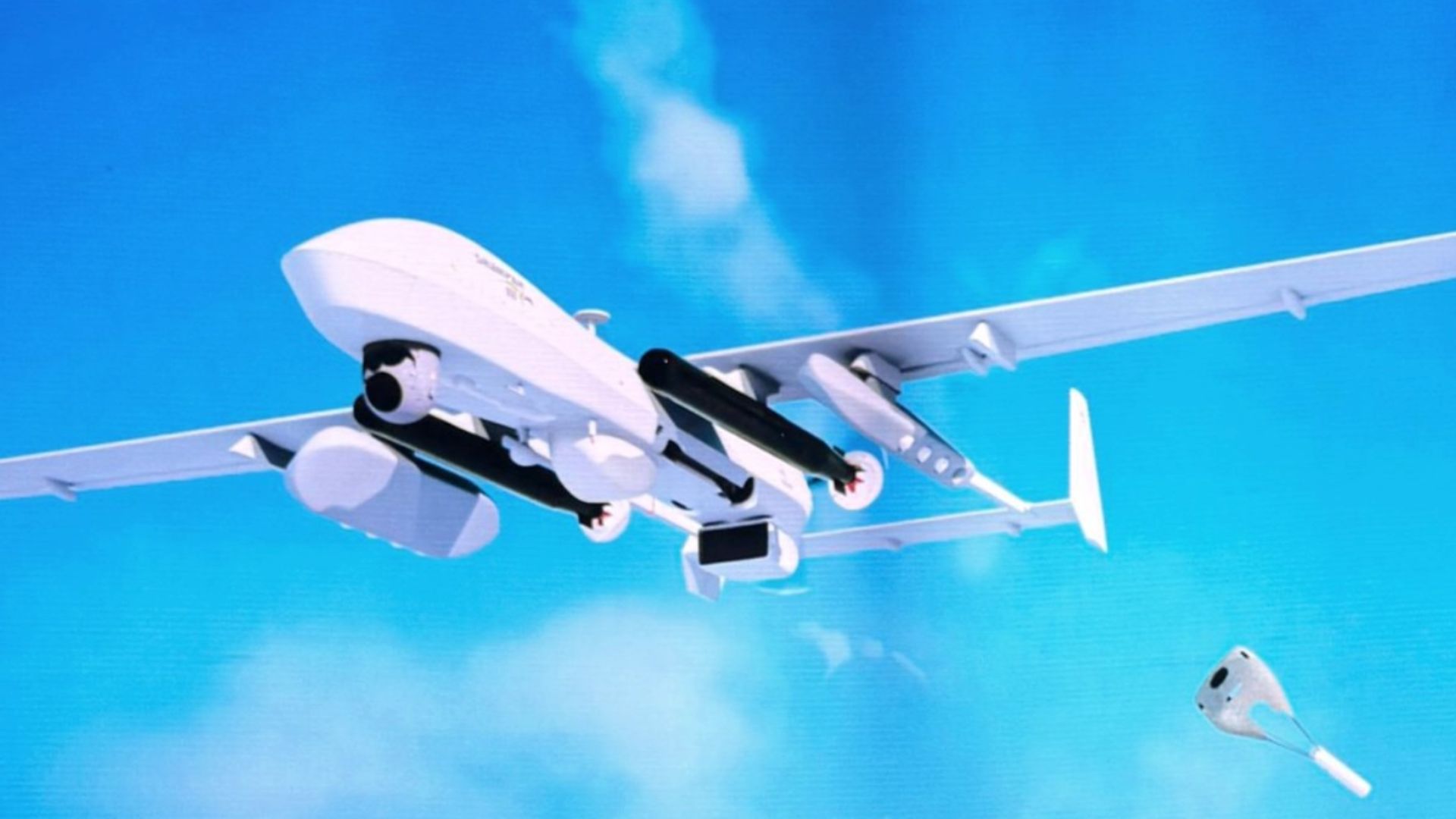
The PAF’s relationship with Baykar began with modest but meaningful procurements. By April 2022, the PAF had fielded four Bayraktar TB2 medium-altitude long-endurance (MALE) unmanned combat aerial vehicles (UCAVs) at Murid alongside two ground control station (GCS) sets.
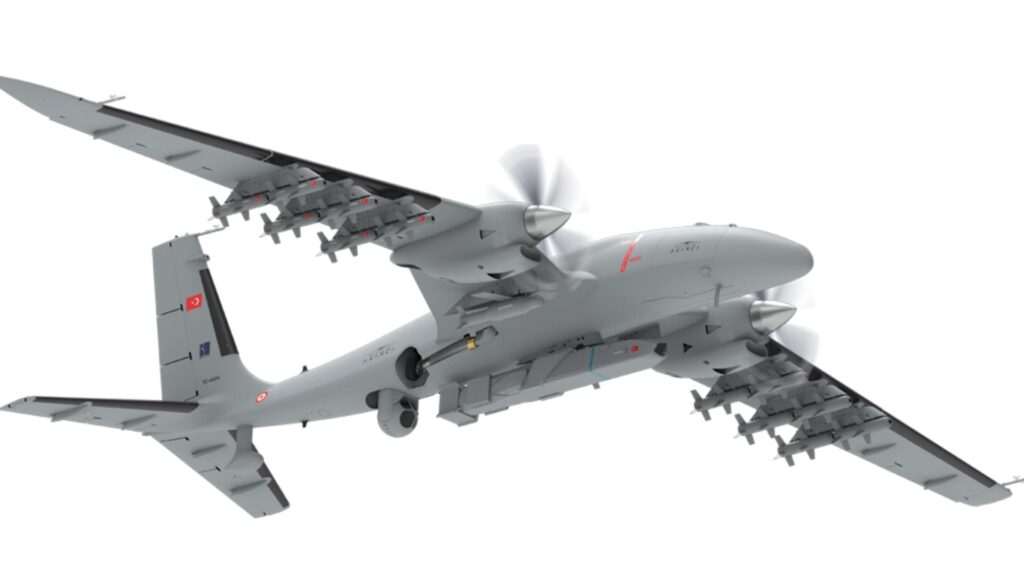
The Bayraktar Akıncı-B followed in 2022–2023, giving the PAF its first twin-engine heavy MALE platform. Quwa estimates the current Akıncı fleet at two to four units, a small number but consistent with the PAF’s pattern of inducting new aircraft with the expectation of procuring them in larger numbers over time.
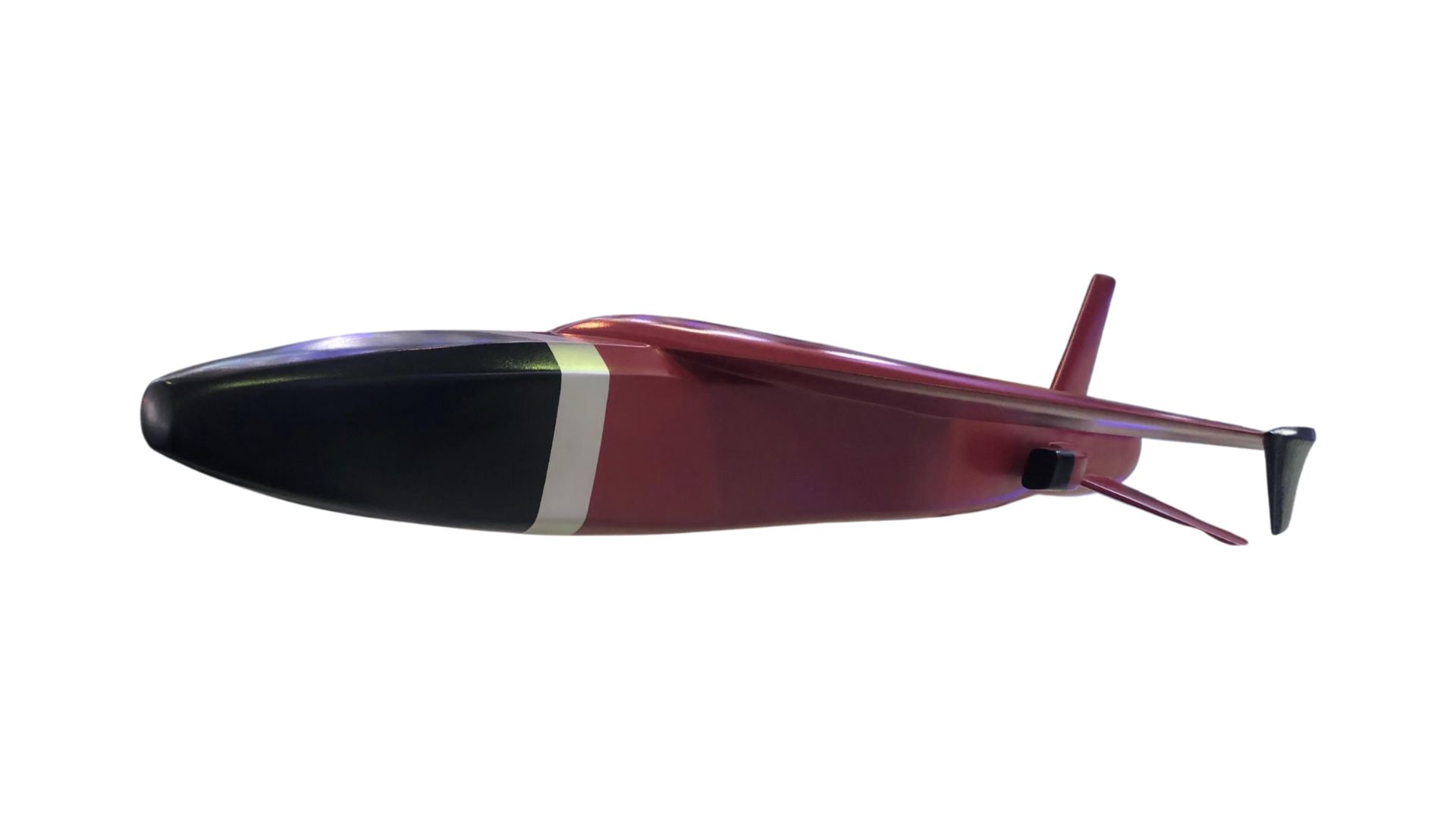
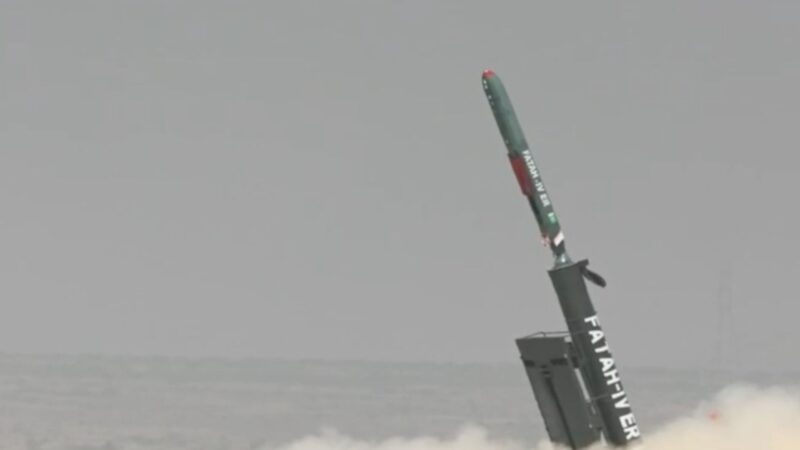
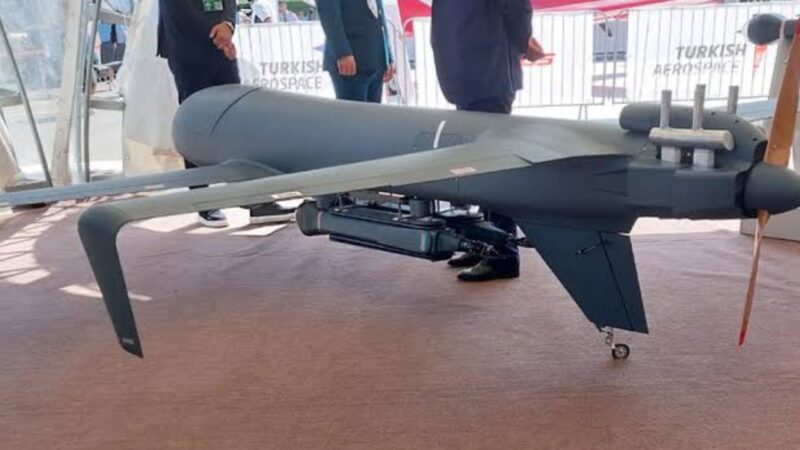
What is interesting about these procurements is not so much the platforms themselves, but what they led to. On the back of the TB2 and Akıncı purchases, Baykar set up a site at the National Aerospace Science and Technology Park (NASTP) and co-developed two original products with PAF entities: the KaGeM V3 miniature turbojet-powered air-launched cruise missile (ALCM) and loitering munition, and the YiHA loitering munition series. Neither product was part of Baykar’s existing catalogue; both were designed around PAF requirements.
The relationship then shifted structurally.
Baykar wound down its embedded presence at NASTP and established Baykar Technologies Pakistan (baykartech.pk) as a direct subsidiary to engage Air Headquarters (AHQ) and the wider Pakistani drone and loitering munitions market. On 5 December 2025, Bloomberg reported that Türkiye and Pakistan were in talks to establish a drone assembly plant, with discussions having “advanced significantly.” Bloomberg specifically mentioned “stealth” drones, a reference that could only point to the Bayraktar Kızılelma.
Baykar Technologies Pakistan has since been on a hiring spree for engineers, suggesting in-country development and production rather than final assembly alone.
The CAS’s May 2026 visit to Baykar and the deliberate exclusion of other Turkish OEMs from his schedule are the most recent indicators of where this relationship is heading.
Quwa Pro
See Where Emerging Defence Markets are Moving
Quwa Pro goes beyond tracking programs and equipment by explaining the policies, incentives, industry dynamics, and competitive pressures shaping South Asia's defence markets.

Subscribe Already a subscriber?Sign in