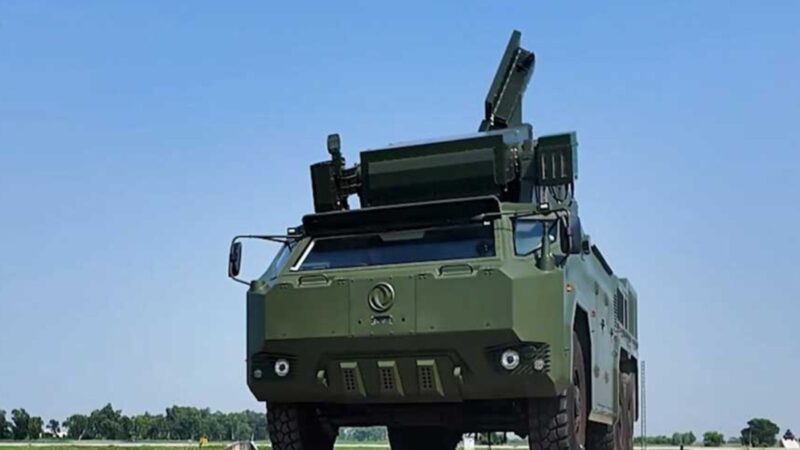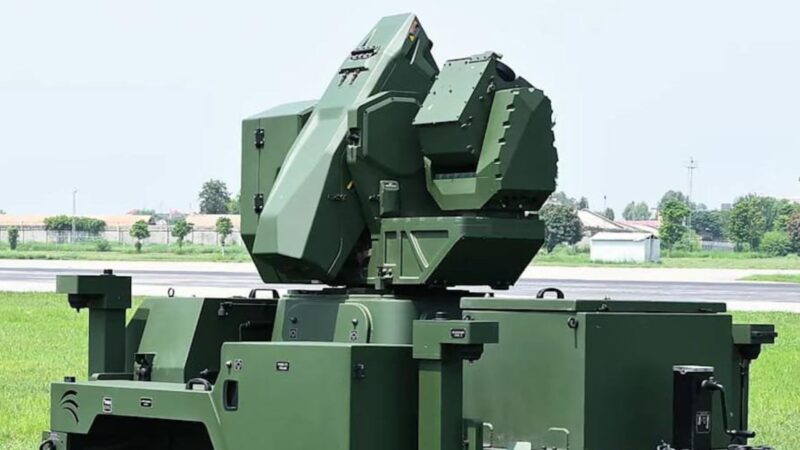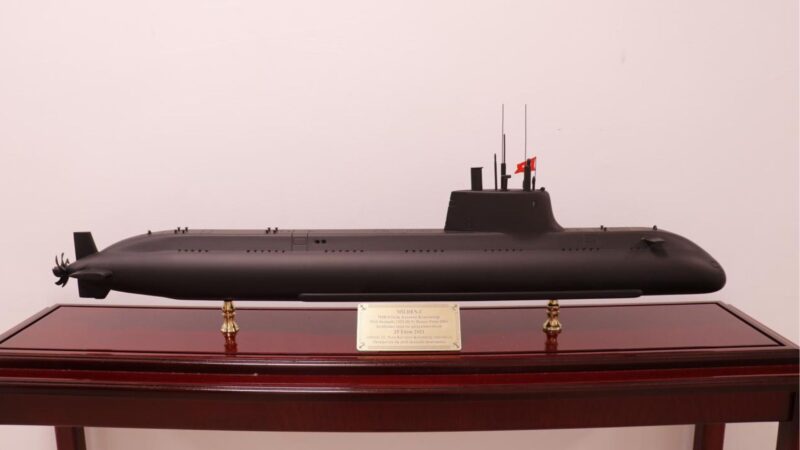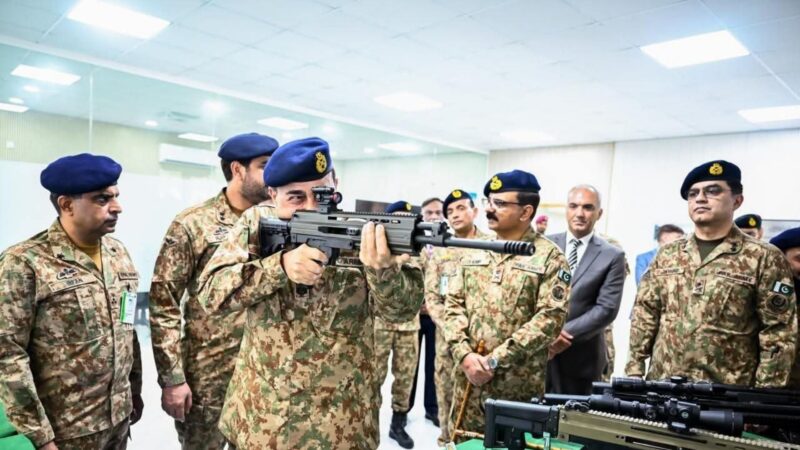

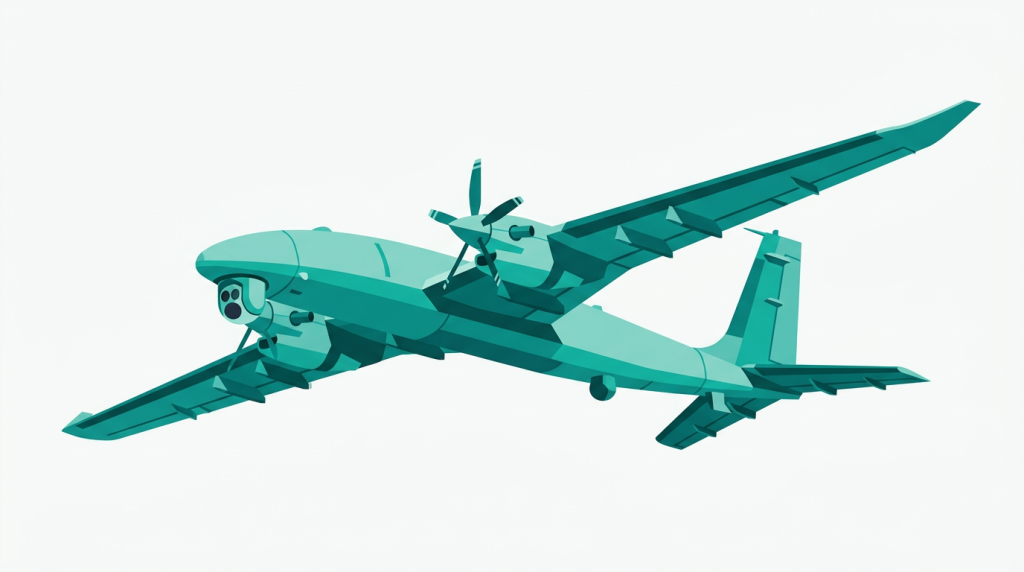
Between 2007 and 2026, the Pakistan Air Force (PAF) built one of South Asia’s most diversified unmanned fleets – spanning Chinese, Turkish, and domestically produced platforms across ISR, armed overwatch, expendable strike, and emerging autonomous functions. This portfolio was not the product of a unified strategy. It emerged through successive vendor availabilities: European platforms established initial operational practice, Chinese OEMs opened the armed-drone aperture when Leonardo imposed weapons-integration restrictions on the Falco, and Turkish systems enabled supply-chain hedging through ITAR-free sourcing – with talks now underway between Baykar and the PAF over domestic assembly. The result is a three-tier industrial base model that reduces vendor lock-in risk whilst leveraging Ankara–Beijing competitive dynamics on pricing and technology transfer.
Beneath the platform acquisitions, a deeper institutional pattern is taking shape. Air Headquarters (AHQ) has demonstrated a consistent preference to maintain in-house ownership of drone programmes through PAF-controlled entities – chiefly the National Aerospace Science and Technology Park (NASTP), which developed the KaGeM V3 loitering munition and the Al-Murtajiz autonomous effector concept – rather than defer to NESCOM, the state-owned enterprise behind the Shahpar family and Burraq. This preference has driven parallel development tracks, overlapping OWE designs across competing SOEs and private firms, and a coordination deficit that constrains scalable production despite concentrated fiscal and decision-making authority within the military.
The PAF’s capability trajectory has been linear – Group 1 target drones in the 2000s, Group 3–4 MALE platforms via China, Turkiye, and NESCOM from 2013 onward, and a Group 5 system (Bayraktar Akinci) by 2022–2023 – but fiscal realities are likely constraining AHQ from pursuing unmanned systems to the degree it might wish. Subscribe to Quwa Pro to read the full market intelligence brief, including the supply-side dynamics, procurement preference hierarchy, and forward-looking assessment of where the PAF’s unmanned posture is headed through 2030.
Market Intelligence Brief
The Pakistan Air Force (PAF) has assembled one of South Asia’s most diversified unmanned aerial vehicle (UAV) fleets, spanning Chinese, Turkish, and domestically produced platforms across tactical intelligence, surveillance, and reconnaissance (ISR), armed overwatch, expendable strike, and emerging autonomous functions.
This portfolio was not conceived as a unified strategy. Rather, it emerged through successive vendor availabilities – with European platforms establishing initial practice, Chinese OEMs opening the armed-drone aperture, and Turkish systems enabling supply-chain hedging through ITAR-free sourcing.
This retrospective examines how the PAF’s drone posture evolved from 2007 to 2026, with particular focus on the supply-side constraints, vendor restrictions, and institutional procurement preferences that shaped platform acquisition patterns. The Market Analysis section explores the deeper procurement dynamics driving these choices.
Quwa Pro
See Where Emerging Defence Markets are Moving
Quwa Pro goes beyond tracking programs and equipment by explaining the policies, incentives, industry dynamics, and competitive pressures shaping South Asia's defence markets.