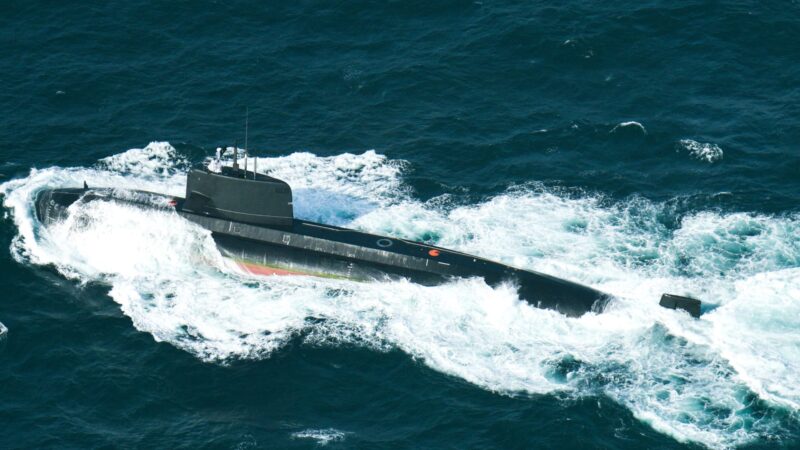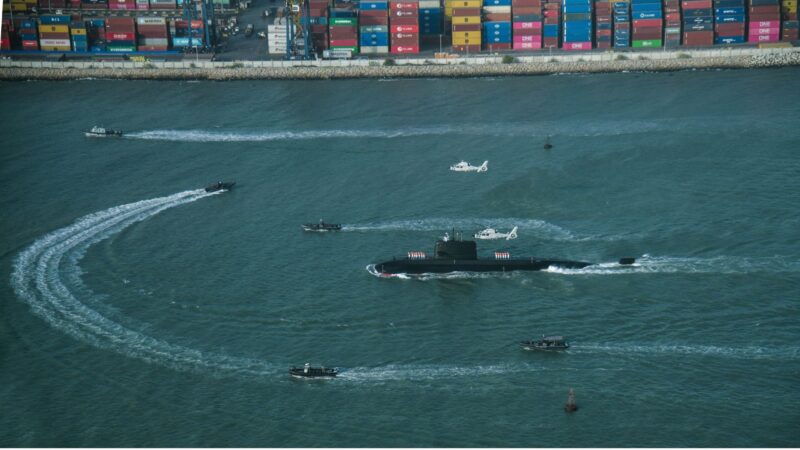

In his recent interview with Quwa, the Pakistan Navy (PN) Chief of Naval Staff (CNS), Admiral Naveed Ashraf, stated that the service arm’s modernization track was focused on “capability-based development rather than platform-based modernization.”
In its most straightforward sense, Admiral Ashraf was essentially stating that the PN was not trying to accumulate assets, like surface ships, for the sake of numbers, but instead, it aimed to build certain capabilities from what it can realistically acquire.
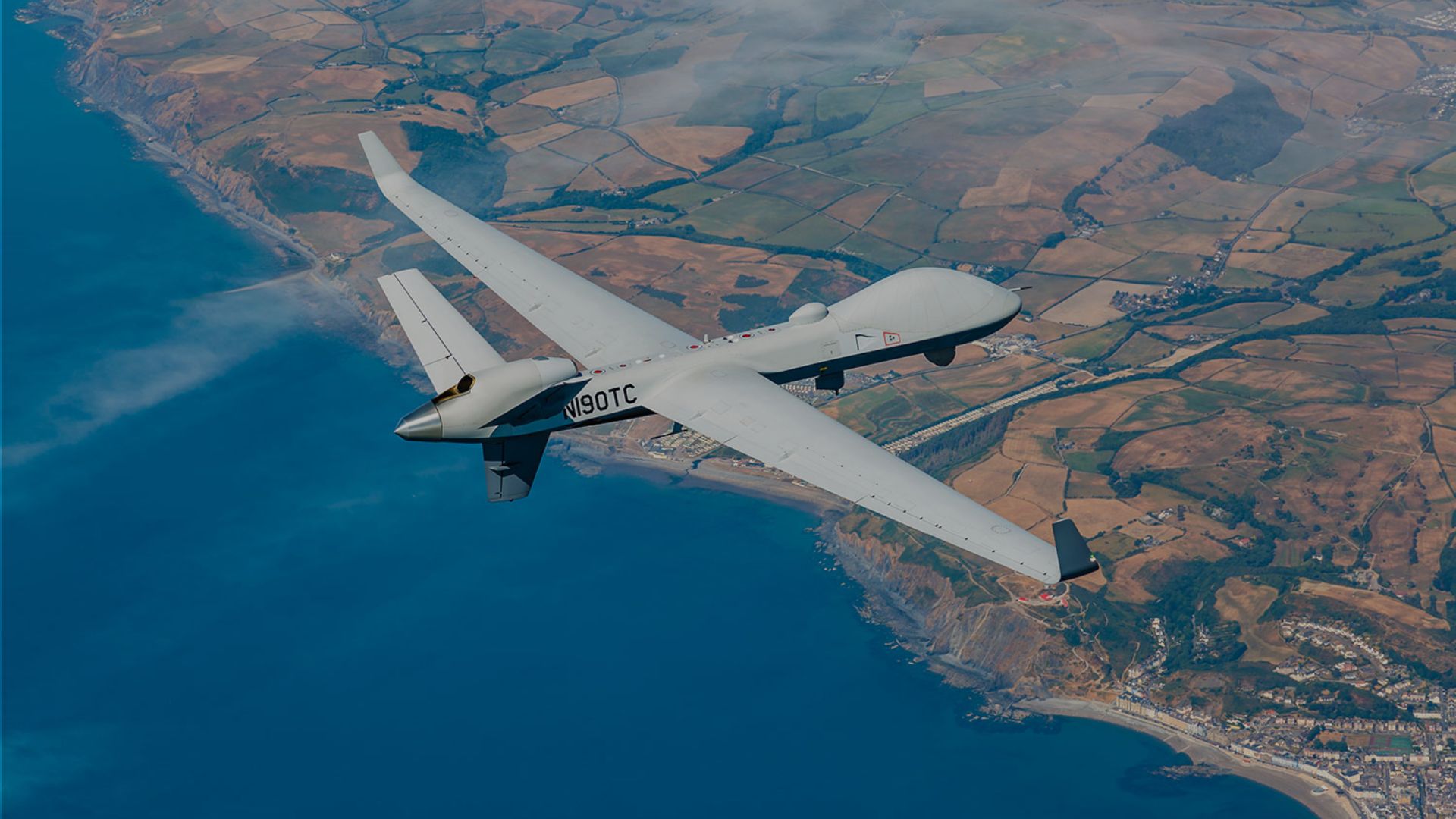
When reviewing the PN’s modernization efforts thus far, alongside Pakistan’s broader defence procurement and industrial activities, those capabilities seem to focus on the following outcomes: (1) long-range, precision-strike; (2) deep system and subsystem integration across platforms with greater sensor fusion and connectivity range; and (3) offloading any requirement for greater platform numbers to uncrewed air, surface, and underwater vehicles – all led by core crewed platforms already in the pipeline.
Collectively, these outcomes will feed back into the PN’s anti-access and area-denial (A2/AD) posture, i.e., its capacity to deter and prevent an Indian military incursion into Pakistan’s coastlines, sea lanes, and territorial waters.
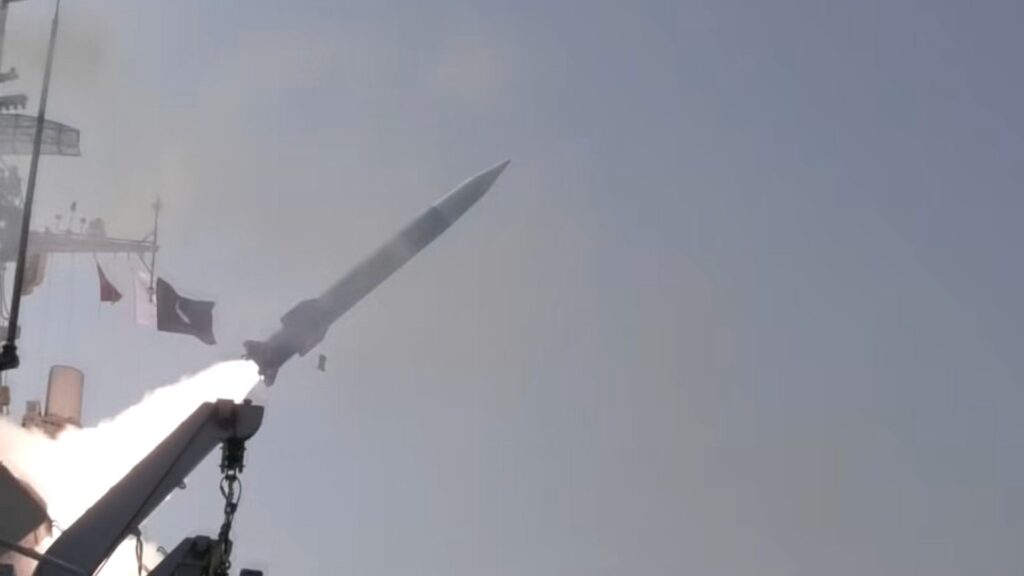
The long-range, precision-strike element is well established through the Harbah NG anti-ship cruise missile (ASCM) and SMASH anti-ship ballistic missile (ASBM). With Army Rocket Force Command (ARFC) testing the Fatah-4 ER and Fatah-2 ER, one should expect extended-range iterations of the Harbah and SMASH since the naval and ARFC missiles share the same platforms (as discussed here).
Quwa Plus
Go Beyond the Headlines on Pakistan’s Defence and Security.
Quwa Plus gives you deeper reporting, briefings, and analysis on Pakistan’s defence programs, foreign policy, national security, and regional strategy. Follow the developments that matter to professionals, analysts, and serious readers tracking Pakistan’s security landscape.
Join ($29.99/Year) Already a subscriber?Sign in