Pakistan is carrying out its largest acquisition push of long-range conventional strike munitions and intelligence, surveillance, target-acquisition, and reconnaissance (ISTAR) assets in recent history, especially in terms of space-based ISTAR systems.
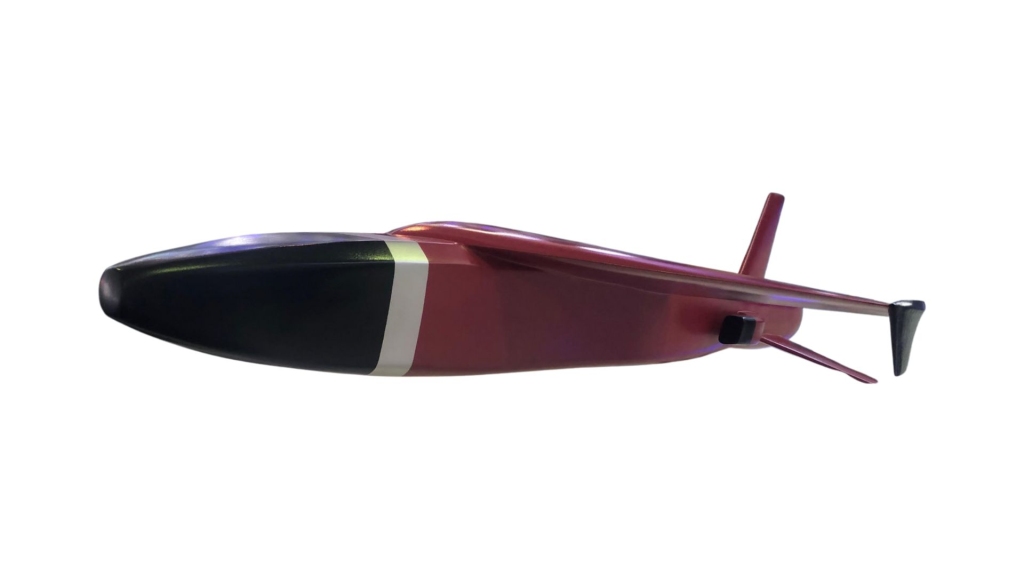
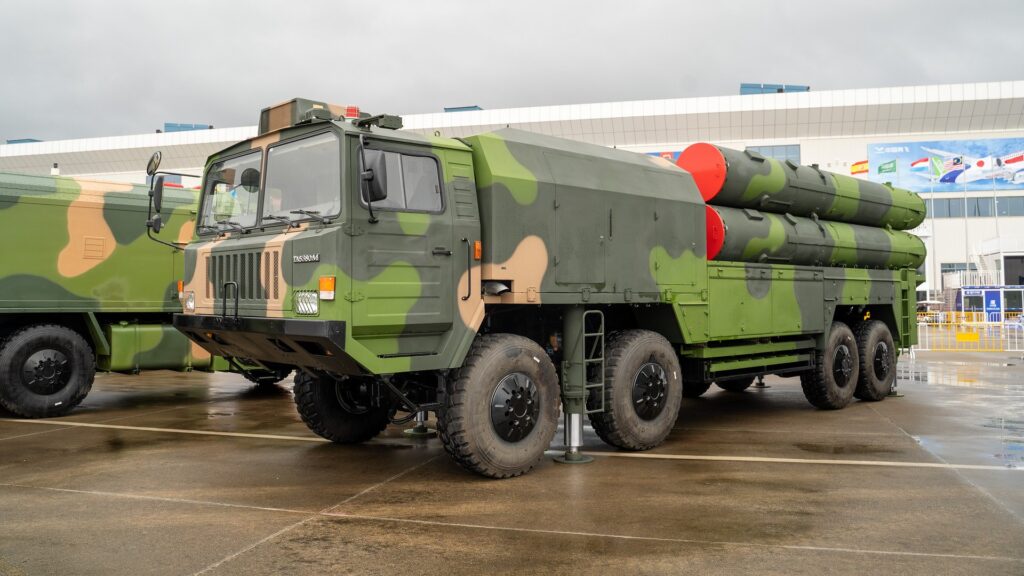
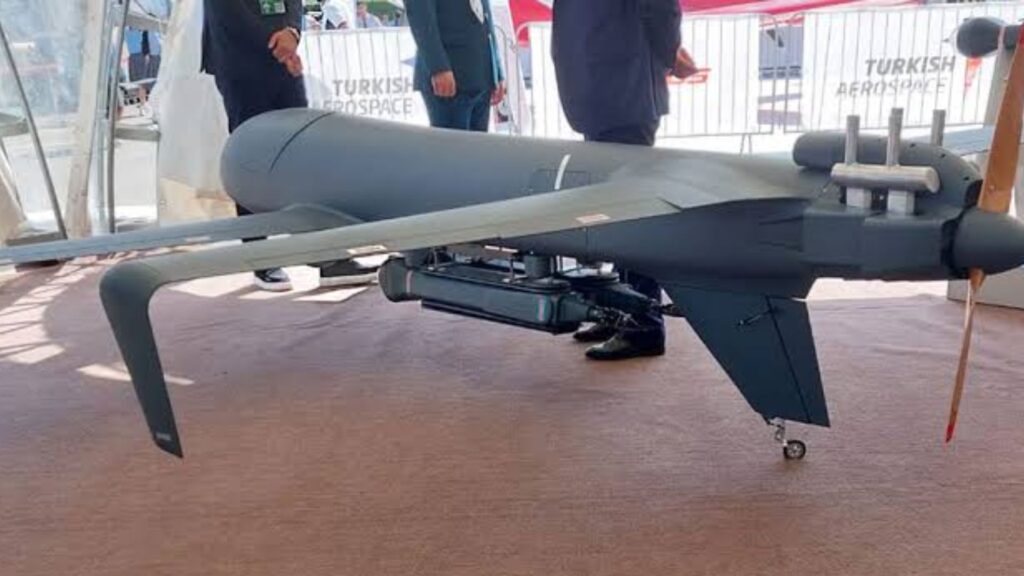
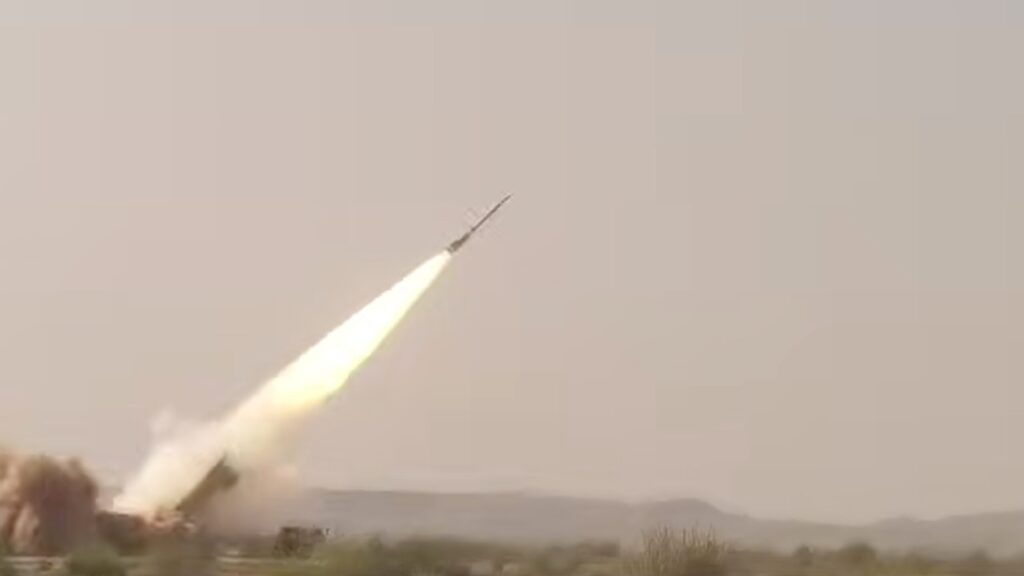
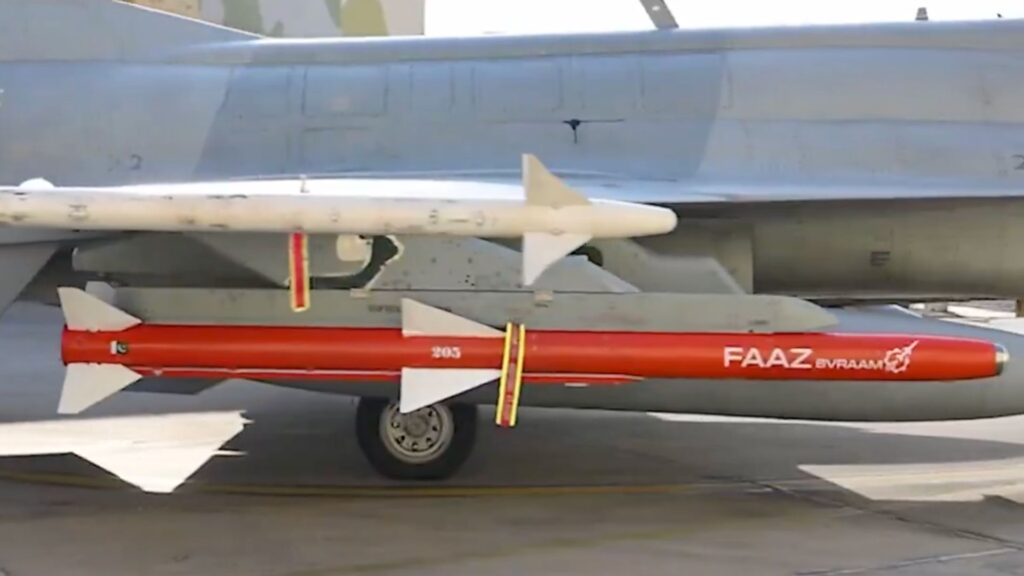
Through its newly formed constellation of remote-sensing satellites, Pakistan has arguably built the capacity to identify and periodically monitor selected targets of interest before a conflict. It can now also pair that intelligence to a wide assortment of effectors, ranging from conventional ballistic missiles to subsonic and supersonic-cruising missiles to one-way attack (OWA) drones.
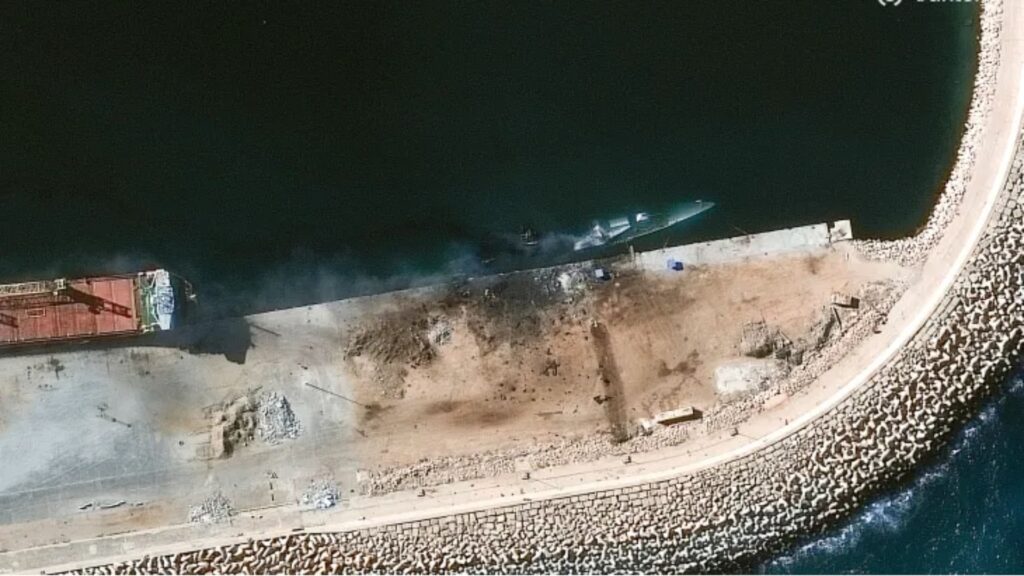
The next phase of this growth will focus on developing the capacity to monitor targets of interest during a conflict, be it for post-battle damage assessments (BDAs) or to dynamically adapt the strike element in real or near-real-time to the changes occurring within a conflict. Pakistan’s agreement with PIESAT for an interferometric synthetic aperture radar (InSAR) constellation – which, to be clear, is still pending final contract approvals – is a probable step in that direction.
Pakistan’s proposed deal with PIESAT involves 20 satellites (with local production and support). PIESAT advertises that its InSAR formations allow for higher revisit or refresh rates, potentially as little as one hour in some cases (though this is in reference to the global constellation Nuwa, a regionally-focused system’s capacity is not known). But it is clear that Pakistan has the incentive to acquire multiple revisit rates, which would allow it to carry out accurate BDAs and maintain fresh intelligence of not only targets, but flight routes (for subsonic cruise missiles and OWAs), track land forces movements, and monitor how the Indian Air Force (IAF) is leveraging its air bases during a conflict.
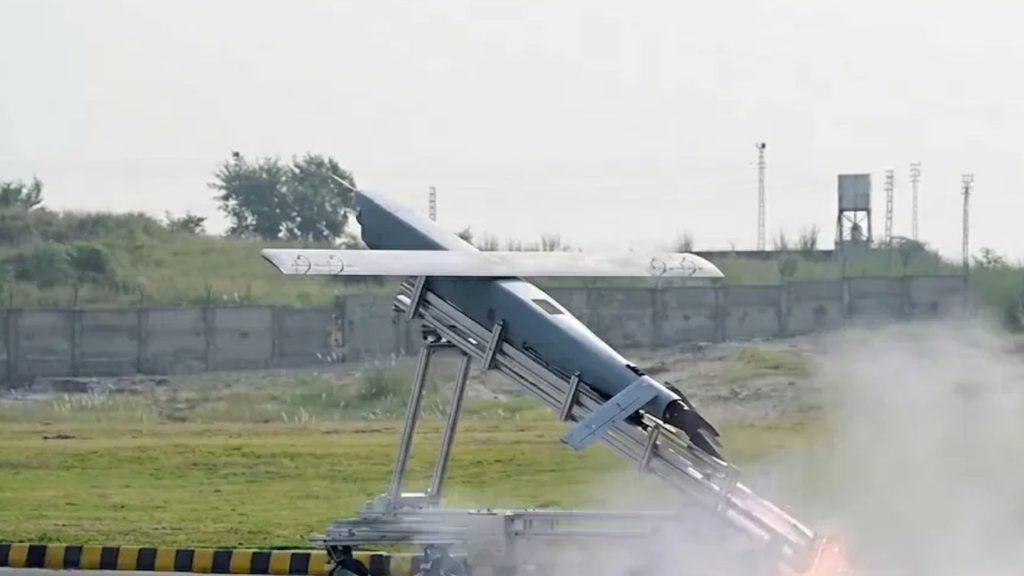
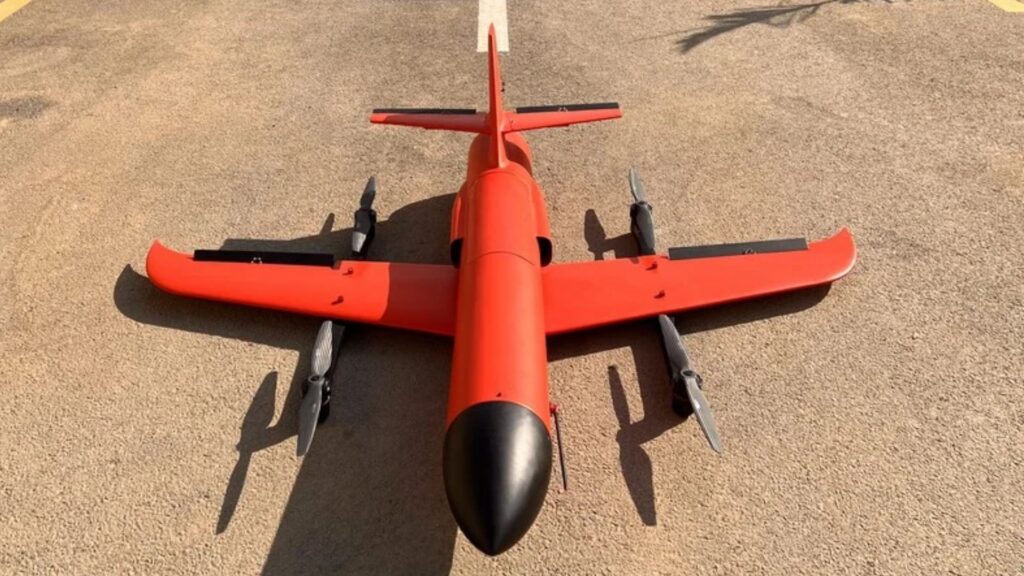
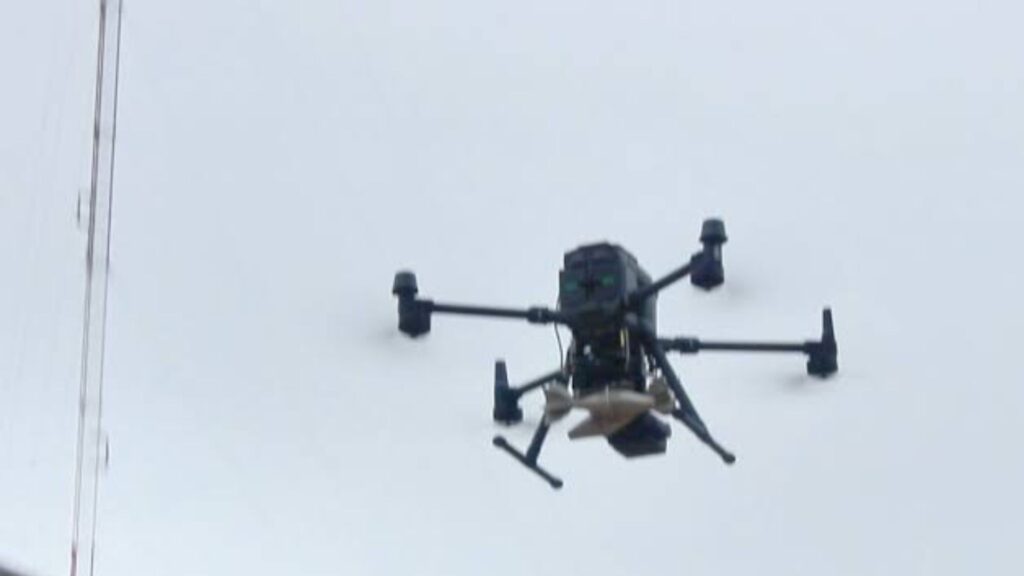
However, when factored alongside Pakistan’s other growing ISTAR streams, such as electronic intelligence (ELINT), drone-based feeds via electro-optical (EO) sensors, surface and airborne radars, and so on, the expanding satellite constellation will add to the data burden. While Pakistan is re-organizing its structures to steward the induction and use of these new assets – e.g., Pakistan Air Force’s (PAF) Space Command and the Pakistan Unmanned Force (PUF) – the maturity of the technology systems to ingest, process, disseminate, and feed the ISTAR data to personnel, platforms, and munitions (which range from large systems like the Fatah 2-series ballistic missiles down to small OWAs like the D-248 and many others) is less clear.
Go Beyond the Headlines on Pakistan’s Defence and Security.
Quwa Plus gives you deeper reporting, briefings, and analysis on Pakistan’s defence programs, foreign policy, national security, and regional strategy. Follow the developments that matter to professionals, analysts, and serious readers tracking Pakistan’s security landscape.
Join ($29.99/Year) Already a subscriber?Sign in