Pakistan is building the foundations of a conventional strike force capable of operating at greater scale. Its investment in satellites, radars, electronic support measures (ESM) and drones is expanding the intelligence, surveillance, target acquisition and reconnaissance (ISTAR) infrastructure behind that force.
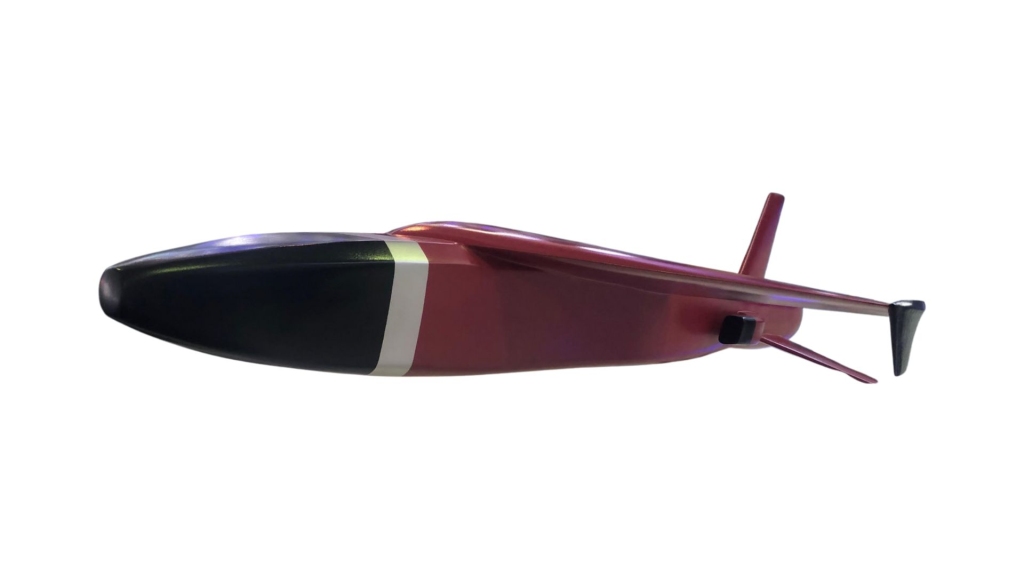
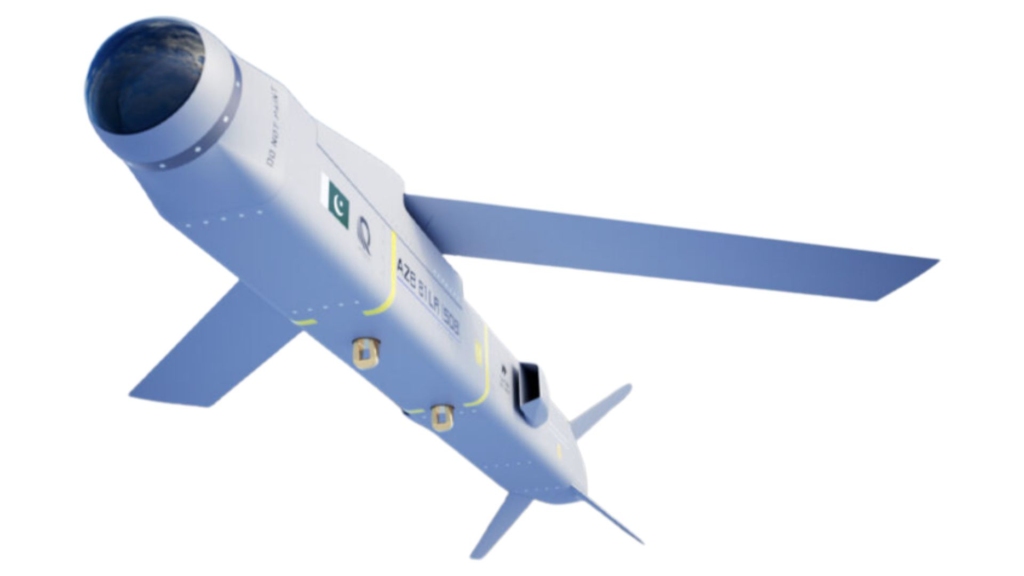
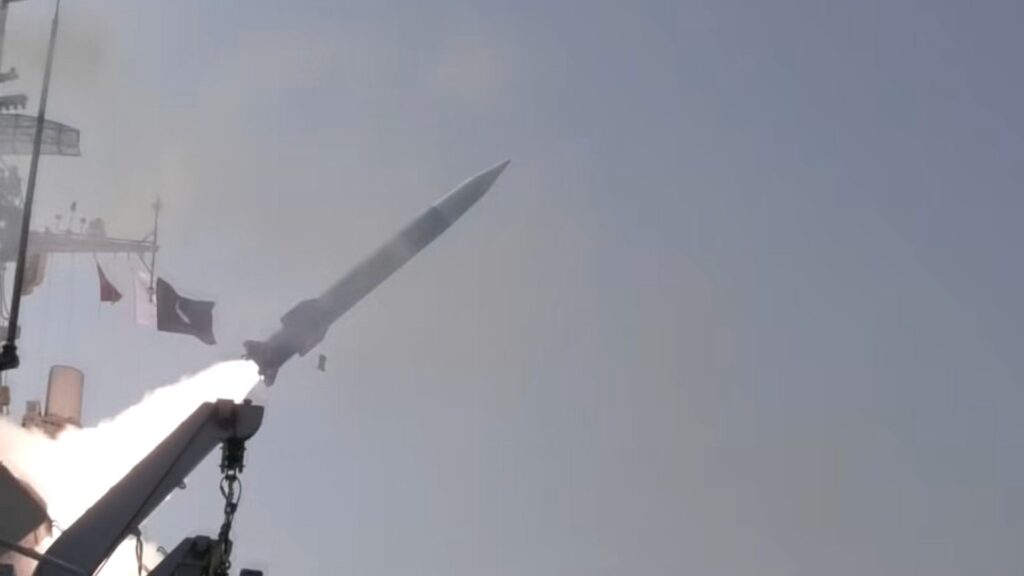
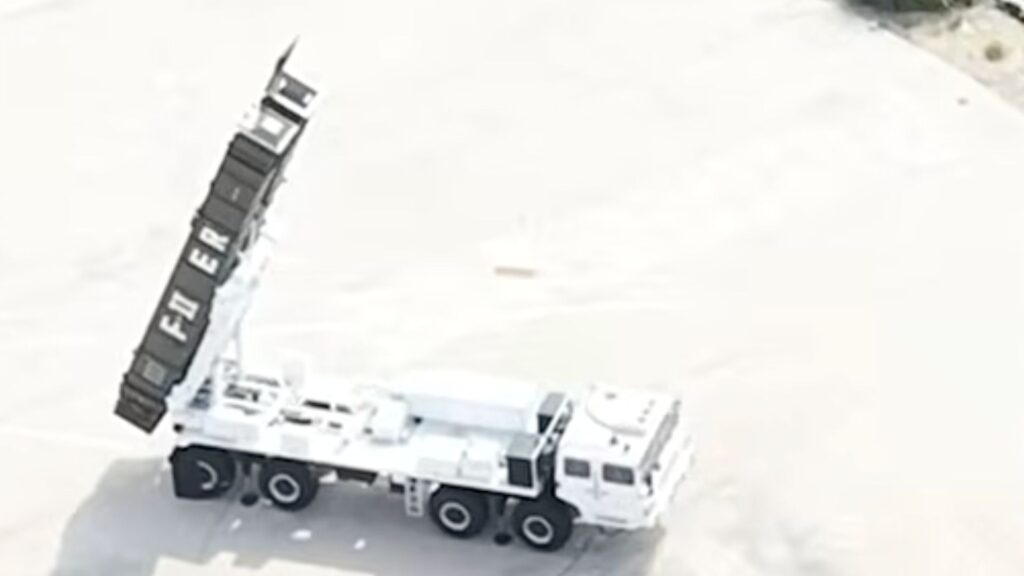
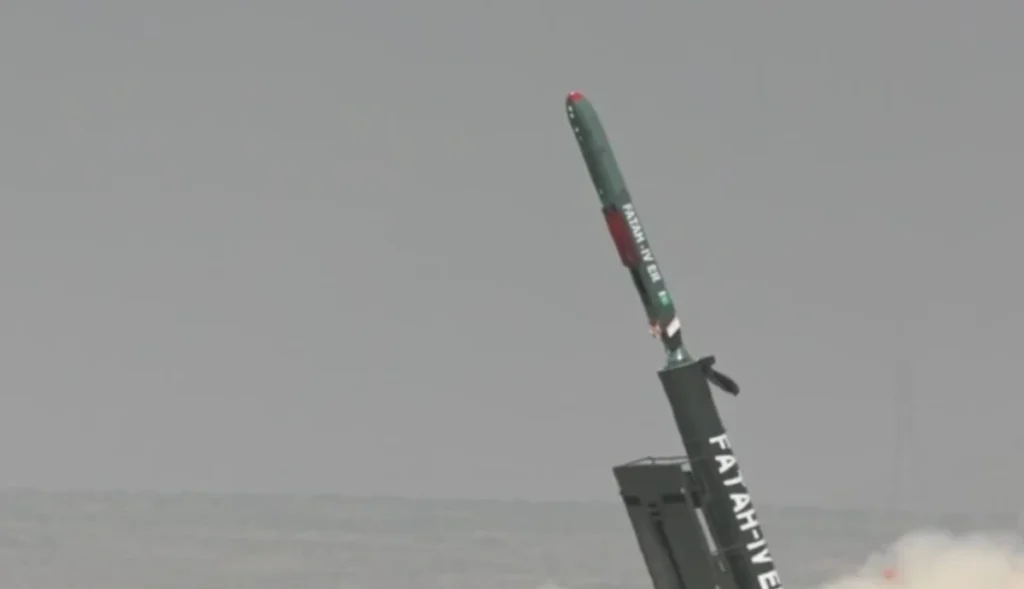
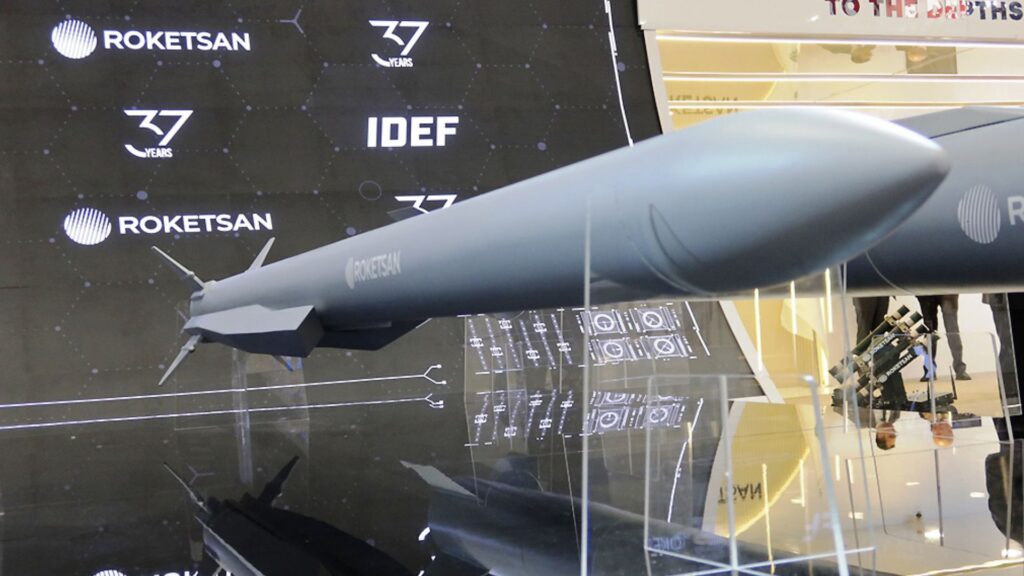
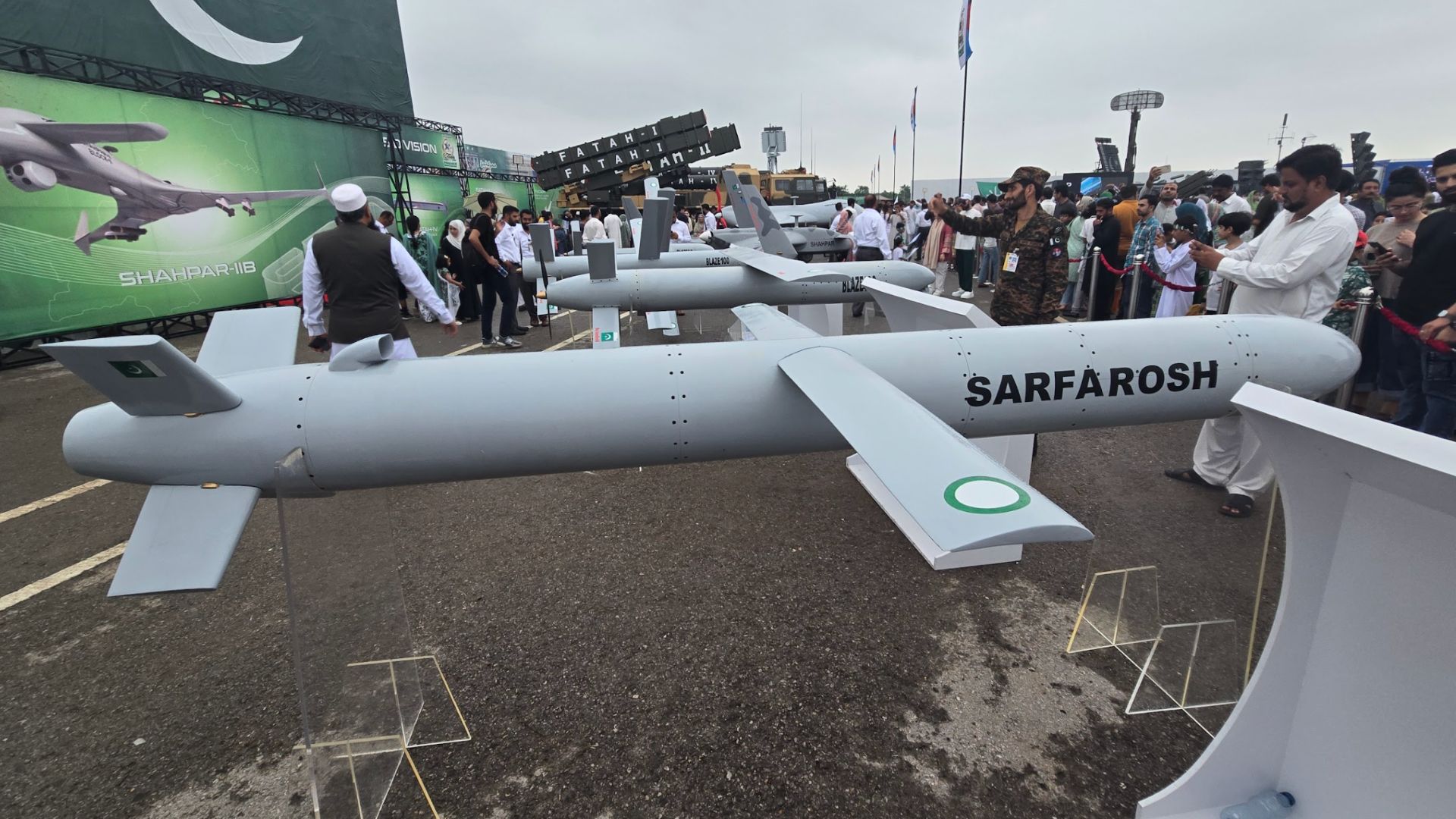
In parallel, the Fatah-2, Fatah-4 and a growing range of one-way attack (OWA) drones are widening its options for delivering long-range, guided attacks.
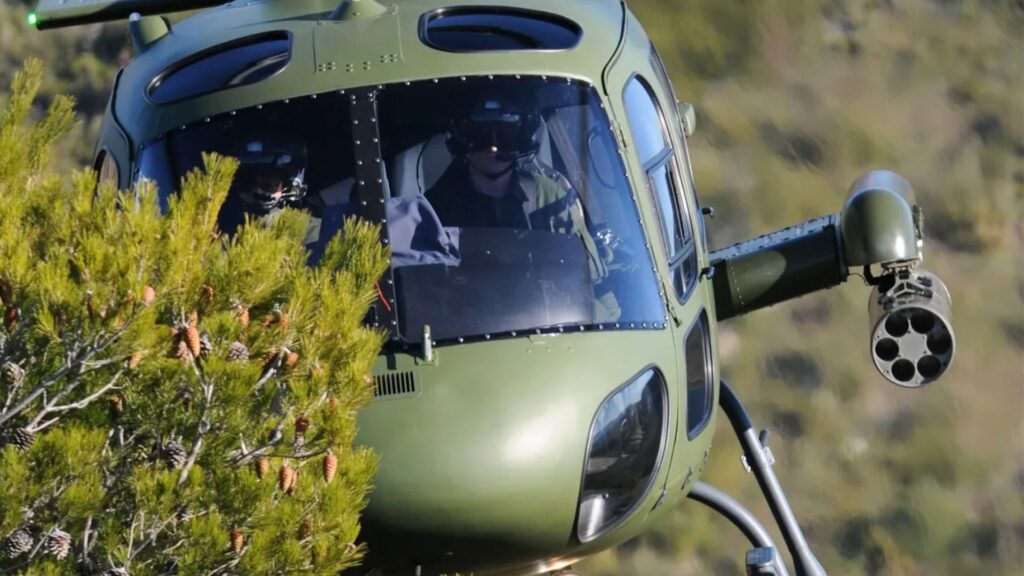
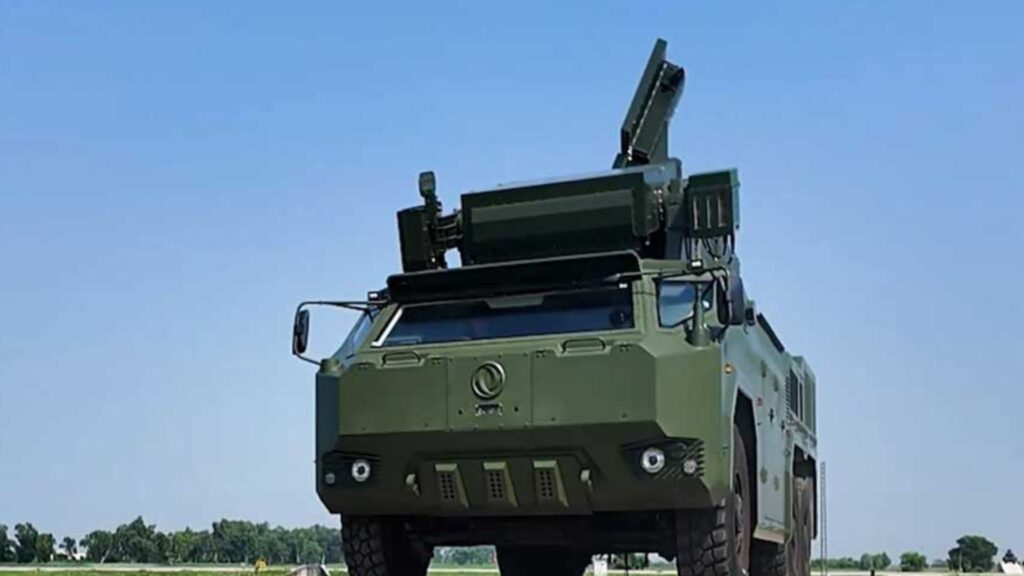
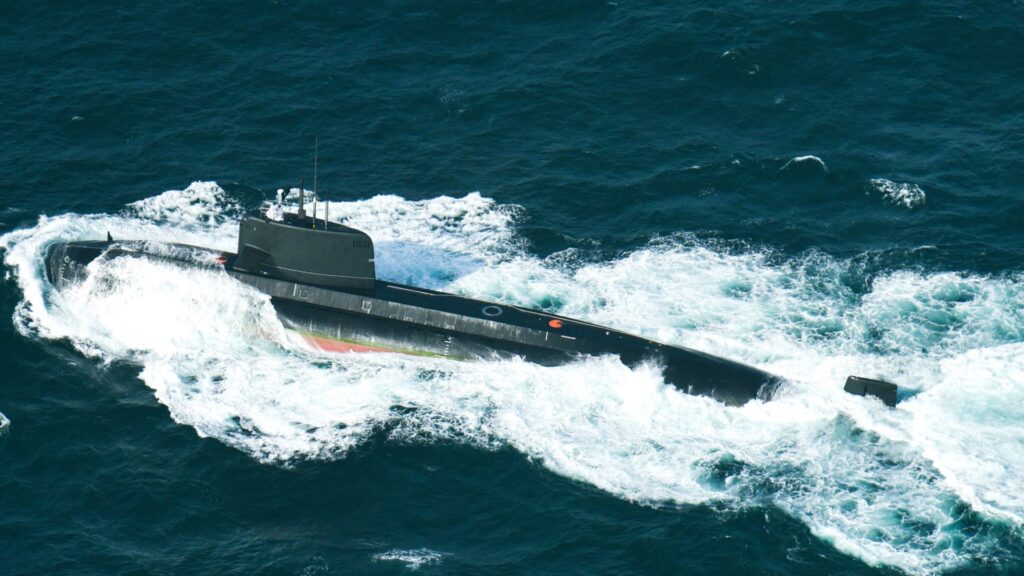
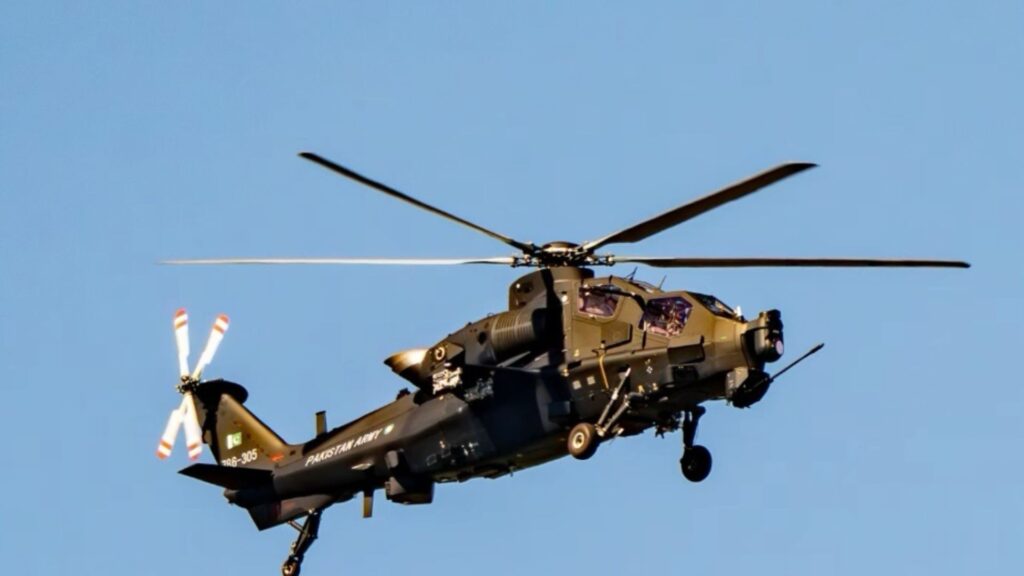
The next evolution will be how Pakistan deploys that strike capacity. Producing more missiles adds firepower, but their availability still depends on the platforms that carry them. If a large share remains tied to particular airbases, aircraft or specialized launch vehicles, those assets remain points through which an adversary could disrupt the wider force. India’s missile strikes on various Pakistan Air Force (PAF) bases exposed this risk, thereby adding urgency to the idea of distributing the availability of new strike platforms to not only the other service arms, but likely simpler and lower-cost systems.
For Pakistan, the logical progression is therefore twofold: broaden the platform mix supporting its strike inventory, then develop future munitions with that wider deployment concept in mind. This would connect affordable mass to survivability. More weapons would increase the volume available for precision strike, while more launch options could make it much more difficult for adversaries to suppress that volume.
Background: Pakistan’s Emerging Strike Mix
Pakistan’s satellite program illustrates the investment already underway. Its PRSC-EO1, EO2 and EO3 optical-imaging satellites launched between January 2025 and April 2026. HS-1 provides hyperspectral imaging, while PRSC-S1 is assessed by Quwa to carry synthetic aperture radar (SAR). That being said, Pakistan does have a SAR solution planned via the PIESAT InSAR constellation purchase.
Together, these programs broaden the types of information potentially available to military users. Quwa’s satellite overview also distinguishes these launches from the planned PIESAT radar constellation, which should not be counted as operational capacity.
See Where Emerging Defence Markets are Moving
Quwa Pro goes beyond tracking programs and equipment by explaining the policies, incentives, industry dynamics, and competitive pressures shaping South Asia's defence markets.
Subscribe Already a subscriber?Sign in