
At Poland’s 34th International Defence Industry Exhibition (MSPO 2026), Europe has showcased that effective, low-cost air defence solutions are a major priority for its industry and end-users.
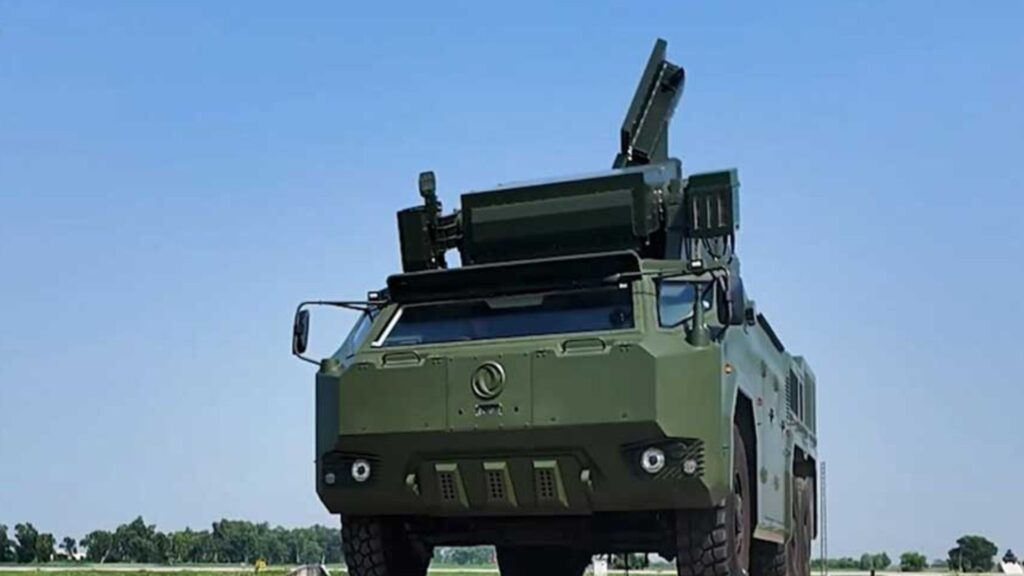
This pursuit is unique to Europe as – in contrast to other markets (e.g., Pakistan) relying on interceptor drones and anti-air guns (AAG) – it is focusing on tuning surface-to-air missiles (SAMs) such that they provide a level of scalability and effectiveness to not only stop drones but cruise missiles too.
To this day, the Russia-Ukraine War has proven to be the cradle for understanding how today’s actual and tomorrow’s conflicts will unfold – and in that regard, cruise missiles reign at the top. For the striker, subsonic cruise missiles have emerged as a scalable and potent long-range attack option. And for the defender, these same weapons are not easy to stop at scale without SAMs.
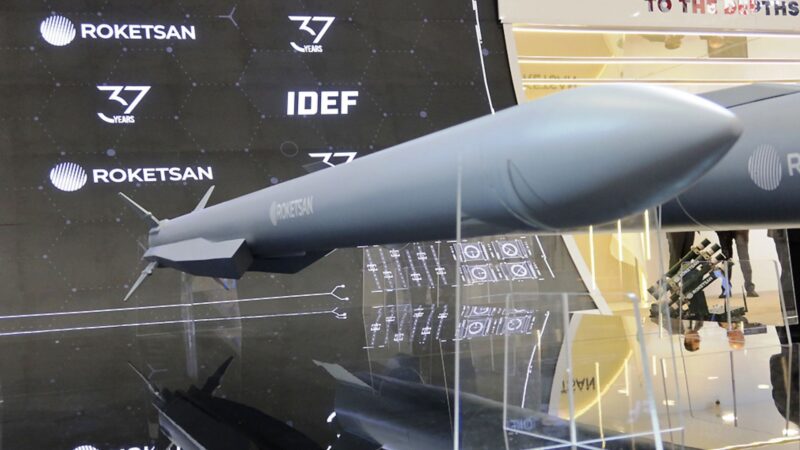
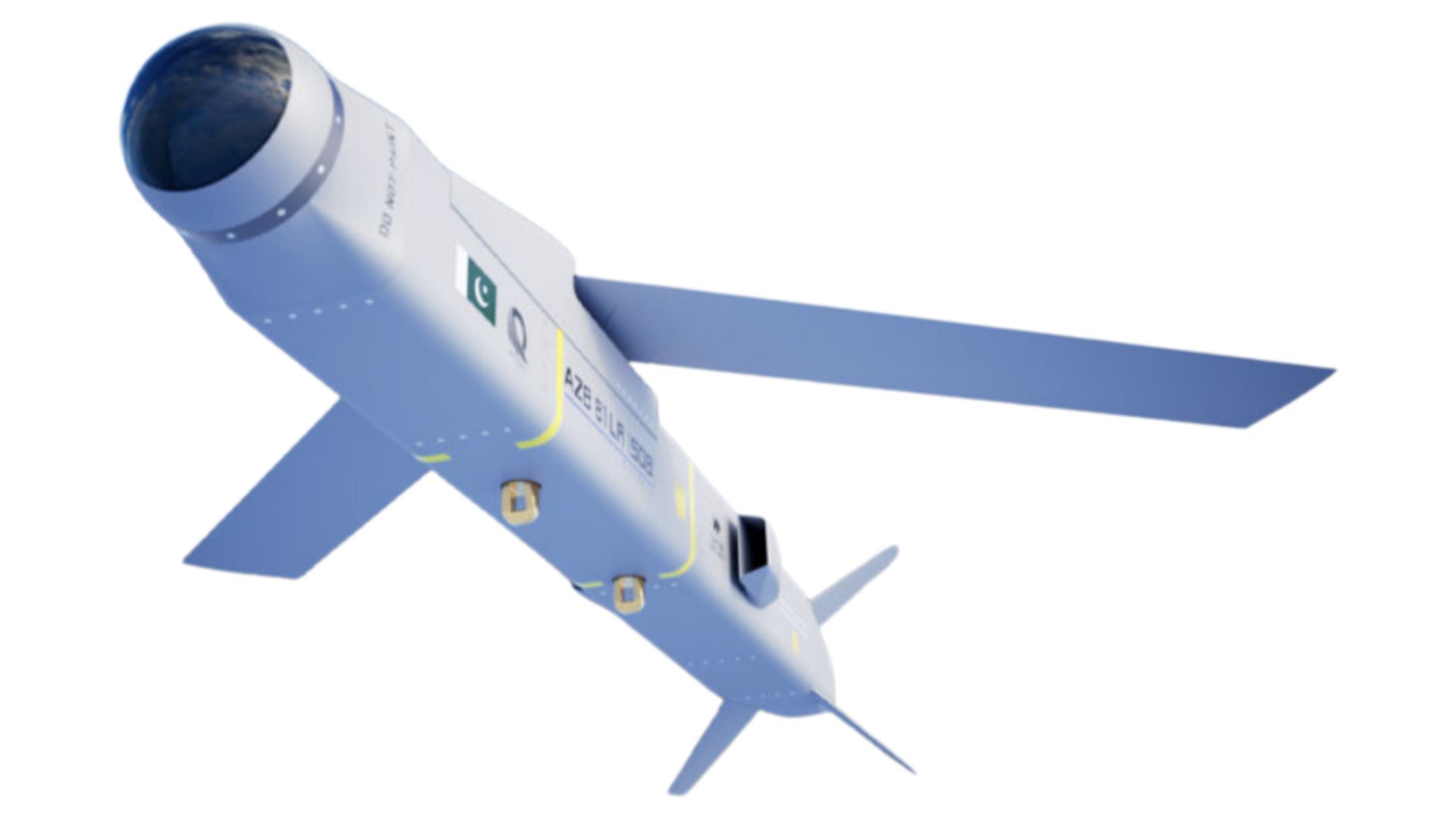
Indeed, subsonic-cruising missiles are no longer confined to the traditional marquee solutions – e.g., SCALP, Tomahawk, etc – but, increasingly, simpler low-cost designs too. The latter range from new airframes leveraging fixed-stabilizers and cheaper materials – e.g., MBDA Crossbow and Russia’s Geran-5 – to reworked tailless delta loitering munitions like MBDA’s Deluge and Russia’s Geran-4.
Recently, Ukraine itself has reported that Russia’s use of jet-powered Geran-4/5s now exceeds its utilization of piston-powered Geran-3s. And, for its part, Ukraine is also moving towards comparable low-cost cruise missiles (LCCMs), like the BARS.
Basically, Europe understands the risk of LCCMs and, as such, has clearly frontloaded low-cost SAM development. This shift will extend well beyond Europe and, in all likelihood, begin emerging in other regions as well, especially in South Asia.
Quwa Pro
See Where Emerging Defence Markets are Moving
Quwa Pro goes beyond tracking programs and equipment by explaining the policies, incentives, industry dynamics, and competitive pressures shaping South Asia's defence markets.