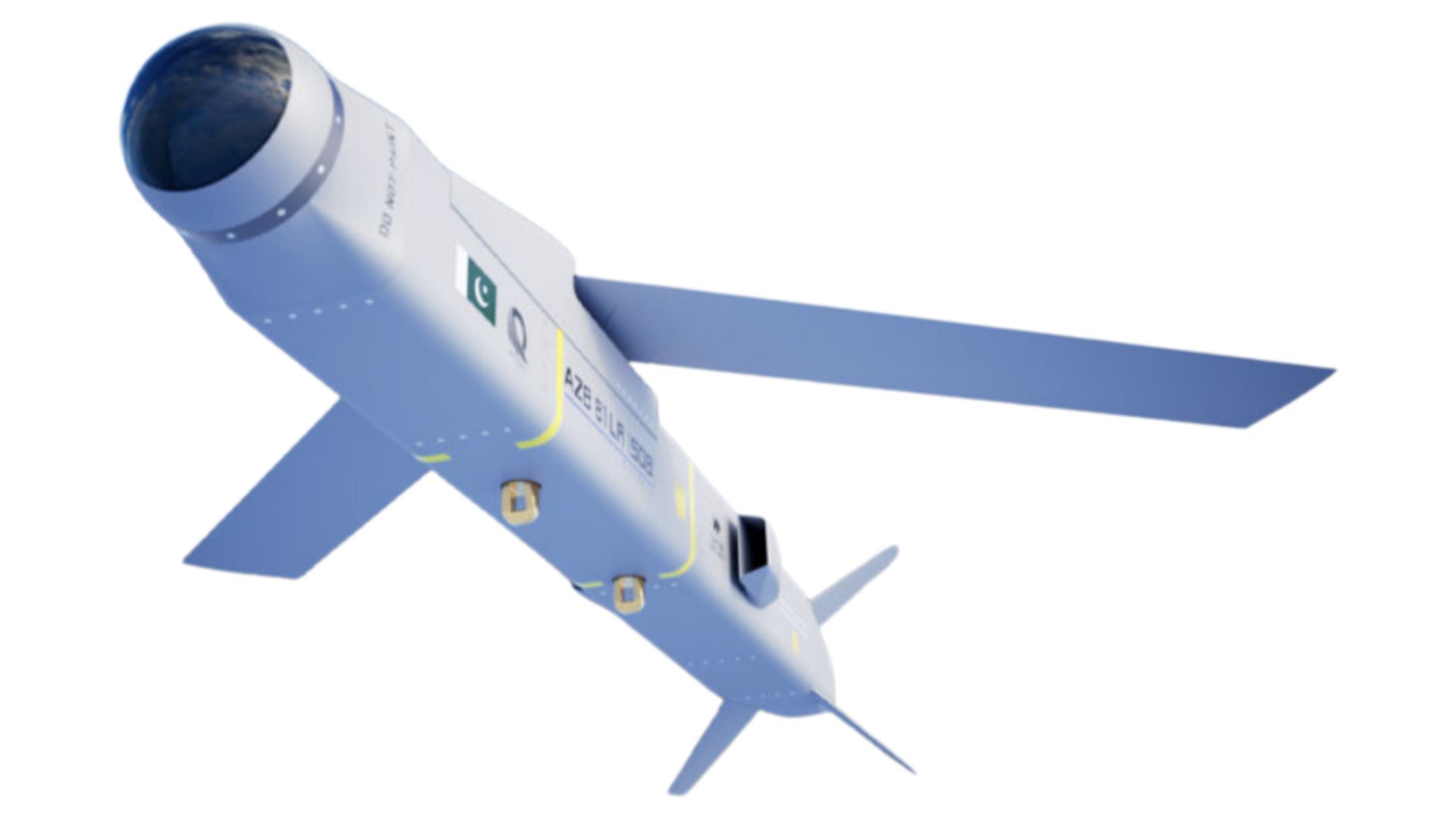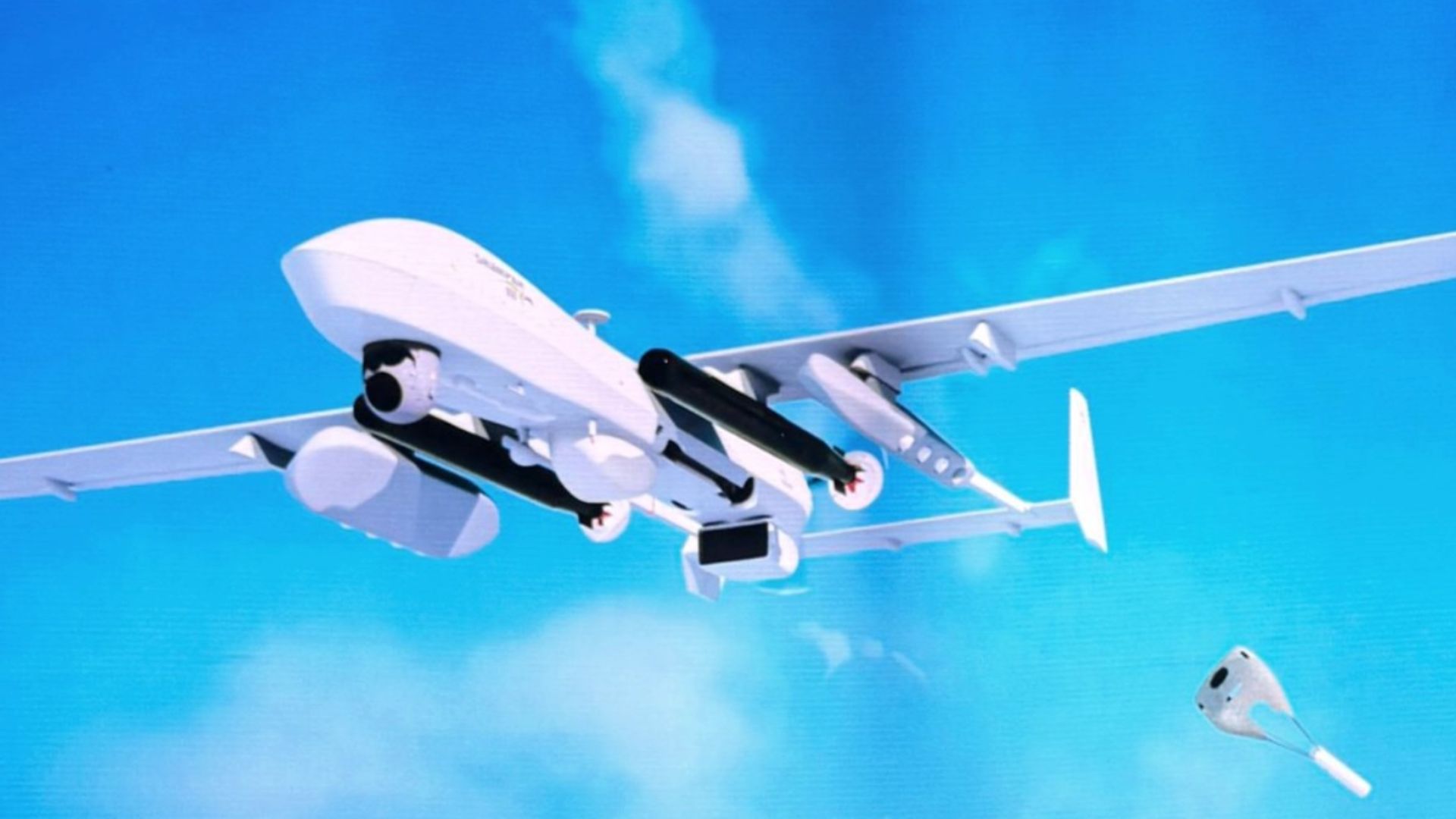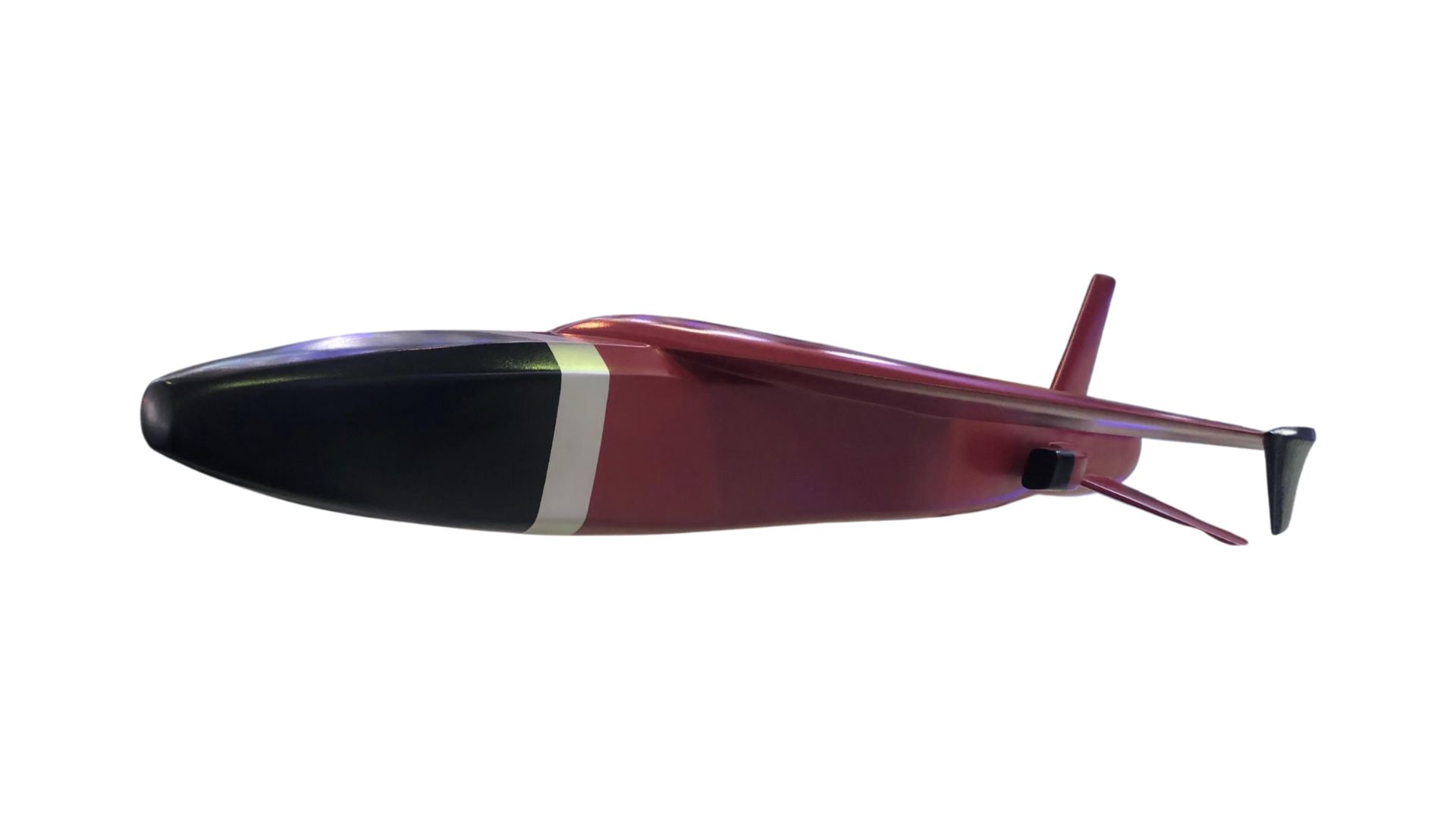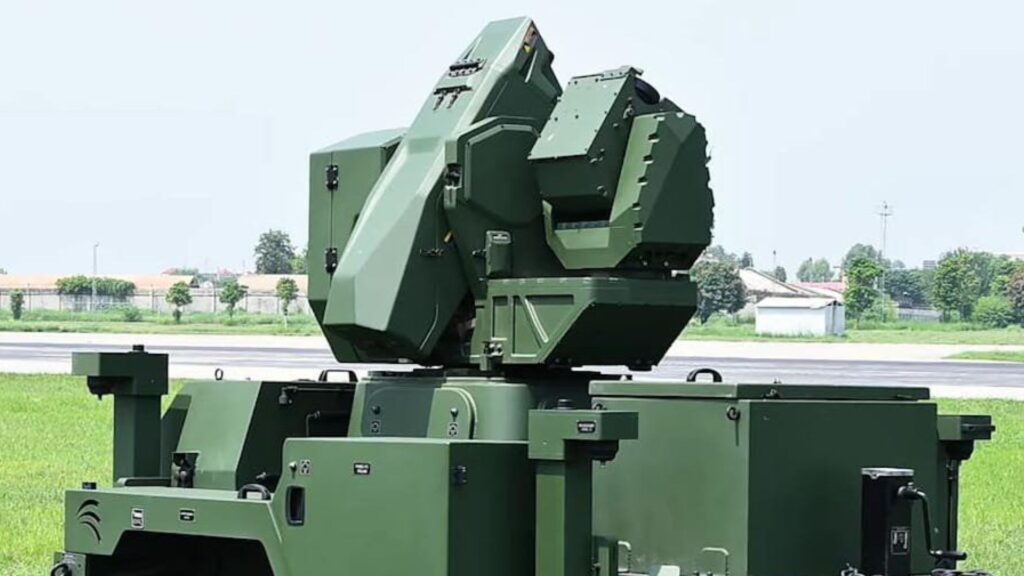
On 06 September, the Pakistan Air Force (PAF) officially revealed that it inducted new Chinese and Turkish short-range air defence systems (SHORADS) – i.e., the CASIC HQ-17AE, NORINCO LD-76, Aselsan Korkut, and the Aselsan ŞAHİN. When viewed together, these acquisitions reflect a concerted effort on the PAF’s part to significantly enhance its point-defence layer with kinetic effectors designed for countering drones – including one-way attack (OWA) or loitering munitions – rockets, helicopters, and, not least, precision-guided munitions such as cruise missiles.
In effect, it seems that these acquisitions were pushed through in response to the real threat of Indian missile and drone strikes on PAF facilities, especially air bases. For the PAF, the threat was large-scale missile strikes that, even if mostly intercepted, can – by sheer force of scale – disrupt PAF air operations by damaging runways, hitting hangars, and destroying radars, among other risks.
Thus, Quwa forecasted that there would be a stronger focus on point-defence solutions, be they missile- or anti-air gun (AAG)-based, shortly after the conflict. For example, in a June 2025 market intelligence report, this author stated:
It is unclear if Pakistan would adopt SAMs at this layer. It could incorporate its current MANPADS stocks into an automation system similar to the AAGs. Alternatively, it may explore incorporating counter-artillery, rocket, and mortar (C-RAM)-type solutions for an additional defensive layer.
Then, in a later analysis published on Quwa in October 2025, this author added:
There should also be a program for the point-defence layer, i.e., within 10 km range… this was the approach Turkey’s Roketsan took with Levent – i.e., its own equivalent to the Rolling Airframe Missile (RAM). A missile-based CIWS can extend the potential interception range of incoming missiles to a much further distance (up to 10-12 km), offering greater buffering against potential blowback from an intercepted missile (especially SSCMs like the BrahMos).
Quwa Pro
See Where Emerging Defence Markets are Moving
Quwa Pro goes beyond tracking programs and equipment by explaining the policies, incentives, industry dynamics, and competitive pressures shaping South Asia's defence markets.
Subscribe Already a subscriber?Sign in