Pakistan’s integrated air defence system (IADS) was not built for the type of war India wants to fight.
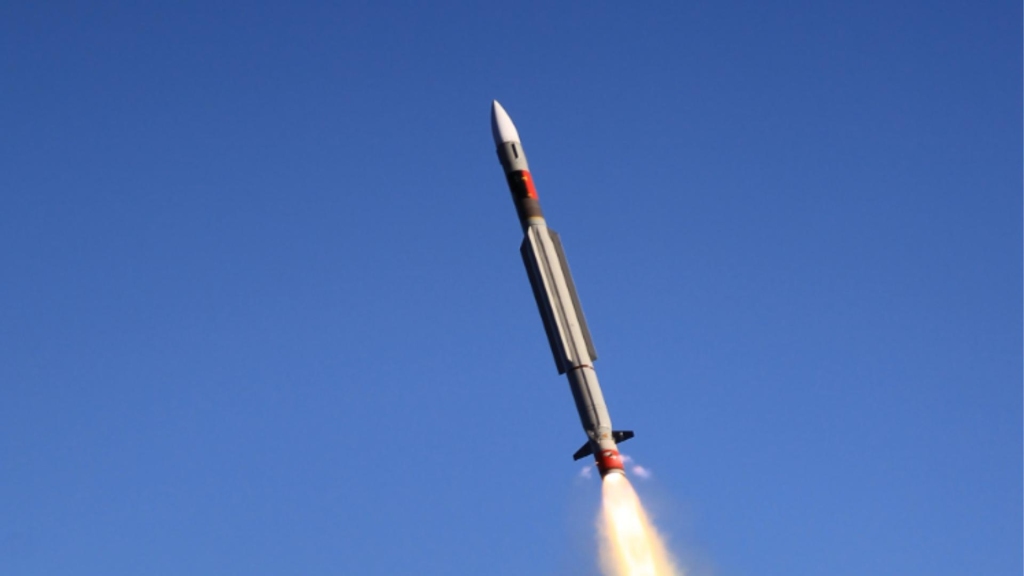
The Pakistani IADS’ long-range surface-to-air missiles (SAM) – i.e., the Army’s HQ-9/P and Air Force’s HQ-9BE – were procured for deterrence, but not for active, high-intensity warfighting. They were meant to stop isolated incursions, not absorb or defeat large-scale, multi-axis missile salvos combining BrahMos, SCALP, Nirbhay, loitering munitions, and rocket-powered surface-to-surface missiles (SSM).
But India’s doctrine has changed (or been revealed) in May 2025. The emphasis is no longer on single-point “surgical strikes,” but on sustained, high-tempo missile warfare, i.e., salvos designed to overload, deceive, and burn through an IADS within hours.
Pakistan’s problem is not range; it is reaction time. Once a missile appears on radar, a high-value site – from cities like Lahore to key air bases such as Shahbaz – may have mere minutes before impact, which is a cycle too short for centralized command to respond.
This article dissects how Pakistan’s geography, procurement choices, and organizational mindset have left its IADS structurally misaligned with modern threats. It then outlines what a credible, next-generation IADS posture must look like to survive the opening waves of a future conflict.
- The Blueprint for Pakistan’s Future-Proof Air Defence System
- Market Brief: Pakistan’s “Missing Middle” Surface-to-Air Missile (SAM) Requirement
- Pakistan’s In-House SAM Projects Hint at Future Air Defence Direction
The Threat is Not a Specific Missile, but Scale
Modern Missile Tactics Exploit Gaps and Latency
Be it supersonic-cruising missiles (SSCM), subsonic cruise missiles, or ballistic missiles, modern missile strike strategies are centered on exploiting gaps in the defender’s air defence posture or their response latency cycle, i.e., the time lag between detection, classification, decision-to-engage, and surface-to-air missile (SAM) launches.
Quwa Plus
Go Beyond the Headlines on Pakistan’s Defence and Security.
Quwa Plus gives you deeper reporting, briefings, and analysis on Pakistan’s defence programs, foreign policy, national security, and regional strategy. Follow the developments that matter to professionals, analysts, and serious readers tracking Pakistan’s security landscape.