Ukrainian President Volodymyr Zelensky said on 26 October that “Ukraine has done what it needed to do” on the Freyja anti-ballistic missile shield, while the work of the 10 participating countries continues. He said the partners’ work is in progress but needs to move faster, adding that he had discussed the program with French President Emmanuel Macron.
Zelensky said Norway is one of the key development partners, and framed the urgency in terms of time. He noted that such systems typically take decades to develop, adding that Ukraine wants “to move very quickly because there is no time”.


Go deeper into the defence market.
Research on procurement, emerging technology and the industry behind the news.
Freyja took shape through a 13 July declaration signed by Denmark, France, Germany, Italy, the Netherlands, Norway, Spain, Sweden and the United Kingdom with Ukraine. Each partner brings its own financing to the shield, alongside the radars and sensors it contributes.
The program uses an open architecture in which Ukraine supplies the launcher and interceptor while partners contribute radars, sensors and funding. Ukraine is also responsible for system integration, with data exchange planned over Link 16 under STANAG 5516.
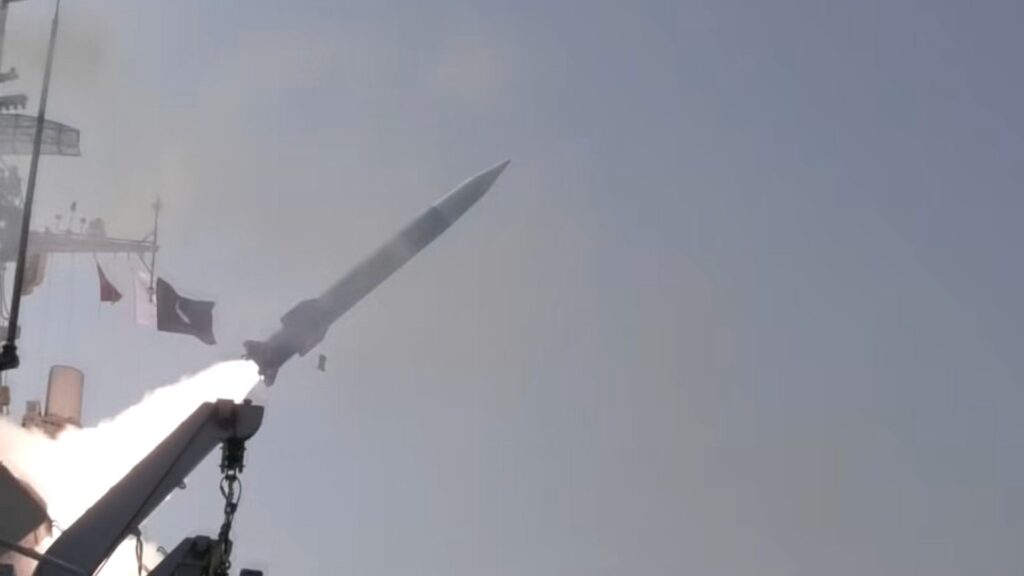
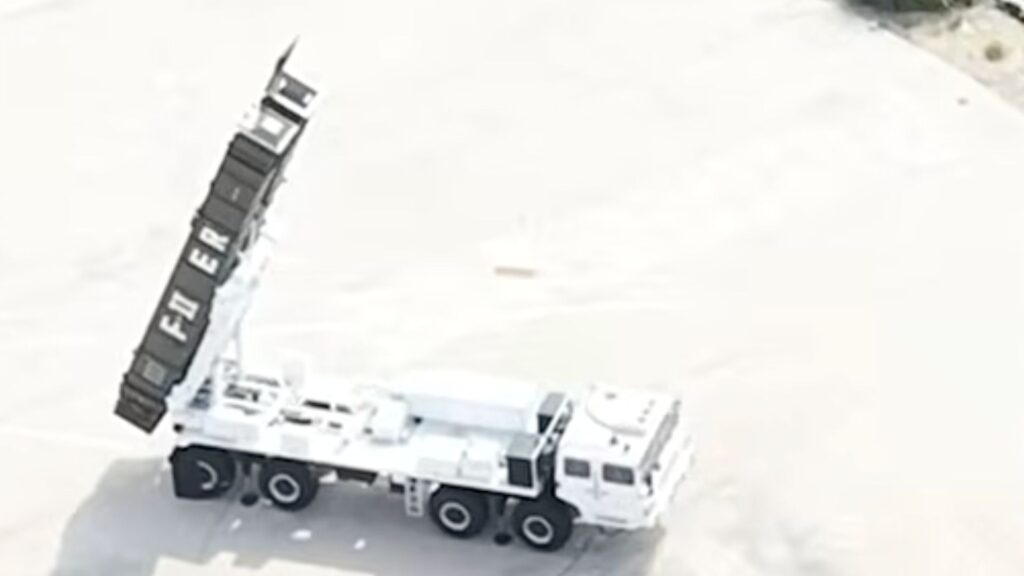
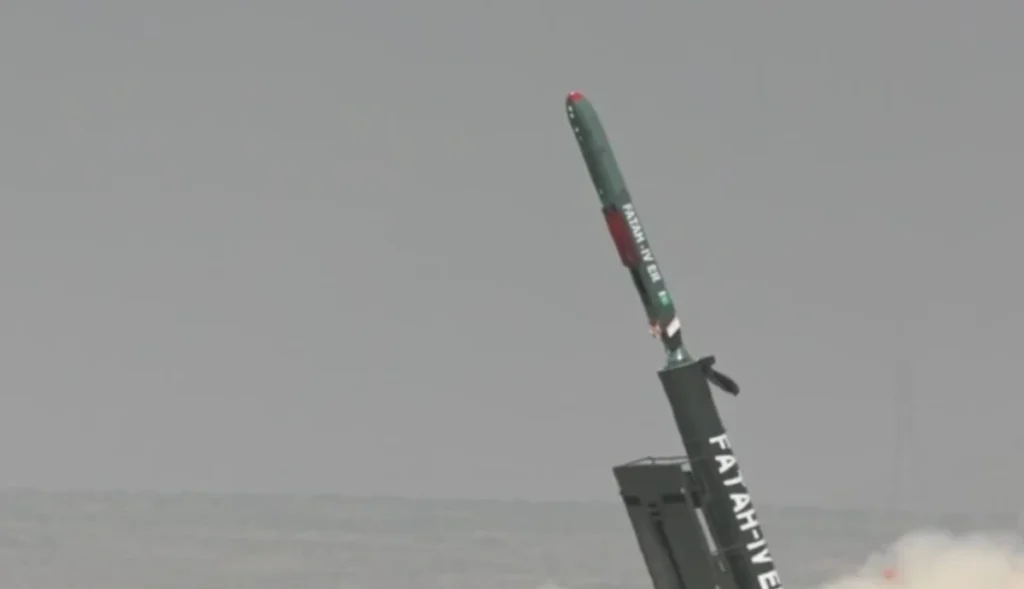
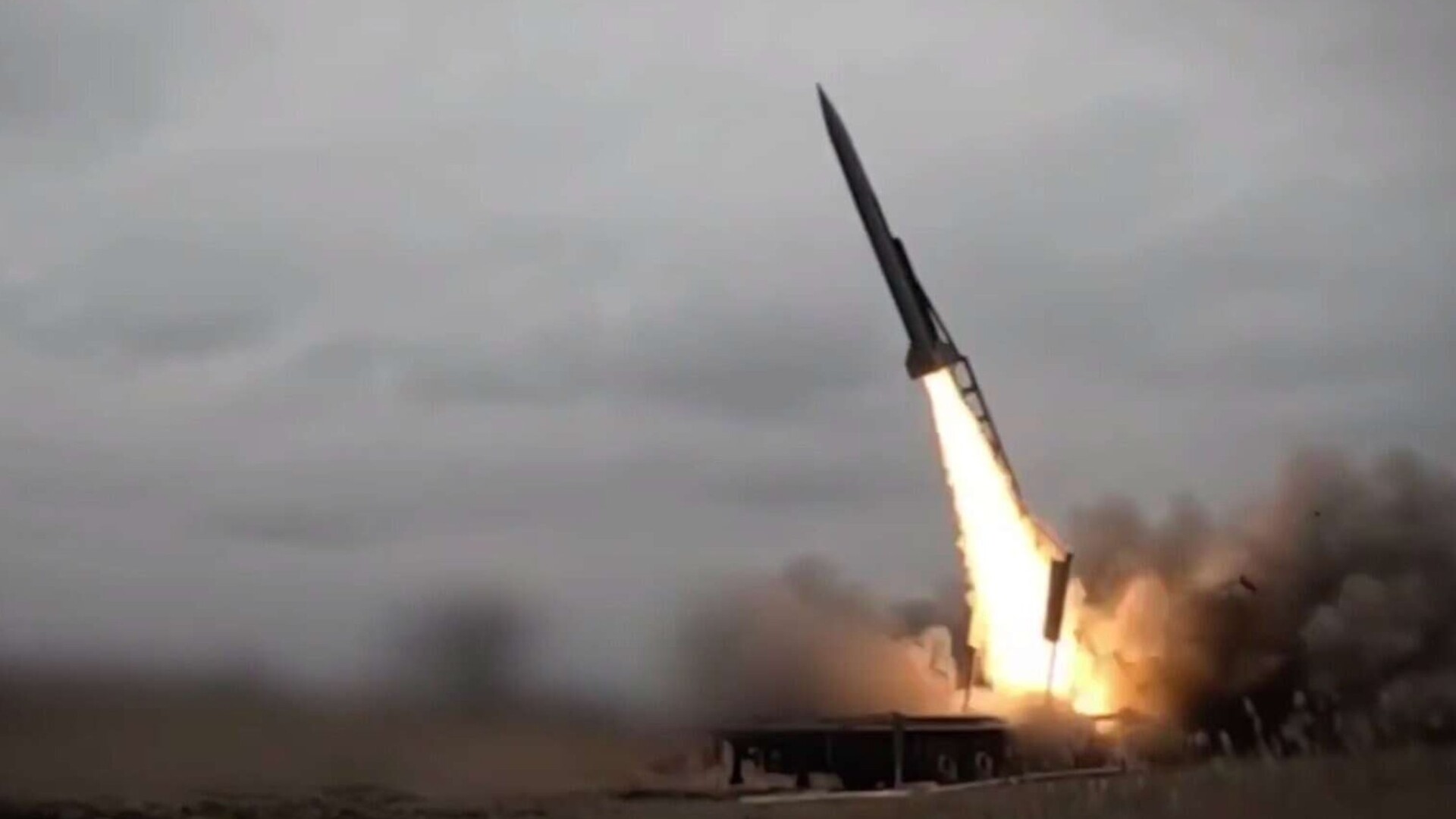
Fire Point’s FP-7.X interceptor was unveiled on the same day as the declaration, as the Ukrainian missile at the centre of the shield. Fire Point co-owner Denys Shtilerman said a test reached an altitude of 25 km, and Fire Point said in July that testing of the FP-7.x was complete and integration into the system was under way.
Fire Point is the lead industrial partner, with Eurosam, Leonardo, Thales and Saab having joined the effort. The full industrial list includes Fire Point, Thales, HENSOLDT, Diehl, Saab, Kongsberg, Weibel, Leonardo, MBDA, Eurosam, Safran and Destinus, as Zelensky named them after the July declaration.
Radar is the main partner contribution, with the Saab Giraffe, Thales Ground Master 400 and HENSOLDT TRML-4D among the options. Fire Point signed a memorandum with HENSOLDT in June, a month before the July declaration. The two companies now have an agreement covering HENSOLDT radar for the system, whose TRML-4D can track up to 1,500 targets.
Cost is central to the Ukrainian pitch, with Shtilerman putting the FP-7.x at about $700,000, against $3.8 million for a Patriot PAC-3 interceptor. Ukraine is receiving 12 Patriot missiles a month from the United States but used 35 this month, drawing down its stock faster than deliveries replace it.
Zelensky had set a 12-month deadline for the program when it was launched in July. A system prototype is targeted for the first half of 2027, within that 12-month window. Fire Point also plans to deploy FP-7.x interceptors on the battlefield in mid-2027.
Fire Point Chief Executive Officer Iryna Terekh has set the first ballistic interception with the FP-7.x for the end of 2027, calling it “an extremely ambitious goal”. She has said Fire Point is trying to compress a 20–30 year missile program into two to three years, with Freyja’s operators keeping full control of the system, while Patriot carries a remote kill switch. Until then, Ukraine’s defence against ballistic missiles will continue to rely on Patriot interceptors supplied by its partners.