China will require export licences for a wider range of drones and drone components from 18 November, covering autopilots, engines, radio equipment, brushless motors and electronic speed controllers. The Ministry of Commerce (MOFCOM) issued the measures on 19 October jointly with the General Administration of Customs and the Equipment Development Department of the Central Military Commission.
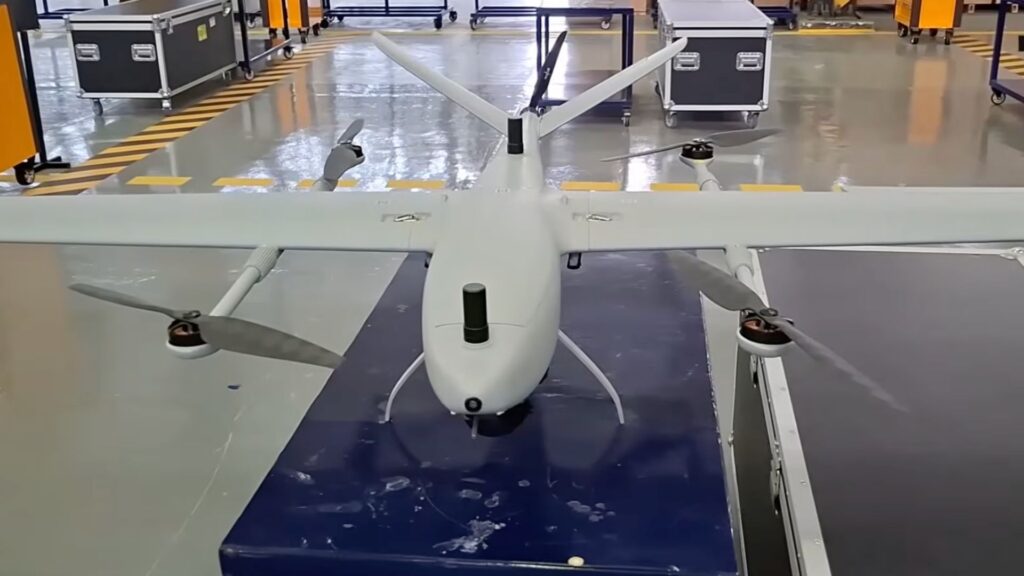
The rules are set out in Announcement No. 49, which revises dual-use export controls across 13 categories covering propulsion, flight-control electronics, communications, software and manufacturing technologies. Covered drones include those capable of beyond-visual-line-of-sight (BVLOS) flight lasting between 30 minutes and three hours in gusts of 46.3 km/h or more, along with drones that fly for three hours or longer.
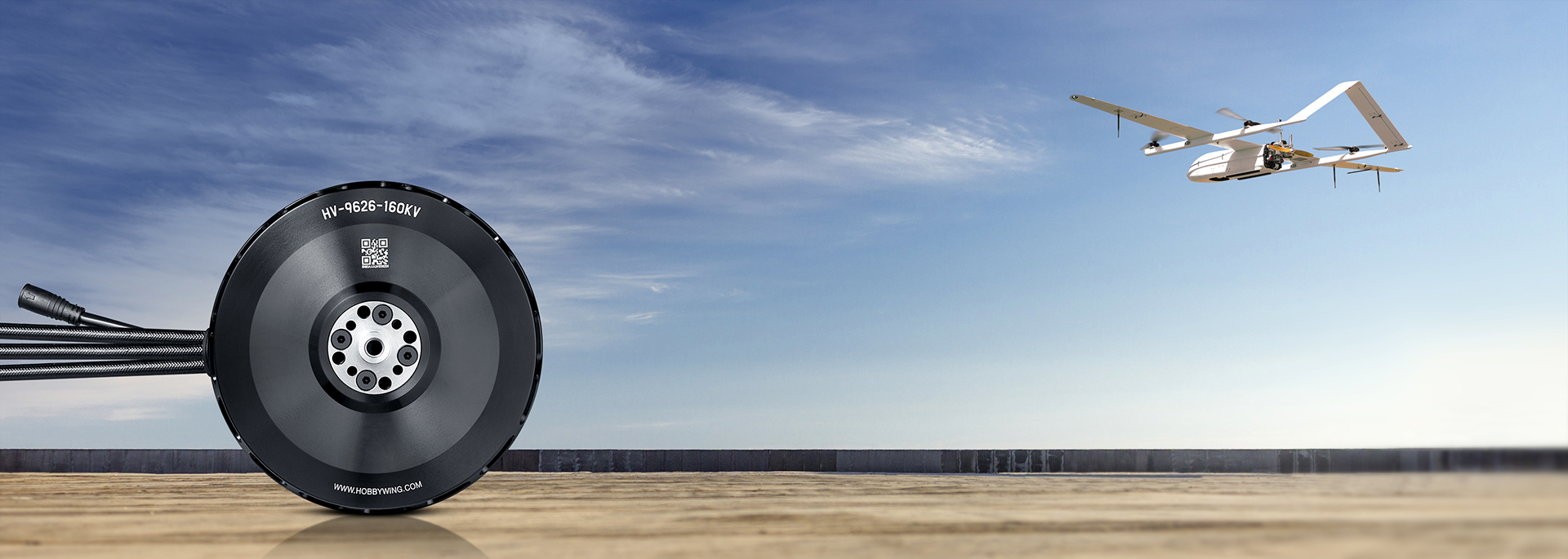
Motor controls apply to brushless motors rated at 48 V or more, with power of at least 3 kW and a power density of at least 3 kW/kg. Engine controls cover drone engines above 16 kW, turbojets producing 400 N or more of thrust and engines designed for flight above 15,420 m.
The list also covers carbon-fibre propellers with blades of at least 762 mm from the centre of rotation, drones with ranges of 300 km or more and specially designed autopilots. Conventional 5- and 7-inch first-person-view (FPV) drones generally fall below the new propulsion thresholds, so their exports, along with batteries and cameras, continue under the existing rules.
MOFCOM cited national security, international non-proliferation obligations and the stability of global supply chains as the reasons for the change. Export licences will be required, and applications that meet the requirements will be approved.
Exporters must give customs the technical specifications, intended use and end-user information for covered items, and customs can detain shipments where declarations are in doubt. The revision also eased controls on some civilian drone items, including simplified registration for eligible models.
Agricultural drones are exempt where tanks are below 80 litres and ranges are under 300 km, raising the previous spraying threshold.
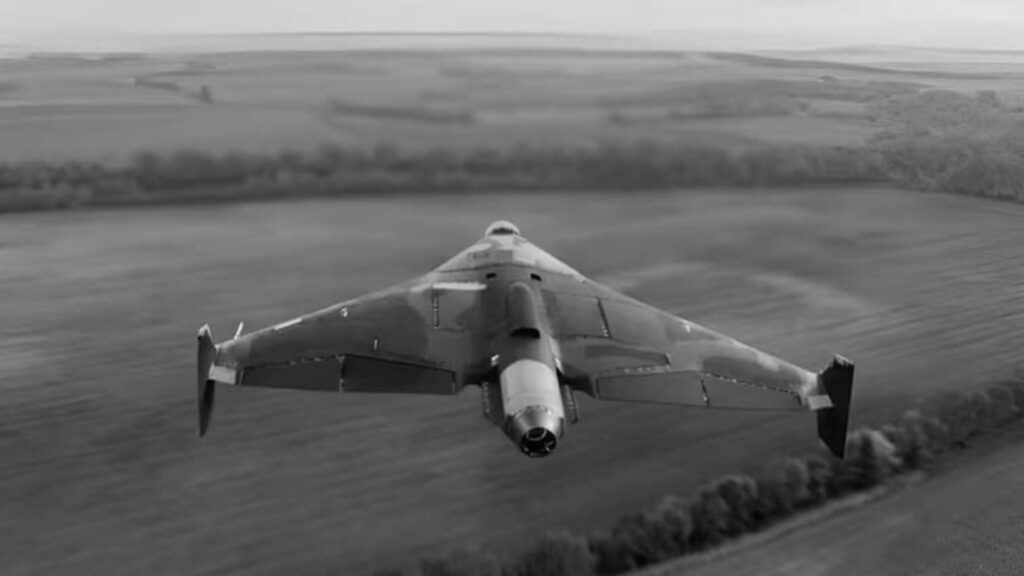
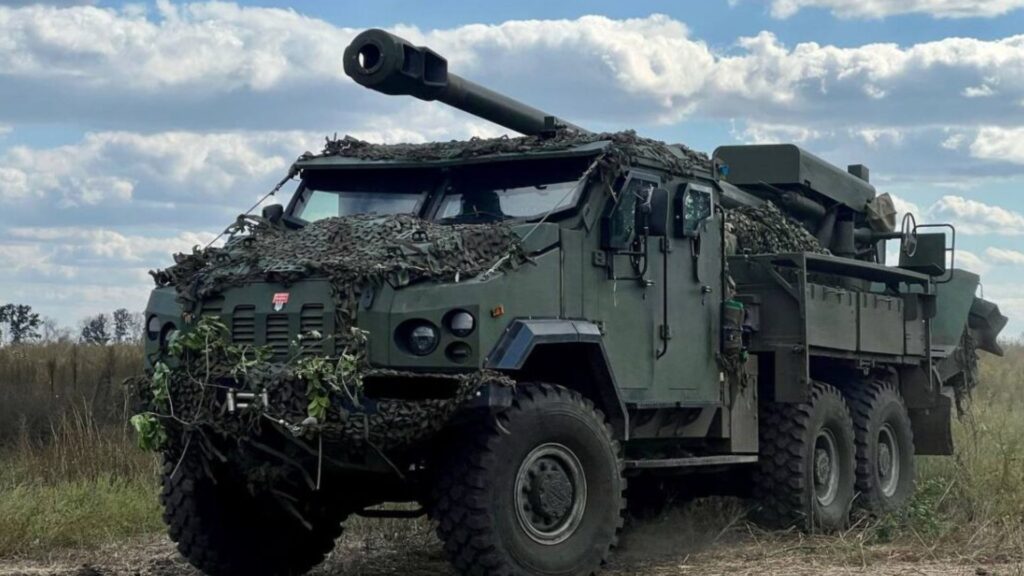
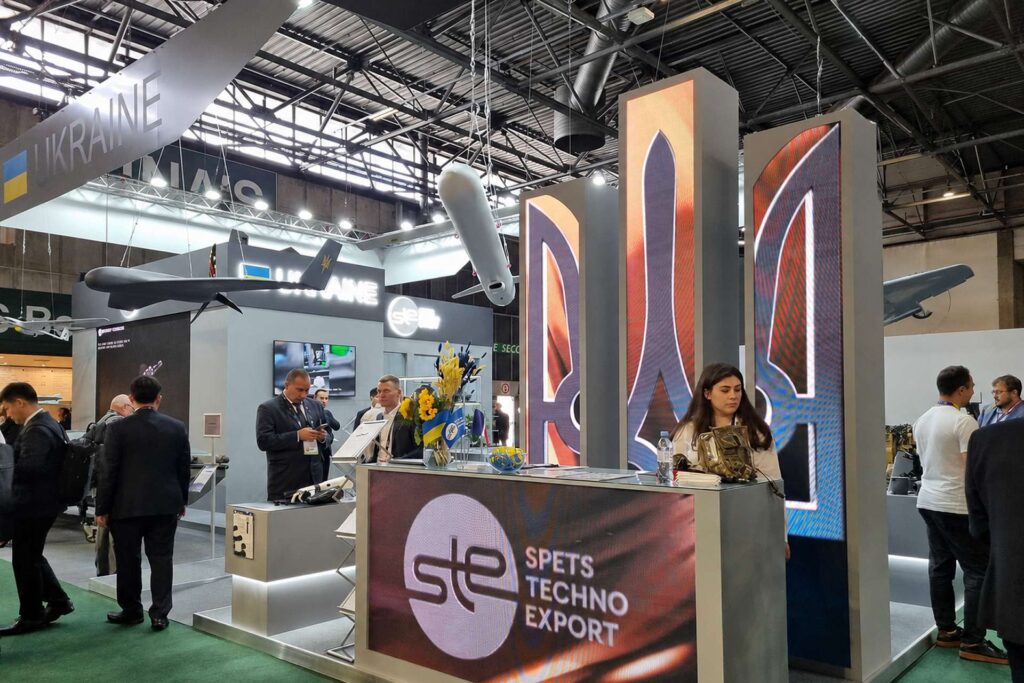
The changes raise supply-chain risks for drone producers in the United States, Europe and Ukraine, with heavy-lift and long-range drones facing the most exposure. For Ukraine, the rules could delay supplies, add inspections and raise costs for specialized autopilots, high-power motors, speed controllers and communication equipment.
Foreign buyers have until the 18 November deadline before the motor licensing rules apply. The covered items are treated as dual-use goods, placing them under China’s export control framework for products with civilian and military applications.