Every big question on the latest Defence Uncut — should Pakistan buy a stealth fighter? why can’t it afford more J-10s? — eventually collapses into one uncomfortable answer. Pakistan does not have a money problem. It has a bargaining problem. It hands over security, trade routes and goodwill, and walks away with far less than it should.
Get the Full Picture on Pakistan’s Defence and National Security
Get dedicated Pakistani defence news, force analysis, procurement tracking, and national security policy insight, backed by more than a decade of documented reporting and depth general news coverage cannot match.
Take the news hook that opens the episode. India is circling the Russian Su-57 “Felon” again, nearly two decades after its first fifth-generation fighter program with Moscow — the FGFA — fell apart over stealth shortfalls, avionics disputes and sustainment costs. (Quwa traced that collapse in its analysis of India’s withdrawal from the FGFA program.) Pakistan’s instinct is to read this as a stealth-gap emergency and rush a J-35 buy.


The hosts argue the cheaper, smarter move is to bargain — to press Beijing and Moscow on why their rare earths and industries should help arm an adversary that Washington is simultaneously courting into the Quad. As Quwa has argued, India is asking the wrong question in the F-35-versus-Su-57 debate, and slowing its modernization by a decade through diplomacy may cost far less than matching it jet for jet.
The reason Russia’s pitch is suddenly so generous is itself a lesson in leverage. Battered by the war in Ukraine and squeezed by sanctions, Moscow now needs India, so it is offering co-production and supply-chain integration no Western supplier will match — while India’s own industry, sensing a bigger revenue share than a French deal offers, pushes for the felon even as the air force would rather buy more Rafales it already knows how to fight. (Quwa flagged this fork when it asked whether an Indo-French fighter program could rise from the FCAS wreckage.) India, in short, is extracting value from a desperate partner. Pakistan, the hosts contend, rarely does the same.
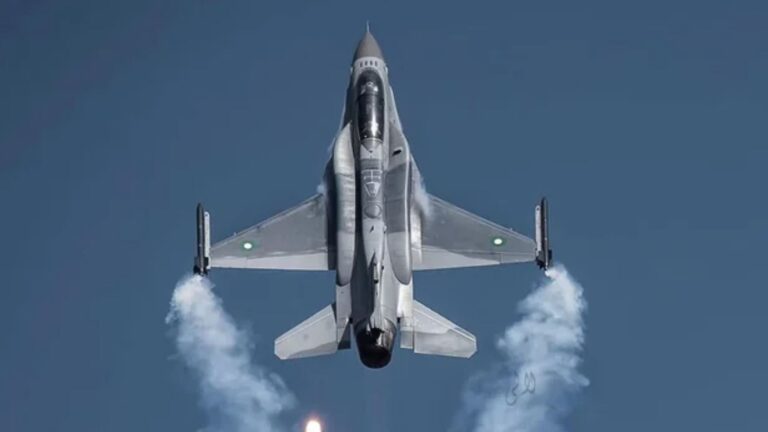
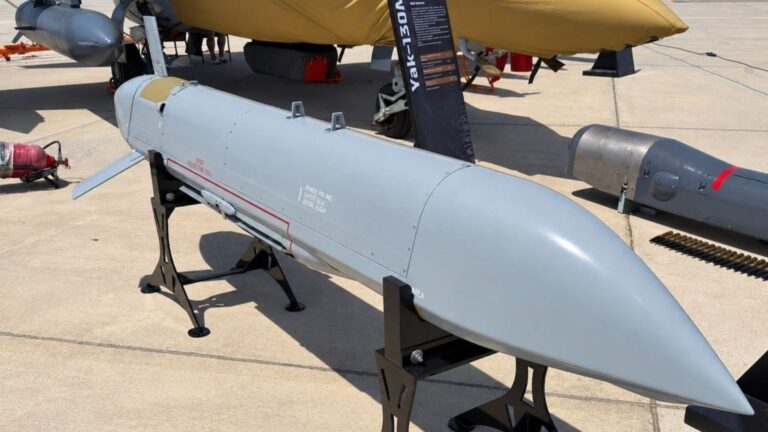
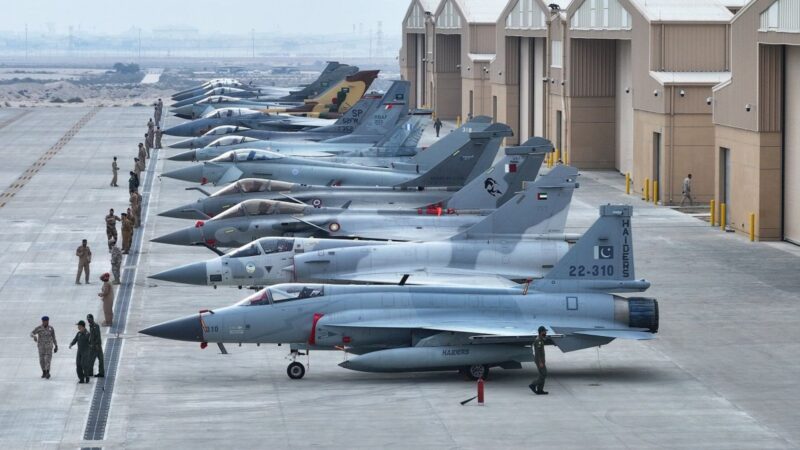
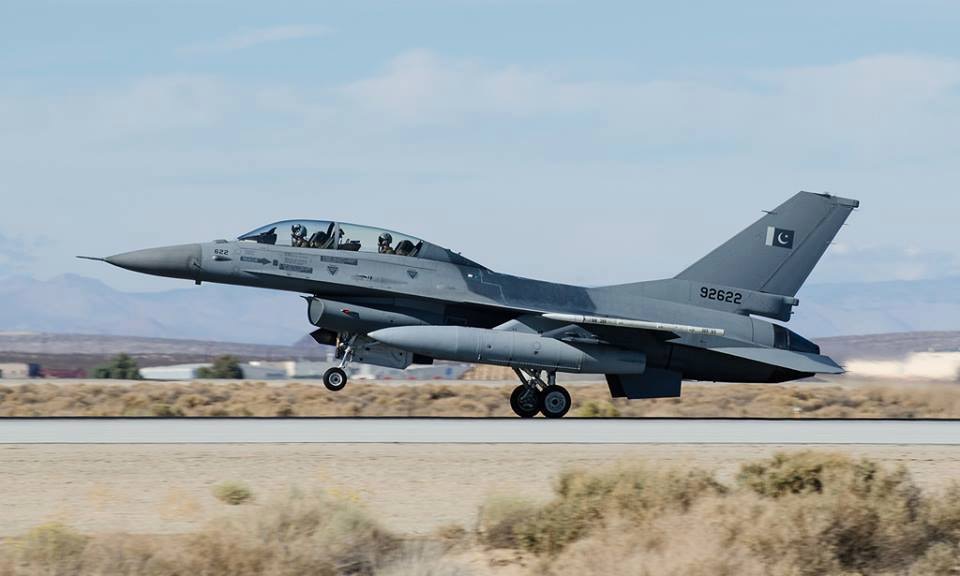
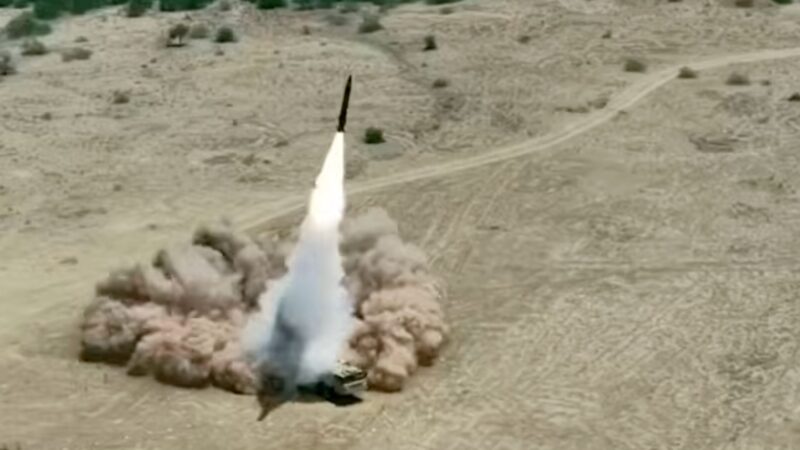
The JF-17 is the cautionary tale. Its Klimov RD-93 engine reaches Pakistan only through China, with strings attached — which is why Islamabad quietly turned to Ukraine for the spares and support that keep the fleet flying, and why later blocks are drifting toward a Chinese powerplant. China never built the JF-17 out of charity: Pakistan paid for the co-development, and the promised order of 200 Chinese air force jets — which would have slashed per-unit costs and widened the spares pool — never materialized. The bill surfaced elsewhere, in markups so steep that the air force finally brought in NESCOM and the Air Weapons Complex to build its own weapons. Pakistan paid roughly five times a JDAM’s price for a Chinese glide kit and double the local cost for cockpit displays — the kind of shakedown that pushed it toward indigenous munitions like the Azb and Ra’ad, often with help from middle powers such as South Africa. That same instinct underpins Pakistan and Ukraine’s collaboration on precision-guided munitions.
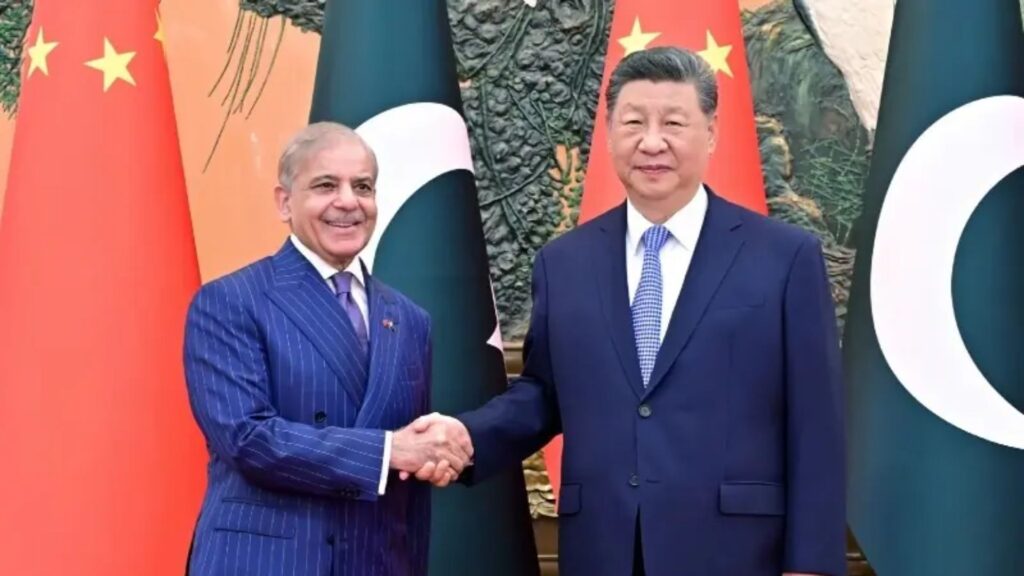
The pattern scales up to CPEC. Its power deals came with sovereign guarantees that now route an estimated $1.5–2 billion a year to China, while debt servicing swallows more than half the national budget — the real reason Pakistan keeps saying it cannot afford fighters. Officials signed without pushing back, the hosts note, where their predecessors from the 1950s through the 1980s used to drag Chinese counterparts into uncomfortable conversations and walk out with better terms.
That habit has deep roots. In the 1960s, a group of expatriate scientists offered Ayub Khan a full nuclear fuel cycle — and with it the capacity for weapons and cheap reactor power — for about $1.65 billion in today’s money. He declined, reasoning that Pakistan was too poor to think big and could always get a bomb “from a friendly state.” The punchline writes itself: when the establishment later decided to push, it built the fuel cycle anyway. Bargaining hard and investing in capacity worked — the moment Pakistan chose to.
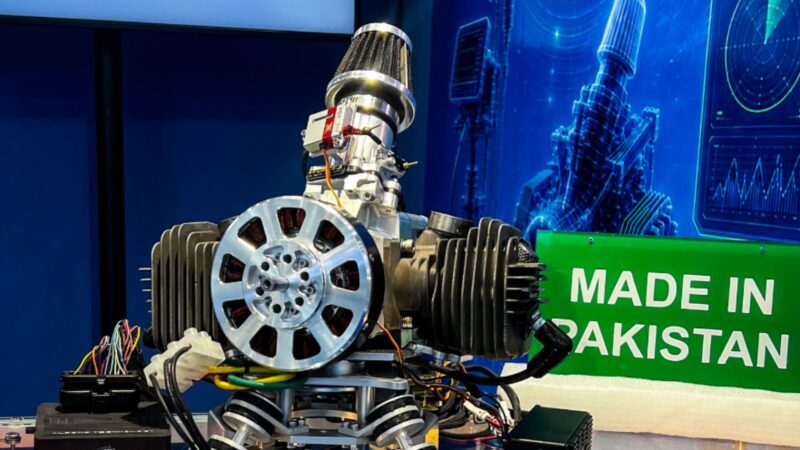
Which is why Ukraine, not Russia, is the partnership model the hosts keep returning to. Long before the war, its quiet industrial base — gas turbines, metallurgy, solid-rocket motors, miniature cruise-missile engines — was hiding in plain sight, and firms like Firepoint have since turned old S-300 stock into new missiles. Pakistan should have co-funded a turbofan engine program with Kyiv years ago and trained its own workforce in the process — a genuine win-win rather than a one-way payment.
The through-line across an hour of fighters, engines, CPEC and India’s looming nuclear breakout is a single argument: draw red lines, work with middle powers, and demand value from every partner. There are early signs Pakistan is learning — the private sector now driving its drone boom is proof. Next week, Defence Uncut turns to Woot-Tech’s rocket-assisted-takeoff test, a thread the hosts began in their earlier episode on why drones, not fighter jets, are the future of the air force.
Quwa Plus · In-Depth Pakistan Coverage
Understand Pakistan’s Defence and National Security in Unmatched Depth
Understand what Pakistan is acquiring, how its armed forces are evolving, and where national security policy is heading through dedicated defence news, force analysis, procurement tracking, Pulse Check briefings, and more than a decade of documented reporting.
Featured & Trusted By