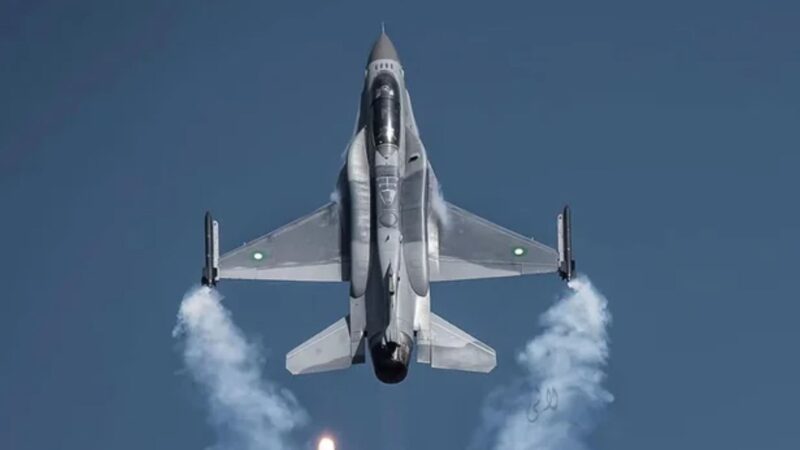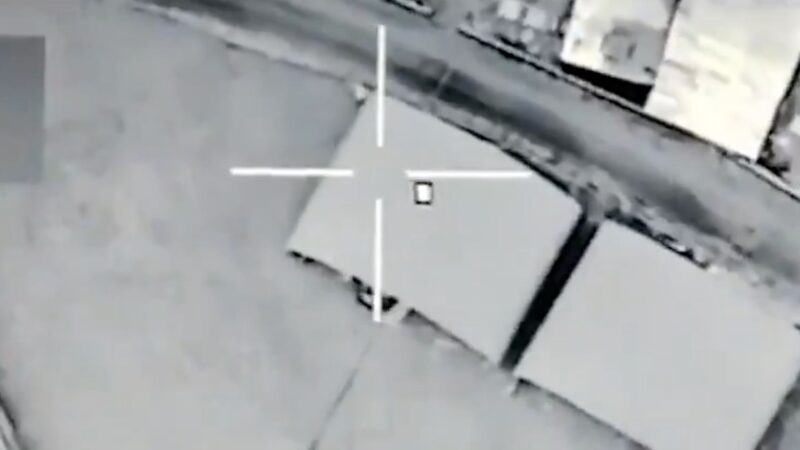

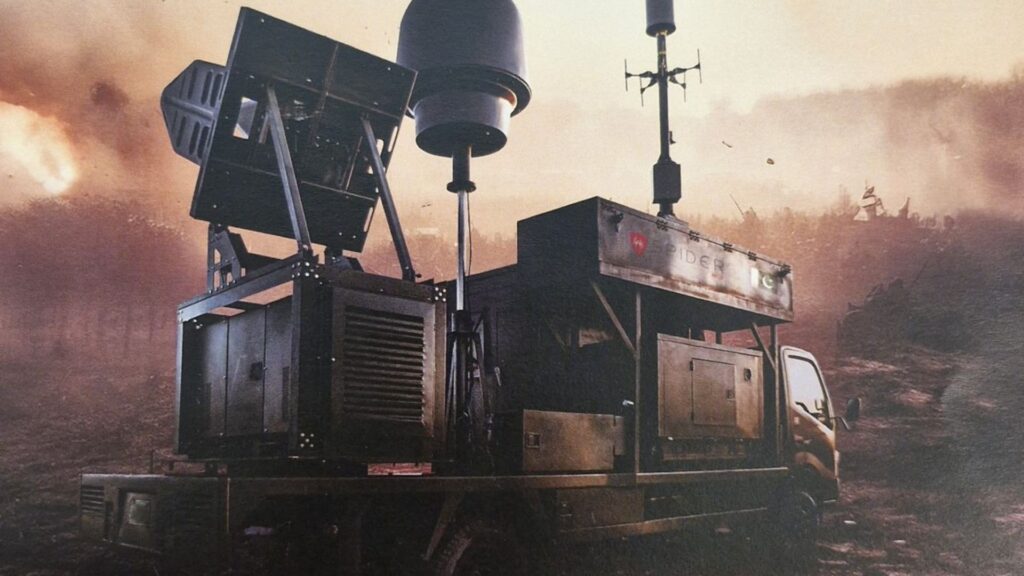
It seems that Pakistan’s current approach to counter-unmanned aerial systems (C-UAS) involves disparate systems – both soft-kill and hard-kill – trying to stop quadcopters and loitering munitions. Moreover, the employment of C-UAS, currently at least, seems localized, but with limited upward connectivity to a broader system.
This matters because in a state-on-state conflict, the drone threat is not a localized problem as it might be in counterinsurgency (COIN) and counter-terrorism (CT). Rather, enemy states will use drones as a piece of a wider attack strategy, which could manifest in many different ways, from large-salvo strikes through a large number of loitering munitions to mixed-salvos employing both drones and missiles.
So, the threat necessitates having a strategic picture, even though tomorrow’s threats might be smaller, lower-cost, and simpler than ever. Moreover, lacking that strategic picture – and the systems to manage one’s sensors and counter-drone effectors (be it soft-kill or hard-kill) – not only leads to leakage (thereby resulting in significant damage to one’s key assets), but also to the depletion of advanced surface-to-air missiles (SAM) and/or other high-cost, high-value effectors on low-cost threats. Or, alternatively, it could lead to situations where a specific local area cannot leverage superior effector options due to the inability to alert other systems of its soft-kill or hard-kill attempts.
Related reading

Quwa Plus
Go Beyond the Headlines on Pakistan’s Defence and Security.
Quwa Plus gives you deeper reporting, briefings, and analysis on Pakistan’s defence programs, foreign policy, national security, and regional strategy. Follow the developments that matter to professionals, analysts, and serious readers tracking Pakistan’s security landscape.
Join ($29.99/Year) Already a subscriber?Sign in