On 20 October, retired Lt. General Khalid Kidwai, the Adviser to the National Command Authority (NCA) – the apex body that manages Pakistan’s strategic assets – warned that India’s nuclear warhead production and deployment capacity has evolved to levels where it can “undertake a first strike against Pakistan at zero notice.”
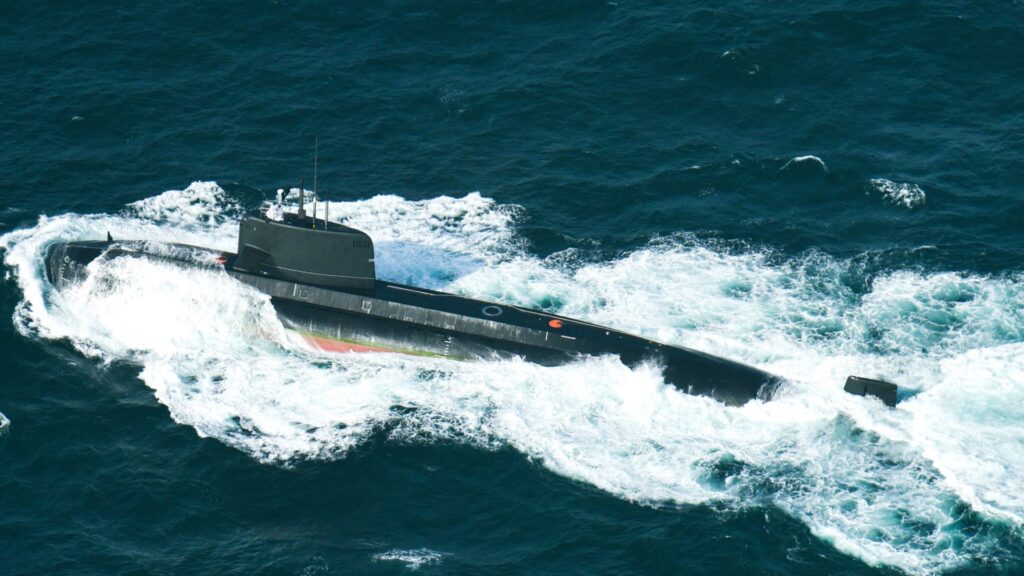
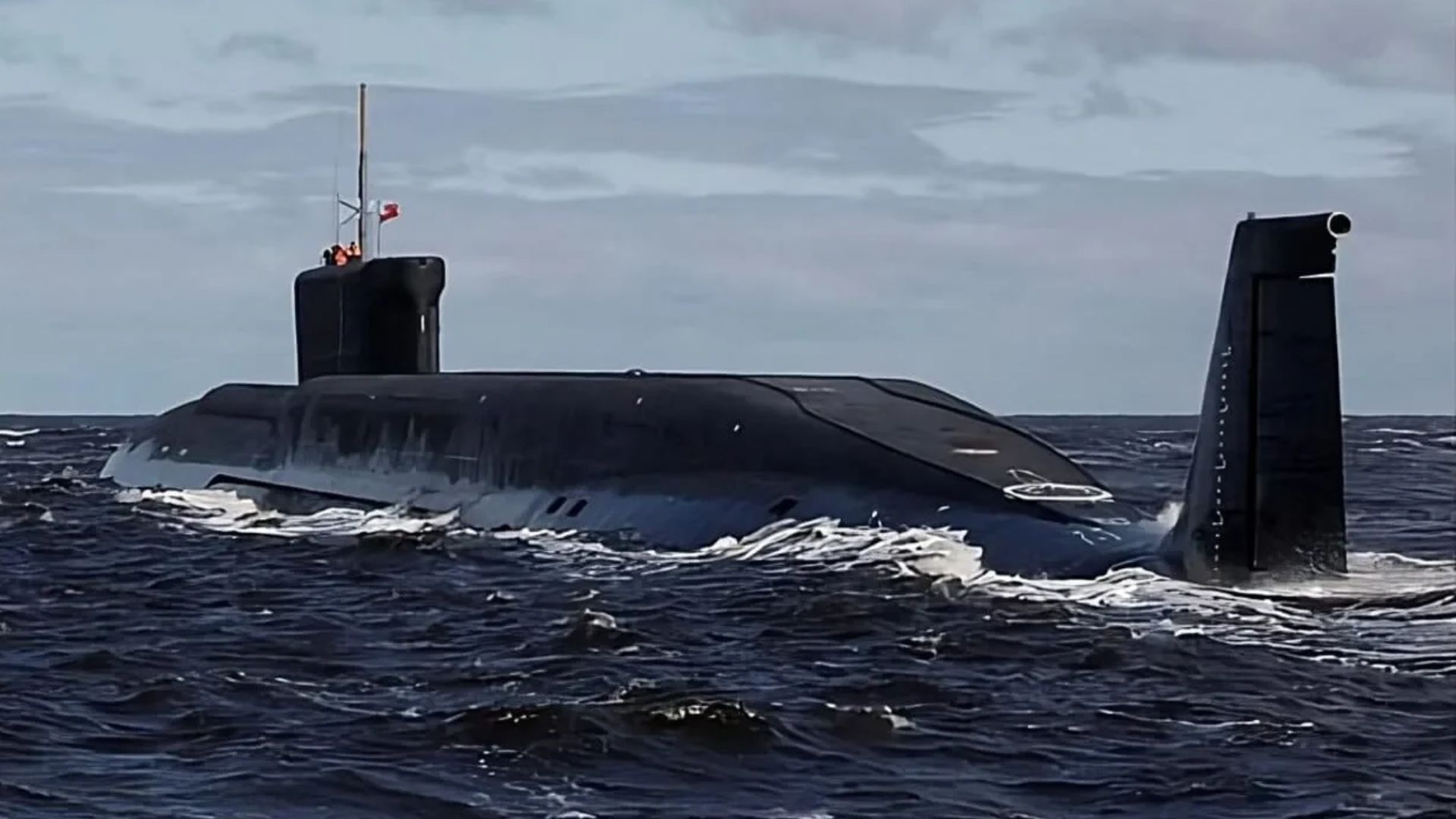
Lt. Gen. (R) Kidwai questioned India’s commitment to its No-First-Use policy, pointing to the Indian Navy’s (IN) growing nuclear-powered submarine fleet, headlined by the Arihant-class nuclear-powered ballistic missile submarines (SSBNs).
Kidwai’s core contention was that though India maintained a No-First-Use policy on paper, the actual capabilities it is building point towards a capacity to execute quick, decisive strikes and – by virtue of deploying long-range nuclear-tipped ballistic missiles from sea – with significant flexibility and distance from Pakistan’s current retaliatory measures.
Reflecting on Kidwai’s statements, there are several key dynamics worth unpacking.
First, Pakistan’s national security establishment does not take India’s stated policies at face value. Even as far back as 1963, Pakistan suspected that India was using the commercial market, which was relatively accessible at the time, to build the nuclear fuel cycle with the goal of pursuing weapons. Dr. Munir A. Khan (who would later head up the Pakistan Atomic Energy Commission, or PAEC) advocated to then President Ayub Khan to procure the entire nuclear fuel cycle from the market in 1965.1 Thus, in some ways, the policy warnings of the Pakistani security establishment herald the signs of a responsive maneuver in the future.
Go Beyond the Headlines on Pakistan’s Defence and Security.
Quwa Plus gives you deeper reporting, briefings, and analysis on Pakistan’s defence programs, foreign policy, national security, and regional strategy. Follow the developments that matter to professionals, analysts, and serious readers tracking Pakistan’s security landscape.
Join ($29.99/Year) Already a subscriber?Sign in