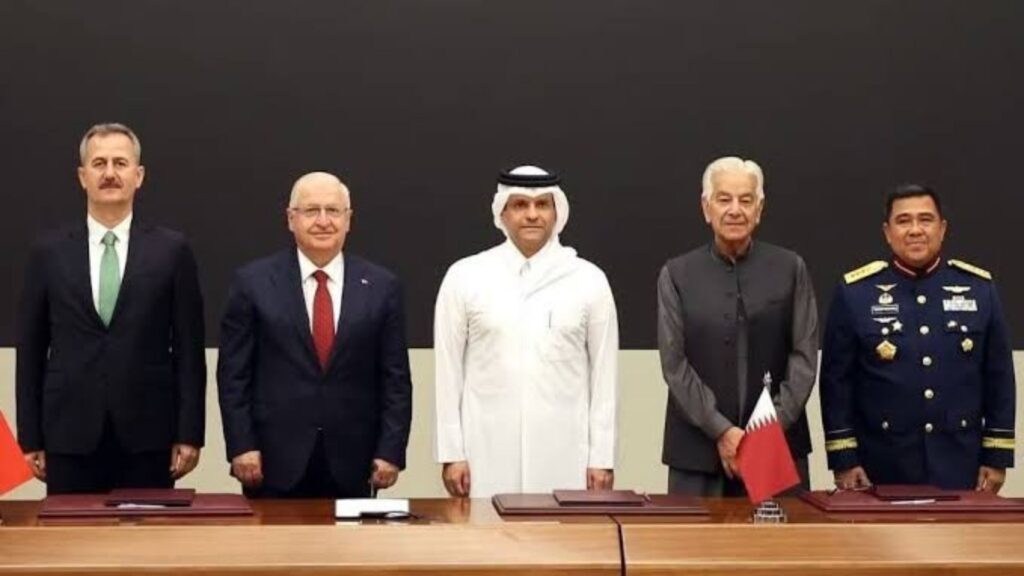
As of October 2026, Turkish defence original equipment manufacturers (OEMs) signed more than USD $15 billion in export contracts, with the country’s Presidency of Defence Industries (SSB) expecting the total foreign order intake to reach $20 billion by the end of the year.
Physical export deliveries or fulfillment, meanwhile, stood at $7.4 billion by mid-October 2026. This followed $6.93 billion in actual shipments during the first nine months of 2026, a 15.6% increase year on year (YoY). These figures mark a fourth consecutive year in which Turkish defence export bookings have exceeded deliveries by roughly two to one.
In 2023, Türkiye signed $10.2 billion in export orders and shipped $5.5 billion; in 2024, it booked approximately $10 billion and delivered $7.15 billion; and in 2025, new contracts reached $17.9 billion against $10.05 billion in completed deliveries.
Since 2023, Turkish contractors have accumulated approximately $53.1 billion in foreign agreements while delivering $30.1 billion, leaving roughly $23 billion in unfulfilled export work. Given the current pace of deliveries, that balance amounts to over two full years of outstanding foreign business. Overall, the growing gap indicates that Türkiye’s defence industrial base is reaching the limits of its domestic production capacity.
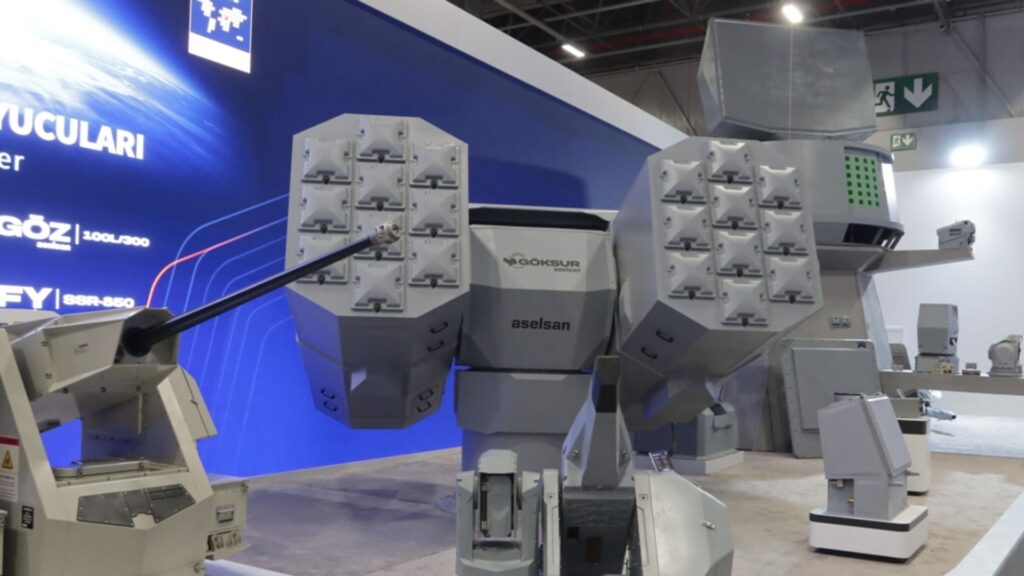
In parallel with growing overseas demand, the Turkish defence industry is also seeing strong and surging demand at home. For example, Ankara’s development goals – e.g., its emerging multi-layered Steel Dome (i.e., Çelik Kubbe) integrated air defence network – comprise 70% to 85% of its leading OEM orders, especially those of Aselsan, Havelsan, and Roketsan.
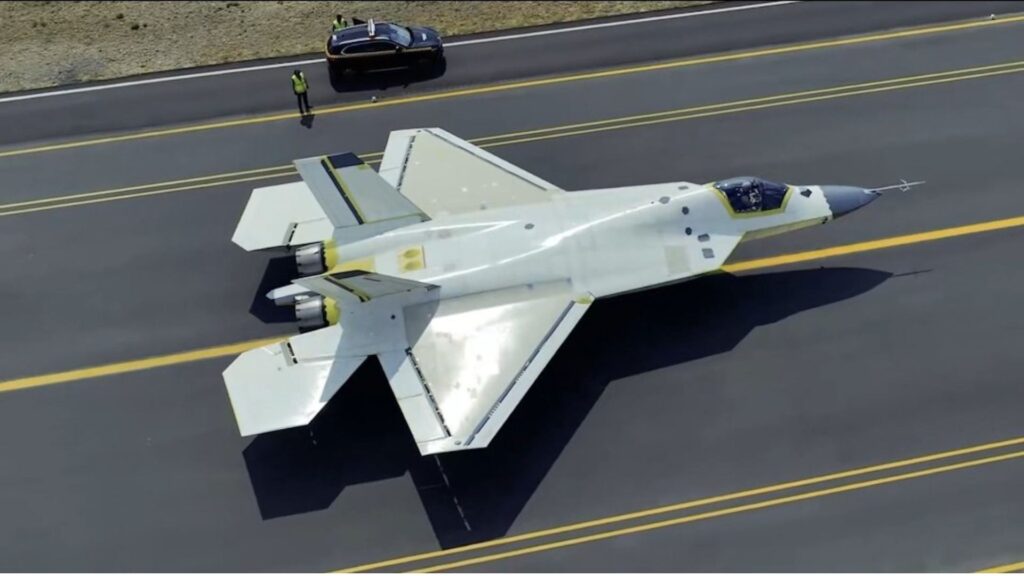
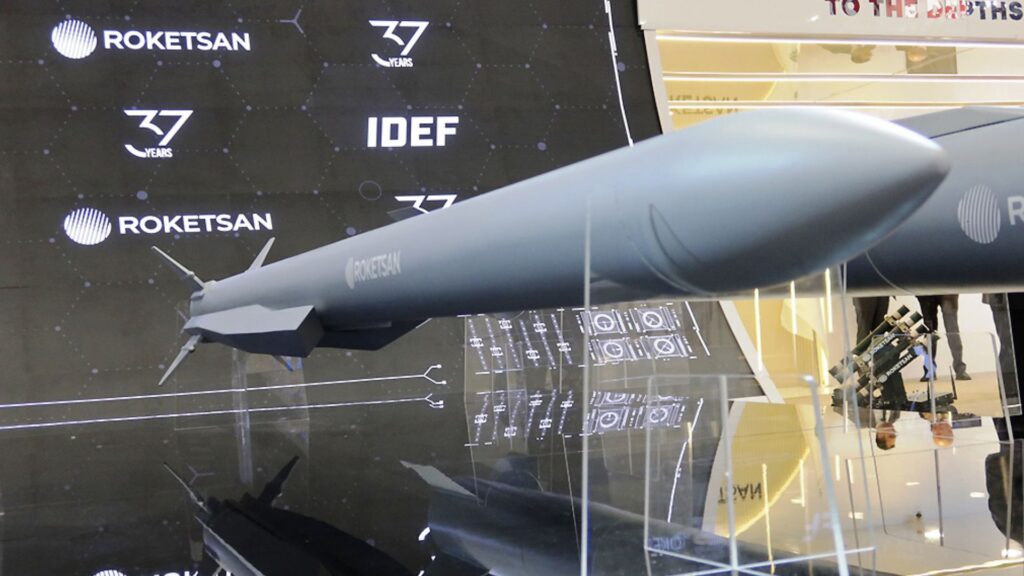
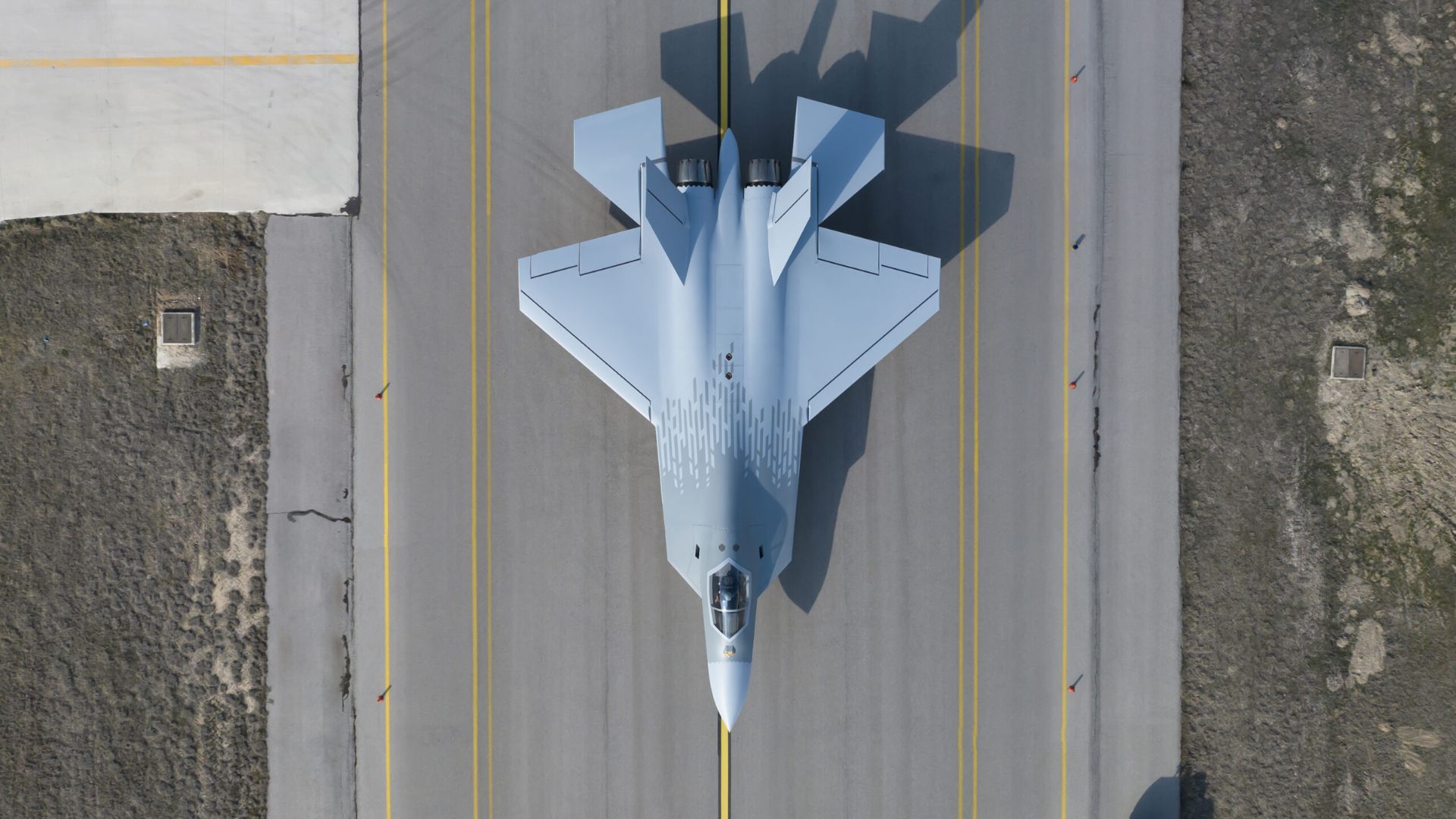
However, at the same time, major export platforms with long lead times – e.g., Indonesia’s KAAN fighters, naval combatants, and heavy armoured vehicles – are scheduled to enter serial delivery between 2027 and 2030. Thus, Turkish defence planners and OEM leaders are changing how they organize production to keep foreign backlogs from becoming delay liabilities. Basically, industrial offsets and co-production are moving beyond their traditional role as concessions used to secure a sale and, instead, the vehicle for boosting production capacity and (albeit at the potential risk of losing future job growth in Türkiye) guaranteeing Turkish OEM revenue and market share gains.
See Where Emerging Defence Markets are Moving
Quwa Pro goes beyond tracking programs and equipment by explaining the policies, incentives, industry dynamics, and competitive pressures shaping South Asia's defence markets.
Subscribe Already a subscriber?Sign in