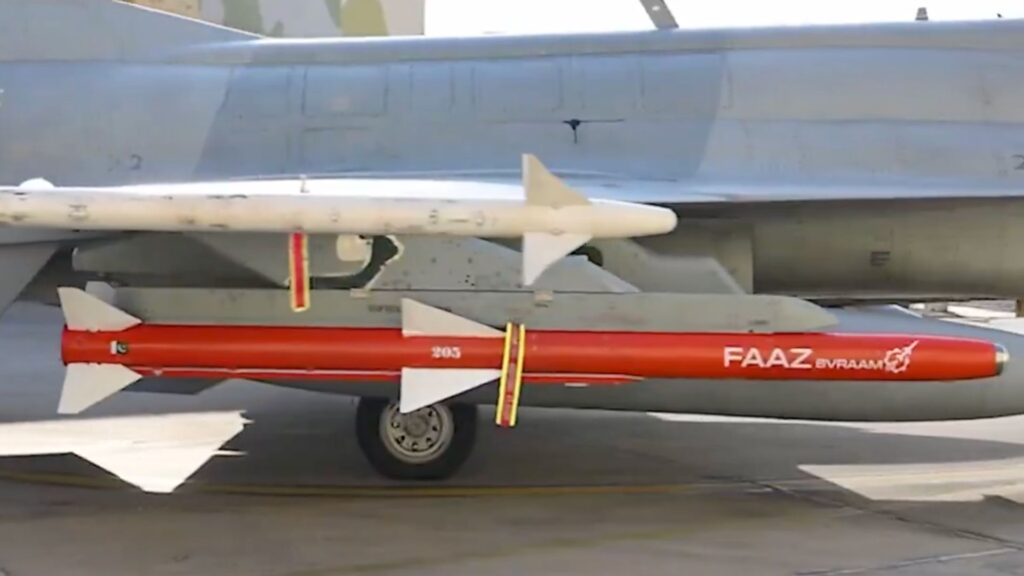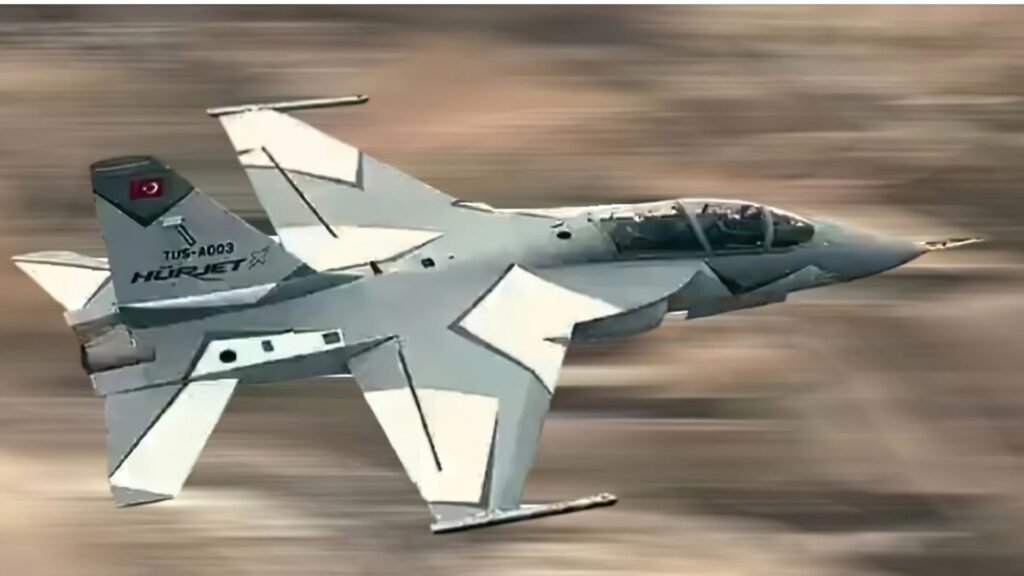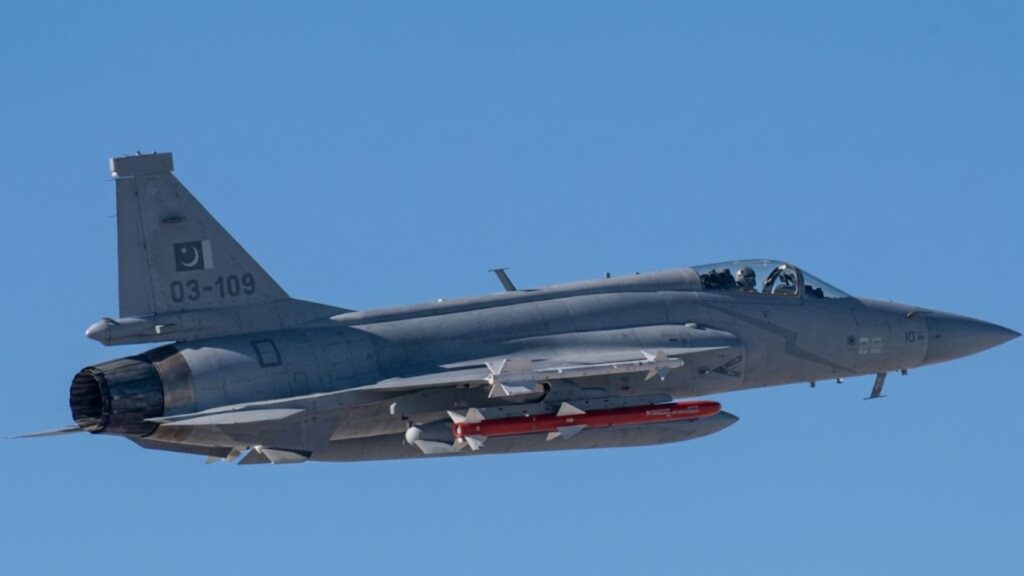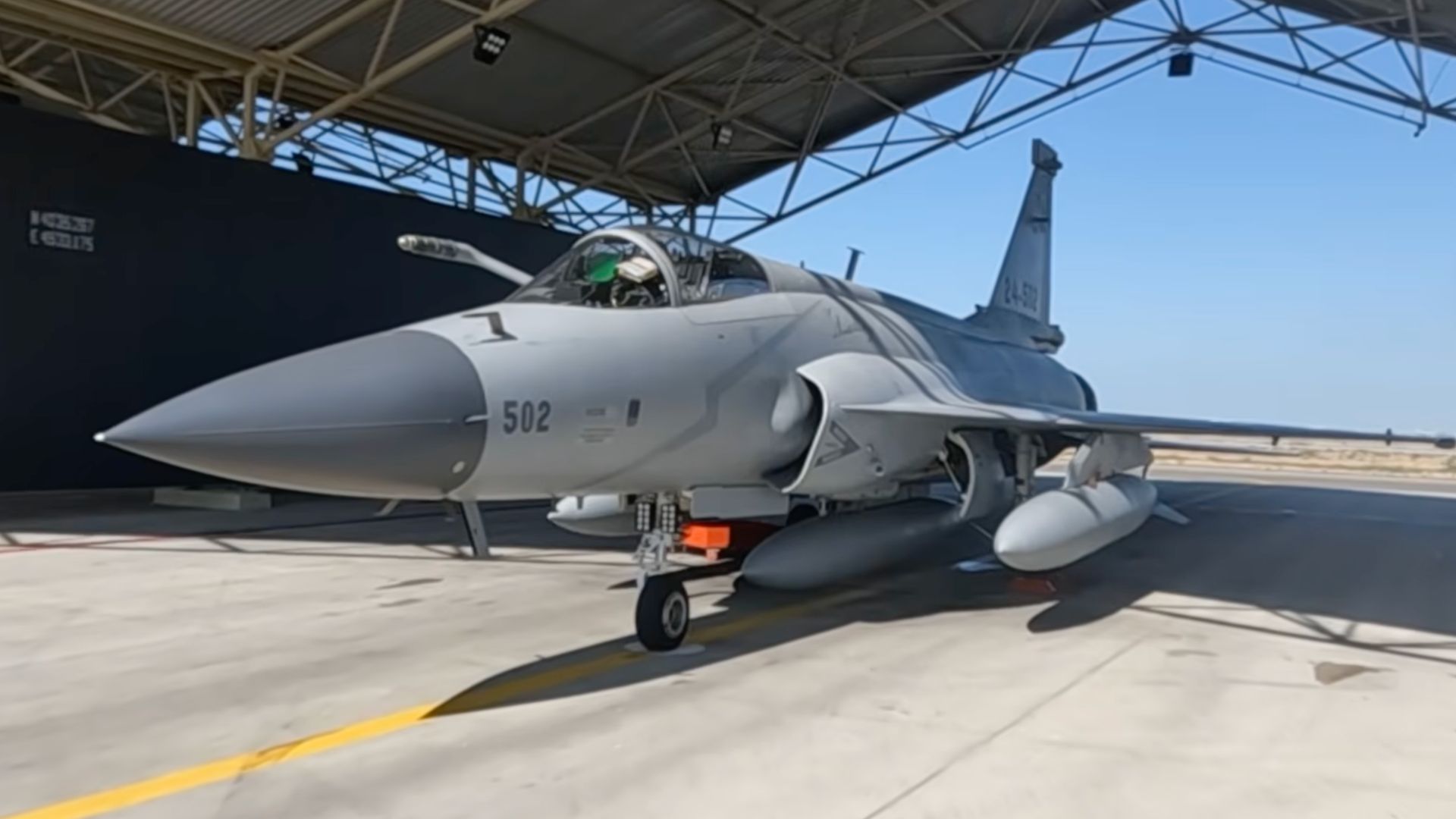
Last year, Turkish defence electronics giant Aselsan disclosed that it supplied ARTCom 9681 VUHF-A (Very-Ultra High-Frequency Airborne) radios into the mission computer of the JF-17 Thunder, the Pakistan Air Force’s (PAF) workhorse multirole fighter.
However, Aselsan also added that the integration and tests were done for a Central Asian country – and it even stated that this package (JF-17 + ARTCom 9681) entered the inventory of this country. There have been rumours of Turkmenistan acquiring the JF-17; however, these reports have not been confirmed. In fact, geo-politically, Türkiye considers Azerbaijan to be part of Central Asia in the sense of being among the Turkic nations. Thus, Aselsan could easily be referring to Azerbaijan rather than a new customer.
That said, from the sales (i.e., Myanmar, Nigeria, and Azerbaijan) and non-sales (i.e., Uzbekistan, Malaysia, etc.) thus far, there are correlative trends in the successful orders.
Basically, a prospect operating old or obsolete combat aircraft is not the sole metric or driver of a JF-17 sale. When Pakistan embarked on the JF-17 (then known as FC-1 or Super-7), it and the Aviation Industry Corporation of China (AVIC) had forecasted that the aircraft would have significant viability due to the numbers of legacy MiG-21, F-7, F-5, and other fighters in operation around the world.
Yet, as the market would show, many of those air forces had opted to move towards polar ends of either a few high-technology, high-performance aircraft or, at the other, slower local security and air-policing-oriented platforms. In other words, one will see air forces adopt Rafales or Typhoons on one end, or Super Tucanos on the other. Until 2022, the tactical fighter space was shrinking.
Go Beyond the Headlines on Pakistan’s Defence and Security.
Quwa Plus gives you deeper reporting, briefings, and analysis on Pakistan’s defence programs, foreign policy, national security, and regional strategy. Follow the developments that matter to professionals, analysts, and serious readers tracking Pakistan’s security landscape.
Join ($29.99/Year) Already a subscriber?Sign in