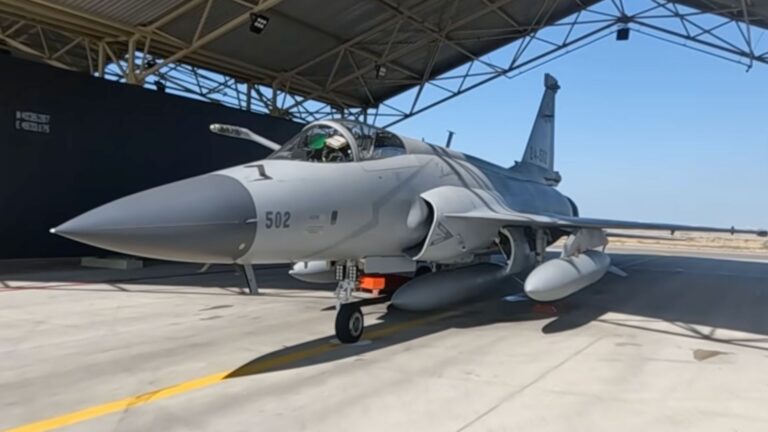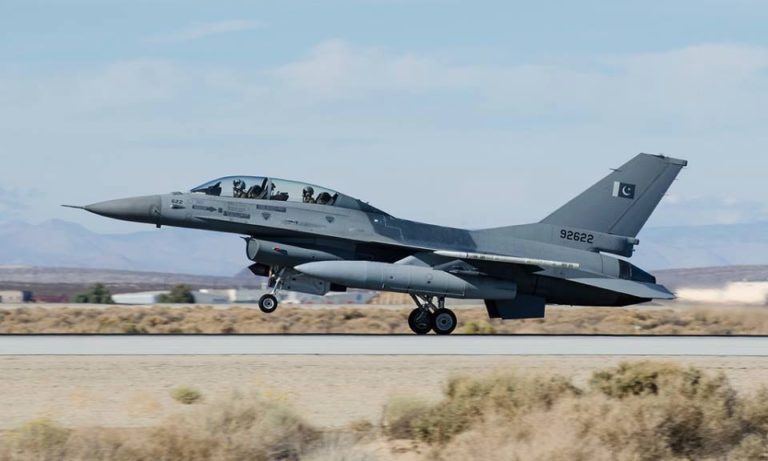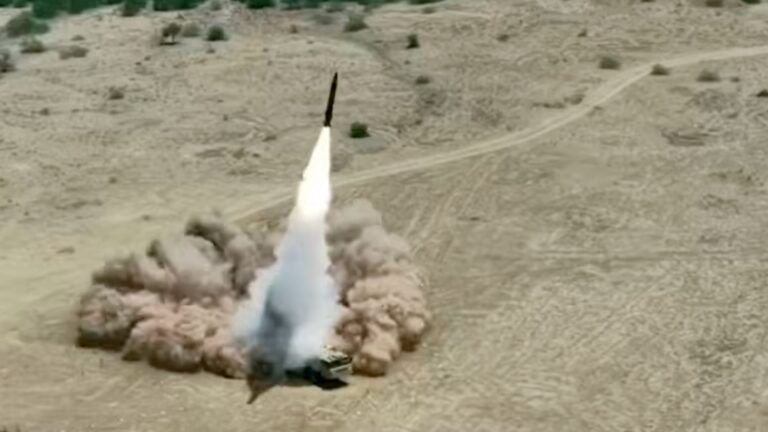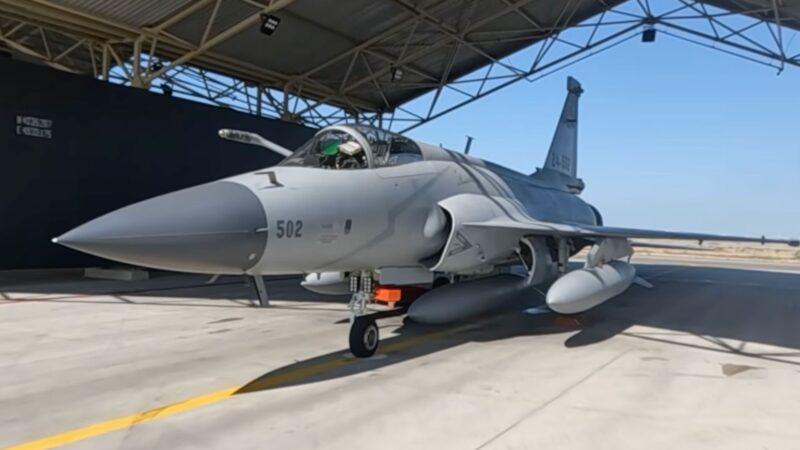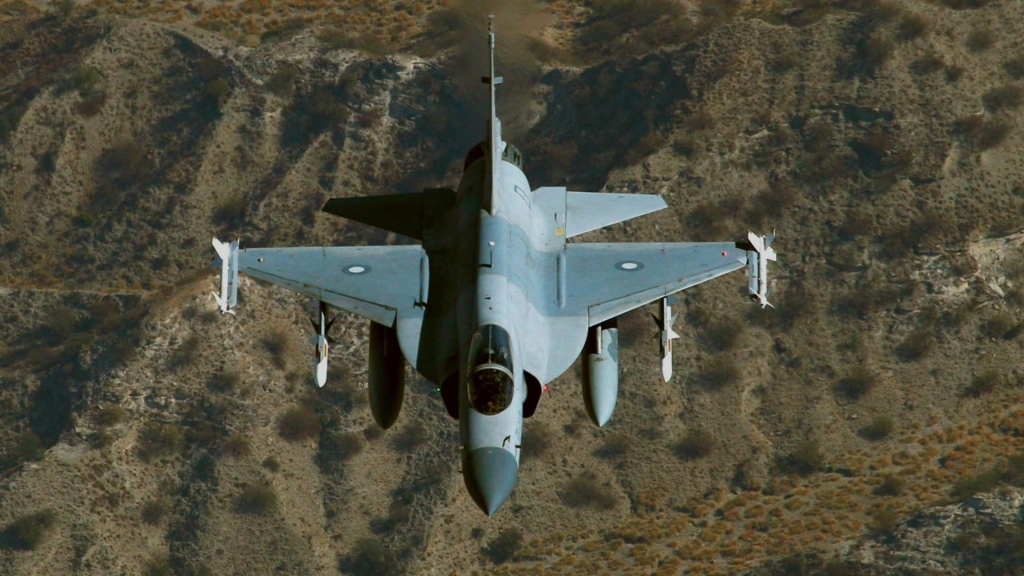
The JF-17 Thunder is the Pakistan Air Force’s most numerous fighter aircraft. Over 170 units have been produced. Export interest is surging, with countries from the Middle East to Southeast Asia lining up after the Thunder’s combat-proven performance in 2025. And with Air Vice Marshal Ghazi signalling additional procurement, the programme is far from over.
But none of that answers the harder question — the one that determines whether Pakistan is still buying fighters 20 years from now, or building them.
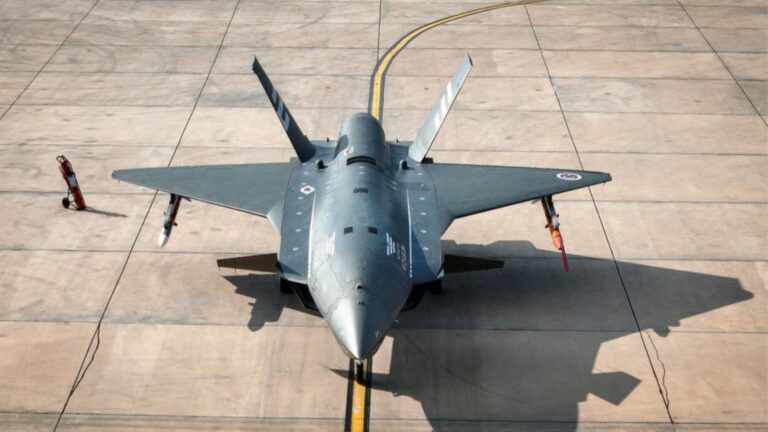
In this episode of Pulse Check, Bilal Khan and aerospace engineer Aseem sit down to examine whether the JF-17 Thunder can become the seed of a Pakistani aerospace industry, the way F-16 licensed production at Turkish Aerospace Industries (TAI) seeded the ecosystem that eventually produced the KAAN fifth-generation fighter.
The Problem Nobody Wants to Name
The Pakistan Air Force has always operated as a fighting force first. When the PAF chose the JF-17, it made a pragmatic decision: delegate the development work to China’s Chengdu Aircraft Corporation (CAC), help fund the programme, and get a capable, sanctions-proof fighter in return. Fair deal.
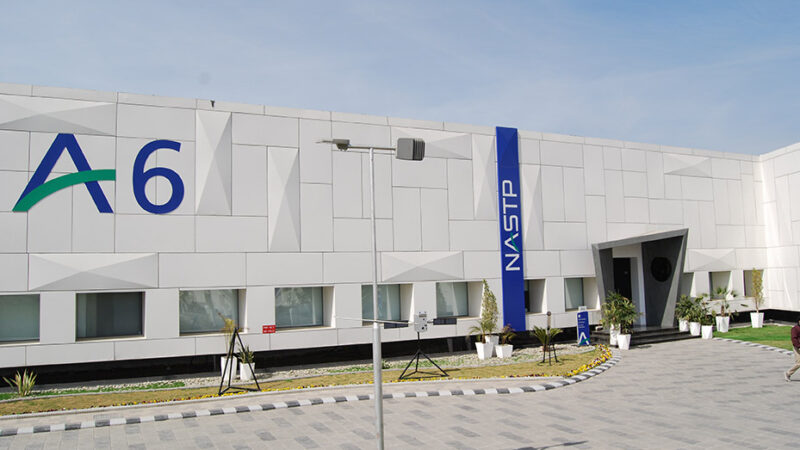
But that approach created a structural dependency. Pakistan Aeronautical Complex (PAC) Kamra manufactures roughly 60% of the JF-17’s airframe — the wings, the vertical tail — but critical components, tooling, and production knowledge still sit in China. The engine comes from Russia today; it will likely come from China tomorrow. And the deeper integration work — qualifying new radars, testing weapons separation, building the computational infrastructure for CFD simulations — is only now beginning to be addressed through PAF’s integration facility, established in 2019.
The question is whether the JF-17 Thunder remains a procurement programme that Pakistan participates in, or becomes a platform around which Pakistan builds something permanent.
Get the Full Picture on Pakistan’s Defence and National Security
Get dedicated Pakistani defence news, force analysis, procurement tracking, and national security policy insight, backed by more than a decade of documented reporting and depth general news coverage cannot match.
Three Countries Tried This. One Got It Right.
This is where the episode gets interesting. Rather than treating the JF-17’s future as a Pakistan-only discussion, Bilal and Aseem pull back and compare three countries that faced the same dilemma — and made very different choices.
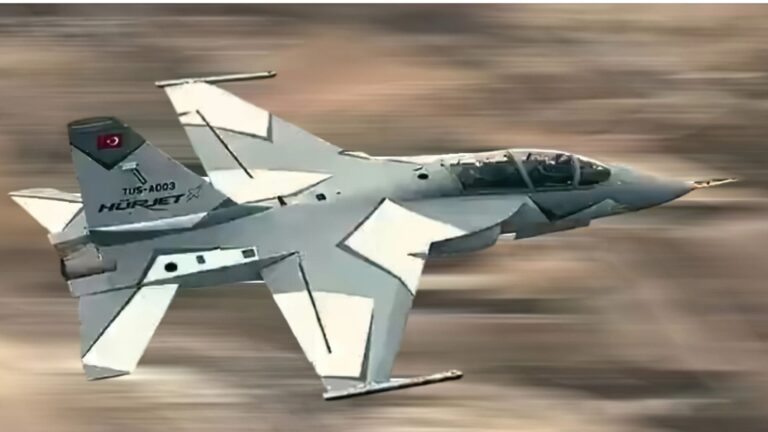
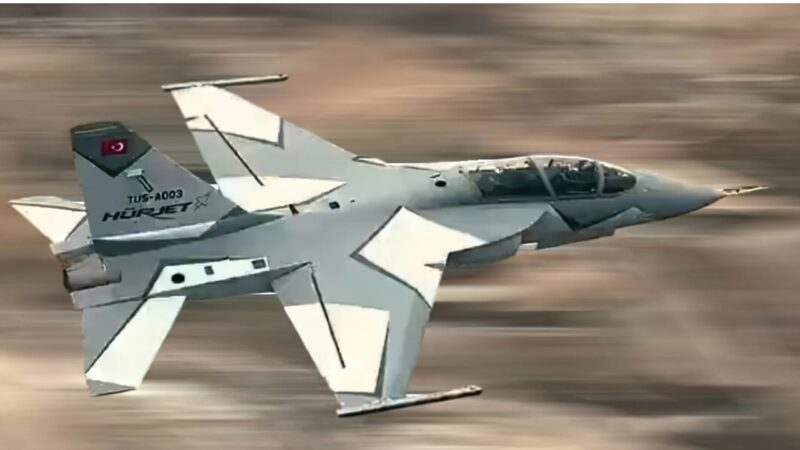
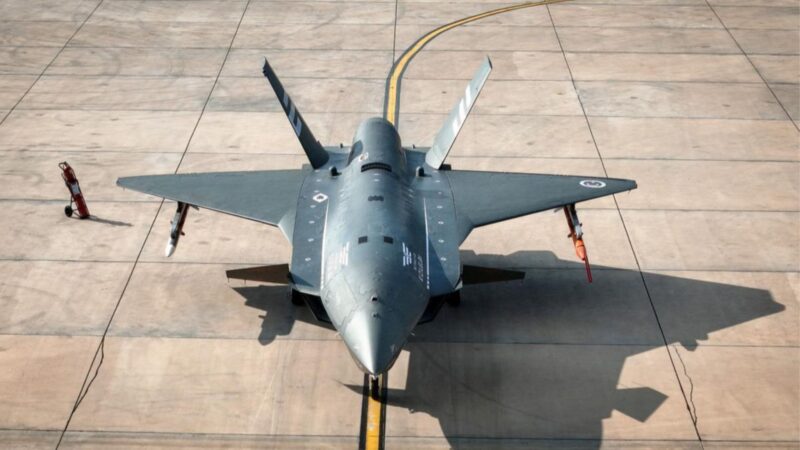
Türkiye started with the F-16. TAI did not design it. They manufactured parts of it, under license, and built the industrial inputs — alloys, composites, avionics integration, CNC machining — incrementally around that programme. The Hürkuş trainer came next, then the Hürjet advanced trainer, and eventually the KAAN. Each step was something the Turkish Air Force wanted and committed to buying. Industrial development followed air force buy-in, not the other way around.
India took the opposite approach with the Tejas. Hindustan Aeronautics Limited (HAL) and the defence bureaucracy drove the programme from an industrial-interest-first perspective. The result: the Indian Air Force (IAF) never fully bought in, and today the IAF wants Dassault Rafale fighters while the bureaucracy insists on technology transfer, localization, and source code access. Both sides are right. Both sides are stuck.
South Africa, under apartheid-era sanctions, had no choice. Atlas Aerospace took the Mirage III and Mirage 5 fleet, invested in MRO capabilities, and incrementally expanded into airframe modification, new avionics integration, and eventually a clean-sheet redesign — the Cheetah multirole fighter. They built an aerospace industry out of maintenance necessity, not grand strategy.
The common thread across all three? None of them started by designing their own aircraft from scratch. They started with someone else’s platform and built the industrial ecosystem around it.
Where Does the JF-17 Thunder Fit?
This is the core thesis of the episode, and it comes from Aseem: the JF-17 is to Pakistan what the F-16 was to Türkiye. Except that Pakistan is decades behind.
The preview above covers the strategic framing — why the PAF’s fighting-force mentality created a dependency, why India’s industrial-first approach created delays, and why Türkiye’s incremental model is the one to study. But the full episode goes further. Bilal and Aseem lay out a concrete policy roadmap: what institutional restructuring would be needed, where investment should flow first, how airframe production could be fully localized, and what role organizations like NESCOM and partnerships with entities like AVIC could play in getting Pakistan to the point where it can manufacture the entire JF-17 Thunder domestically.
They also address the question everyone asks — where does the money come from? — with an answer that does not rely on foreign aid or wishful thinking.
Listen to the Full Episode
The free preview covers the strategic comparison between Pakistan, Türkiye, India, and South Africa. The full episode — available exclusively to Quwa Plus and Quwa Pro subscribers — goes deep into the policy proposal, the technical integration challenges, the investment sequencing, and a vision for what a 500-plus JF-17 Thunder lifecycle commitment could mean for Pakistan’s industrial future.
Quwa Plus · In-Depth Pakistan Coverage
Understand Pakistan’s Defence and National Security in Unmatched Depth
Understand what Pakistan is acquiring, how its armed forces are evolving, and where national security policy is heading through dedicated defence news, force analysis, procurement tracking, Pulse Check briefings, and more than a decade of documented reporting.
Featured & Trusted By