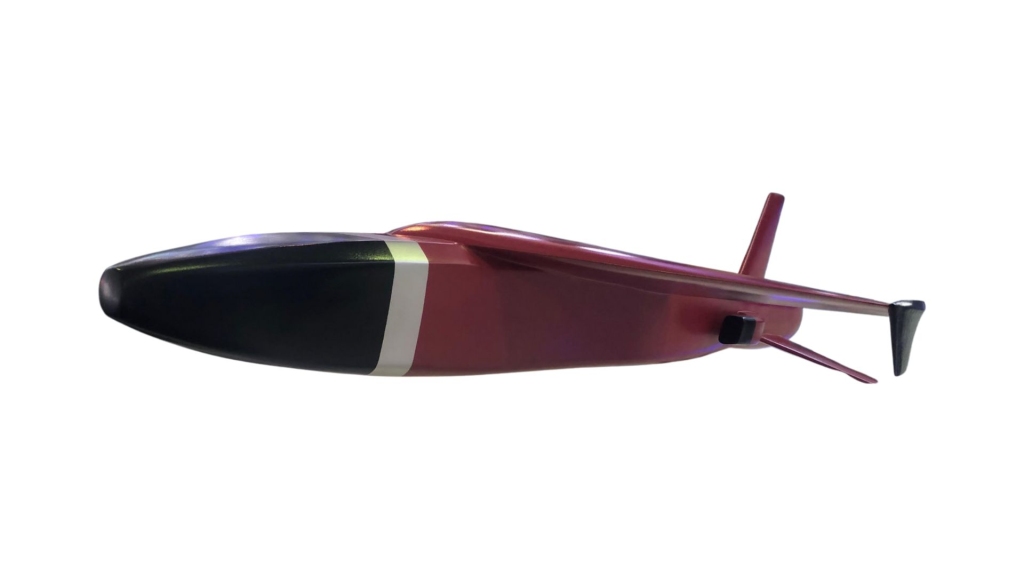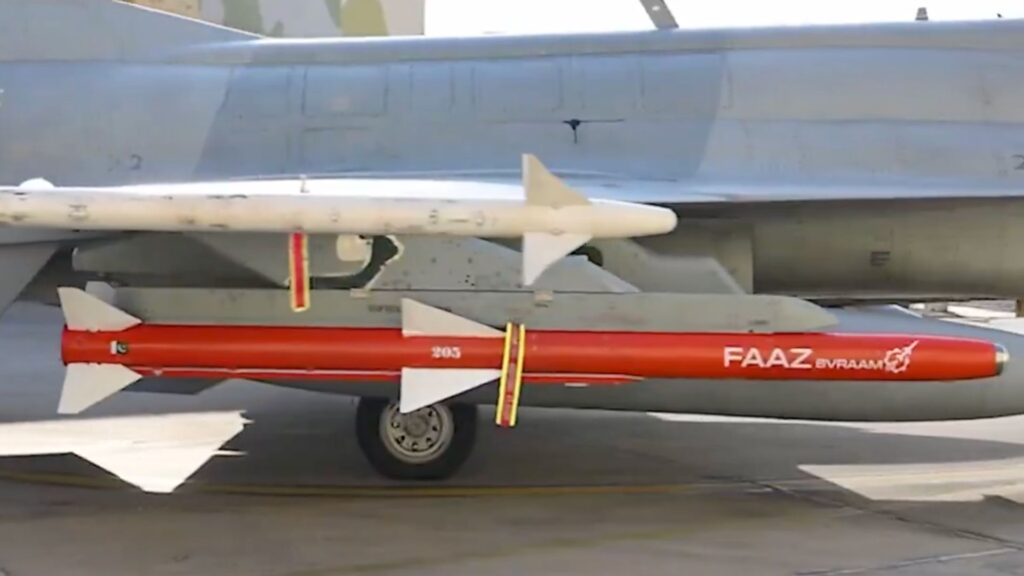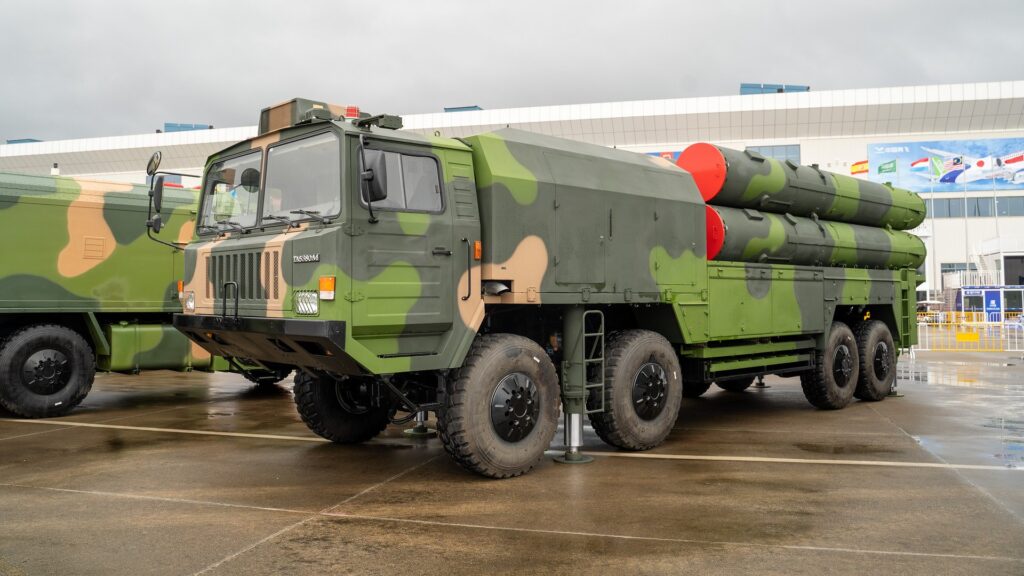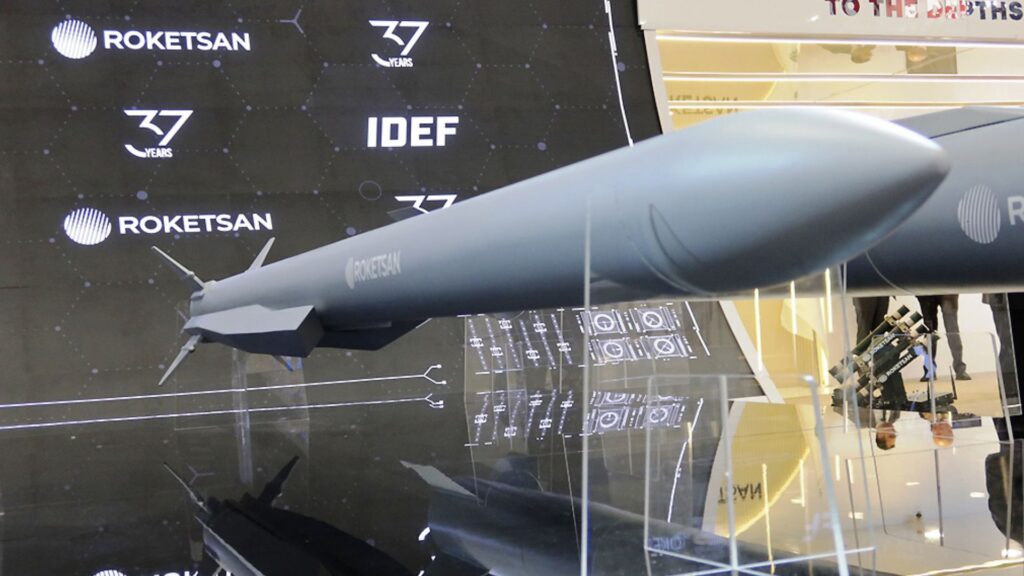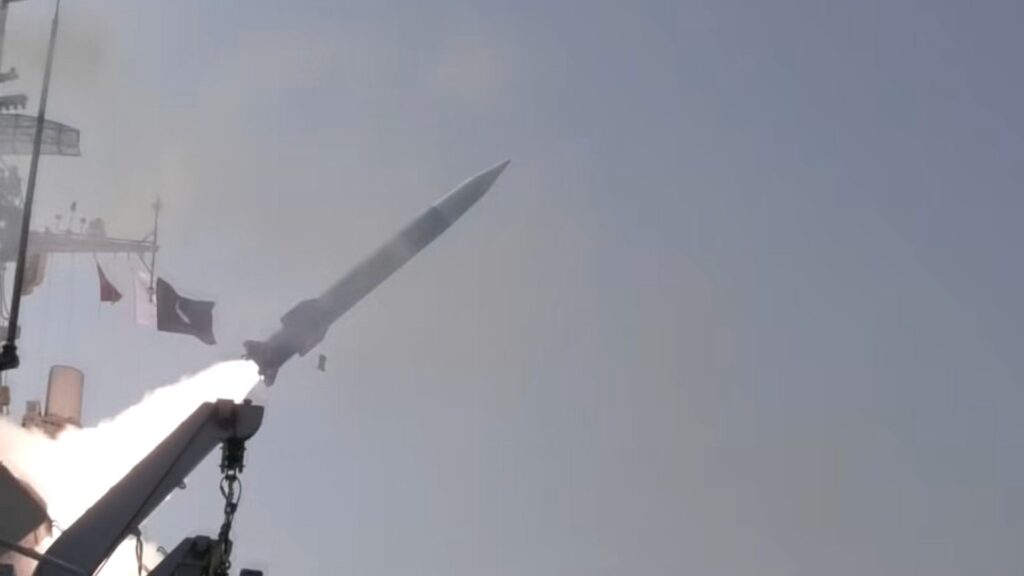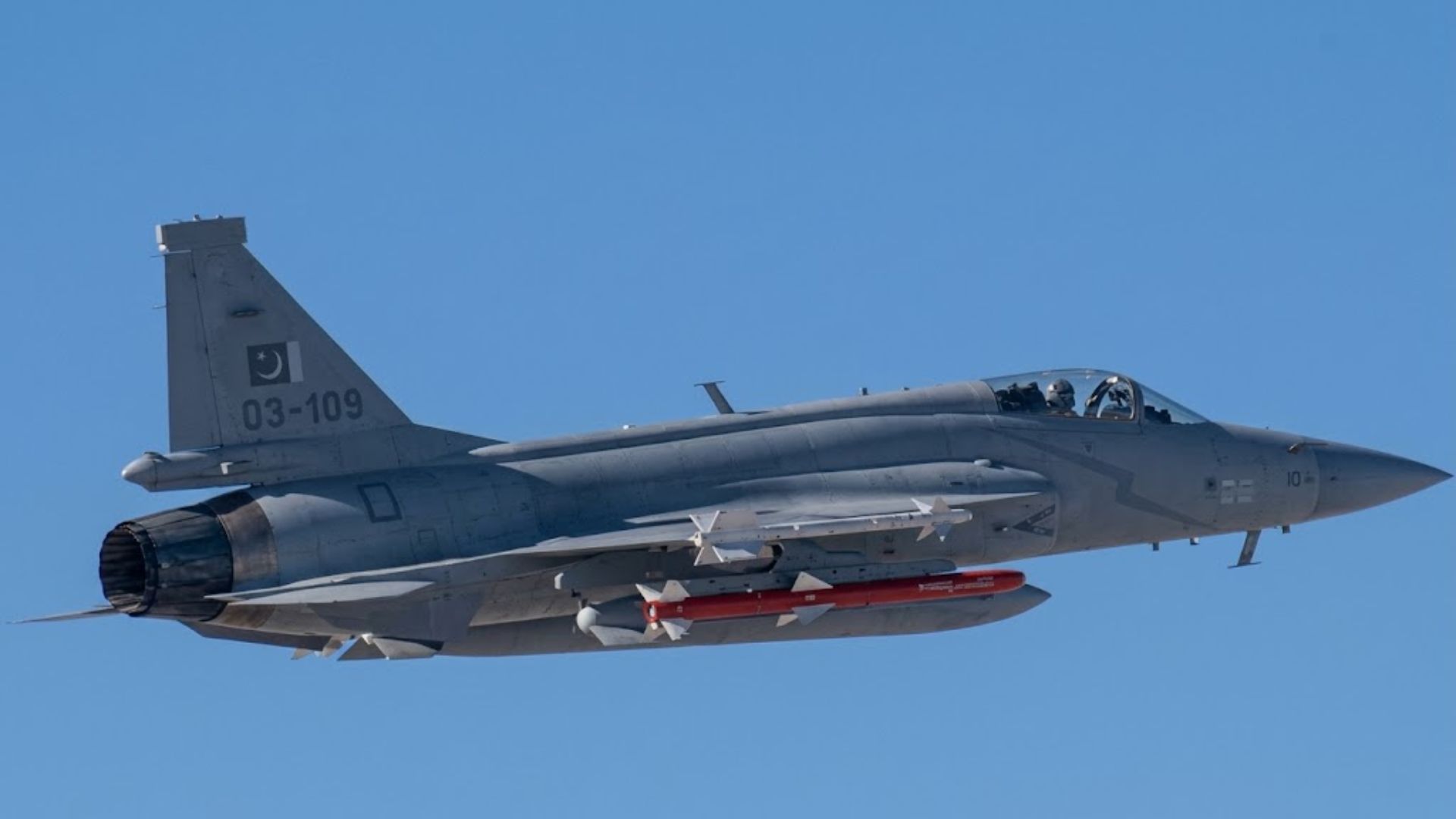
On 03 November 2026, the Pakistan Air Force (PAF) announced that it successfully test-fired its first indigenously developed air-to-air missile (AAM), the Fa’az.[1] Though revealed in 2023, the test started waves of discussion about the Fa’az missile’s configuration, capabilities, and apparent origins – with Western analysts already drawing links to China.
Externally, the Fa’az bears clear similarities to the SD-10A, one of the PAF’s mainstay AAMs. Moreover, some of the Fa’az missile’s dimensions – notably the length and the diameter – are nearly identical to the SD-10A. China is also Pakistan’s closest defence partner and, in recent years, has begun selling Pakistan highly impactful dual-use technology, such as imaging satellites, for example. Thus, Pakistani-Chinese ties are a genuine factor and, in many capacities, have helped Pakistan develop its weapons.
However, the predominant framing surrounding the Fa’az discussion – specifically regarding the apparent Chinese relationship – misses many key nuances about Pakistan’s defence industry and how it works. For example, Douglas Barrie, a senior fellow for military aerospace at the International Institute for Strategic Studies (IISS), raised the possibility with The War Zone (TWZ) that China supplied the Fa’az’s imaging infrared (IIR) seekers.[2] In fairness, Barrie flagged it as unconfirmed, but it was not substantiated with any clear precedent regarding the past work done by the Pakistani OEM responsible for the Fa’az – i.e., Air Weapons Complex (AWC).
In Pakistan’s defence industry landscape, AWC is among those entities that are tasked with developing and manufacturing original solutions. Yes, AWC’s work can involve using foreign technology (either with clear licensing or reverse-engineering), and it does have foreign critical input suppliers. However, AWC programs, especially in recent years, draw on indigenously developed subsystems and inputs and, as a result, provide that OEM the basis to build variants and, in some cases, offer solutions for export.
This report will not argue that the Fa’az is a result of absolute, air-gapped, so to speak, indigenous R&D. To the contrary, the goal of this report is to draw on verifiable open source information to provide a fuller picture of how AWC generally carries out munitions development and, specifically, how the Fa’az missile platform likely emerged through multiple foreign partnerships and supplier channels.
AWC is a bureau of the National Engineering & Scientific Commission (NESCOM), Pakistan’s overarching defence OEM mandated to research, design, develop, and manufacture complex weapon systems. To put it another way, the Pakistani military leans on NESCOM to produce solutions that cannot readily be bought from overseas or, alternatively, would prove unsustainable to import at the necessary scale. Regardless of how AWC sources or develops its intellectual property (IP), the successive direct and indirect sanctions as well as export controls the US places on AWC’s ability to procure dual-use machining and instrumentation equipment clearly indicate that it undertakes major testing and production work (or at least strives to).[3][4]
See Where Emerging Defence Markets are Moving
Quwa Pro goes beyond tracking programs and equipment by explaining the policies, incentives, industry dynamics, and competitive pressures shaping South Asia's defence markets.
Subscribe Already a subscriber?Sign in