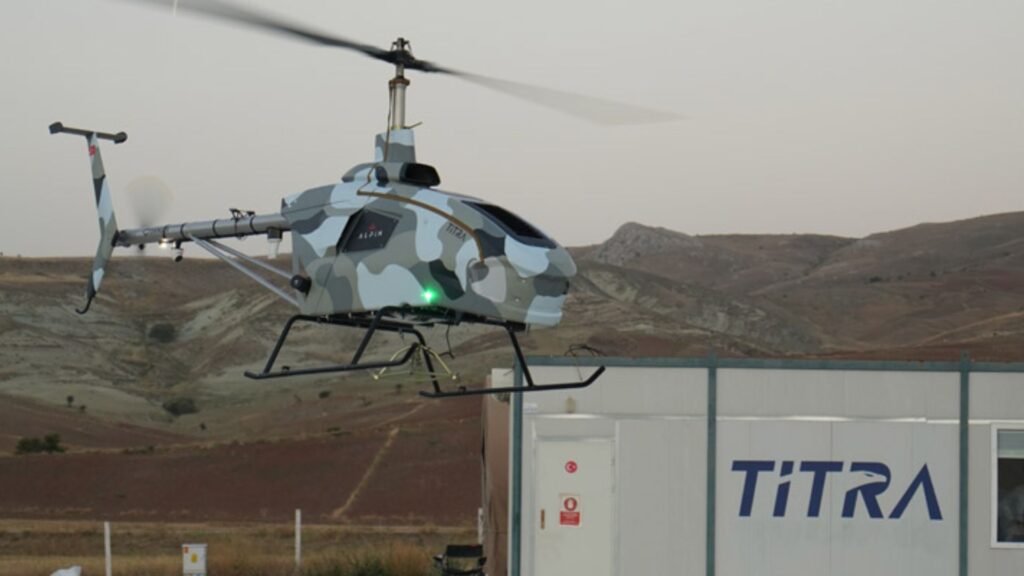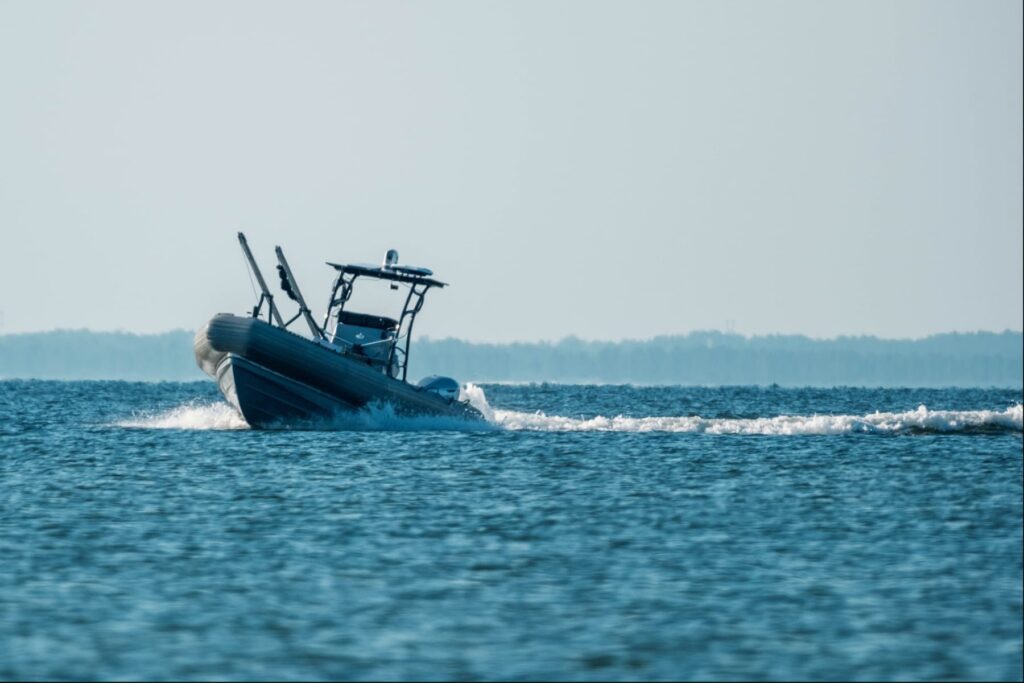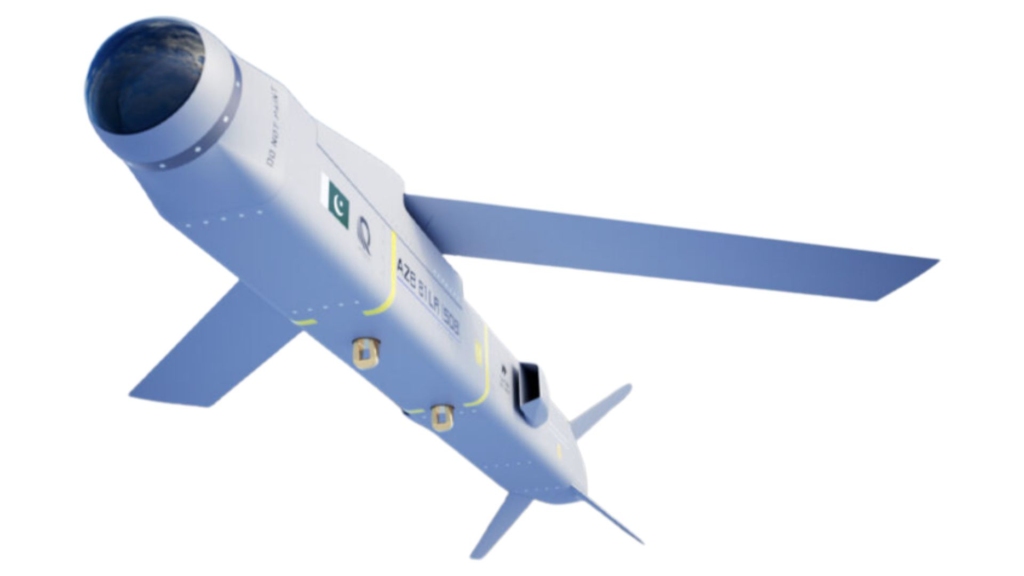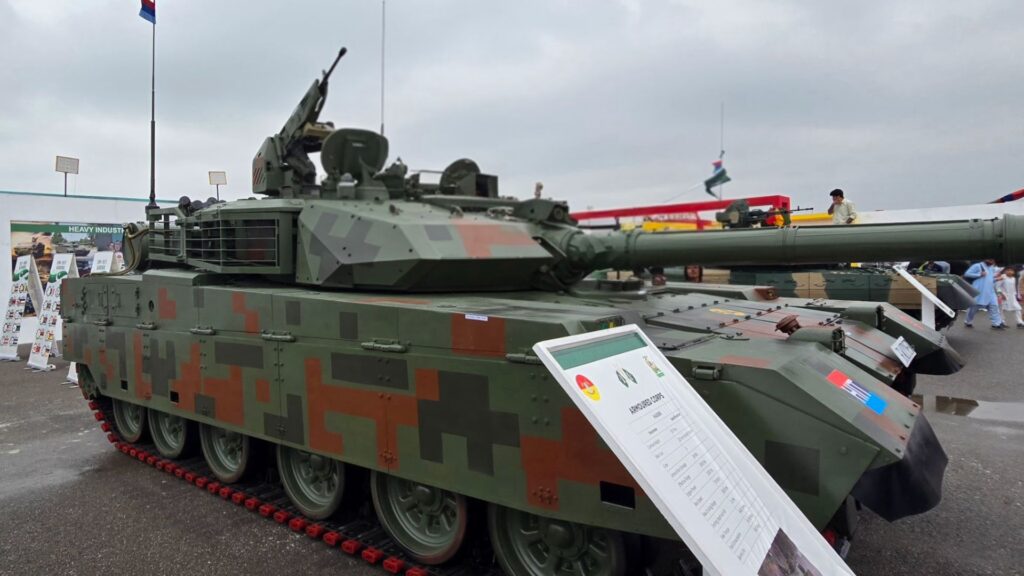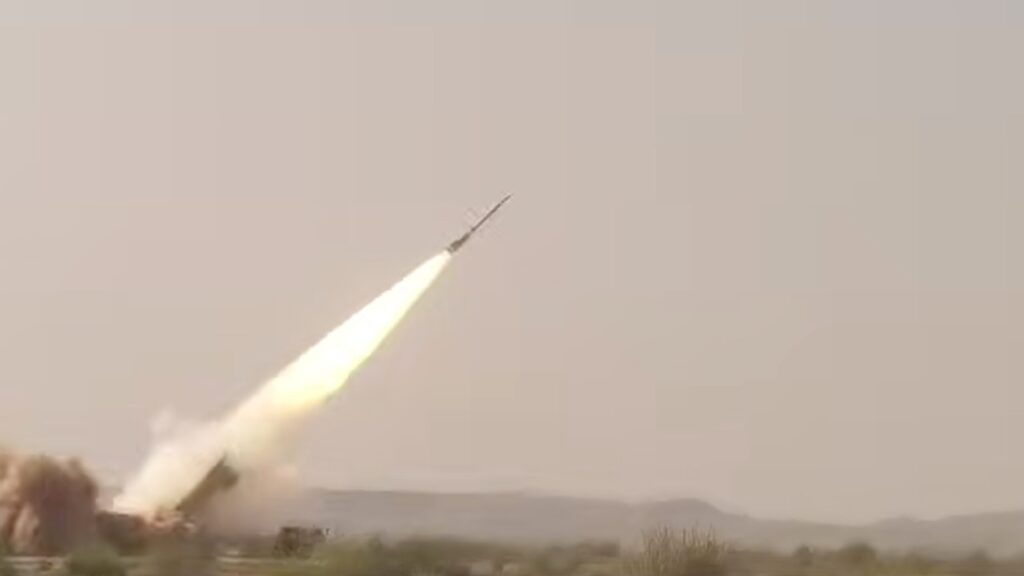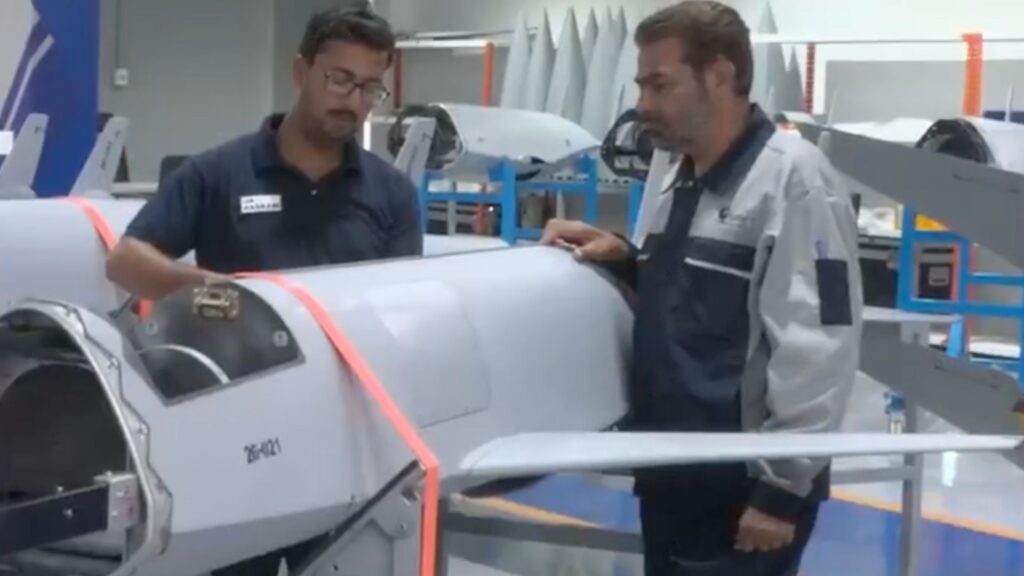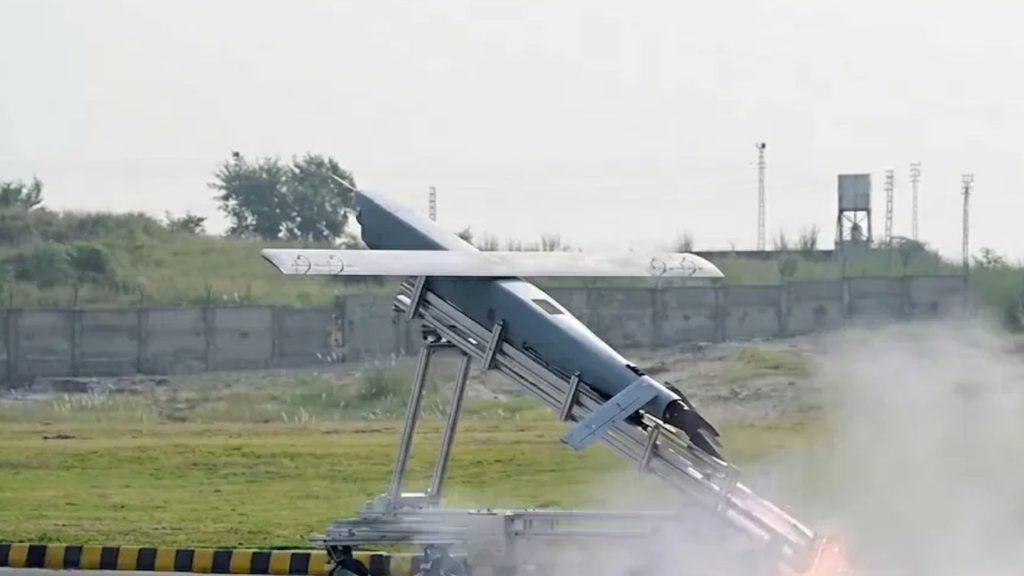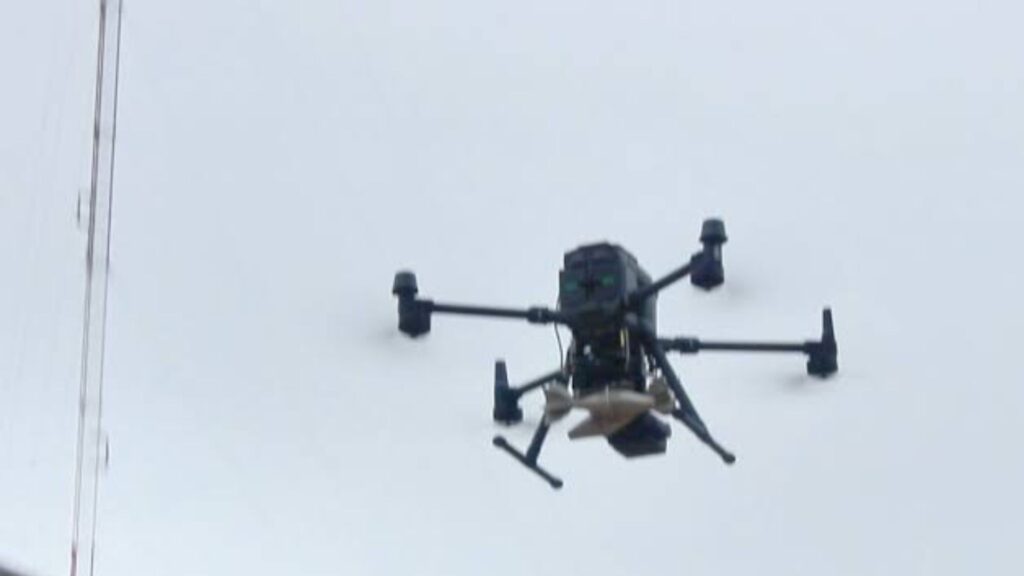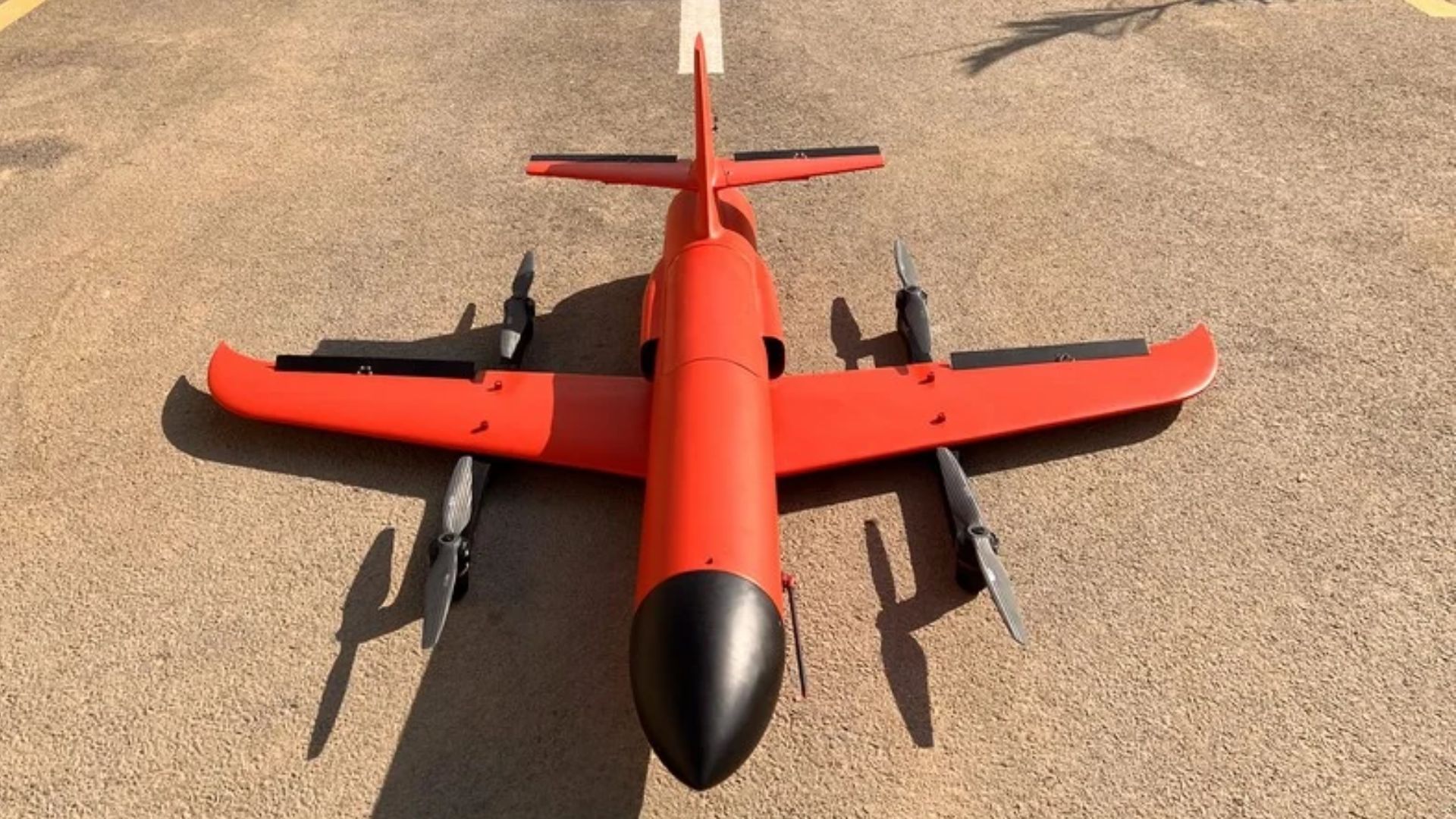
Pakistan’s armed forces are acquiring unmanned systems across most major classes, from high-endurance unmanned aerial vehicles (UAVs) with payloads of 400 kg to hand-held first-person-view (FPV) drones, and a diverse range of other systems in between. Likewise, the vendor pool supplying these solutions draws upon multiple original equipment manufacturers (OEMs) in China, Türkiye, the United States, Azerbaijan, and, most crucially, domestic vendors. Besides the aggressive procurement push, Pakistan’s defence planners also foresaw the scale of their requirements, leading them to open pathways for the domestic industry to not only offer products, but also indigenize the upstream inputs (e.g., engines) for those solutions.
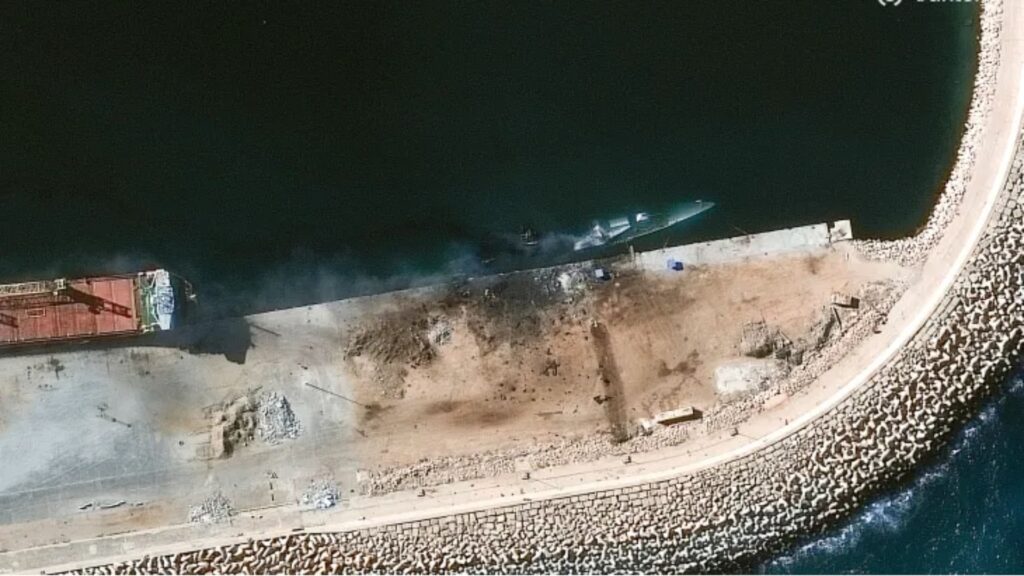
Pakistan has made drone adoption a central aspect of its current and future warfighting. It is inducting effectors of varied capabilities as well as support systems – from advanced targeting infrastructure down to industrial scaling – to ensure its drones yield a substantial impact in future conflicts, be it full-scale confrontation with India or low-intensity, asymmetrical challenges on the western front. If one takes the ongoing Russia-Ukraine War as the space where best practices or cutting-edge technologies are developed, then Pakistan is adapting in lockstep with those trends. Indeed, with Ukraine utilizing unmanned surface vessels (USVs) to strike Russian vessels in Libya, i.e., a distant theatre, there is significant scope for drones, with their supporting targeting and command-and-control architecture, to be of strategic value.
While this survey focuses on Pakistan, its procurement roadmap and domestic indigenization efforts offer insights into the types of drones being adopted, their inputs and leading suppliers, and the wider support systems making them tactically and strategically impactful in key markets.
Traditional Fixed-Wing Drones
Before the emergence of loitering munitions and the use of FPVs and other small-form-factor systems, “drone” acquisitions historically centred on fixed-wing UAVs. These drones used piston engines, typically from Rotax, and relied on remote operators on the ground, networked to the aircraft via radio data-links. For the most part, they were unarmed and largely utilized for intelligence, surveillance, and reconnaissance (ISR). However, there was one notable exception – the General Atomics MQ-1 Predator – that was capable of and used in the attack role. It was also among the first platforms to use satellite-based data-links, allowing crews to operate at beyond-line-of-sight (BLoS) ranges, often thousands of kilometres away.
For nearly 30 years, the Predator was the standard for this class of drone. The United States sold or leased these systems to only a handful of other countries, with Italy and the United Kingdom being the confirmed users outside the US. However, from the early-to-mid-2010s, China began offering armed drones to the world market, and countries across the Middle East, North Africa, and Sub-Saharan Africa acquired platforms such as the CH-3A, CH-4, and CH-5.1 In parallel, other countries, including Türkiye and Pakistan, developed their own fixed-wing armed UAVs.
Pakistan’s fixed-wing UAV inventory draws upon indigenous efforts and imports from China, Türkiye, and Western Europe.
See Where Emerging Defence Markets are Moving
Quwa Pro goes beyond tracking programs and equipment by explaining the policies, incentives, industry dynamics, and competitive pressures shaping South Asia's defence markets.
Subscribe Already a subscriber?Sign in