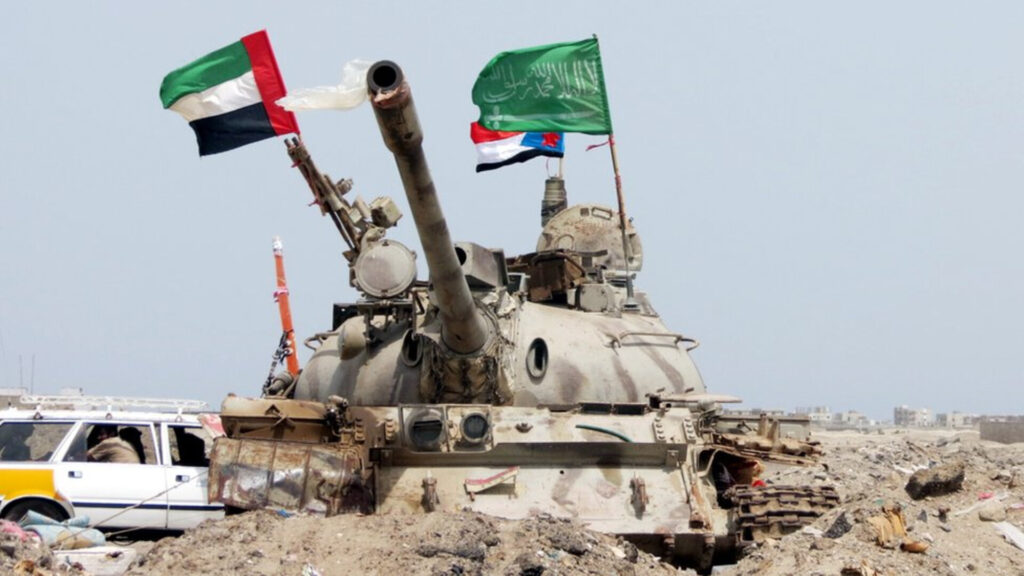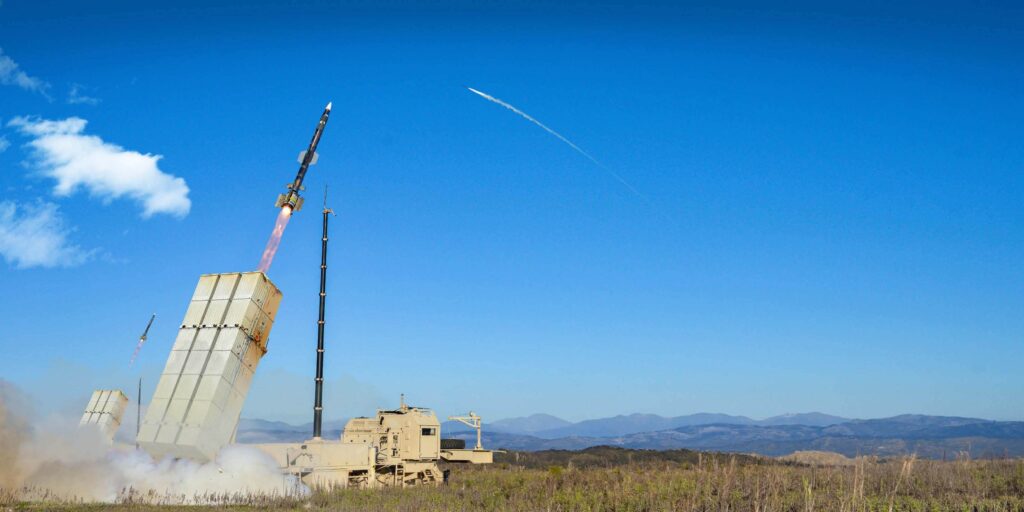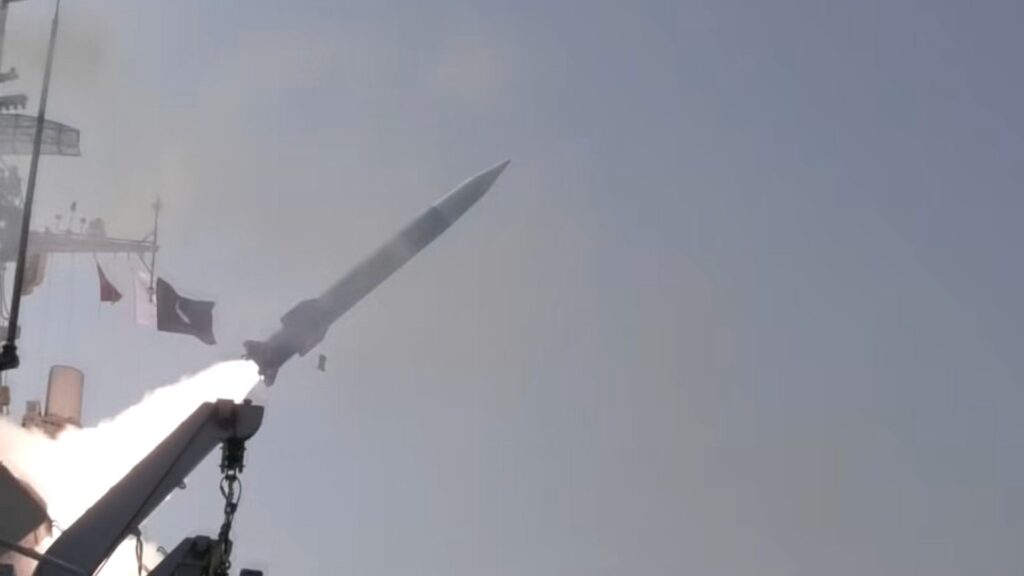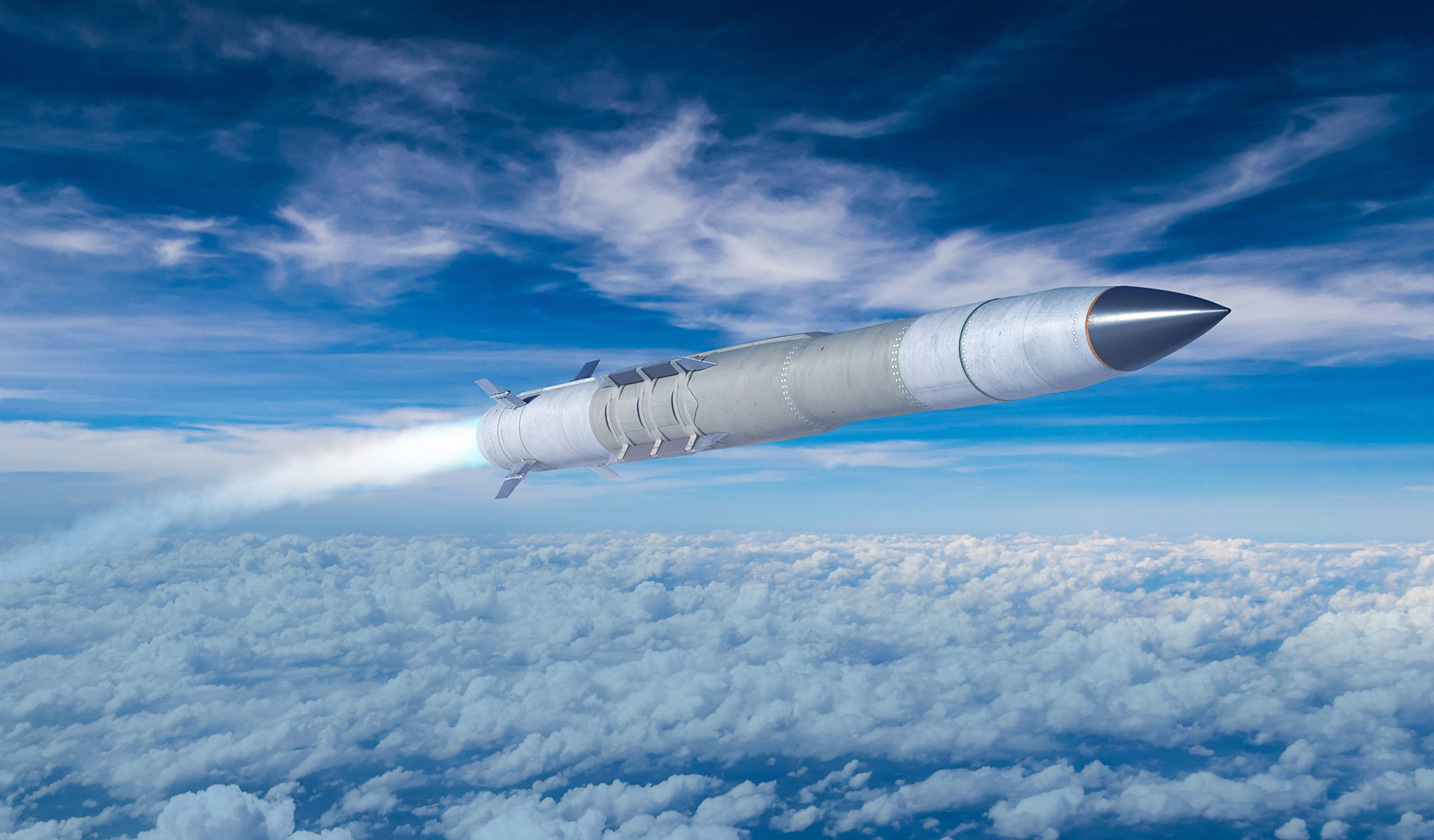
The Houthis claimed strikes on 26 October against pumping stations on Saudi Arabia’s East–West pipeline and against King Khalid International Airport in Riyadh. Saudi forces intercepted two ballistic missiles aimed at Riyadh, three fired earlier towards the Eastern Province and four drones in the south, in interceptions announced on 27 October.
Several of the claimed targets sit on Saudi oil export routes, with the Houthis having declared a blockade on Saudi oil exports via the Red Sea and seeking control of the Bab al-Mandab strait. The group also claimed a strike this week on Ras Tanura, the Eastern Province terminal that handles Saudi crude exports from the Gulf coast.


Go deeper into the defence market.
Research on procurement, emerging technology and the industry behind the news.
The East–West pipeline carries crude from the Eastern Province to the Red Sea coast, giving Saudi Arabia a second export outlet, and the Houthi claims put its pumping stations on the same target list as the capital’s main airport. An earlier strike on King Khalid International Airport killed 13 travellers.
Saudi military spokesman Major General Turki Al-Maliki announced the 27 October interceptions, after civil defence warnings were issued at around 3 a.m. for the Eastern Province and Al-Kharj. In a further interception reported on 29 October, the coalition stopped another ballistic missile fired towards the Eastern Province.
Debris from earlier attacks fell in Makkah and Medina on 24 October, with the Houthis disputing that they targeted the holy cities. Saudi Arabia accuses Iran of encouraging the escalation of Houthi attacks on the kingdom over recent weeks.
Inside Yemen, the government reported 1,276 Houthi strikes in a 24-hour period, as an offensive the group launched in July continues. The US Mission to Saudi Arabia has been under ordered departure since 23 October, with a fresh security alert issued on 28 October as the missile and drone attacks continued.
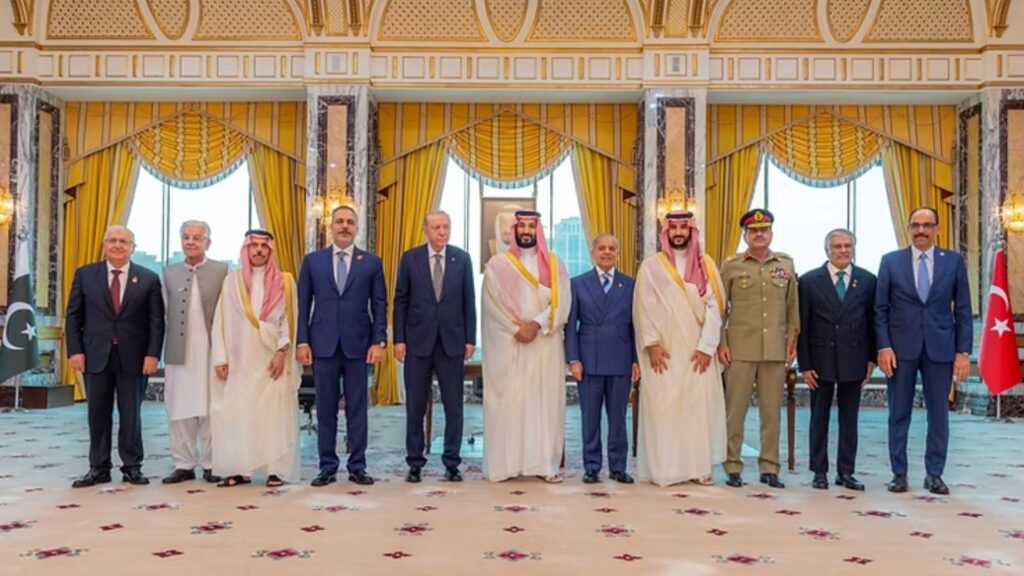
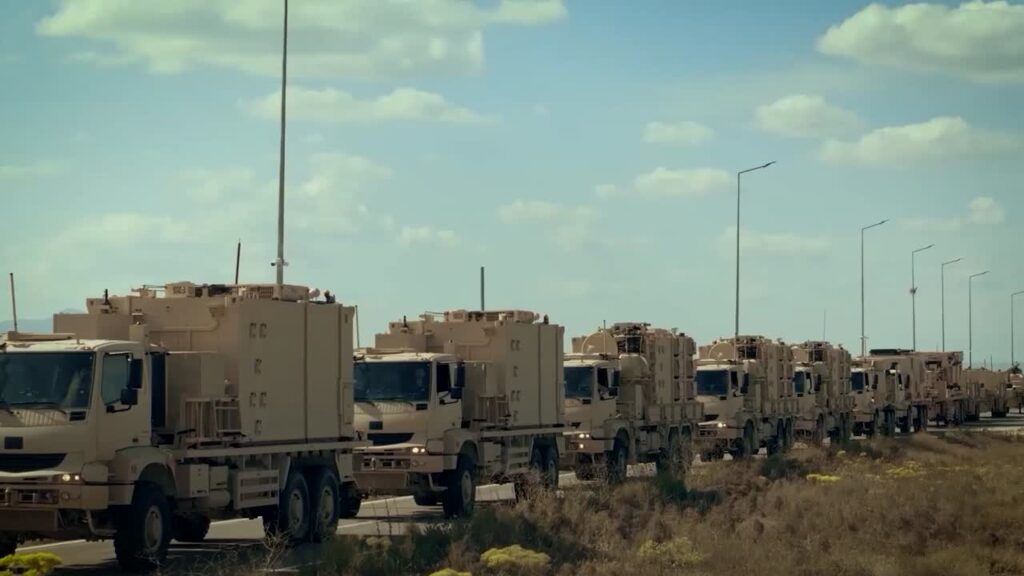
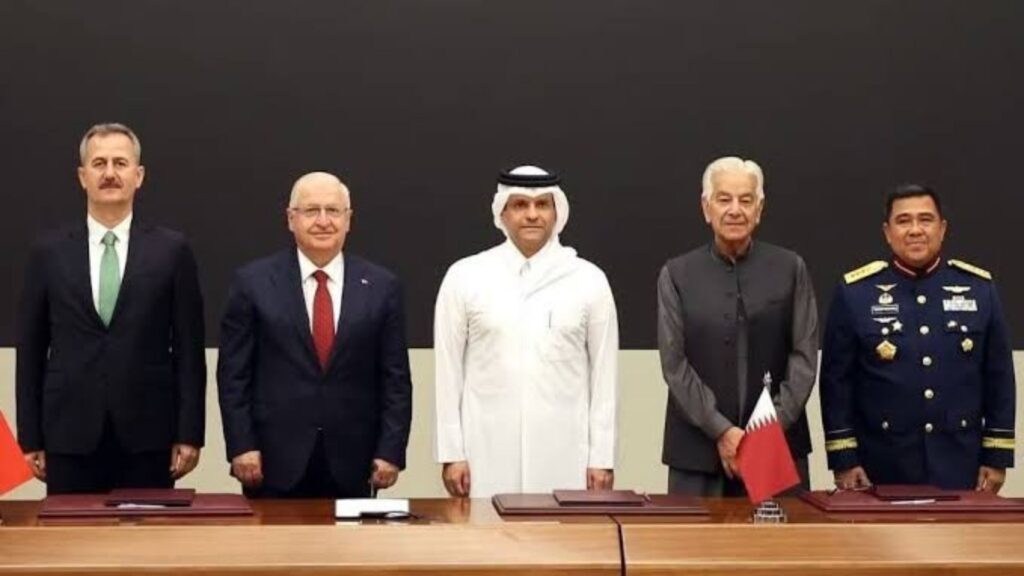
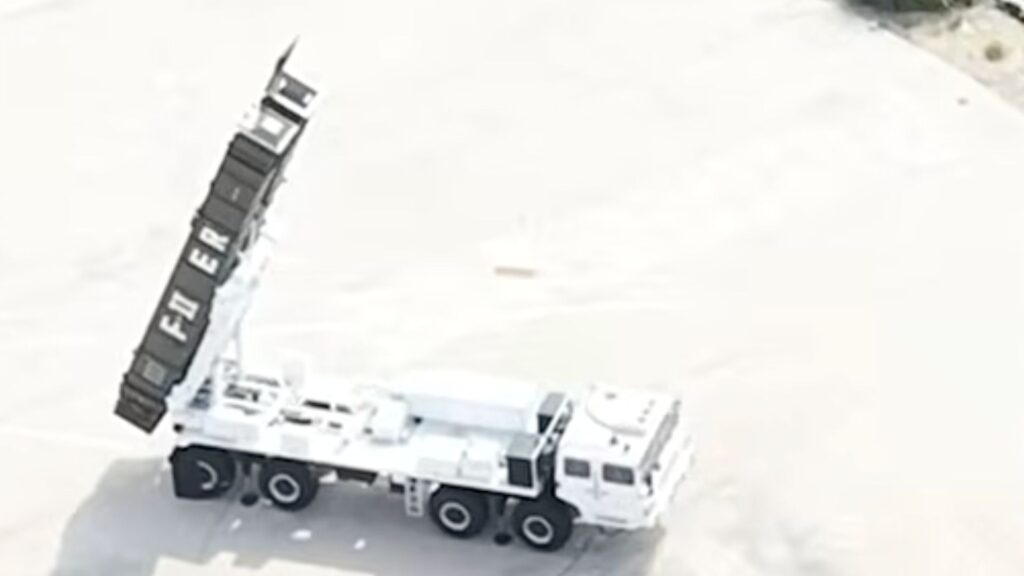
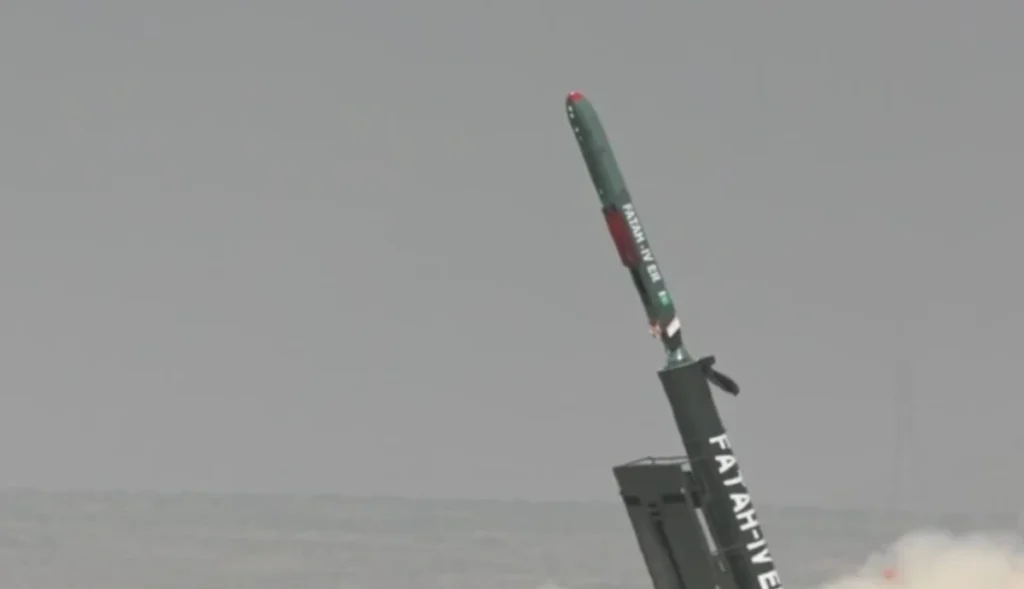
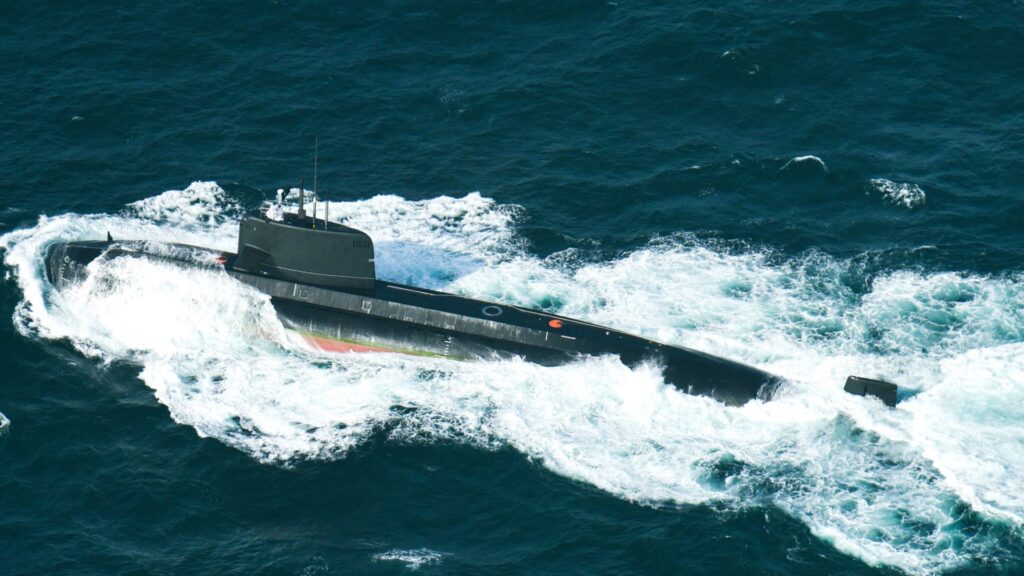
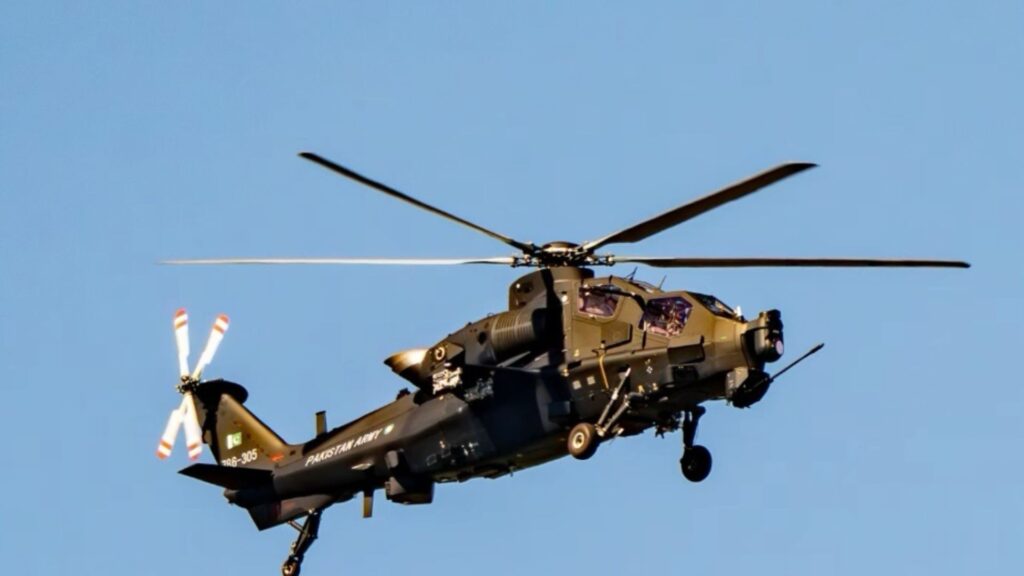
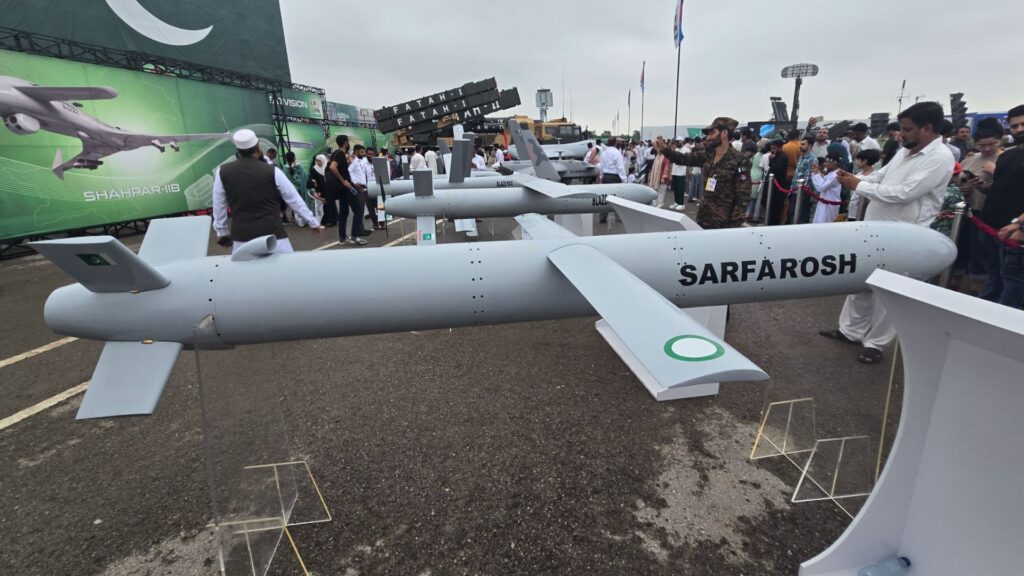
Egypt’s parliament authorized military support for Saudi Arabia on 26 October, with Egypt contributing air defence systems and aircraft to the effort. Ministers from the Makkah pact have agreed to a rapid deployment, while Pakistan has approved its participation and Türkiye’s parliament has begun ratification.
The Egyptian vote passed with a two-thirds majority at President Abdel Fattah Al-Sisi’s request, with lawmakers told the support would be defensive.
The pact’s members had agreed on 5 October to activate collective deterrence measures, three weeks before the Egyptian vote. Türkiye’s contribution is reported to be mostly technical and defensive, covering equipment, intelligence, drone operators, planning and logistics, and will proceed bilaterally until its parliament ratifies the pact. Saudi Defence Minister Prince Khalid bin Salman has also discussed military cooperation with his Kuwaiti and Malaysian counterparts this week.
On 26 October, Khalid bin Salman met Iranian President Masoud Pezeshkian in Tehran alongside Makkah pact representatives, and the two sides agreed to continue talks. The Tehran delegations included Pakistani army chief General Asim Munir and Turkish intelligence chief Ibrahim Kalin, with Riyadh saying the visit aimed to “de-escalate between the parties to the current crisis”. The talks are running in parallel with the interceptions, as Saudi air defences continue to engage Houthi missiles and drones aimed at the kingdom.