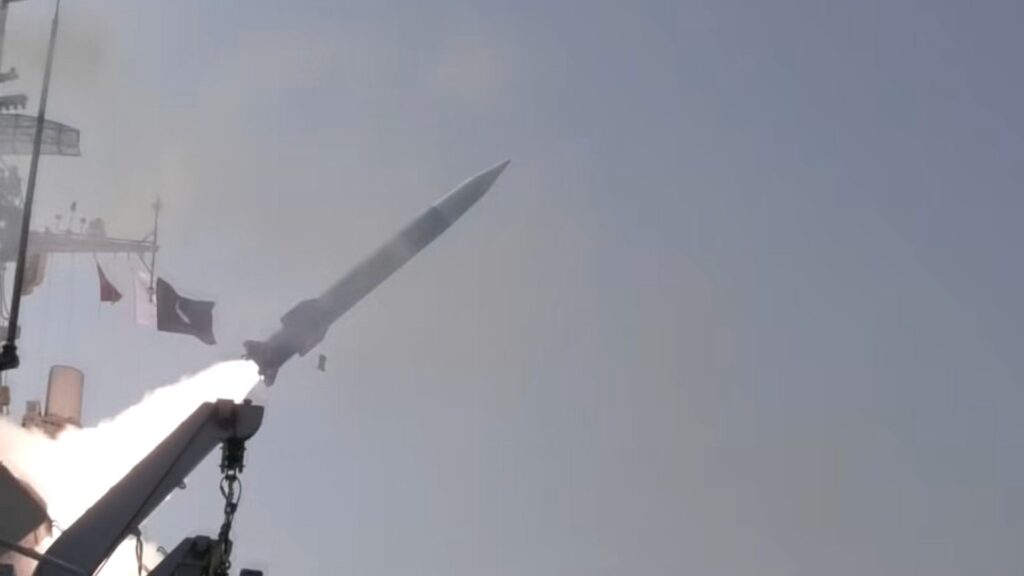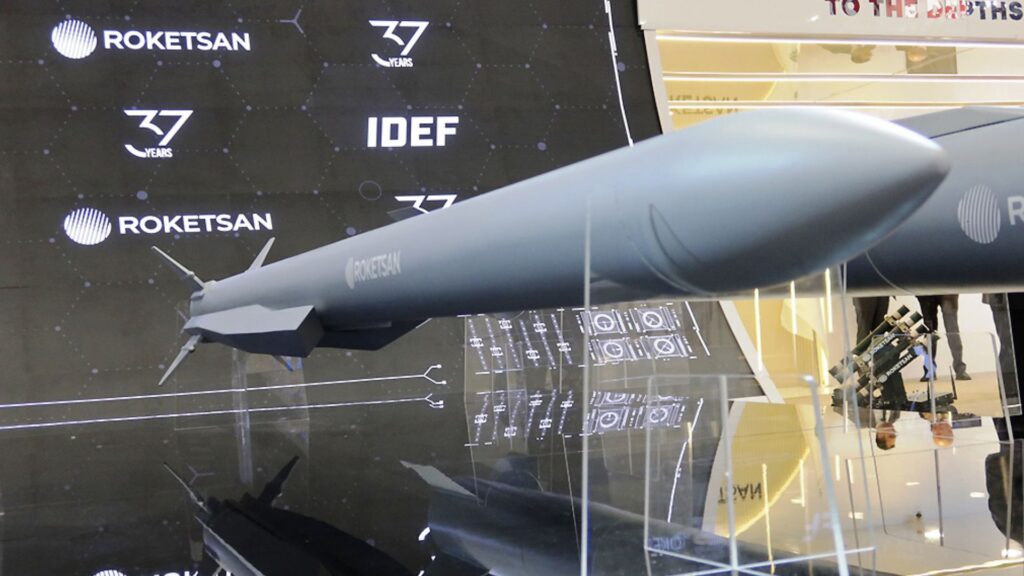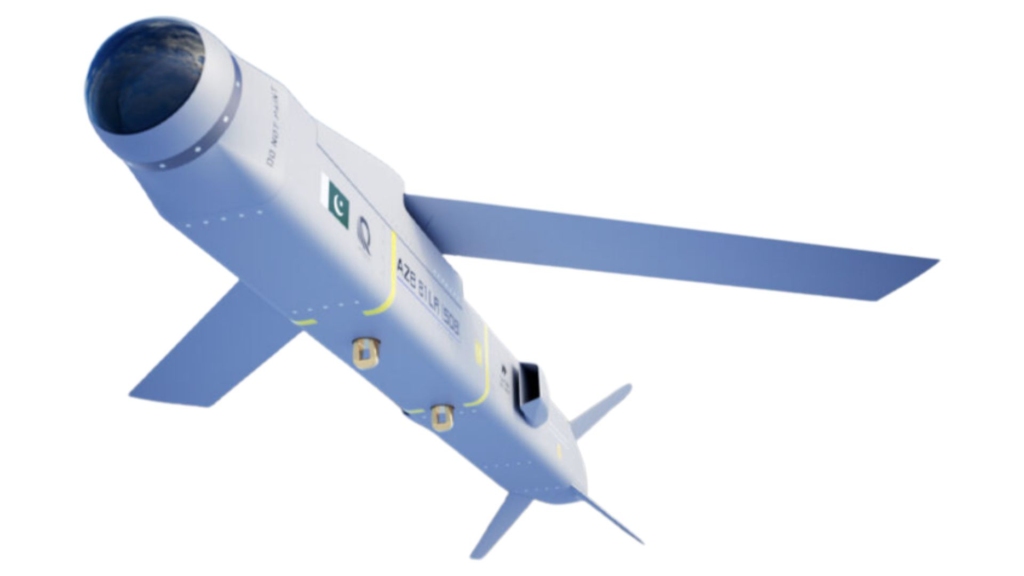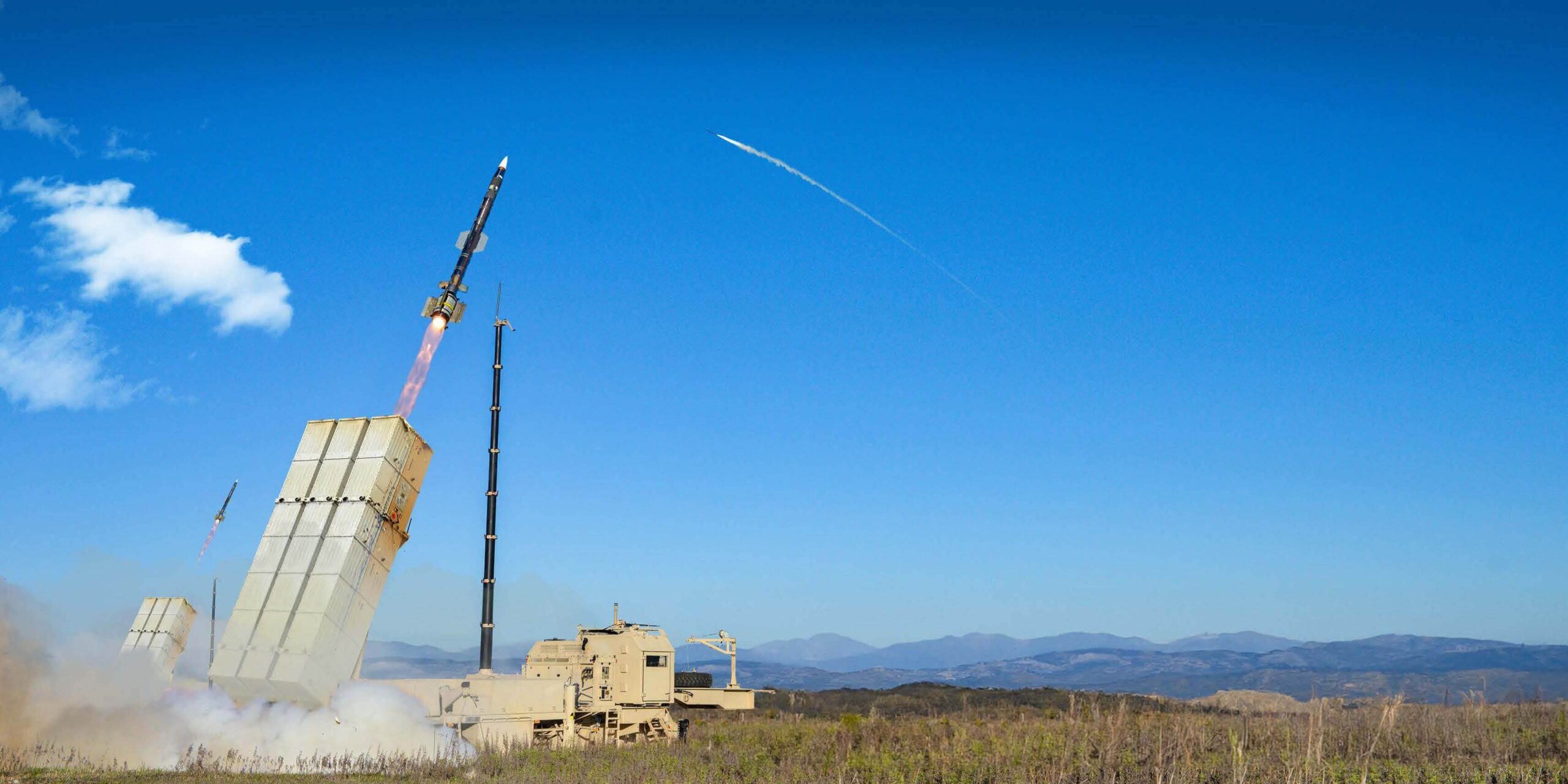
ROKETSAN has tested the ability of its SİPER Product-2 long-range air defence missile to switch targets after launch, with the interceptor changing targets while in flight. The company tied the capability to the flexibility of Türkiye’s Steel Dome layered air defence architecture and named ASELSAN and TÜBİTAK SAGE as contributors to the test.
ROKETSAN framed the result as a capability demonstration, keeping the telemetry, flight profile, retargeting decision time and success criteria internal. Product-2 was in development as of August 2025, and the retargeting test is the latest step ROKETSAN has disclosed in that work.
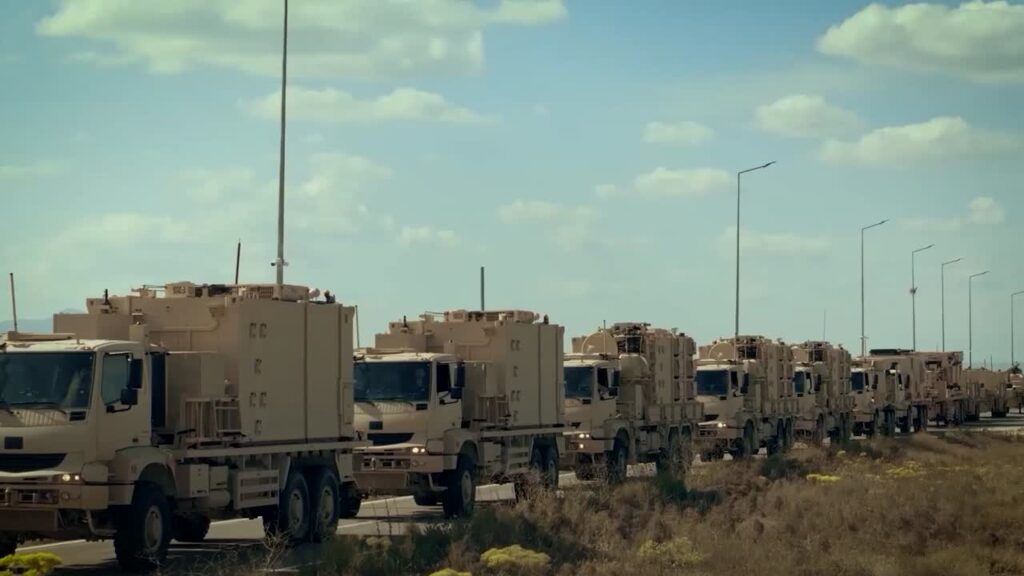
SİPER is a long-range area air and missile defence system developed by ROKETSAN, ASELSAN and the Scientific and Technological Research Council of Türkiye’s Defence Industries Research and Development Institute (TÜBİTAK SAGE). The first variant, SİPER Product-1, entered the Turkish inventory in 2024, with Presidency of Defence Industries (SSB) President Haluk Görgün describing it as the deterrent power of the Steel Dome.
Görgün announced in August 2025 that serial production acceptance tests for the SİPER Product-1 missile had been completed, calling it a critical threshold for Türkiye’s layered air defence. Product-1 measures 5.4 m in length and 370 mm in diameter, and uses inertial guidance with datalink and satellite positioning support along with an active radar seeker.
In January 2026, Türkiye formally inducted SİPER Product-1 into the Steel Dome network after the first battery completed its acceptance test at the Sinop test centre. Görgün said the delivery of that first battery added “a new layer in Türkiye’s national air shield”.
During the acceptance firing, the system detected, tracked and intercepted a high-speed manoeuvring target in an environment containing multiple friendly and adversary aircraft signatures. SİPER adds a high-altitude layer above the HİSAR-A+ and HİSAR-O+ systems, with ASELSAN fire control software supporting multiple simultaneous engagements.
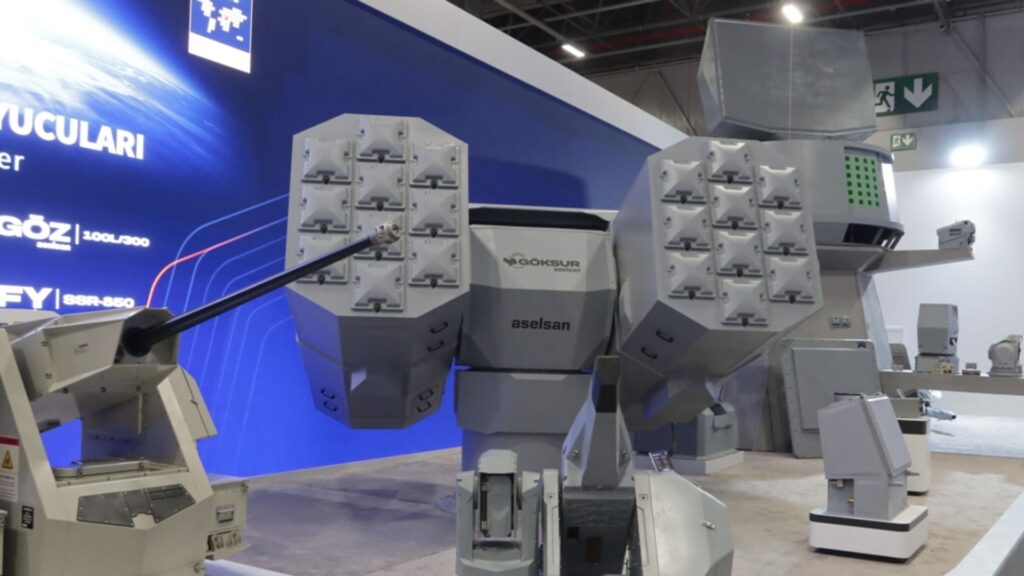
ASELSAN said its fire control, communication and radar systems for SİPER were designed in-house, resistant to electronic warfare and upgradeable through software. The program has also produced a naval branch, with Türkiye test-firing the SİPER-1D long-range surface-to-air missile from an indigenous vertical launch system.
Product-2 is the longer-reaching variant, with ROKETSAN listing a range of 150 km for SİPER Block 2 and more than 100 km for Block 1. Block 2 was also described this week as effective at ranges beyond 150 km.
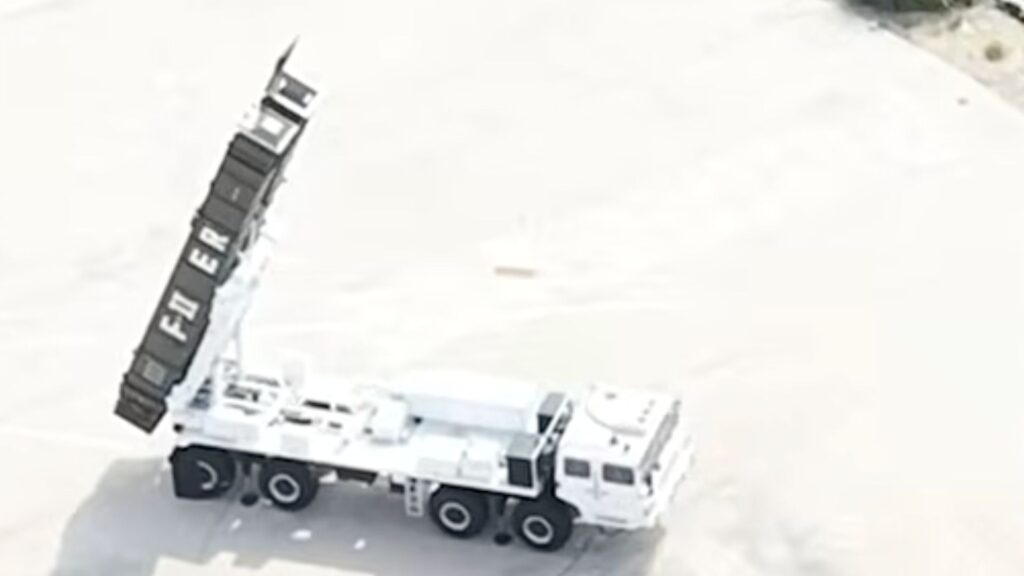
Both variants share the same 6,450 by 850 by 800 mm canister, allowing Product-2 to use the same launcher footprint as Product-1. The system is designed to engage fighter aircraft, helicopters, armed unmanned aerial vehicles (UAV), cruise missiles and air-to-ground munitions.
When Product-1 entered Steel Dome, ROKETSAN said more advanced variants were in testing to expand engagement envelopes and target sets, a roadmap that now includes the Product-2 retargeting test.
On 26 October, a day after the test was reported, ASELSAN signed a €523 million contract with SSB to develop a new-generation air and missile defence system. ASELSAN had also signed a €1.234 billion subcomponent contract with ROKETSAN on 23 September, as the two companies move SİPER from Product-1 serial production towards the longer-range Product-2.