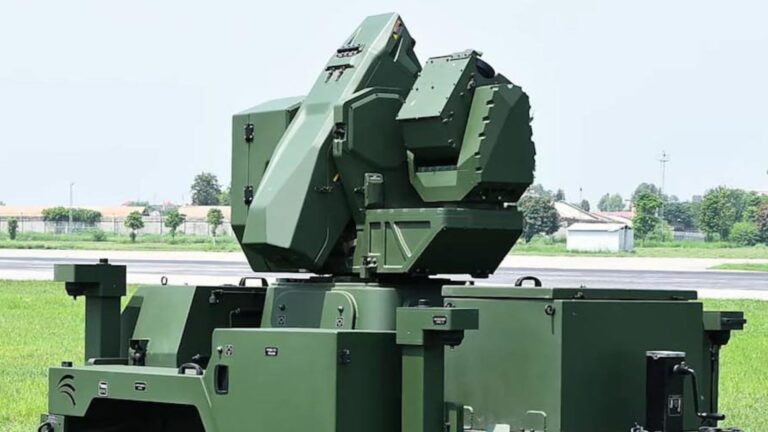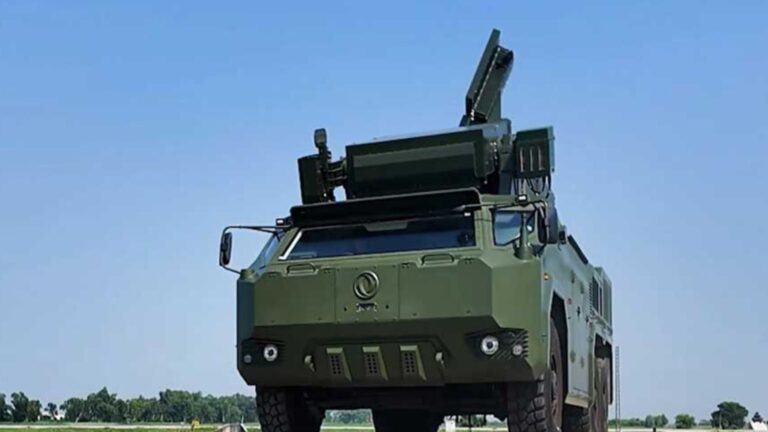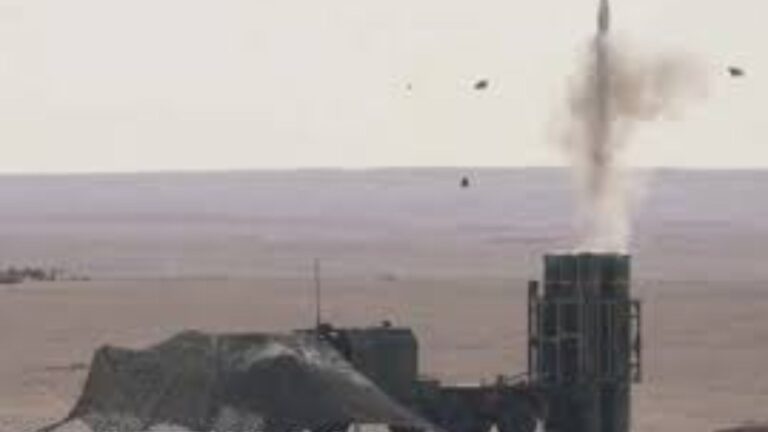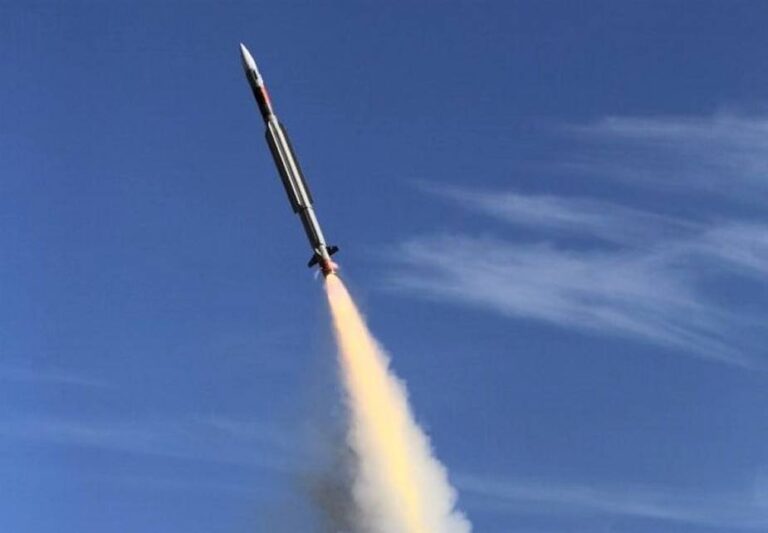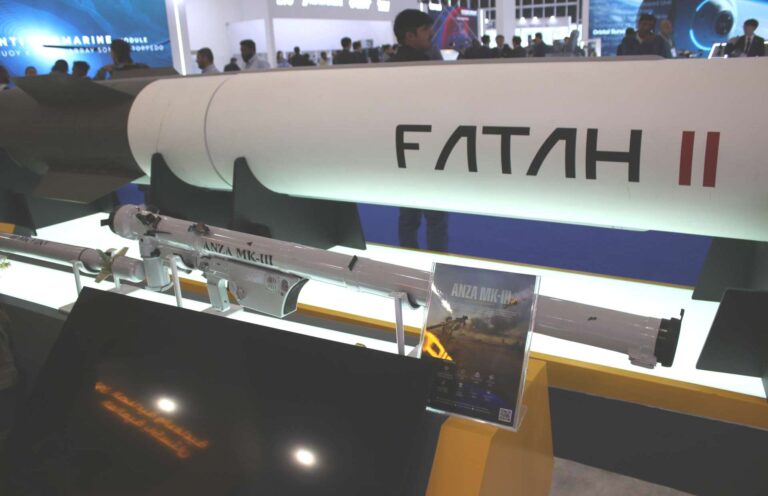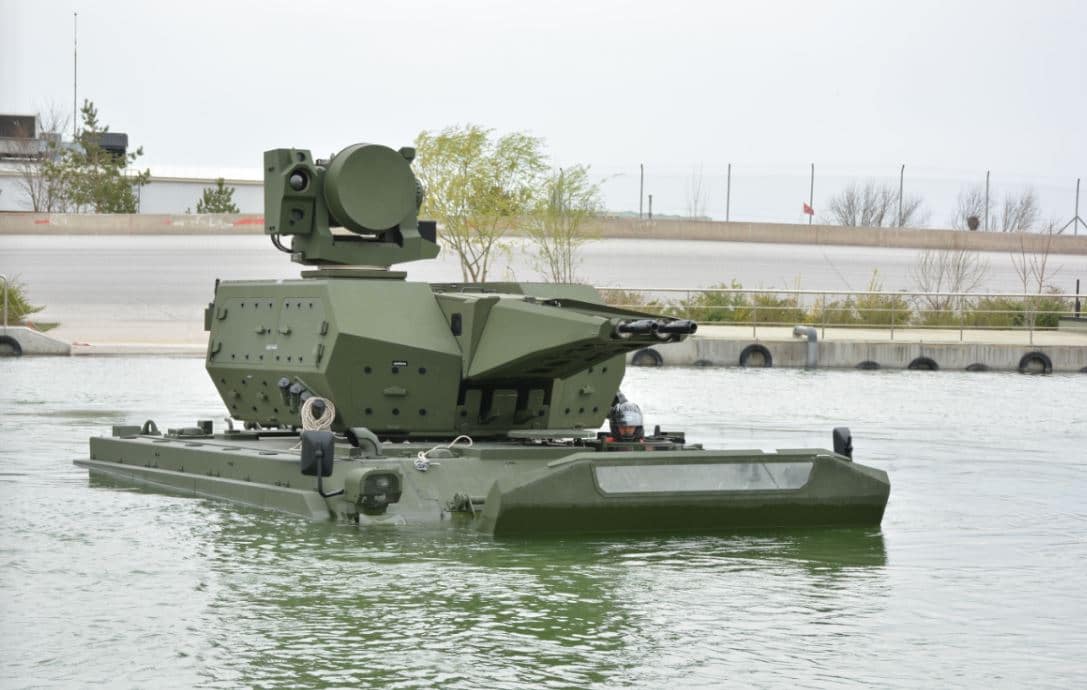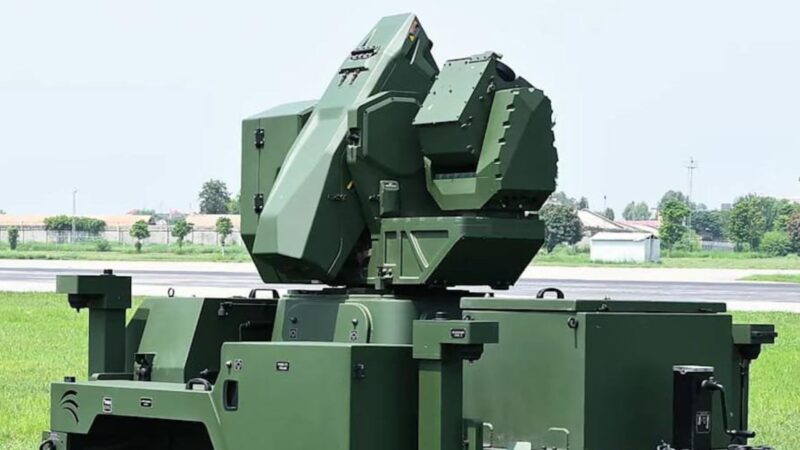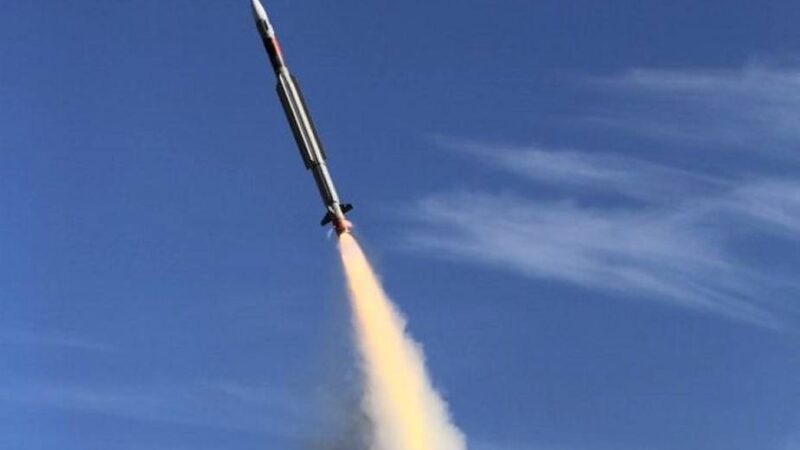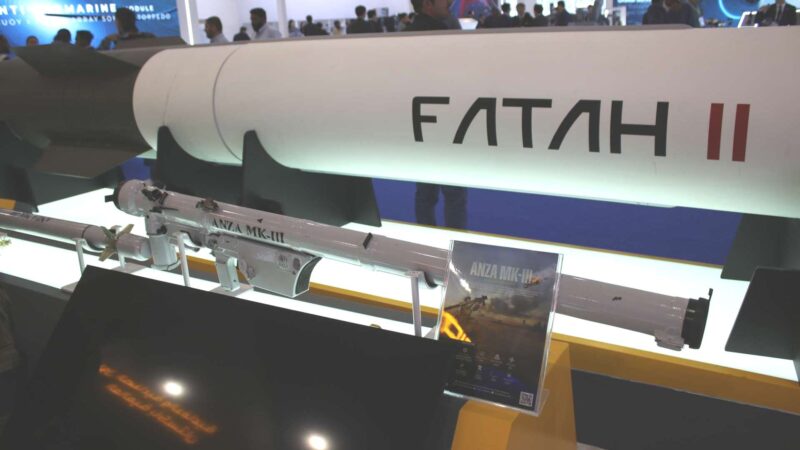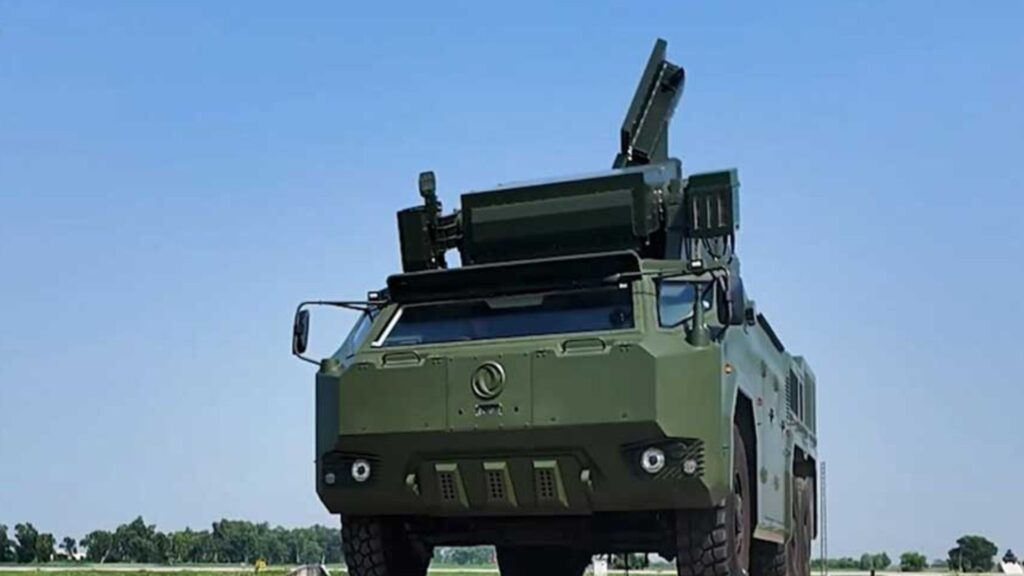
The HQ-17AE is a Chinese mobile short-range surface-to-air missile system developed by China Aerospace Science and Industry Corporation (CASIC). The Pakistan Air Force publicly revealed it in September 2026, according to Quwa’s reporting on its new air-defence equipment. It adds another missile system to the PAF’s publicly documented point-defence equipment.
Published range figures need qualification. Serbia’s Ministry of Defence gives a maximum of 15 km, while Chinese reporting quotes the designers at 15–20 km against fighter aircraft. Neither statement establishes a universal Pakistani engagement range against every drone or missile.
Know What Defence Buyers in Will Need Next
See emerging requirements, likely suppliers, and routes to market across Pakistan, MENA, and fast-moving defence technologies, before demand becomes obvious.
HQ-17AE specifications
The table identifies each specification’s source and separates product descriptions from Pakistan’s reported status.
| Item | Publicly documented description | Source |
|---|---|---|
| Developer | CASIC’s Second Academy | China Daily |
| Role | Mobile short-range air defence | CASIC-origin announcement |
| Vehicle and launcher | Six-wheel vehicle with eight launch tubes | China Daily |
| Radar | Vehicle-mounted solid-state phased-array radar | China Daily |
| Published range | Up to 15 km in Serbia’s equipment guide; 15–20 km against fighter aircraft in designer-attributed reporting | Serbian MOD, China Daily |
| Pakistan status | Identified in the PAF’s September 2026 reveal | Quwa |
Pakistan’s HQ-17AE reveal
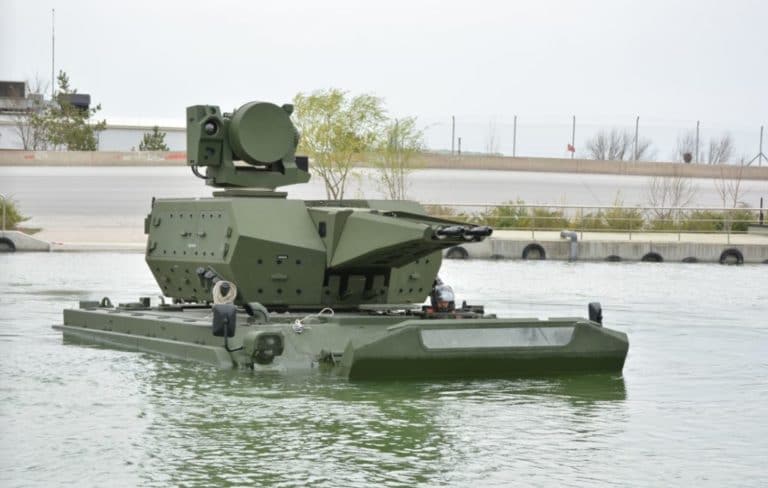
Quwa identified HQ-17AE alongside the NORINCO LD-76, ASELSAN Korkut and ASELSAN ŞAHİN in its September report. China Daily subsequently reported the HQ-17AE’s appearance in PAF video material, providing a separate published account of that system’s identification.
The reports establish the September reveal; they do not disclose Pakistan’s order, delivery or operational-acceptance dates. Quwa’s broader procurement analysis examines the additions after the May 2025 conflict, while their timing alone cannot establish why each system was selected.
HQ-17A, HQ-17AE and HQ-17AE/A
China Daily identifies HQ-17A as the Chinese domestic system and HQ-17AE as its export version. CASIC had publicly exhibited the HQ-17AE designation by Airshow China in September 2021, several years before Pakistan’s reveal.
The HQ-17AE/A designation refers to a longer-range missile discussed in CASIC’s November 2024 exhibition announcement. That announcement describes an additional missile option alongside HQ-17AE; it does not establish which customers received it or provide a numerical range for the newer missile.
Pakistan’s selection of the HQ-17AE/A missile has not been established by the reviewed sources.
Why do sources give different HQ-17AE ranges?
The sources describe different published specifications without explaining the difference fully. The Serbian Ministry of Defence’s equipment guide states up to 15 km. China Daily’s designer-attributed account gives 15–20 km specifically against fighter aircraft.
The sources do not explain whether the difference reflects configuration, target conditions or reporting conventions. Neither establishes 20 km as a verified Pakistani specification or attributes that figure to HQ-17AE/A.
A maximum range is one characteristic of a system. It cannot establish how much territory a fleet protects, the number of simultaneous engagements available, or performance against a particular weapon. Those questions require their own evidence.
Where it fits alongside Korkut and ŞAHİN
HQ-17AE is a missile system. The ASELSAN Korkut and ŞAHİN counter-drone system covered in the same Pakistani reveal use guns and airburst ammunition. They are different equipment categories, even when discussed together as point-defence additions.
Their joint appearance does not establish a common Pakistani fire-control network. CASIC describes the HQ-17AE vehicle as highly integrated and capable of independent operation, but that product characteristic does not disclose its connections to the PAF’s wider command system. The Pakistan Air Defence guide places these additions alongside the country’s other missile, gun and radar families.
Quwa Pro – Defence Market Intelligence
See Where Defence Demand and Technology Are Moving Next
Track procurement priorities across Pakistan, the Gulf and wider MENA, and Central Europe. Follow emerging vendors, drones, AI, C-UAS, and affordable precision weapons, and see how lessons from today’s conflicts are reshaping military requirements and market opportunities.
Featured & Trusted By







Frequently asked questions
How many HQ-17AE systems has Pakistan acquired?
The reviewed sources do not disclose a quantity. A displayed vehicle or named system cannot establish the number of batteries, launchers or missiles acquired.
Is the HQ-17AE manufactured in Pakistan?
It is a Chinese-developed export system. The reviewed evidence does not establish a Pakistani manufacturing or licensed-production agreement.
Which other country operates HQ-17AE?
Serbia is an officially documented operator. Its Ministry of Defence showed newly received HQ-17AE equipment in June 2024 and described military training with the system in April 2026.
Is HQ-17AE the same as HQ-9?
No. HQ-17AE is a short-range system. HQ-9 is a separate long-range missile family; its specifications should not be applied to HQ-17AE.
Has Pakistan published HQ-17AE combat results?
The sources reviewed for this profile do not establish a Pakistani combat engagement or interception-success rate. A public equipment reveal is insufficient evidence for either claim.