The outgoing Chief of Air Staff (CAS) of the Pakistan Air Force (PAF), Air Chief Marshal (ACM) Sohail Aman – succeeded by ACM Mujahid Anwar Khan – announced that the JF-17 Block-III design had been finalized following a period of “two-and-a-half-years”. Though a low-key statement, it represents a very important milestone, not just for the JF-17 program, the for the PAF’s as a whole as well.
Fundamentally, the reality of the Block-III not only advances the JF-17 by imbuing it with contemporary – and emerging – subsystems and capabilities, but it unquestionably establishes the JF-17 as the PAF’s sole (and foreseeable) means of bringing modern air warfare capabilities to its fighter fleet. This outcome can, to a great extent, be attributed to a lack of accessible fighter platforms from abroad. However, once the JF-17 Block-III materializes into a serviceable fighter, it could force an organizational shift in how cutting-edge solutions are sought in the future – i.e. favouring bespoke/custom solutions with China’s support.
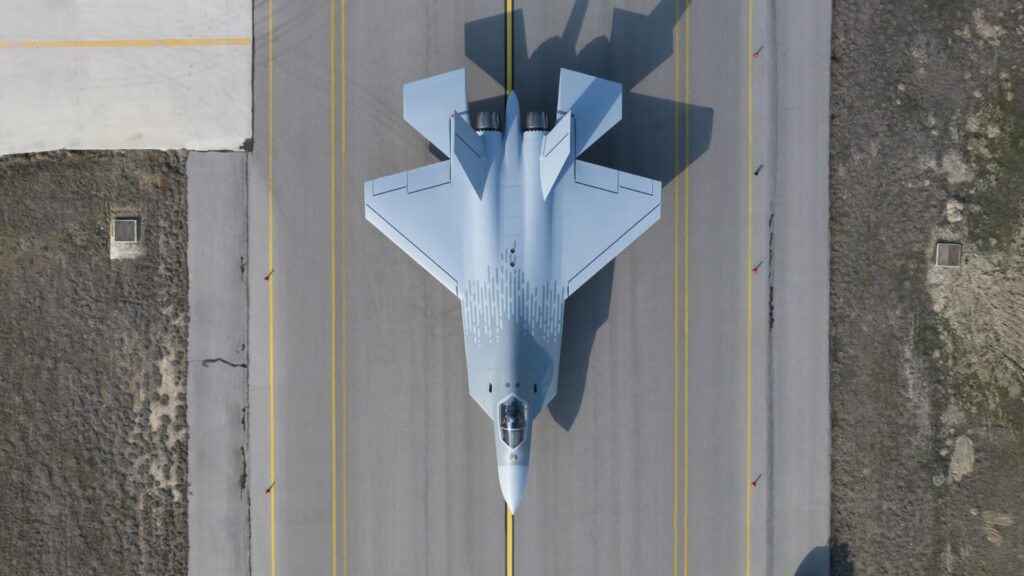
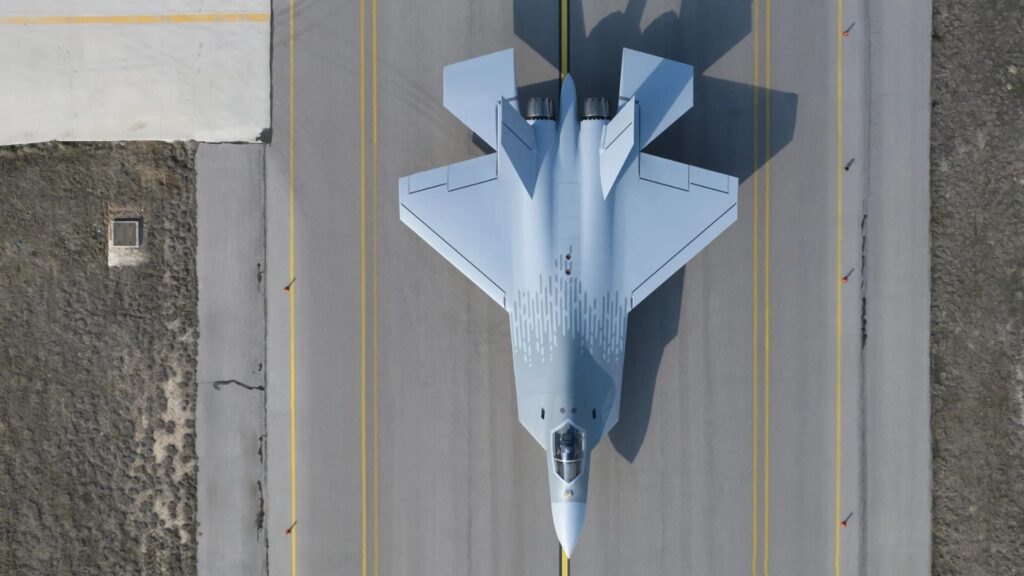
The JF-17 Block-III is the first major iterative upgrade to the JF-17: it will introduce an active-electronically scanned array (AESA) radar, an integrated electronic warfare (EW) and electronic countermeasures (ECM) suite, updated avionics suite, three-axis/all-digital fly-by-wire (FBW) flight-control system, a single-panel multi-function display (MFD)-based cockpit and helmet-mounted display and sight (HMD/S) system.[1] As per the previous PAF CAS, the JF-17 Block-III is slated to enter production in 2019 or 2020.[2]
Speaking to Quwa, retired PAF officer and now historian and commentator Air Commodore Kaiser Tufail views the Block-III as a promising qualitative boost for the PAF fighter fleet:
“With AESA radar, the JF-17 should be able to resist enemy jamming [via its] many small transmit-receive modules (TRM), making it a much more survivable platform. The aircraft’s BVR capability is also expected to be greatly enhanced, especially in an environment increasingly beset with EW advances. Assuming the AESA radar works as expected, the JF-17 would have a more advanced radar than that of the F-16, thus becoming the PAF’s preferred platform in the air-to-air role.”
Go Beyond the Headlines on Pakistan’s Defence and Security.
Quwa Plus gives you deeper reporting, briefings, and analysis on Pakistan’s defence programs, foreign policy, national security, and regional strategy. Follow the developments that matter to professionals, analysts, and serious readers tracking Pakistan’s security landscape.
Join ($29.99/Year) Already a subscriber?Sign in