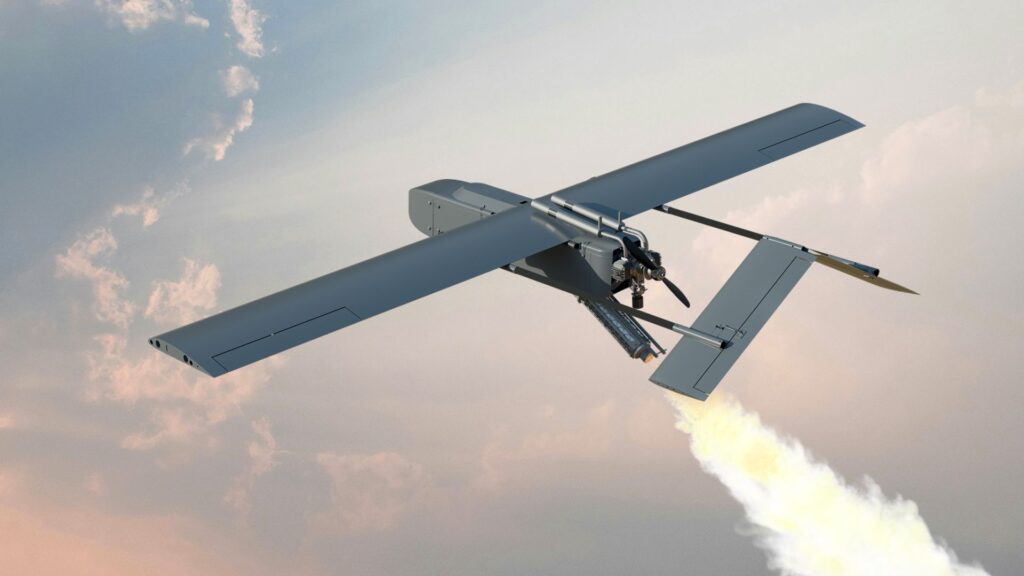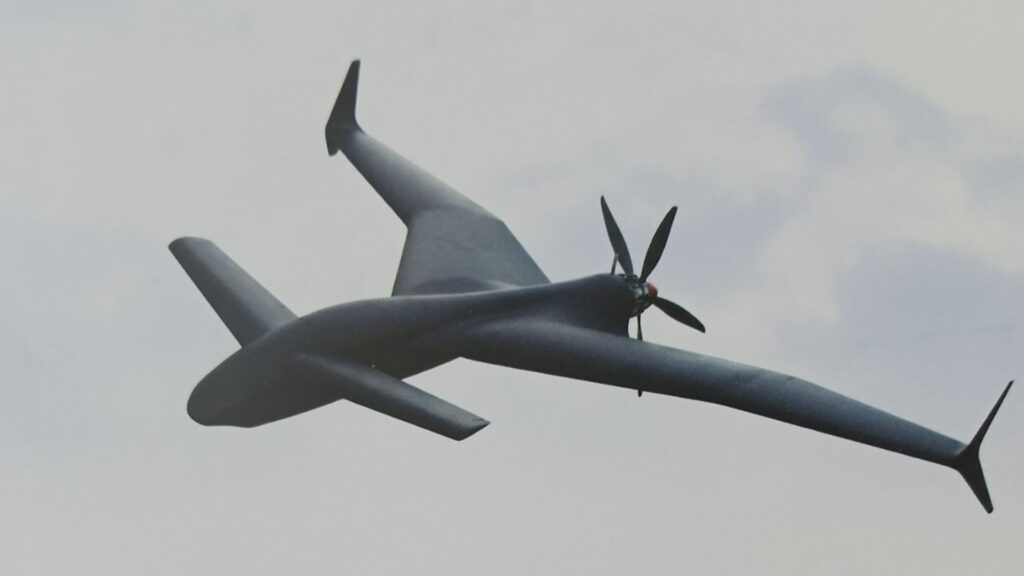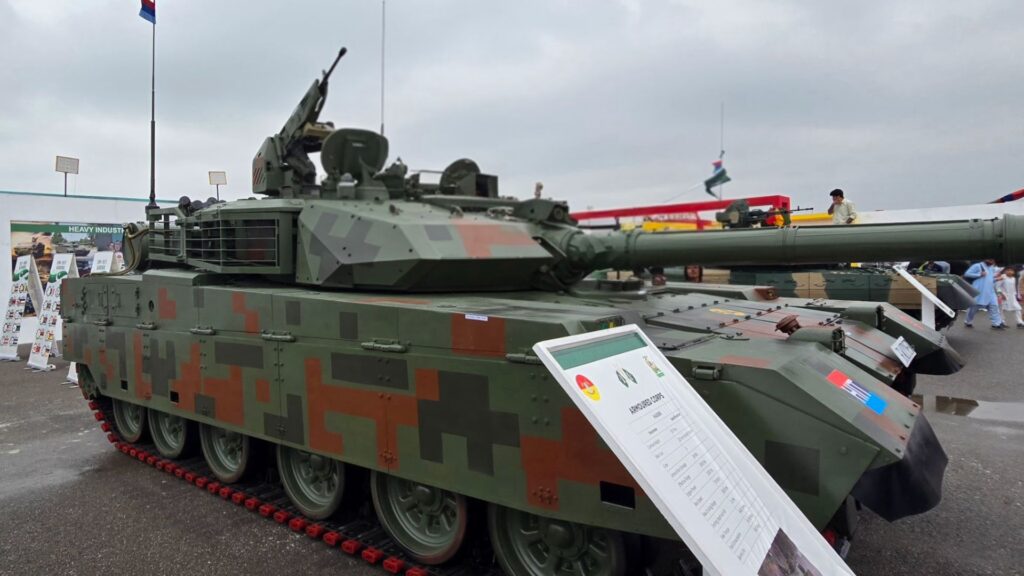
Pakistan’s armed forces engage private defence firms on a “no cost, no obligation” basis: the state neither funds development nor commits to buying the result. In a market with one credible buyer, this makes ambitious private investment commercially irrational, which is why Pakistan has a large SOE sector but few private firms capable of delivering complete military systems.
The fix is not to abandon SOEs or subsidize failure, but to divide risk more rationally — co-financed milestone-based development, conditional procurement against defined requirements, multi-year demand signals, testing access, and IP protection. India’s Make-I/Make-II routes and Türkiye’s SSB-Baykar model show the principle works; Pakistan already applies it to the JF-17 and Al-Khalid, just not to private developers.
In 2019, Shehzad Ahmed Mir, the Managing Director of Bow Systems Ltd. – a privately owned defence company in Pakistan – told Defense News that one of the biggest obstacles to the growth of Pakistan’s private defence sector was the “no cost, no obligation basis” through which the armed forces typically engage these companies.
To put it briefly, “no cost, no obligation” means that if a private company responds to an armed forces requirement with an indigenous solution, the state will neither fund nor co-fund the development of that solution nor commit to buying the resulting product.
The private company must finance the engineers, prototypes, testing, tooling, and refinement, while the state retains the freedom to walk away at the end of the process. Therefore, the state carries little of the development risk and provides no certainty that a successful program will generate an order.
At first glance, this approach may appear fiscally prudent. The armed forces avoid spending money on products that may not work, while the company is expected to prove its competence before receiving public funds. However, companies in the defence sector face unique dynamics that necessitate both public funding for initial support, and state orders to drive initial momentum.
See Where Emerging Defence Markets are Moving
Quwa Pro goes beyond tracking programs and equipment by explaining the policies, incentives, industry dynamics, and competitive pressures shaping South Asia's defence markets.
Subscribe Already a subscriber?Sign in