Youtube
X-twitter
Linkedin
Spotify
Rss
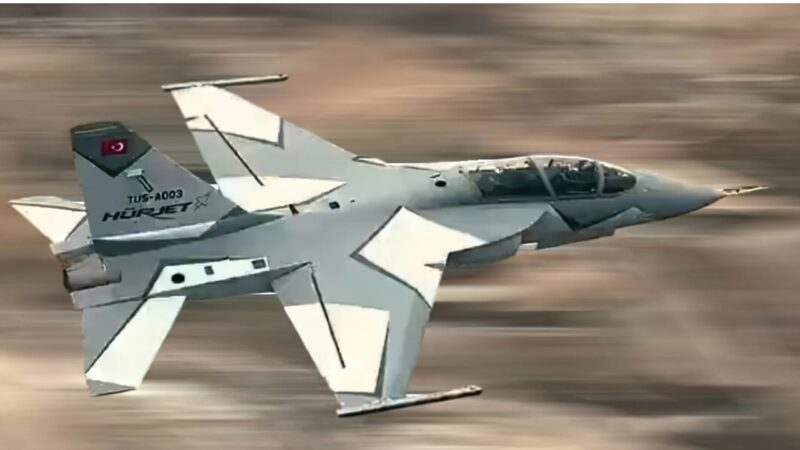
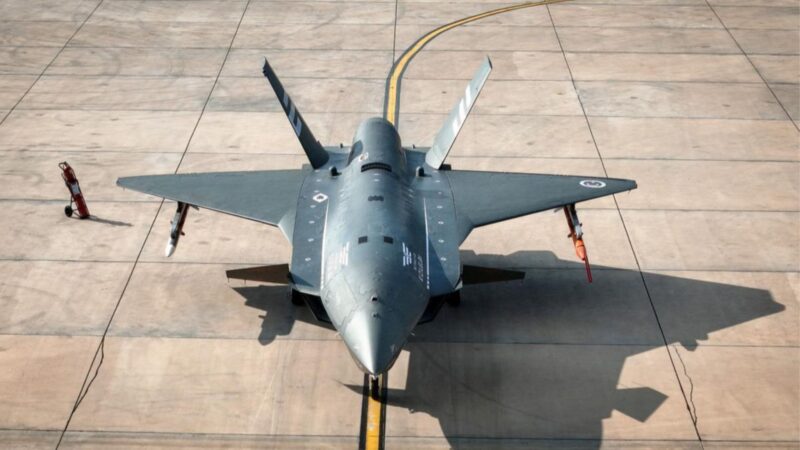
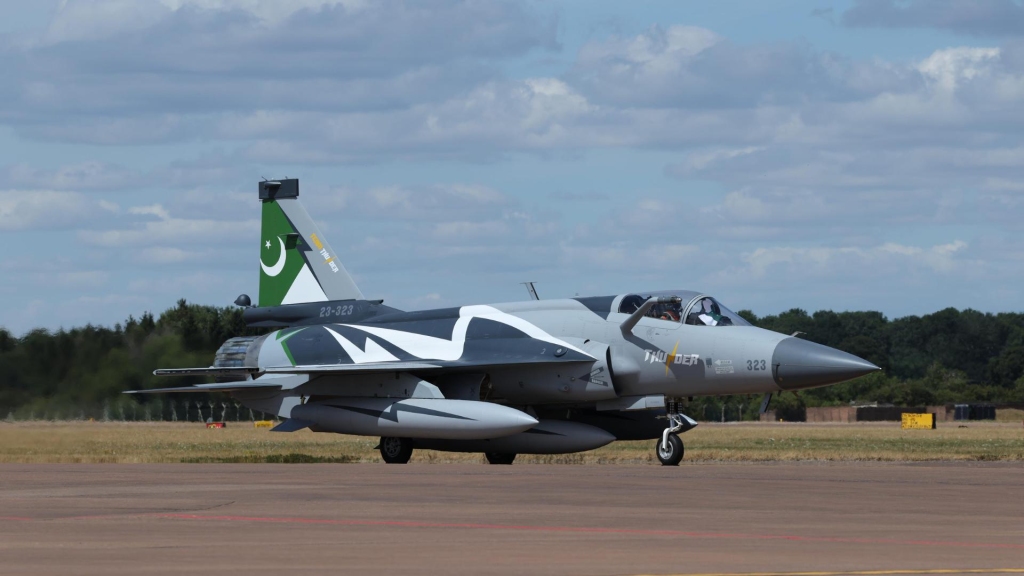
The discourse surrounding military modernization in South Asia, remains stubbornly fixated on platforms. Every debate spirals into a comparison of fighter specifications, missile ranges, and fleet numbers. This platform-centric accounting – asking whether a Tejas is better than a JF-17 or how many J-35s Pakistan might acquire – is a simplistic way of assessing military power. It misses the forest for the trees.
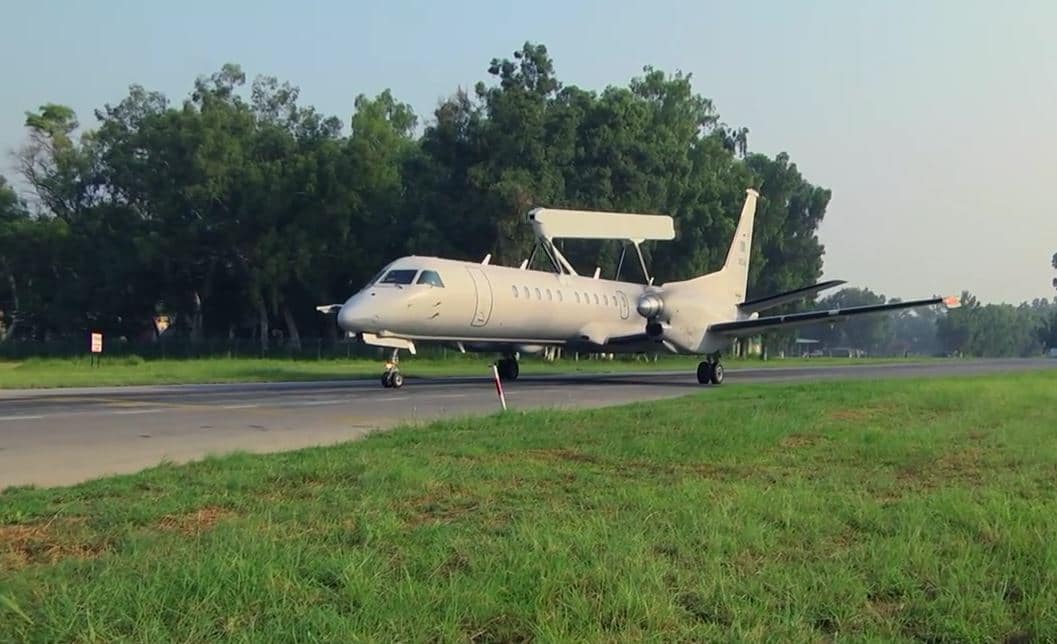
The Pakistan Air Force (PAF), which has generally faced a superior numerical and, in many areas, qualitative adversary, has long since moved beyond this thinking. Rather, the PAF has cultivated a sophisticated “system of systems” approach to warfare, where the value of an individual asset is measured by its contribution to the integrated whole.
On May 7th of 2025, during the short but intense conflict with India, it was not the prowess of a single fighter that mattered, but the resilience and lethality of the entire networked system the PAF brought to the fight. Observers fixated on platforms are fundamentally misreading the nature of the evolving threat.
Get access to this article and all other Quwa content today.
Click Here
Quwa Plus
Go Beyond the Headlines on Pakistan’s Defence and Security.
Quwa Plus gives you deeper reporting, briefings, and analysis on Pakistan’s defence programs, foreign policy, national security, and regional strategy. Follow the developments that matter to professionals, analysts, and serious readers tracking Pakistan’s security landscape.