
Author Profile: Usman Ansari is a journalist specializing in defence issues and presently based in Pakistan. He is Pakistan Correspondent for the US media group Defense News, and Chief Analyst for the British naval news monthly Warships – International Fleet Review. He has a BA in International History and International Politics, and MA in Global Security, both from Keele University, UK.
By Usman Ansari
Pakistani MBT modernization programs since the 1980s successfully focused on countering India’s T-72M1. While India’s Arjun MBT program is largely irrelevant and had a negligible impact on further Pakistani developments, T-90MS purchase dictated a stopgap counter acquisition due to Pakistan’s MBT upgrade program running behind schedule.
Pakistan’s MBT modernization program involved incremental Type-59 upgrades culminating in the Al-Zarrar, an opportunistic stopgap T-80UD acquisition, and localized Type-69II and Type-85APII production leading to the development and manufacturing of the Al-Khalid-series.
The Al-Khalid is based on the NORINCO Type-90II, but customized in line with Pakistan’s requirements. Its more advanced variants, namely the Al-Khalid I and Al-Khalid II, should have met Pakistan’s future MBT needs. In fact, the ongoing Al-Khalid II development indicates that this program is still active.
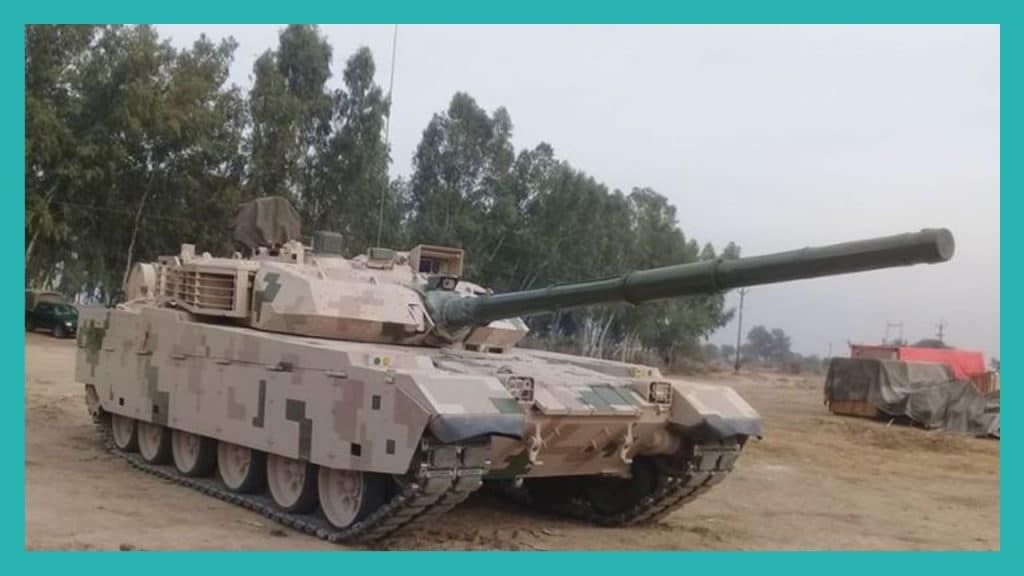
The VT-4 purchase is purely a stopgap measure dictated by the investment shortfalls that stymied Al-Khalid production[1], and therefore, its continued development.
Quwa Plus
Go Beyond the Headlines on Pakistan’s Defence and Security.
Quwa Plus gives you deeper reporting, briefings, and analysis on Pakistan’s defence programs, foreign policy, national security, and regional strategy. Follow the developments that matter to professionals, analysts, and serious readers tracking Pakistan’s security landscape.