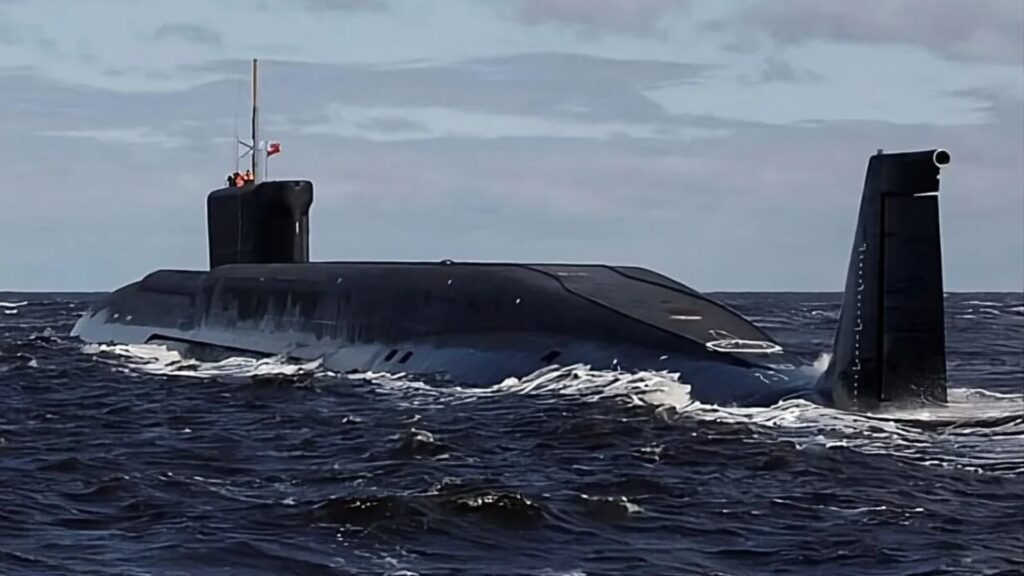
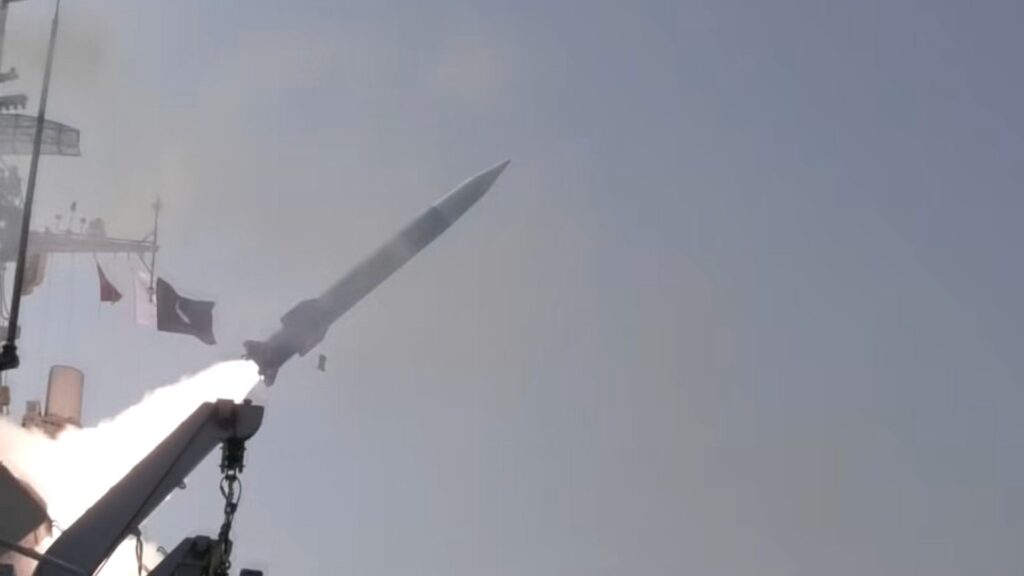
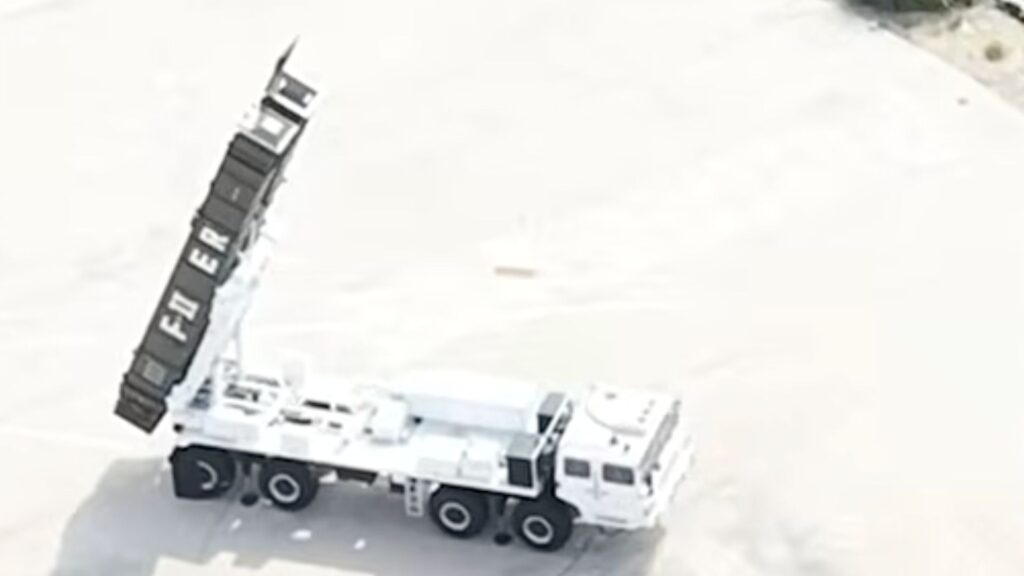
Hypersonic munitions have become a baseline requirement for major militaries. The United States, for example, plans to procure at least 10,000 of Castelion’s Blackbeard hypersonic missiles over the next three years, while Russia, Iran, and Pakistan have all claimed that they used “hypersonic” missiles in recent conflicts.
However, the term ‘hypersonic’ is loaded and vague when left unqualified. If left to the most basic standard, it could refer to a munition that flies faster than Mach 5, which, in turn, places very different types of munitions under one label and treats them equally.
In practice, however, most ‘hypersonic’ adoption currently leans on rocket boosters, in ballistic missiles, or glide vehicles such as the Blackbeard. Arguably, however, the gold standard for hypersonics is the air-breathing cruising missile, which uses a ramjet or a scramjet to stay under power at hypersonic speed.
Measured against that standard, complete hypersonic adoption arguably remains more elusive for most militaries, including the US, which has yet to field its own air-breathing Hypersonic Attack Cruise Missile. Yet, interestingly, the countries leading in terms of the air-breathing hypersonic stack is Asia’s leading power, China – with India rapidly closing in with its own indigenous technologies and solutions.
Defining a ‘Hypersonic Missile’
Air-Breathing Hypersonic Cruise Missiles
The US Congressional Budget Office (CBO) defines a hypersonic missile as “a missile that travels within the atmosphere (rather than above it) at speeds greater than Mach 5 and that can maneuver in the atmosphere for much of its flight.”
Thus, a ballistic missile that passes Mach 5 on descent, or manoeuvres only within its terminal phase, falls outside that definition. Prior to the Russia-Ukraine War, most had framed and anticipated that hypersonic missiles would be air-breathing systems.
See Where Emerging Defence Markets are Moving
Quwa Pro goes beyond tracking programs and equipment by explaining the policies, incentives, industry dynamics, and competitive pressures shaping South Asia's defence markets.
Subscribe Already a subscriber?Sign in