
Overview
Today, all three branches of the Pakistani military - the Pakistan Army (PA), Pakistan Air Force (PAF), and Pakistan Navy (PN) - operate their own ground-based air defence systems (GBADS). Each service has structured its air defence around distinct doctrines and operational requirements, though all share a common reliance on Chinese surface-to-air missile (SAM) systems as their primary imported platforms.
The Russia-Ukraine War accelerated this shift. Since 2022, the demonstrated effectiveness of GBADS in degrading and denying enemy air power - as documented by the Royal United Services Institute (RUSI) and the International Institute for Strategic Studies (IISS) - has driven Pakistan to prioritize SAM acquisitions and, increasingly, indigenous development programs aimed at building domestic production capacity for medium- and long-range air defence solutions.
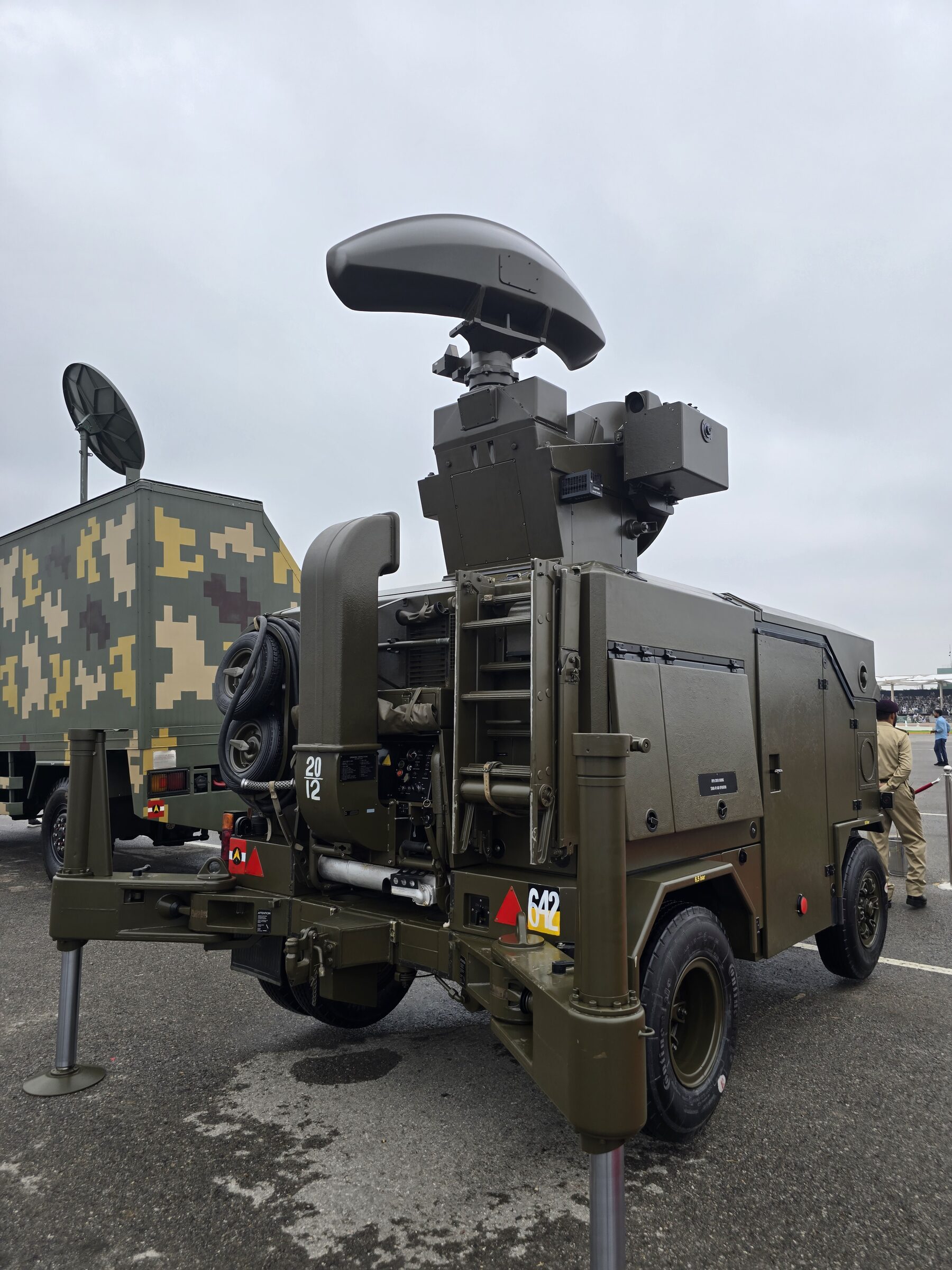
Pakistan Air Defence System Guides
Explore Quwa's dedicated system pages for Pakistan's long-range, medium-range, short-range, naval, and indigenous air defence programs.
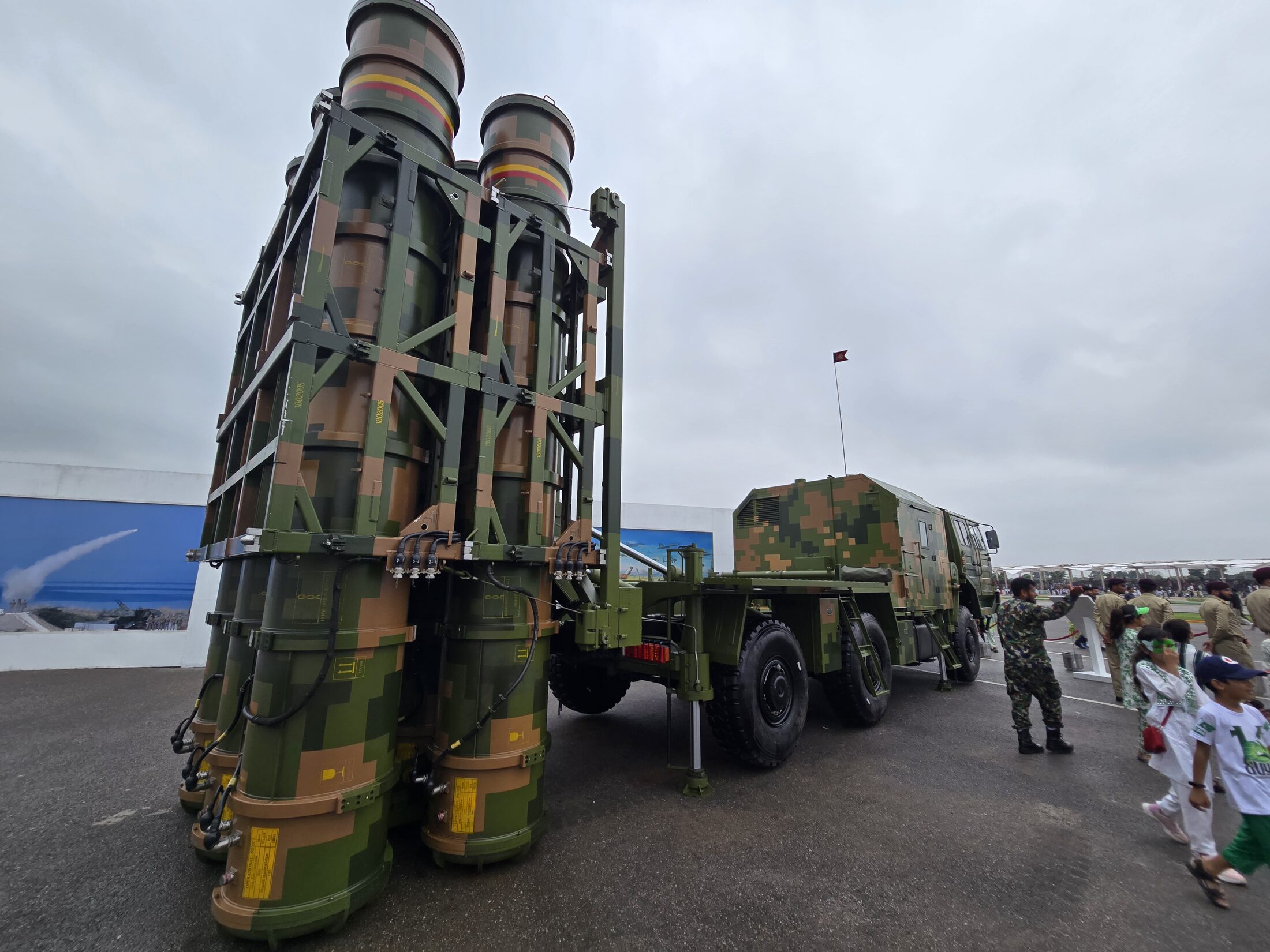 HQ-9 Long-Range Air Defence System
Long-range SAM coverage for strategic airspace denial.
HQ-9 Long-Range Air Defence System
Long-range SAM coverage for strategic airspace denial.
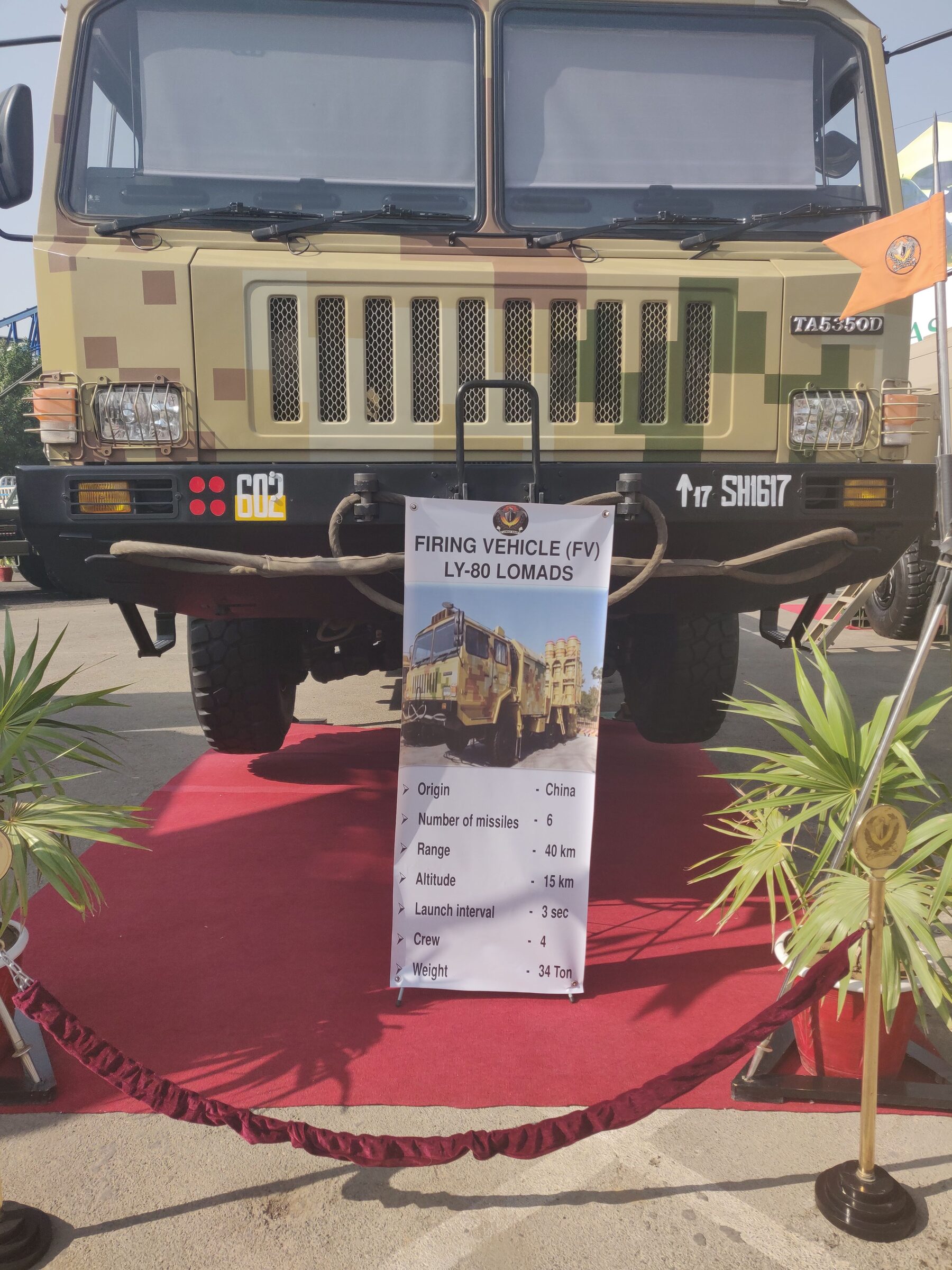 LY-80 / HQ-16 Medium-Range Air Defence System
The core medium-range SAM layer in Pakistan service.
LY-80 / HQ-16 Medium-Range Air Defence System
The core medium-range SAM layer in Pakistan service.
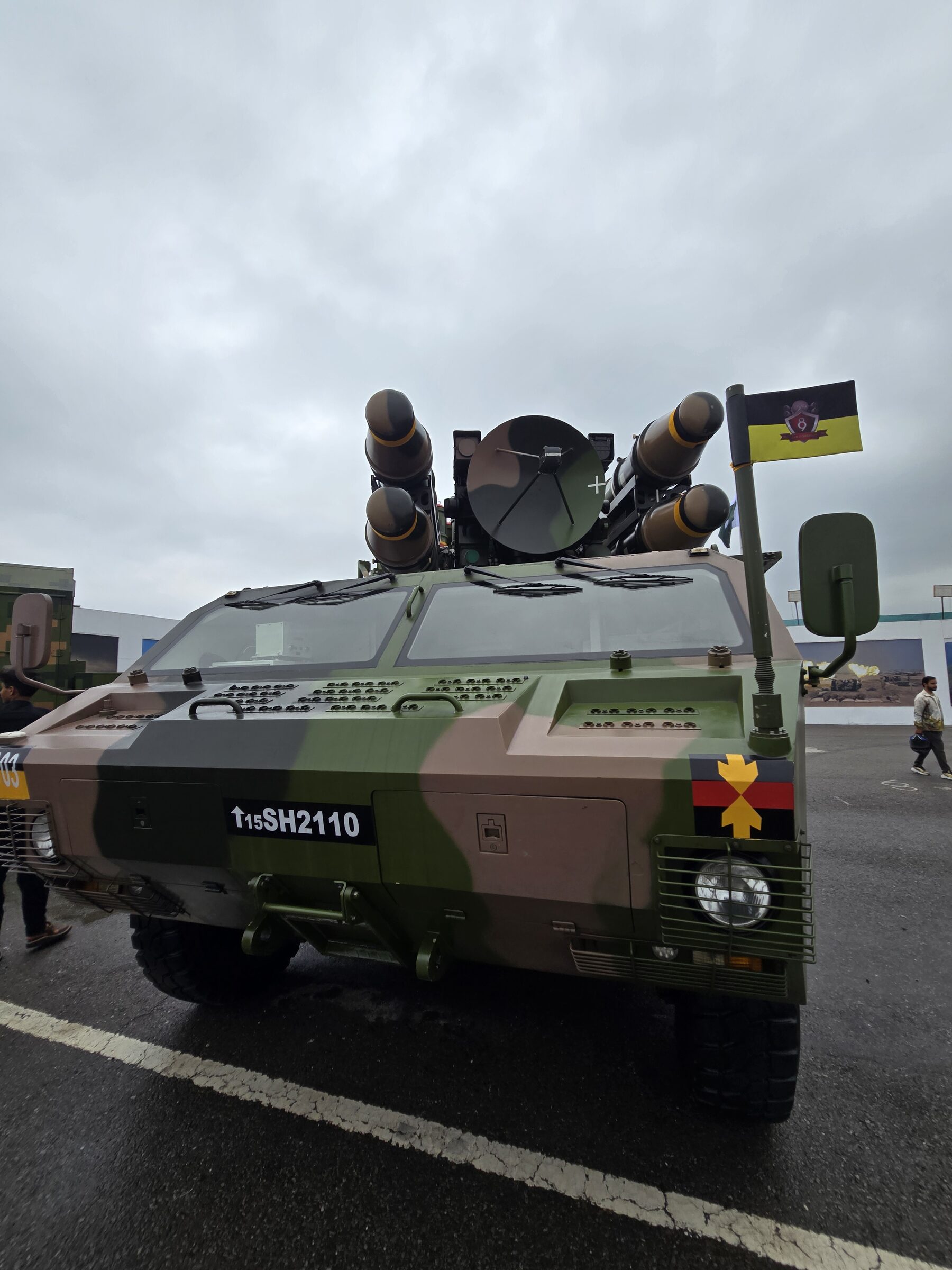 HQ-7 / FM-90 Short-Range Air Defence System
Short-range point defence against aircraft, drones, and low-altitude threats.
HQ-7 / FM-90 Short-Range Air Defence System
Short-range point defence against aircraft, drones, and low-altitude threats.
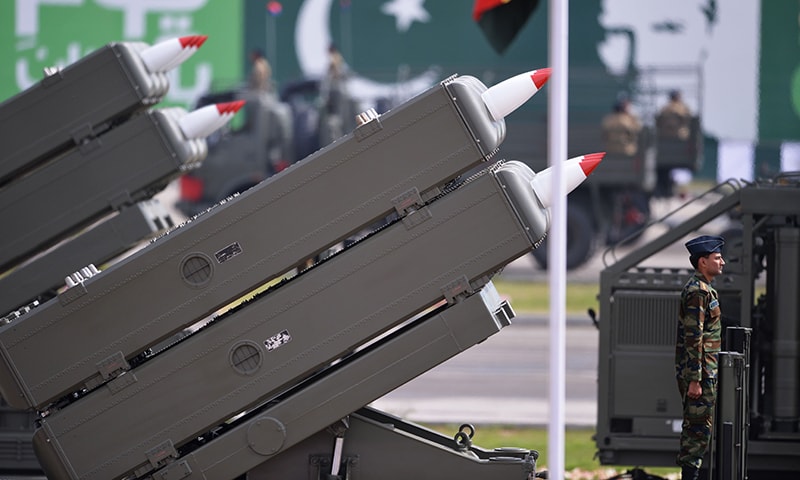 MBDA Spada 2000-Plus Air Defence System
Legacy PAF short-range SAM coverage and CIWS upgrade path.
MBDA Spada 2000-Plus Air Defence System
Legacy PAF short-range SAM coverage and CIWS upgrade path.
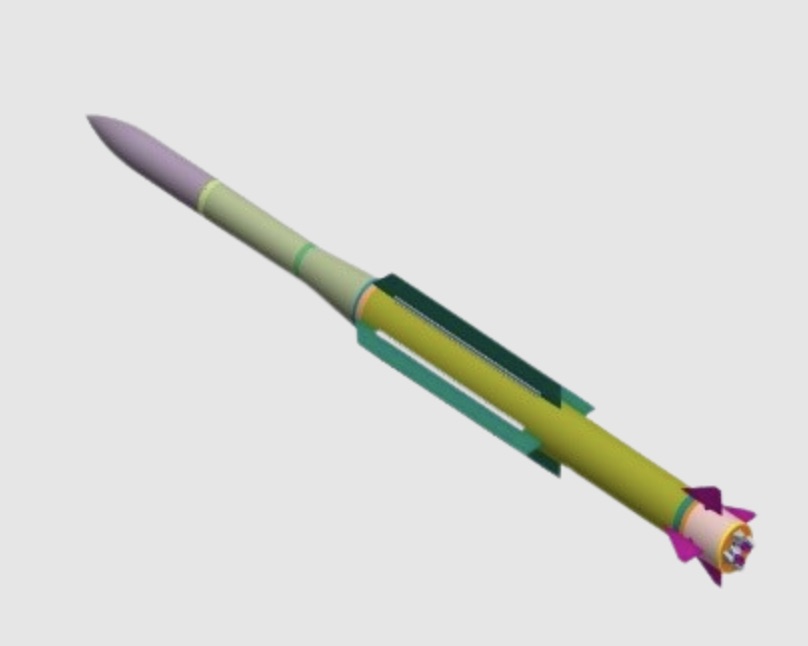 GIDS LOMADS Air Defence System
Pakistan’s indigenous low-to-medium altitude SAM program.
GIDS LOMADS Air Defence System
Pakistan’s indigenous low-to-medium altitude SAM program.
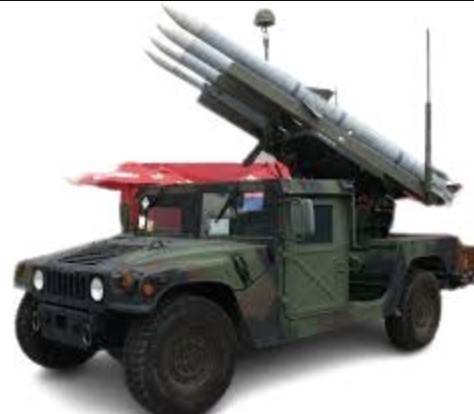 GIDS FAAZ-SL E-SHORADS Air Defence System
A surface-launched FAAZ missile concept for short-range air defence.
GIDS FAAZ-SL E-SHORADS Air Defence System
A surface-launched FAAZ missile concept for short-range air defence.
 Anza MANPADS Family
Pakistan’s man-portable short-range air defence missile family.
Anza MANPADS Family
Pakistan’s man-portable short-range air defence missile family.
 RBS-70 VSHORAD Air Defence System
Laser beam-riding very-short-range air defence coverage.
RBS-70 VSHORAD Air Defence System
Laser beam-riding very-short-range air defence coverage.
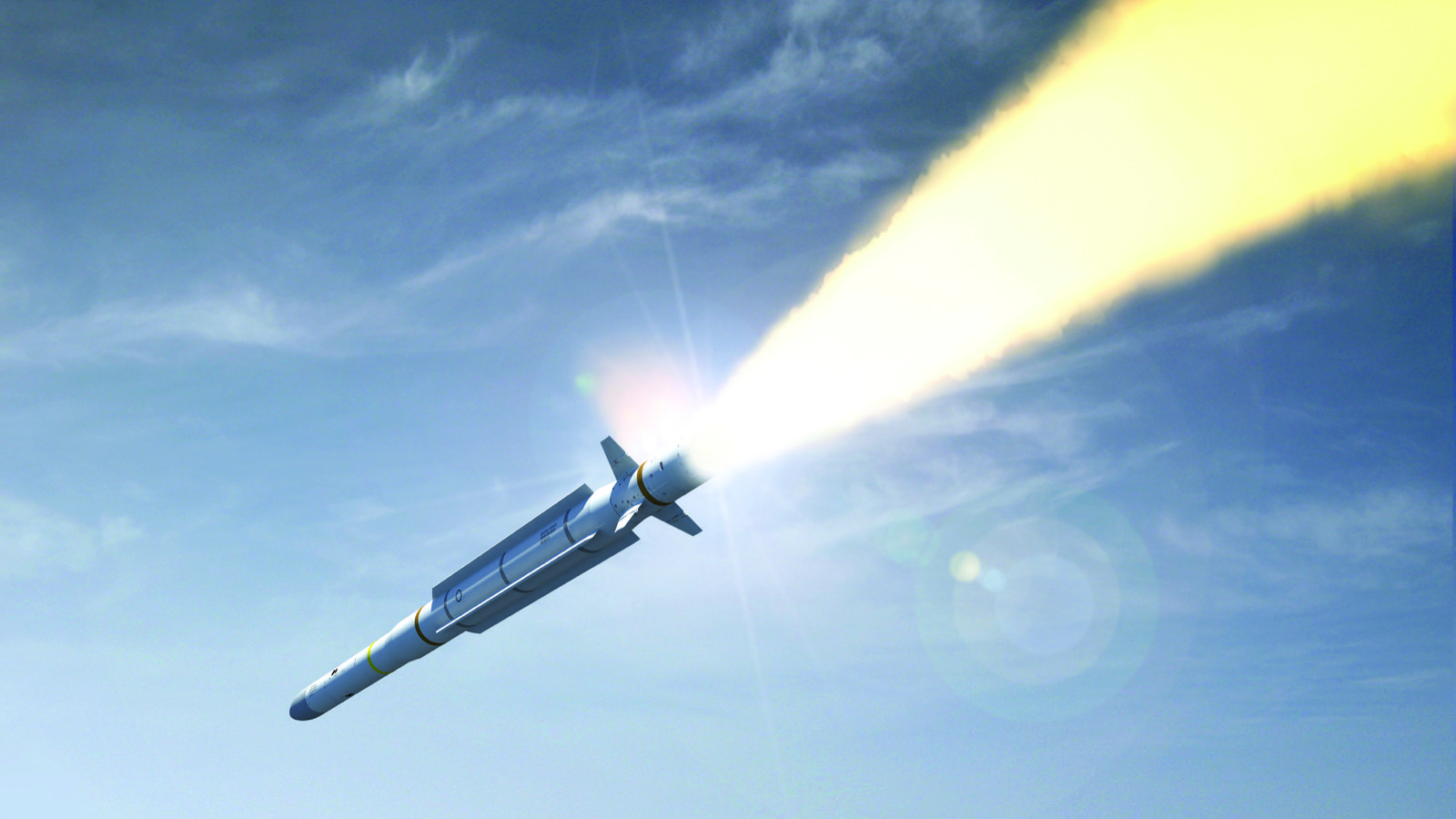 MBDA CAMM-ER / Albatros NG Naval Air Defence System
A naval air defence option for future Pakistan Navy combatants.
MBDA CAMM-ER / Albatros NG Naval Air Defence System
A naval air defence option for future Pakistan Navy combatants.
Architecture
How Pakistan's Air Defence System is Organized
Pakistan does not operate a single, unified integrated air defence system (IADS) under a joint command. Instead, each service branch manages its own air defence assets, with the PAF traditionally holding the primary responsibility for territorial airspace denial.
The PA organizes its SAMs under the Comprehensive Layered Integrated Air Defence (CLIAD) system, a multi-tiered architecture covering short- to long-range engagements. The PAF has built a separate GBADS consisting of long-range and medium-range SAMs, radar systems, and - more recently - directed energy weapons and electronic warfare measures. The PN fields ship-based air defence systems aboard its surface combatants.
The degree of integration between these three systems remains unclear. However, there appears to be a functional demarcation: the PA covers engagements out to approximately 125 km, while the PAF extends coverage to 260 km and beyond. This suggests that the PAF's air defence responsibilities are strategic in nature - focused on denying access to Pakistani airspace rather than covering specific ground assets.
This organizational model differs from most modern IADS architectures, where a joint command oversees the full spectrum of air defence assets. The Stockholm International Peace Research Institute (SIPRI) has noted the growing trend among South Asian states towards layered, multi-service air defence architectures, though few have achieved full integration.
Pakistan Army
The Pakistan Army's CLIAD Air Defence System
The Pakistan Army's air defence programs are organized under CLIAD, which comprises four layers: HIMADS, LOMADS, E-SHORAD, and SHORAD. Before the mid-2010s, the Army's air defence coverage was limited to short-range systems with a maximum reach of 20-25 km. CLIAD represents the outcome of a decade-long initiative to build a multi-layered GBADS that distributes SAM deployment across the Army's hierarchy, from Corps level to Brigade level.
The Inter-Services Public Relations (ISPR) confirmed the structure of CLIAD through a series of air defence exercises in which the PA test-fired systems from each layer.
HQ-9/P - Pakistan Army's Long-Range HIMADS SAM
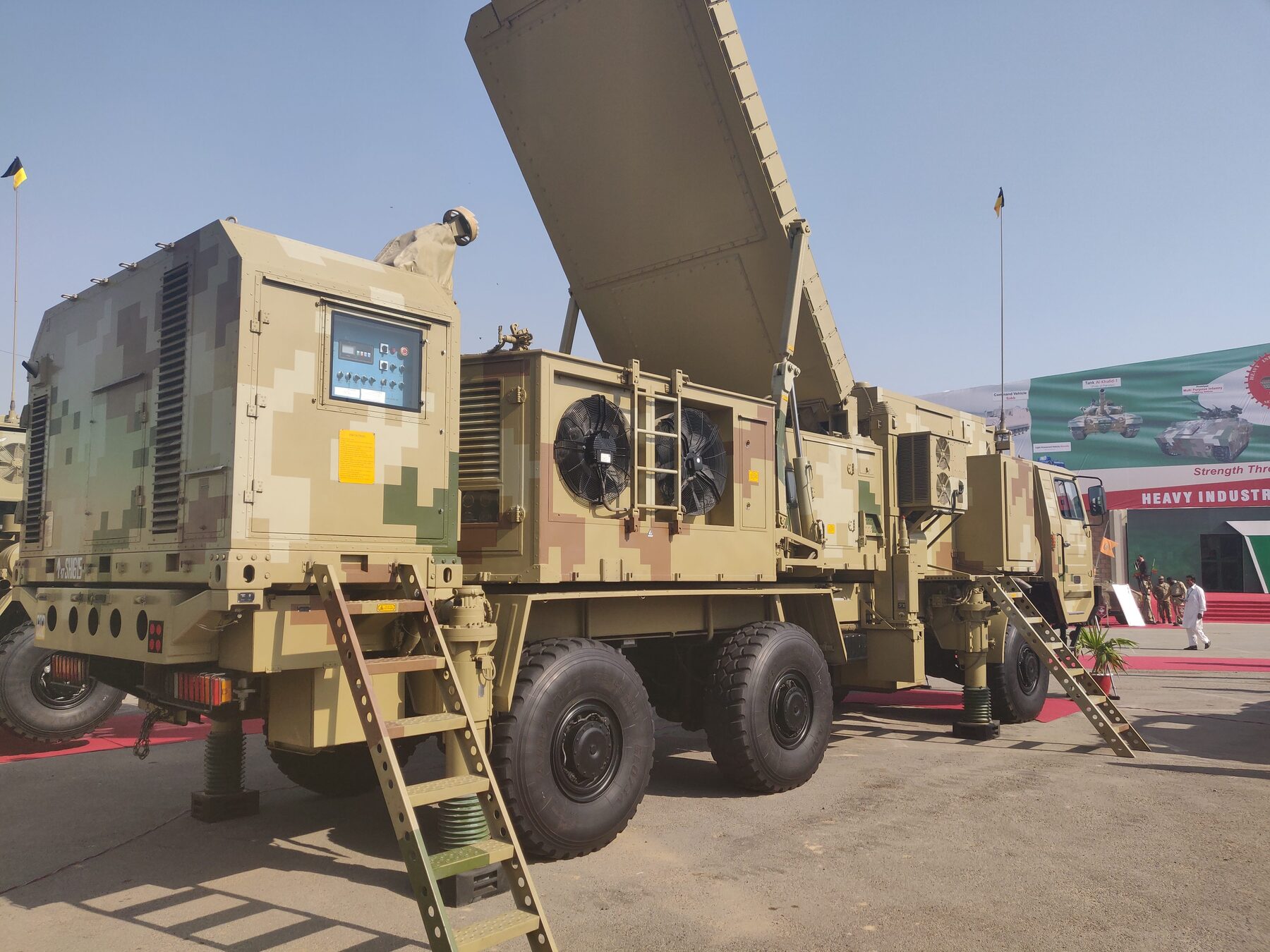
The HIMADS layer uses the Chinese HQ-9/P long-range SAM. Inducted in 2021, the HQ-9/P has a stated range of 125 km and can intercept aircraft and cruise missiles - though its capacity to engage cruise missiles is likely limited to a shorter range, possibly under 25 km.
The HQ-9/P utilizes an active radar-homing (ARH) seeker paired with an inertial navigation system (INS). The accompanying HT-233 phased-array fire control radar guides the missile via data-link until the terminal phase, at which point the ARH seeker activates for independent guidance. The PA classifies this as its primary long-range air defence layer. The HQ-9 family is manufactured by the China Academy of Defence Technology (CADT) under the China Aerospace Science and Industry Corporation (CASIC).
LY-80 - Pakistan Army's Medium-Range LOMADS SAM
The Army's LOMADS layer comprises the Chinese LY-80 and, reportedly, the LY-80EV. The PA inducted the LY-80 in 2017, providing a range of approximately 40 km. The LY-80EV may be the improved 70 km variant of the HQ-16 revealed in 2016, though this has not been officially confirmed.
The LY-80 uses a semi-active radar-homing (SARH) guidance system, which means the missile depends on an illumination radar to maintain a lock on the target throughout its flight. This creates a vulnerability to saturation attacks, as the number of simultaneous engagements is limited by the number of available illumination radars. The LY-80/EV is paired with the IBIS-150, an S-band passive electronically-scanned array (PESA) surveillance radar with a 150 km range, and multiple L-band fire control radars with ranges of 85 km each.
The LY-80 is the export variant of the HQ-16 medium-range SAM, developed by the China National Precision Machinery Import & Export Corporation (CPMIEC). Pakistan is one of several countries that has acquired this system.
FM-90 - Pakistan Army's Extended Short-Range Air Defence
The E-SHORAD layer may comprise the FM-90 system, which offers a range of approximately 15 km. The FM-90 uses a command guidance system and is designed to intercept low-flying aircraft, drones, and - potentially - missiles and munitions at close range. The FM-90 was developed by China's Norinco as an improved variant of the earlier HQ-7 system.
SHORAD - Pakistan Army's Short-Range Air Defence Systems
The PA's SHORAD inventory is the most diverse layer, consisting of the Anza-Mk2 and Anza-Mk3 man-portable air defence systems (MANPADS) with a range of 5,000 m, the Swedish Saab RBS-70 NG laser beam-riding SAM with a range of 9,000 m, and the Chinese FN-6 and FN-16 MANPADS with ranges of 6,000 m each. The Army also operates older RBS-70 systems and 37 mm anti-aircraft guns.
The Anza-series MANPADS are manufactured domestically by Pakistan Ordnance Factories (POF) at Wah, making them one of the few Pakistani-produced air defence systems in service.
Pakistan Air Force
The Pakistan Air Force GBADS and SAM Systems
The PAF's air defence has evolved from a point-defence role - protecting installations such as air bases and radar sites - into a territorial denial capability. Until 2019, the PAF's longest-range SAM vector was the MBDA Spada 2000-Plus, with a range of just 20 km. Since then, the PAF has acquired both long-range and medium-to-long-range Chinese SAMs, fundamentally changing the scope of its ground-based air defence.
This shift was informed by the lessons of the Russia-Ukraine War, where Ukrainian forces demonstrated that a well-structured GBADS can effectively challenge a numerically superior air force. PAF Air Headquarters (AHQ) appears to have adopted this principle for its own air defence architecture.
HQ-9BE - PAF's Long-Range SAM System
The HQ-9BE is the PAF's long-range SAM system. It can engage combat aircraft at up to 260 km and 27 km altitude, air-to-ground missiles at up to 50 km, and cruise missiles at up to 25 km. The HQ-9BE represents a significant uplift from the Army's HQ-9/P, offering both greater range and, reportedly, improved engagement capabilities against a wider range of threat types.
HQ-16FE - PAF's Medium-Range SAM System
The HQ-16FE provides the PAF with a medium-to-long-range layer at approximately 160 km. When paired with the HQ-9BE, this gives the PAF a layered GBADS covering engagement envelopes from medium altitude and range out to the maximum reach of the HQ-9BE. The HQ-16FE likely uses an ARH seeker, which would address the SARH vulnerability present in the Army's LY-80 systems.
Spada 2000-Plus and Spada CIWS Upgrade
The PAF retains its legacy MBDA Spada 2000-Plus systems, which provide a 20-25 km range. However, the PAF is upgrading the Spada into a close-in-weapons-system (CIWS) configuration by pairing the existing system with an Oerlikon GDF 35 mm anti-aircraft gun (AAG). The PAF has also explored replacing the Spada's sensors with domestically developed alternatives, including original active electronically-scanned array (AESA) radars built by Pakistani state-owned entities.
PAF Radar and Sensor Network
The PAF's sensor backbone includes the Lockheed Martin AN/TPS-77 long-range radar (acquired in the early 2000s), a fleet of Hensoldt-upgraded Mobile Pulse Doppler Radars (MPDRs), the Saab Erieye airborne early warning and control (AEW&C) platform, and fire control radars for its SAM batteries. The PAF has recently acquired additional TPS-77 MRRs and a new batch of Saab Erieye AEW&C aircraft.
The PAF's Air Defence Ground Environment System (ADGES) was first established in 1975 through Project Crystal, which added AN/TPS-43 radars and 45 MPDR systems alongside a real-time data-link network. This infrastructure has been progressively upgraded over the decades.
The PAF has also set the groundwork for passive air defence measures, including electronic warfare (EW) systems designed to address the threat of loitering munitions and swarming drones. The PAF's National Aerospace Science and Technology Park (NASTP) has demonstrated several prototype configurations integrating active and passive air defence measures.
Quwa Premium
Track Pakistan's air defence programs before the public cycle catches up.
Quwa Premium gives readers deeper analysis of Pakistan defence, procurement signals, and the strategic context behind air defence modernization. Advertising and sponsorships put industry messages in front of the same decision-focused audience.
Read By Defence Professionals







Reference
Pakistan's Air Defence System List: All Known SAMs and Radars
The following is a summary of the known air defence systems in service across Pakistan's tri-services. Exact unit quantities are not publicly disclosed by the Pakistani Ministry of Defence Production (MoDP), but the system types are confirmed through official exercises, procurement records, and Quwa's reporting archive.
The PA operates the HQ-9/P at 125 km range, the LY-80 at 40 km, the LY-80EV at an estimated 70 km, the FM-90 at 15 km, and MANPADS including the Anza-Mk2, Anza-Mk3, Saab RBS-70 NG, FN-6, and FN-16 at ranges between 5,000 and 9,000 m. The PA's radar inventory includes the IBIS-150 PESA surveillance radar and multiple L-band fire control radars.
The PAF operates the HQ-9BE at 260 km range, the HQ-16FE at 160 km, the Spada 2000-Plus at 20-25 km, Crotale 2000 systems, and Mistral MANPADS. The PAF is also fielding the Spada CIWS upgrade. Its radar network includes the AN/TPS-77 long-range radar, Hensoldt-upgraded MPDRs, RAC-3D fire control radar, and the Saab Erieye AEW&C platform.
The PN operates ship-based LY-80 systems aboard the Tughril-class frigates and a range of point-defence SAMs aboard its other surface combatants, including FM-90N and HQ-7 variants. The Tughril-class carries the Type 382 three-coordinate air search radar alongside its fire control systems.
Industry
Pakistan's Indigenous Air Defence Programs
Pakistan's domestic defence industry is developing several SAM programs through the National Engineering and Scientific Commission (NESCOM) and its commercial arm, Global Industrial and Defence Solutions (GIDS). While Pakistan's near-term air defence needs are being met by Chinese imports, these indigenous programs signal a long-term goal of building sovereign air defence production capacity.
The drive towards indigenous air defence production gained urgency after the May 2025 conflict, which exposed the risks of relying solely on imported SAM inventories that cannot be replenished rapidly during wartime.
GIDS LOMADS SAM - Pakistan's Indigenous Medium-Range Air Defence
GIDS is marketing a Low-to-Medium Altitude Air Defence System (LOMADS) with a stated range of 7 km to 100 km and altitude coverage of 30 m to 20 km. The missile will have a maximum speed of Mach 5 and can engage targets flying from Mach 0.1 to Mach 3, with a capacity to engage 12 targets simultaneously.
The LOMADS represents the most ambitious indigenous SAM program. Its range would take it into the domain of the LY-80 and - potentially - compete with the lower end of the HQ-9/P's envelope. For the PAF, the LOMADS could serve as a replacement for the aging Spada 2000-Plus, extending the PAF's wider air defence environment by a substantial margin. Development is being led by entities under NESCOM, with the Air Weapons Complex (AWC) likely contributing to the seeker and guidance subsystems.
FAAZ-SL - Pakistan's Surface-Launched Short-Range SAM
The FAAZ-SL is a surface-launched variant of the FAAZ air-to-air missile, reportedly pairing the FAAZ missile with the fire-control radar from legacy MBDA Spada systems. With a stated range of 20-25 km, the FAAZ-SL represents a pragmatic approach - repurposing existing assets to field a short-range SAM capability quickly and affordably.
The broader FAAZ program includes the FAAZ-1 (ARH and IIR variants, 100 km range) and FAAZ-2 (180 km range) beyond-visual-range air-to-air missiles, developed by the Air Weapons Complex (AWC). The cross-application of the FAAZ missile for both AAM and SAM roles could enable Pakistan to distribute research and development costs across multiple production orders, a strategy that mirrors the approach taken by MBDA with its MICA family and Rafael with the Derby/SPYDER family.
Modernization
Future Pakistan Air Defence Acquisitions and Modernization
Pakistan's air defence modernization is ongoing. Several acquisition programs are in discussion or early stages, with the post-May 2025 security environment adding urgency to procurement timelines.
HQ-19 - Potential Anti-Ballistic Missile Defence
Reports indicate that the PAF has shown interest in acquiring the HQ-19, a Chinese long-range SAM system with reported anti-ballistic missile (ABM) capabilities. The HQ-19 would represent a generation beyond the HQ-9BE, offering the potential to intercept ballistic missiles and hypersonic threats - capabilities that Pakistan's current inventory lacks.
However, no confirmed order or delivery timeline has been publicly announced. The acquisition of the HQ-19 would depend on factors including cost, China's willingness to export the system, and the degree to which Pakistan prioritizes ABM defence relative to densifying its existing SAM coverage. The Centre for Strategic and International Studies (CSIS) has tracked the HQ-19's development as part of China's broader ABM program.
Counter-UAS and Directed Energy Weapons
The threat of loitering munitions and drone swarms has driven all three services to invest in counter-unmanned aerial system (C-UAS) solutions. The PAF is pursuing directed energy weapons (DEW) and electronic attack (EA) systems alongside its SAM fleet. The PN has tendered for laser weapon systems. The Army is evaluating options for C-UAS at the tactical level, including integration with its existing CLIAD architecture.
The emergence of C-UAS as a priority reflects lessons from Ukraine, where low-cost drones have imposed disproportionate costs on traditional air defence networks. Pakistan's response will likely combine kinetic interceptors, electronic warfare, and directed energy into a layered counter-drone architecture.
The "Missing Middle" SAM Requirement
A key gap in Pakistan's current air defence posture is the 25-100 km range band - the zone between the Spada 2000-Plus and the HQ-9 series. The indigenous LOMADS program is intended to fill this gap. Whether through indigenous production or additional imports, closing this gap will be a priority for both the PAF and PA in the coming years.
Lessons
Pakistan's Air Defence After the May 2025 Conflict
The India-Pakistan tensions of May 2025 revealed the scale of the challenge facing Pakistan's air defence establishment. India's doctrine is no longer centred on isolated "surgical strikes," but on sustained, high-tempo missile warfare designed to overload, deceive, and burn through an IADS within hours.
Pakistan's problem is reaction time, not range. Once a missile appears on radar, a high-value site - whether a city like Lahore or a key air base such as Shahbaz - may have minutes before impact. This has sharpened the focus on three priorities: densifying SAM coverage across the national territory, reducing the detection-to-launch cycle through automation and distributed sensors, and building indigenous production capacity to sustain attrition in a prolonged conflict.
The PA is transitioning from a deterrence-oriented IADS to one that must absorb sustained, multi-axis aerial attack at scale. The Blueprint for Pakistan's Future-Proof Air Defence System frames this as a two-tier strategy: solve the supersonic missile threat now, and use that industrial base to build a bridge to the hypersonic future.
The post-conflict environment has also highlighted the need for a tri-service integrated battle management system that can coordinate PA, PAF, and PN air defence assets in real time - a capability that does not yet exist in Pakistan's current architecture.
Comparison
How Pakistan's Air Defence Compares to India's
Pakistan's air defence system is structured differently from India's. While India operates a centralized IADS architecture with a wider variety of SAM platforms - including the Russian Almaz-Antey S-400, S-300, Buk, and indigenous DRDO Akash systems - Pakistan relies on a smaller number of Chinese-origin SAMs deployed across three independently managed service-level systems.
The primary advantage of Pakistan's approach is cost. Chinese SAMs are significantly less expensive than their Russian or Western equivalents, enabling Pakistan to field more units per dollar. The primary disadvantage is the lack of a unified battle management system and the vulnerability of SARH-guided systems (such as the LY-80) to saturation attacks.
Pakistan has not acquired a Western long-range SAM system, such as the US Raytheon Patriot or the European Eurosam SAMP/T. Sanctions, cost, and the strength of the Pakistan-China defence relationship have channelled procurement almost exclusively through Chinese manufacturers, with selective European and American purchases limited to radars and sensors.
India's acquisition of the S-400 from Russia in 2021 prompted considerable strategic reassessment in Pakistan, as the S-400's 400 km range and advanced multi-target engagement capability posed a qualitative challenge to Pakistani airpower. Pakistan's response has been to field the HQ-9BE and invest in electronic warfare countermeasures rather than seeking a comparable system.
Frequently Asked Questions
Frequently Asked Questions
Does Pakistan have an air defence system?
Pakistan operates multiple air defence systems across all three branches of its military. The longest-range system in service is the PAF's HQ-9BE, with a stated engagement range of 260 km against aircraft. The PA's CLIAD system provides layered coverage from MANPADS at 5 km out to the HQ-9/P at 125 km.
How many air defence systems does Pakistan have?
Pakistan fields at least 10 distinct SAM types across its tri-services, ranging from MANPADS (Anza-series, RBS-70, FN-6, FN-16) through short-range systems (FM-90, Spada 2000-Plus) to medium-range (LY-80, LY-80EV, HQ-16FE) and long-range platforms (HQ-9/P, HQ-9BE). Exact quantities of each system are not publicly disclosed by the MoDP.
What is Pakistan's longest-range air defence system?
The PAF's HQ-9BE has a stated range of 260 km against combat aircraft, making it Pakistan's longest-range operational SAM. The Army's HQ-9/P has a range of 125 km. If the HQ-19 is acquired, it would extend Pakistan's reach further and add ABM capabilities.
Does Pakistan have the S-400?
Pakistan does not operate the Russian S-400 or any Russian-origin SAM. Pakistan's long-range air defence needs are met by Chinese-origin systems, specifically the HQ-9 family. The S-400 is operated by India, which acquired the system from Russia in 2021.
Is Pakistan developing its own air defence systems?
Pakistan is developing several indigenous SAM programs through NESCOM/GIDS, including the LOMADS (7-100 km range) and the FAAZ-SL (20-25 km range). These are at various stages of development and have not yet entered serial production. The Air Weapons Complex (AWC) is the primary entity responsible for seeker and missile development.
What is Pakistan's CLIAD system?
CLIAD stands for Comprehensive Layered Integrated Air Defence. It is the Pakistan Army's multi-tiered air defence architecture, organized into four layers: HIMADS (HQ-9/P, 125 km), LOMADS (LY-80/EV, 40-70 km), E-SHORAD (FM-90, 15 km), and SHORAD (MANPADS, 5-9 km). CLIAD distributes air defence assets across the Army's hierarchy from Corps to Brigade level.
This page is maintained and updated by the Quwa editorial team as new developments emerge. For in-depth analysis of Pakistan's air defence programs, including procurement signals, vendor positioning, and doctrinal assessments, see Quwa Premium.
Last Updated: May 2026
Go Deeper With Quwa
Follow Pakistan air defence at the level serious readers need.
Quwa Premium brings together Pakistan defence analysis, foreign policy context, and market intelligence. Advertising and sponsorships give industry players direct visibility with readers in the armed forces, government, intelligentsia, and defence market.
Read By Defence Professionals