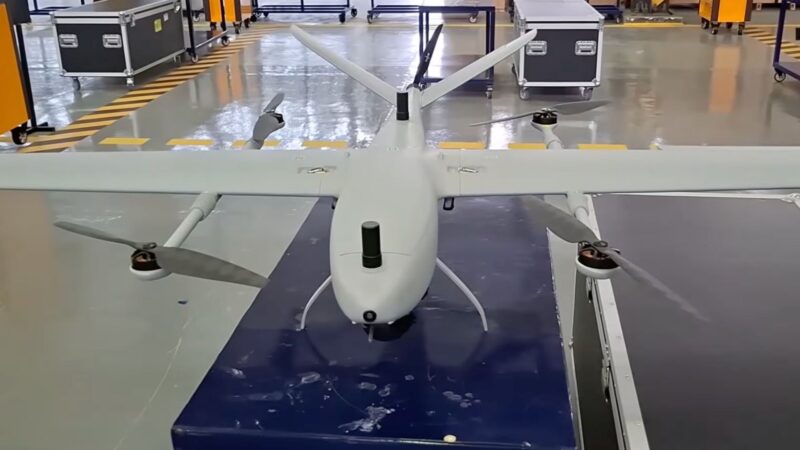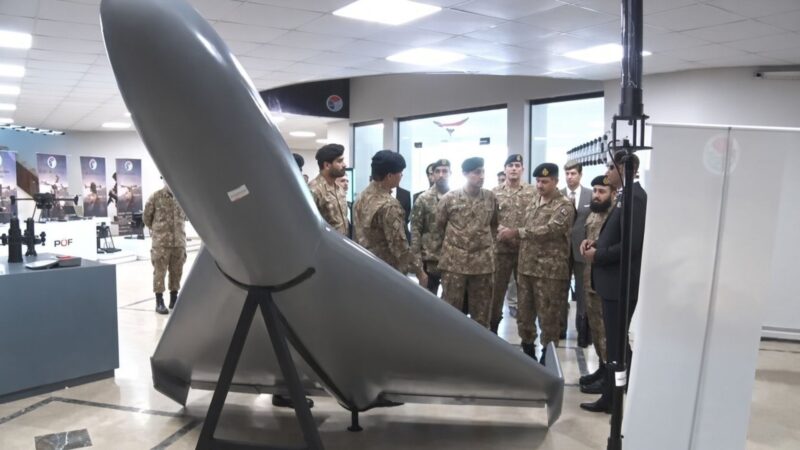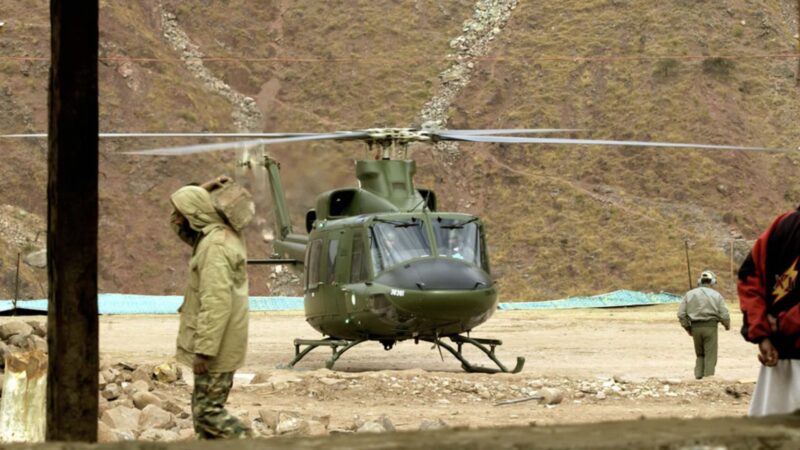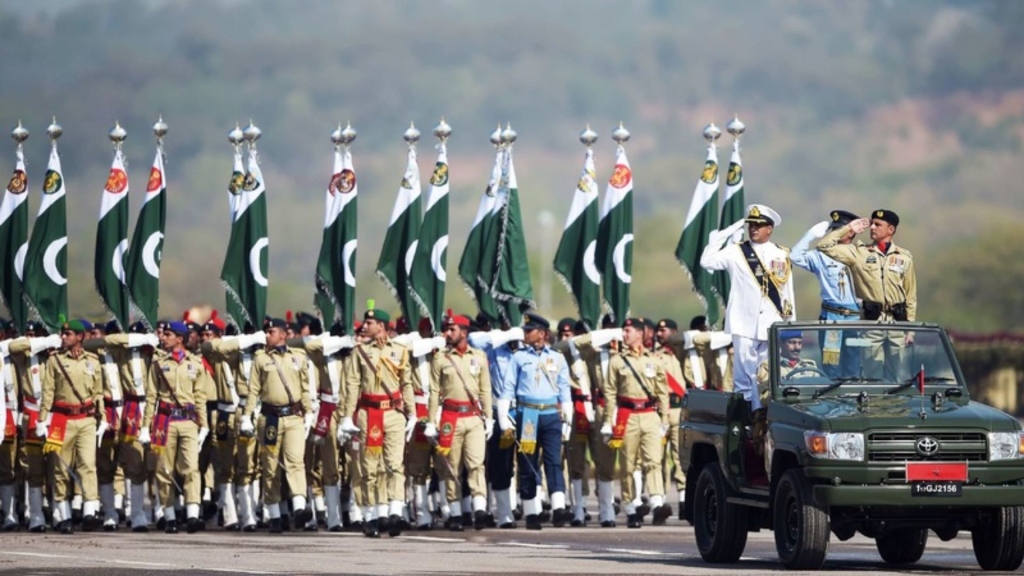
On 16 November, the Pakistan Army (PA) conducted what Inter-Services Public Relations (ISPR) called a “joint fire and manoeuvre exercise.” In looking at the video footage, which showcased the deployment of the PA’s armour, artillery, attack helicopters, and drones, it would appear that the PA is shifting towards — or at least studying and learning — new combined arms deployment strategies.
Drawing on the facts that the PA’s leading platforms are primarily sourced from China, the ongoing push to automate and network warfighting, and the strong outlook for satellite-, radar-, and electronic-based situational awareness, the pieces for combined arms maneuvers are all there. In fact, the PA even possesses an infantry element through the Light Commando Battalions (LCB), which can be incorporated into a combined arms group (CAG) philosophy that integrates tanks, artillery, guided rockets, gunships, air assault, drone-based reconnaissance, and drone-based swarming strikes into a single offensive package.
Leveraging this capability, especially at a time when warfare now requires responsiveness on one end and where Pakistan’s main threats tend to emerge suddenly, would be crucial. In one sense, CAGs would allow the PA to deploy a multi-modal attack against threats in a short span of time, long before the threat actors can generate gains or drive momentum in their operations. So, for example, on the eve of May 7th, PA CAGs could have coordinated with the Pakistan Air Force (PAF) to mount rapid incursions across the Line of Control (LoC) concurrently while the PAF engaged Indian Air Force (IAF) fighters at long range. Escalatory? Perhaps, but it would have at least, if anything, placed the pressure on India (forcing a focus on ejecting Pakistani CAGs rather than striking PAF air bases with missiles).
However, this approach to combined arms and inter-service collaboration requires a mentality antithetical to how Pakistani leadership operates at the structural level. Instead of pushing towards more delegation, disaggregation, and field-level agency, the instinct or tendency is to consolidate, centralize, and be overbearing — all qualities that aim to stem growth rather than free it, especially at a time when Pakistan needs it in general (be it within the military, economy, culturally, and so on).
This, sadly, is the underlying risk of the ongoing shift towards the Chief of Defence Forces (CDF) role, as called out by retired PAF leaders like Air Chief Marshal (ACM) Abbas Khattak (as noted in a recent X post by historian Usman Shabbir). Since Pakistan’s native cadres took over, the PAF leadership has sought to establish its autonomy from the PA (e.g., relocating the Air Headquarters (AHQ) from Rawalpindi to Peshawar). Indeed, it was the PAF leadership’s ability to exert its own agency that led to the success in air operations on May 7th and in 2019 via Operation Swift Retort.
Taking the recent constitutional amendment together with the context of Pakistan’s current political reality, the writing is plain and clear on the wall: the changes merit questioning.
Quwa Plus
Go Beyond the Headlines on Pakistan’s Defence and Security.
Quwa Plus gives you deeper reporting, briefings, and analysis on Pakistan’s defence programs, foreign policy, national security, and regional strategy. Follow the developments that matter to professionals, analysts, and serious readers tracking Pakistan’s security landscape.