Though fiscal constraints made it more difficult for the Pakistan Air Force (PAF) to add new combat aircraft and support systems to its fleet, equipment is but only one part to a successful large-scale air operation, such as Swift Retort. The other component is the availability of trained aircrew, effective planning, and a flawless execution. To sustain more frequent – and simultaneous – large-scale air operations, the PAF will need to raise its personnel quality, planning and execution experience fleet-wide.
Ultimately, such changes boil down to training and experience. These attributes are not as tangible to the eye as a new combat aircraft, but they are essential to maintaining an acceptable margin of success – and in mitigating loss and failure – of such operations. In contrast to the procurement of new equipment, the PAF has had success in acclimating its personnel to the changes of air warfare through training and multi-national and fleet-wide exercises, such as Anatolian Eagle and High Mark, respectively.
The PAF is taking steps to acclimate its personnel across three key areas: its growing fleet of modern multi-role combat aircraft, network-enabled warfare, and complex, large-scale air operations.
Preparing New Pilots for Multirole Platforms
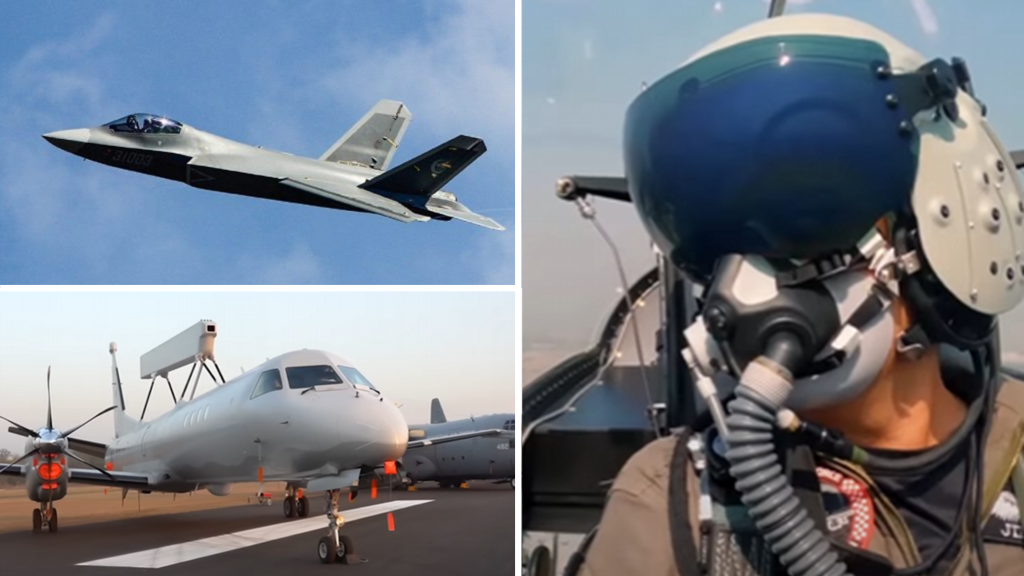
The cockpit environment of the PAF’s mainstay fighters have changed, glass cockpits with multi-function displays (MFD) are common within the fleet. In time, such fighters will form the majority of the PAF fleet, thus requiring new pilots to have familiarity with those environments before converting to those aircraft.
The PAF was moving towards upgrading its K-8 Karakoram trainers with glass cockpits since at least 2010. Designated K-8P, it seems Pakistan Aeronautical Complex (PAC) was carrying out the integration work of existing PAF K-8s as recently as 2017-2018.[1] However, the K-8 is an intermediary-to-advanced step in the PAF’s training curriculum, so the PAF opted to advance its training at earlier levels as well.
Go Beyond the Headlines on Pakistan’s Defence and Security.
Quwa Plus gives you deeper reporting, briefings, and analysis on Pakistan’s defence programs, foreign policy, national security, and regional strategy. Follow the developments that matter to professionals, analysts, and serious readers tracking Pakistan’s security landscape.
Join ($29.99/Year) Already a subscriber?Sign in