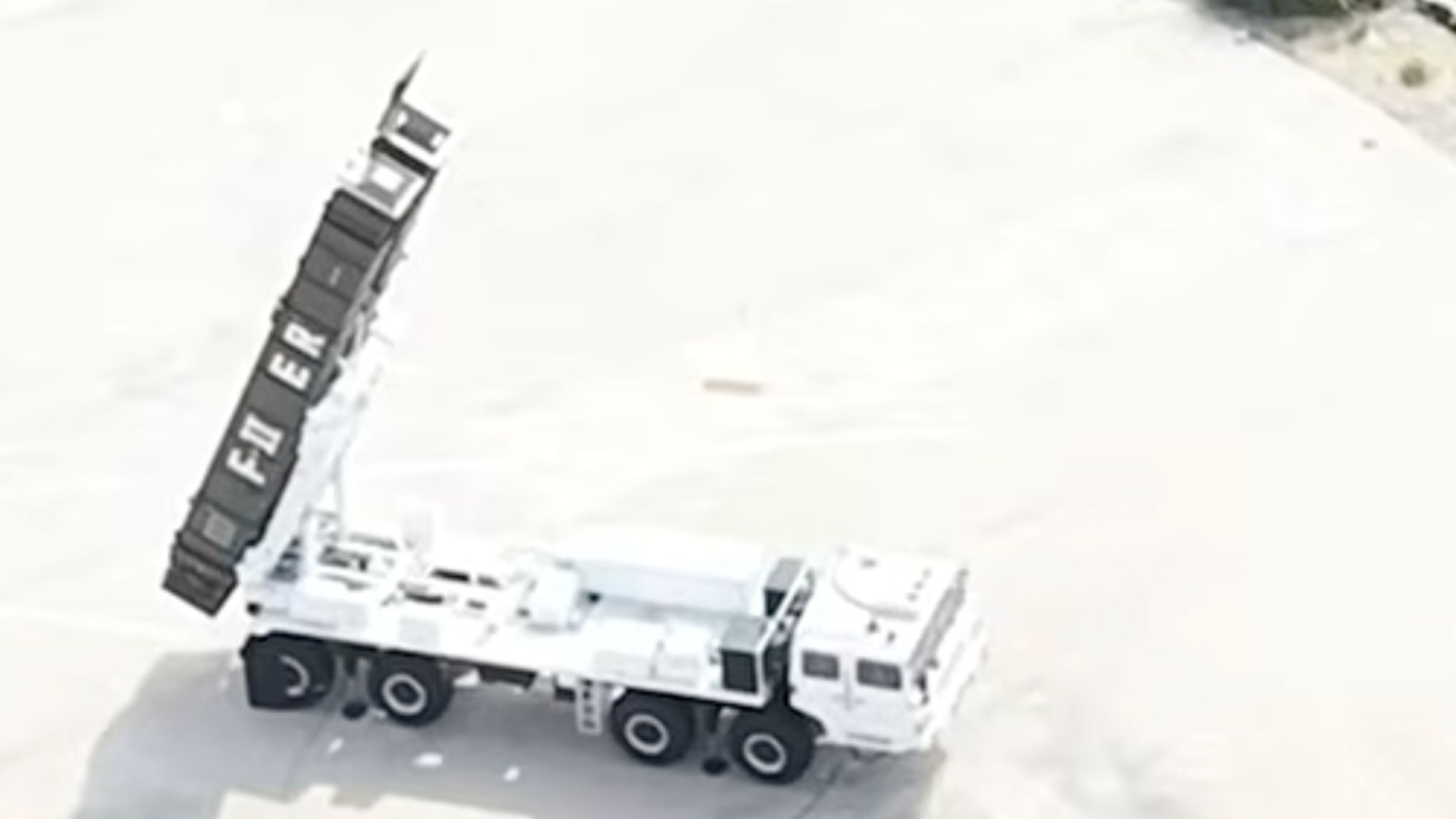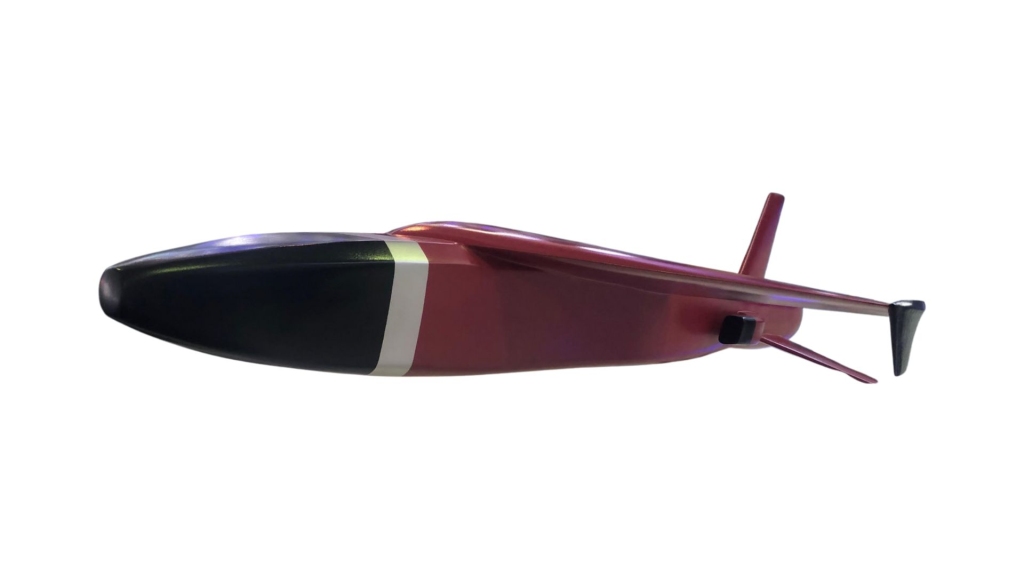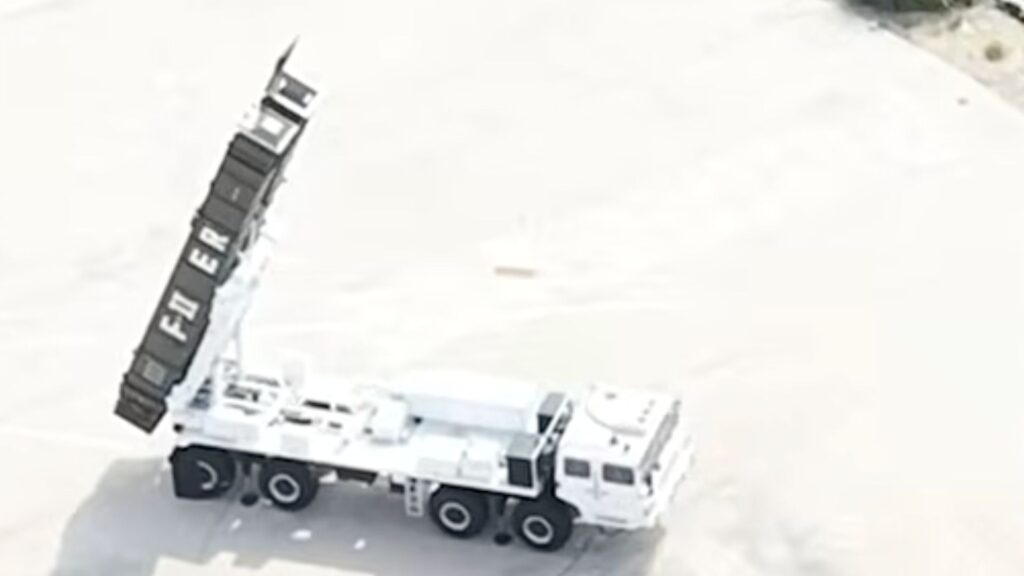
Pakistan Tests Fatah-2 Extended-Range Ballistic Missile
Pakistan tests Fatah-2 ER on 13 October 2026. Quwa examines NESCOM’s ballistic missile development, ARFC’s conventional strike plans, and hypersonic claims.
News and analysis covering NESCOM. Explore the latest coverage, programmes, industry developments and research from Quwa.
Pakistan tests Fatah-2 ER on 13 October 2026. Quwa examines NESCOM’s ballistic missile development, ARFC’s conventional strike plans, and hypersonic claims.
Follow the programmes, technologies and decisions shaping defence. Go deeper with Quwa Plus.
Join Quwa PlusThe latest reporting and analysis, available free or with Quwa Plus.
Pakistan tests Fatah-2 ER on 13 October 2026. Quwa examines NESCOM’s ballistic missile development, ARFC’s conventional strike plans, and hypersonic claims.
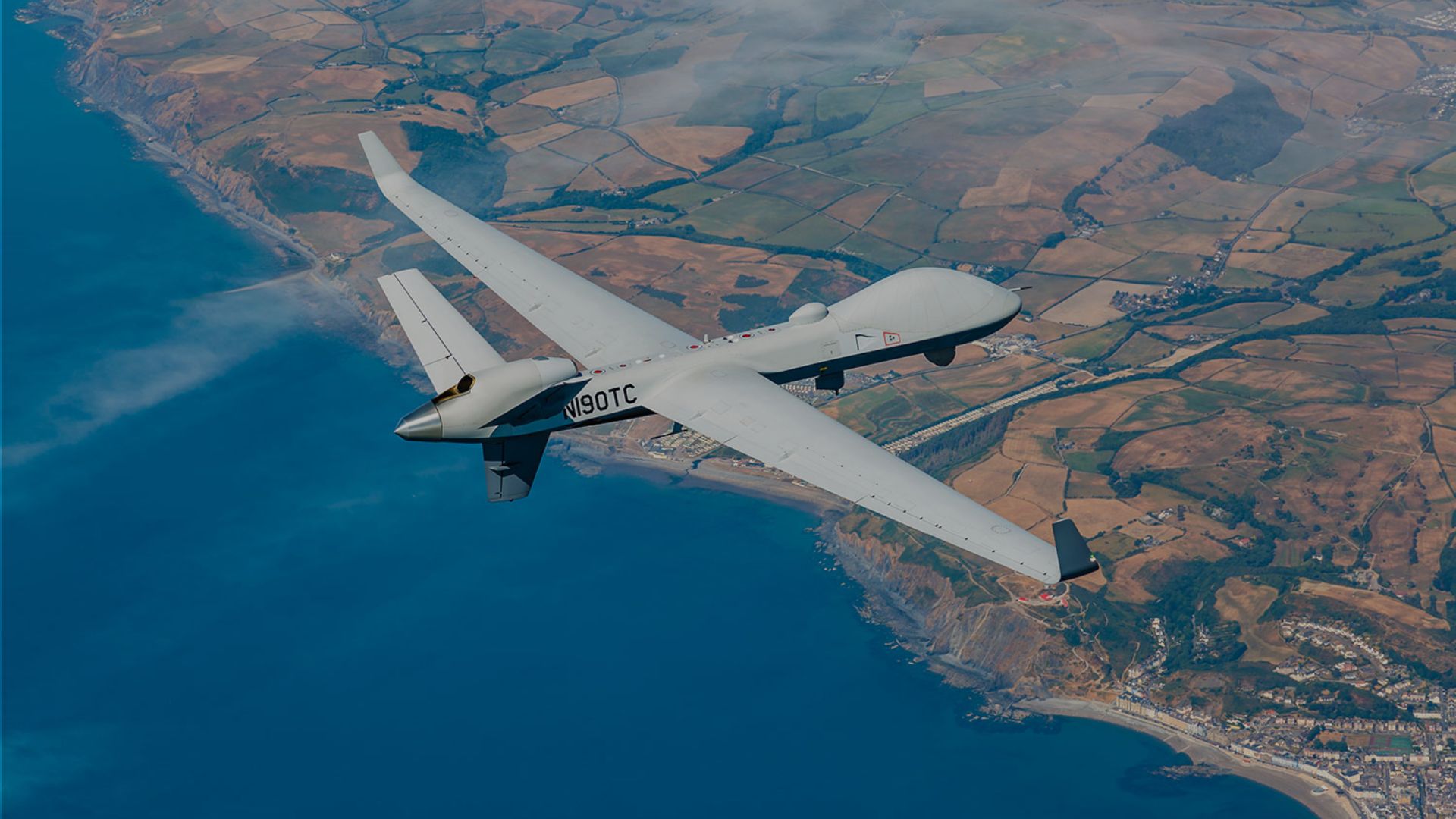
India signed a USD $203 million deal on 17 August 2026 to lease two MQ-9B SeaGuardian HALE UAVs for the Indian Navy, completing a US-origin ISTAR, ASW and AShW stack…
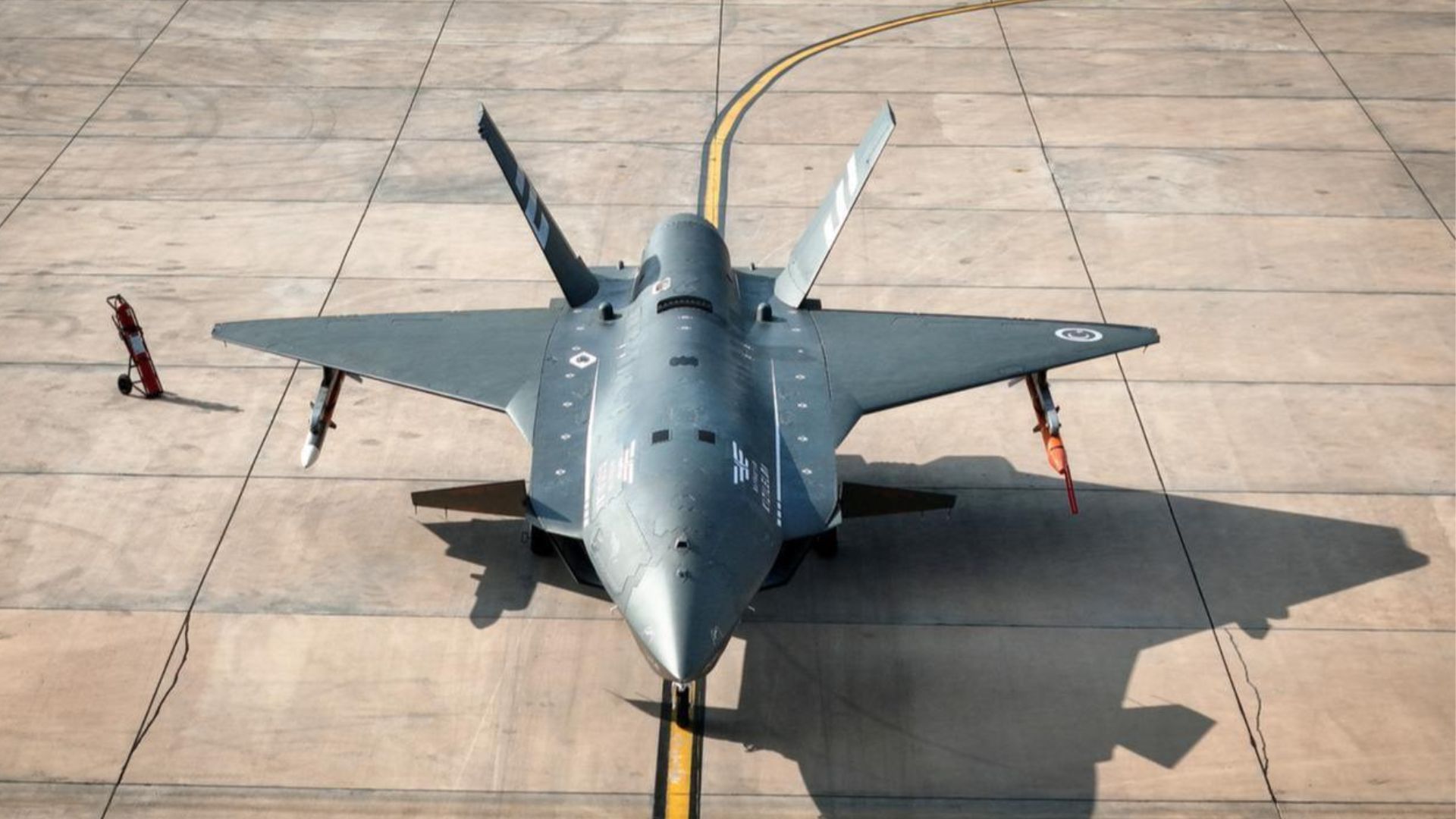
Designing these UCAVs that are approaching manned fighter jets in complexity will give PAC experience and build capacity that it is lacking.
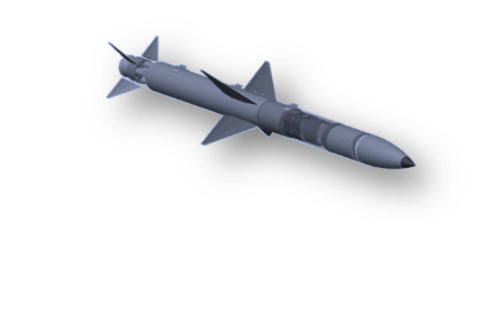
The LoMADS (Low-to-Medium Altitude Air Defence System) is an indigenous medium-to-long-range surface-to-air missile system under development by Pakistan's GIDS/NESCOM. With a stated range of 7–100 km, Mach 5 missile speed,…
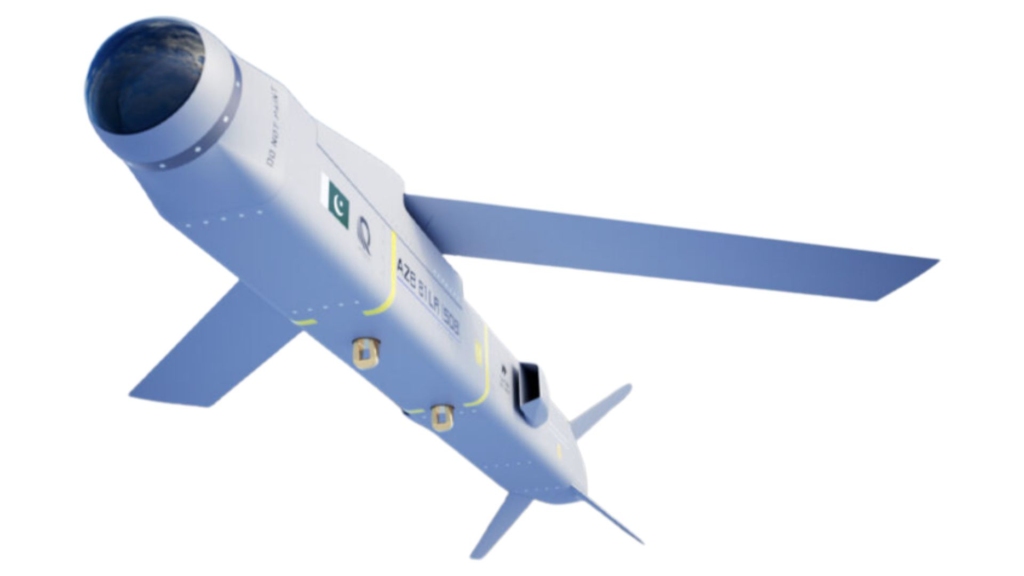
The FAAZ-SL (FAAZ Surface Launched), also designated E-SHORADS, is an indigenous short-range air defence system under development by Pakistan's GIDS/NESCOM. With a range of 20–25 km and active radar or…
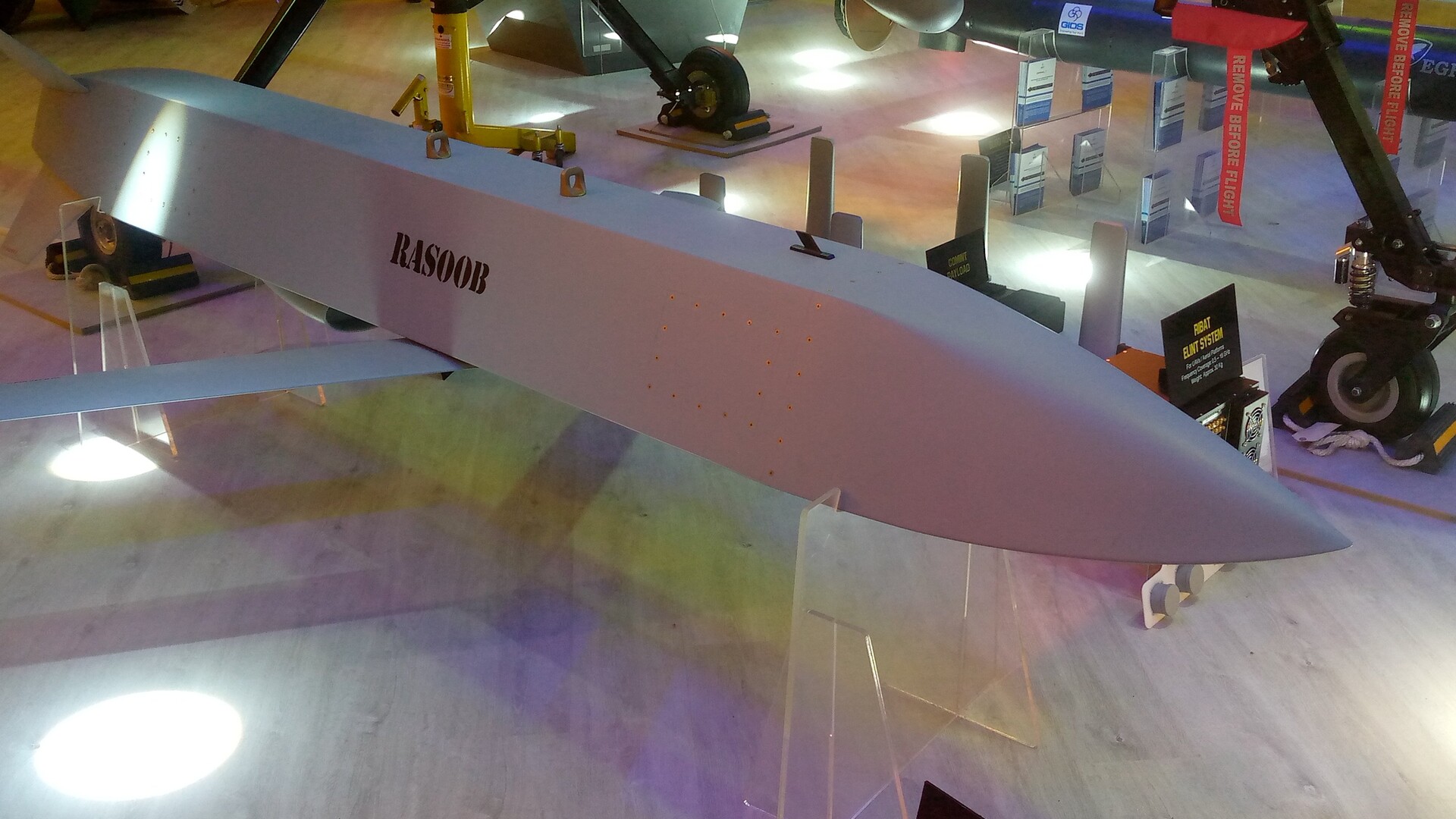
Pakistan's GIDS Rasoob 250 could replace fragmented ASCM inventories across the Pakistan Navy, PAF, and Army — following the Kongsberg NSM's tri-service model.
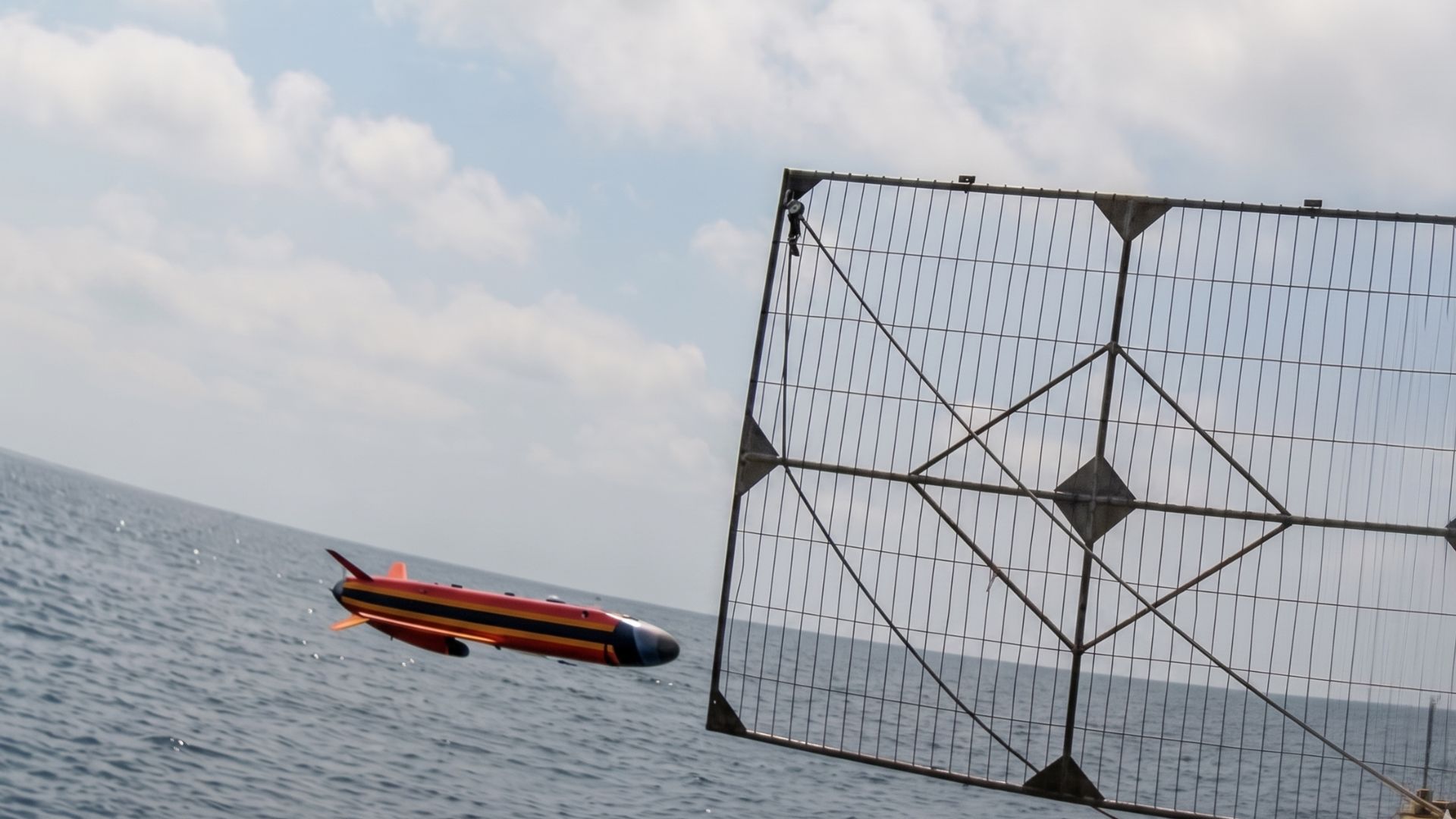
On 21 April, the Pakistan Navy announced a test-fire of the Taimoor ALCM—signalling intent to develop long-range strike capability independent of fighter platforms. This analysis examines whether the Taimoor represents…
The Pakistan Navy tested what appears to be an extended-range variant of the SMASH (P282) anti-ship ballistic missile from a Babur-class (MILGEM) corvette – the first known ASBM firing from…
From assembling kits to owning the IP: Pakistan’s defense industry is ditching foreign OEMs to design its own stealth drones and missiles. Here’s why it works.
More perspective on NESCOM and the developments connected to it.
Pakistan tests Fatah-2 ER on 13 October 2026. Quwa examines NESCOM’s ballistic missile development, ARFC’s conventional strike plans, and hypersonic claims.
India signed a USD $203 million deal on 17 August 2026 to lease two MQ-9B SeaGuardian HALE UAVs for the Indian Navy, completing a US-origin ISTAR, ASW and AShW stack…
Quwa Pro helps you track modernization timelines and progress, map public and undisclosed vendors, anticipate emerging requirements, identify decision-makers and understand what wins over field-users.
Pakistan's long-range loitering munitions need mesh networking and autonomy to survive India's IADS and EW. Where NESCOM, HIT and private firms fit.
Read The ResearchPakistan’s Fatah-4, Sarfarosh and jet attack drones examined alongside Russia’s Geran-4 and Geran-5, Ukrainian interceptors and India’s air defence.
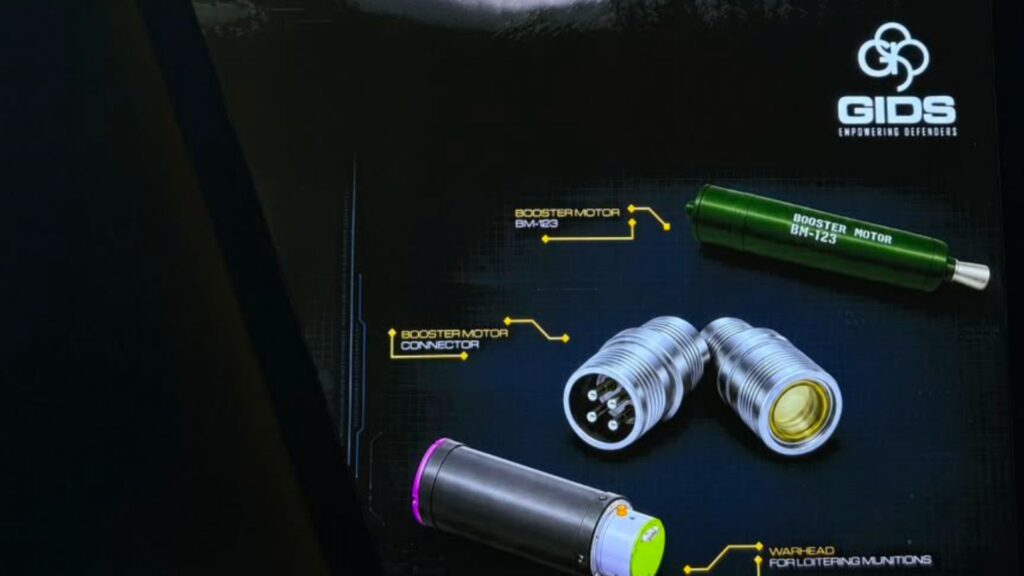
At AAD 2026, Pakistan's GIDS is marketing the BMS-123 rocket booster, loitering munition warheads and fuzes, moving NESCOM upstream in the drone market.
Pakistan's private firms can design drones but import every motor, PCB and fibre-optic cable. POF, NRTC and PAC already hold the upstream base to supply them.


Follow the platforms you care about across air, sea, and land. Unpack the underlying technology, strategic choices, and modernization challenges through independent reporting that cuts through the noise to explain what’s changing—and why.
Join Quwa PlusAssess military requirements, procurement cycles, and defence-industry developments. Give your organization the primary research and analyst access required to identify commercial opportunities, draft client briefings, and back every conclusion with data.
Explore Quwa Pro