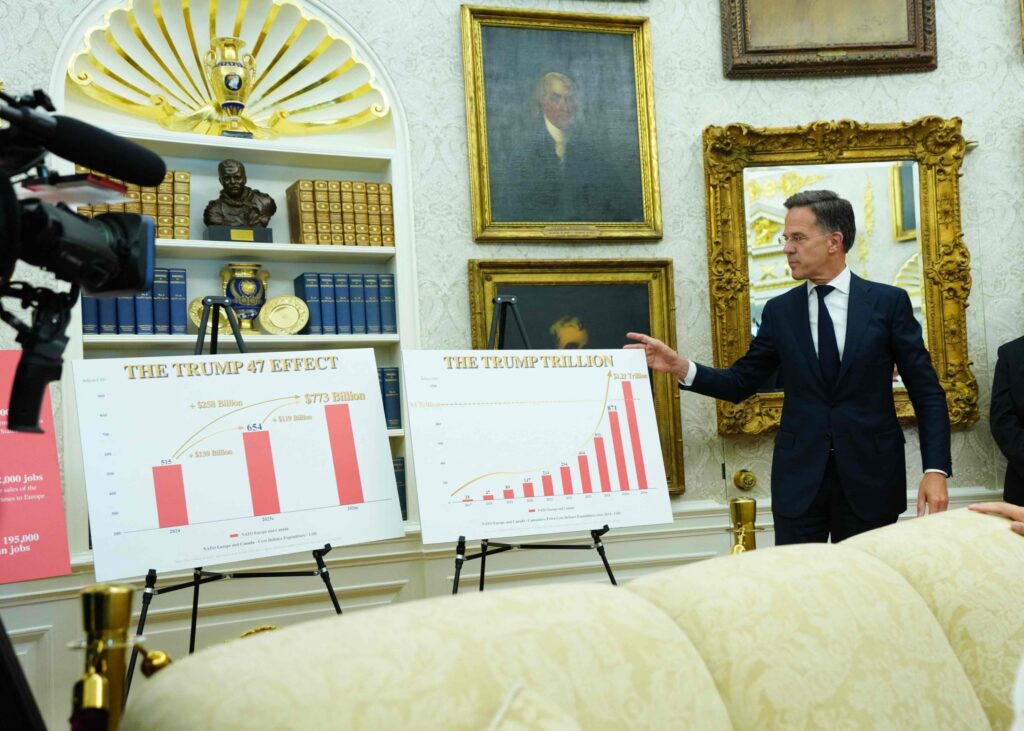
NATO will use its leaders’ summit in Ankara to announce tens of billions of dollars in new defence contracts, Secretary-General Mark Rutte said on 25 June. He was speaking at an Atlantic Council event in Washington, days before the alliance meets in the Turkish capital on 7–8 July.
The first day of the summit will be a defence-industry day. Rutte said it would carry a mix of signed contracts, memorandums of understanding and letters of intent. “You will see a massive amount of new contracts,” he said, describing the aim as a signal to NATO’s roughly one billion citizens that the alliance is “doing what is necessary.”
See Where Turkish Defence Vendors Are Expanding Next
Understand which export markets matter most, how Turkish suppliers are pitching their capabilities, and where buyer interest is turning into real opportunity.
The Ankara summit: from pledges to delivery
Rutte framed Ankara as the step from commitment to implementation. Last year’s summit in The Hague set the headline pledges: a path toward spending 5 per cent of GDP on defence, continued support for Ukraine, and higher defence production.
He pointed to a near-20 per cent rise in allied defence spending over the past year as early evidence. He called the summit potentially “even more important than The Hague,” arguing that Russia fears the implementation of commitments more than the commitments themselves.
Türkiye’s industrial capacity at the centre
Much of Rutte’s message was about production. He said allies must turn their economic weight into military capability, and named the obstacles: fragmented national defence industries, procurement red tape in Washington, and the need to keep scaling output.
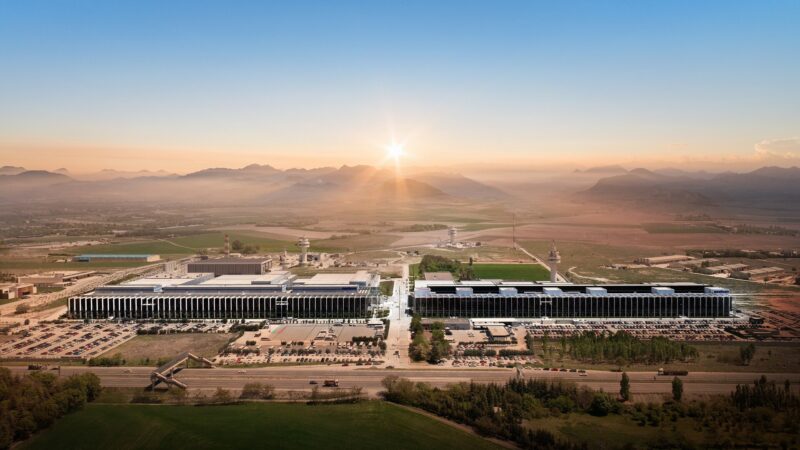
Türkiye featured prominently as host. Rutte said the country has around 3,000 defence companies working across NATO territory. He singled out Aselsan, Türkiye’s largest defence-electronics firm, after meeting its engineers in the spring, and described Turkish industry as a contributor to alliance-wide capacity.
Ukraine on the agenda
Ukrainian President Volodymyr Zelenskyy will attend. Rutte said NATO’s support would continue, and that Ukraine still leads Russia in drone and counter-drone technology and in striking Russian energy infrastructure. He pressed allies to send Ukraine as much air defence as they can spare.
The gathering will be the 36th NATO summit and the second hosted by Türkiye, after Istanbul in 2004.
Related reading
Notes and Comments
Hosting the summit is a marker of how far Türkiye’s standing in NATO has shifted. A few years ago Ankara was the alliance’s most awkward member, removed from the F-35 program over its purchase of the Russian S-400 and placed under US sanctions. Now it is the host, and the stage for a defence-industry showcase.
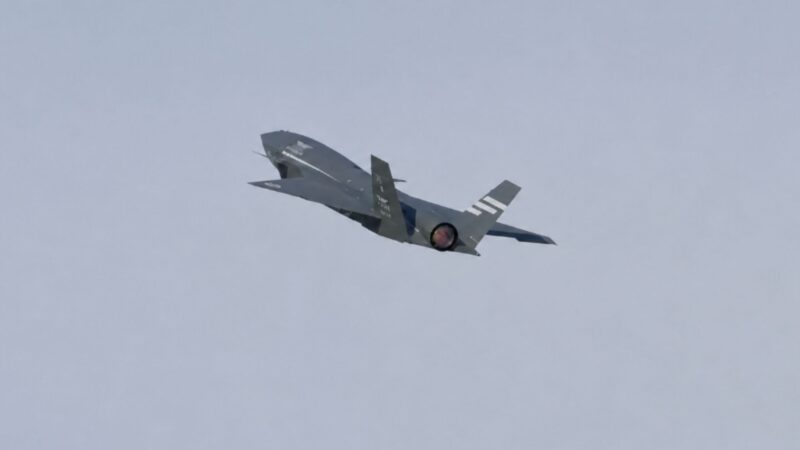
The timing runs with a visible thaw in US–Türkiye ties. Washington is moving to release the GE engines for the KAAN fighter. Trump has signalled possible movement on Türkiye’s F-35 request. A Turkish delegation is in the United States on a new F-16 package, and Italy is working to clear the way for Türkiye’s SAMP/T air-defence buy. An Erdoğan–Trump meeting is expected on the summit’s margins.
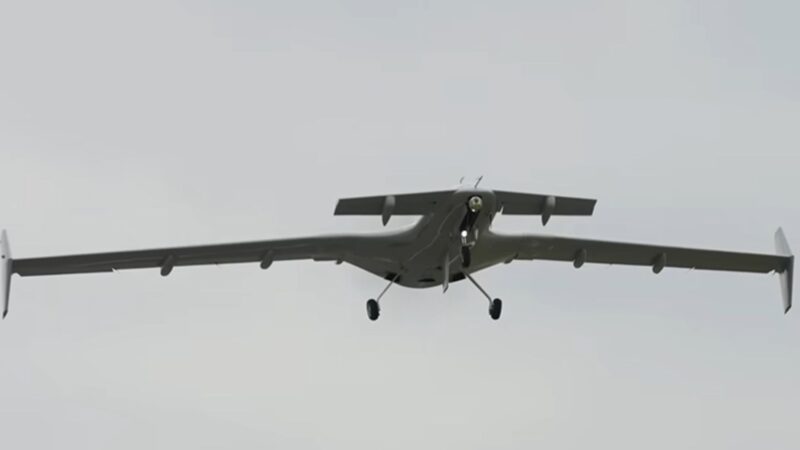
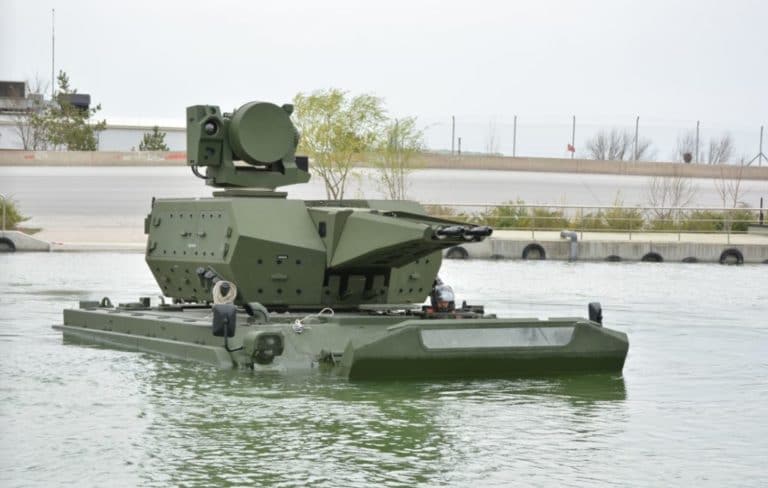
Rutte’s “delivery, not pledges” theme also suits Ankara. Türkiye can point to real output – drones, armoured vehicles, warships and Aselsan’s electronics – at a moment when NATO wants production rather than promises. The Aselsan name-check was not incidental.
The headline figure deserves to be kept in proportion. The “tens of billions” Rutte described are alliance-wide, and how much flows to Turkish firms is not yet clear. A defence-industry day is also a stage, and signed contracts, MOUs and letters of intent are not the same thing.
Türkiye’s F-35 return and the residual sanctions questions are not resolved, and a summit appearance does not settle them. Whether the current thaw holds past July is the open question.
For now, Ankara gets to host NATO while both the alliance’s production drive and Washington’s posture move in its favour. How much of that converts into firm Turkish orders, and how much stays choreography, is what the summit itself will start to answer.
Quwa Pro
Track The Markets, Buyers, and Signals Shaping Turkish Defence Exports
Follow how Turkish companies are presenting their products, where militaries are showing interest, and what those moves reveal about demand across regional defence markets.
Featured & Trusted By