
Timely Defence News with Verified Insights
Stay up to date with the latest Pakistani defence news with reliable research and accurate forecasting
Click Here
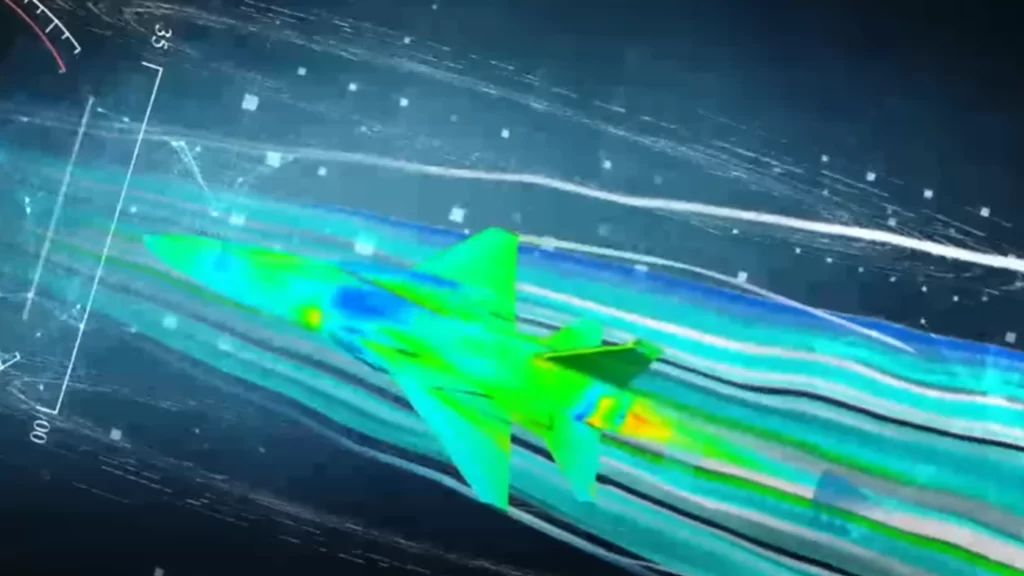
In a recent promotional video commemorating Operation Swift Retort, Pakistan’s retaliatory response to India’s airstrikes in Balakot, the Pakistan Air Force (PAF) revealed a new program in relation to the JF-17 Thunder, the “JF-17 PFX.”
The “PFX” seems to be an acronym for “Pakistan Fighter Experimental.” According to the PAF press release, the JF-17 PFX is part of the PAF’s wider long-term modernization strategy. But it is currently unclear what the JF-17 PFX program specifically entails.
However, the announcement of the JF-17 PFX confirms that the PAF does have a plan for the program once it completes the induction of the Block-III.
Next Steps for the JF-17?
The JF-17 Thunder is one of the workhorse multirole fighter aircraft of the PAF. Since inducting the fighter in 2010, the PAF acquired 50 Block-Is, 62 Block-IIs, 26 two-seat JF-17Bs, and is on track to adding 30 Block-III or JF-17Cs to its fleet. This is a total of 168 aircraft, which is in line with the PAF’s original plan to acquire between 150 and 200 units.
However, the PAF also invested in raising a production site at Pakistan Aeronautical Complex (PAC) for the JF-17. Under a workshare agreement with the Aviation Industry Corporation of China (AVIC), PAC manufactures 58% of the JF-17’s airframe, specifically the front fuselage, vertical stabilizer, and wings. The remaining 42% is imported from AVIC, but fully assembled at PAC. PAC is also carrying out the maintenance, repair, and overhaul (MRO) of the Thunder.
Being a major overhead, the PAF had expected that the JF-17 would generate overseas orders as well. But aside from modest purchases from Nigeria and Myanmar, the JF-17 did not dent the global fighter market as much the PAF hoped. Moreover, with the PAF also non-committal to acquiring additional aircraft (at least for now), PAC could be at risk of going dormant and, in turn, AVIC may consider permanently winding down JF-17 production on its end.
In commercial terms, the JF-17 did not generate return-on-investment (ROI) the PAF sought when it originally signed onto the program. However, from an operational perspective, the JF-17 has been a valuable asset, giving the PAF a go-to fighter solution that it can afford and use to induct new technologies, such as active electronically scanned array (AESA) radars, to its fleet at scale, especially when it cannot afford importing a new fighter type.
Quwa Plus
Go Beyond the Headlines on Pakistan’s Defence and Security.
Quwa Plus gives you deeper reporting, briefings, and analysis on Pakistan’s defence programs, foreign policy, national security, and regional strategy. Follow the developments that matter to professionals, analysts, and serious readers tracking Pakistan’s security landscape.
Join ($29.99/Year) Already a subscriber?Sign in