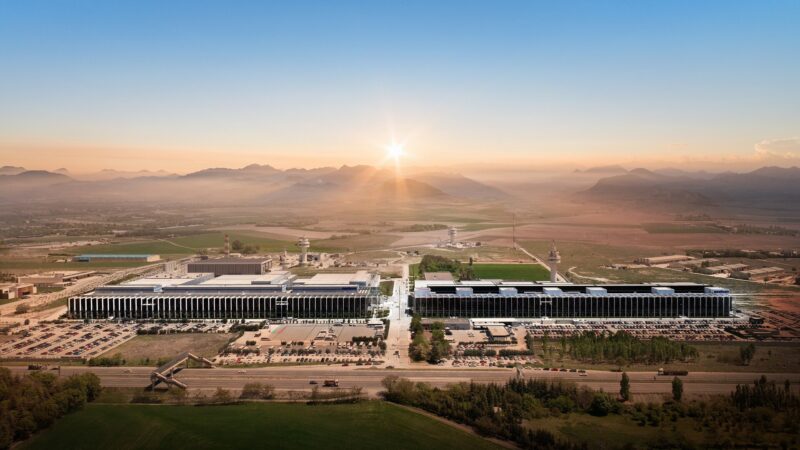

The chief executive of TUSAŞ Engine Industries (TEI), Mahmut F. Akşit, has said the company plans to hand its TF6000 turbofan to Baykar and Turkish Aerospace Industries (TUSAŞ) for pre-integration testing in early 2027. Speaking to TRHaber, Akşit called the engine a successful design that had reached good power levels, and said the two platform makers would fly it once they judged it ready.
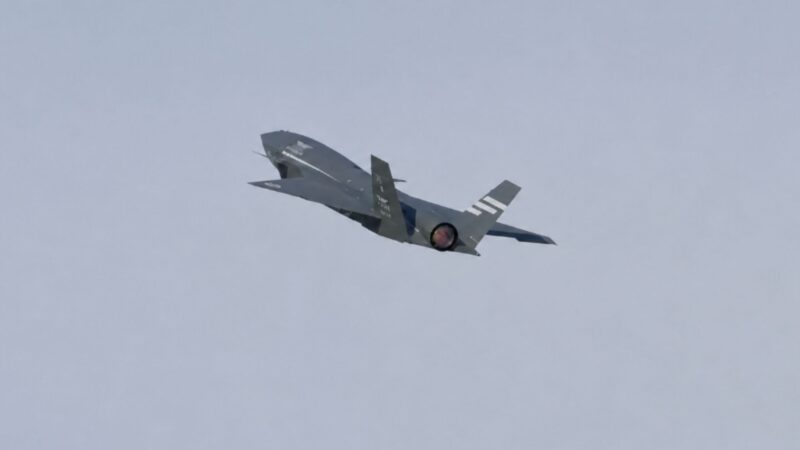
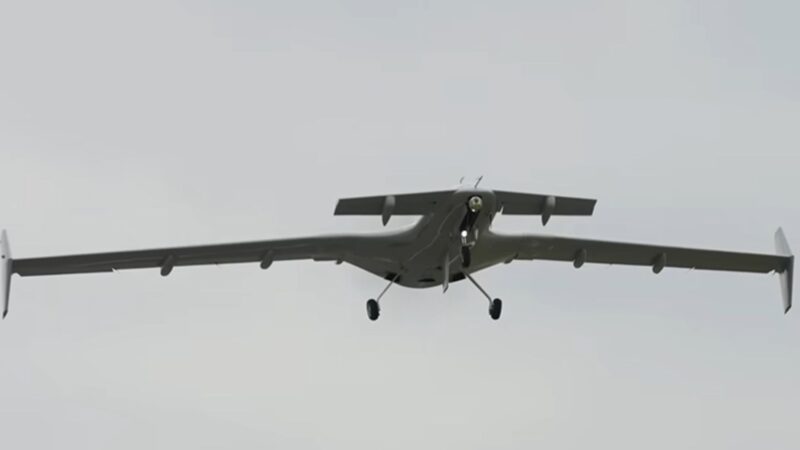
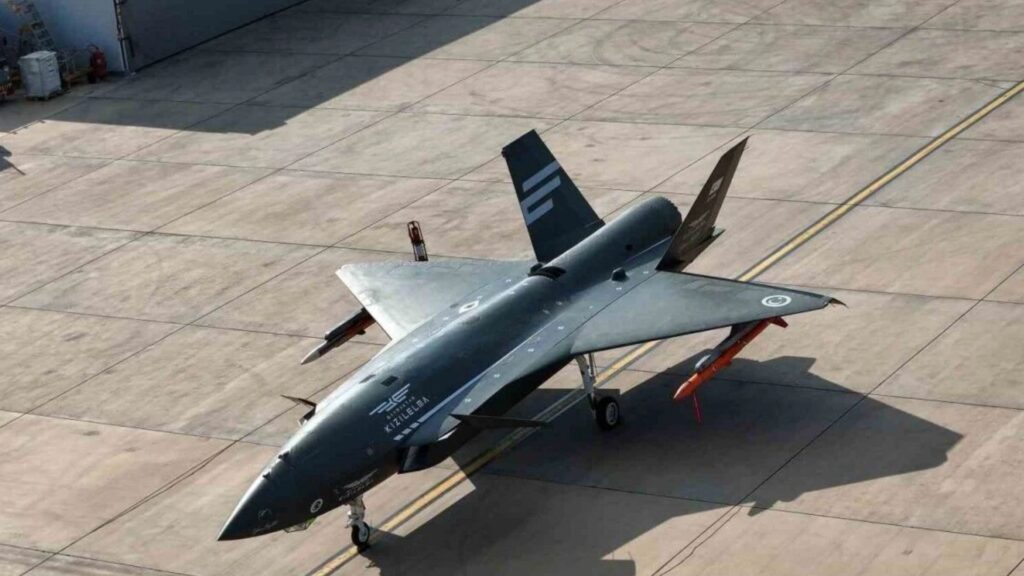
The TF6000 is meant to become the long-term powerplant for two of Türkiye’s jet-powered unmanned combat aircraft, TUSAŞ’s tailless ANKA-3 and Baykar’s Bayraktar KIZILELMA. Under the plan Akşit set out, TEI would supply engine prototypes to both firms early in 2027, and each would run the engine through pre-integration tests to confirm airworthiness before the first airframe integration. Handing the engine to the airframers is a distinct step from TEI’s own bench testing, since it lets Baykar and TUSAŞ verify the powerplant against their aircraft’s requirements before committing to a full integration.
The engine itself is a low-bypass turbofan rated at roughly 6,000 lbf of thrust. TEI is developing an afterburning variant from the same core, the TF10000, which is intended to deliver about 10,000 lbf with afterburner and to support the supersonic KIZILELMA that Baykar has said it wants to field.
The timing matters less for what the TF6000 is than for what it would replace. The ANKA-3 and the early KIZILELMA prototypes have flown on imported Ivchenko-Progress engines from Ukraine – the AI-25TLT and the afterburning AI-322F – and the war has left that supply exposed. A domestically built turbofan, if it proves out, would take a foreign chokepoint out of two programs that Ankara wants to push into serial production, and it would stand as the first Turkish turbofan cleared to power a combat aircraft. Baykar has already lined up an export customer, having agreed at SAHA 2026 to supply Indonesia with up to 60 KIZILELMA, which raises the stakes on a dependable engine of its own. TEI has said foreign interest in the engine surfaced before development was even finished.
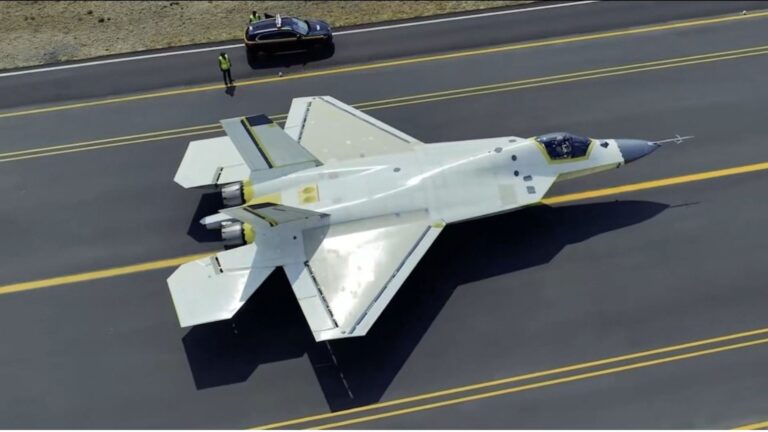
The engine also sits inside a wider Turkish effort to build its own propulsion across every weight class, from the larger TF35000 for the KAAN fighter down to turboshafts for helicopters. Akşit has cast the TF6000’s core as a foundation for further work, and TEI has pointed to future turboshaft engines, marine gas turbines for warships, and turbine generators drawn from the same architecture.
For now, this is a schedule rather than a flight. The TF6000 first ran in March 2024 and was run publicly at Teknofest in 2025, where it reached roughly 5,900 lbf, close to its target, but it has yet to fly in either of its intended aircraft. Akşit’s own condition – that Baykar and TUSAŞ will fly the engine only if they find it flight-ready – leaves the first flight resting on how the 2027 tests go. What the interview provides is a marker: TEI now has a date to put the engine in the platform makers’ hands, and the teams behind the ANKA-3 and KIZILELMA a point on the calendar to work toward.
Quwa Pro
Track Where Türkiye’s Defence Industry Is Finding Demand
Follow the markets Turkish firms are targeting, how they are positioning their products, and which countries are showing interest through reporting and analysis built for serious defence readers.
Featured & Trusted By