Turkey’s defence exports passed $10 billion in 2025, a record. The fastest growth came from an unfamiliar direction, with sales to Europe and the United States nearly quadrupling to $5.6 billion. A supplier once known for arming buyers in the Gulf, Africa and Asia is now selling into the heart of NATO.
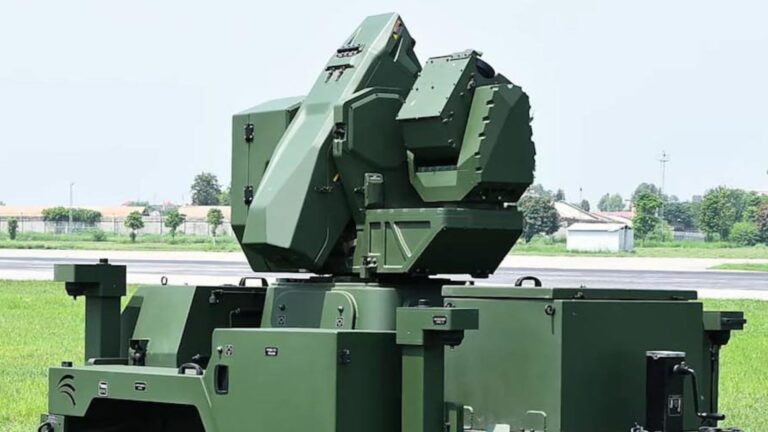
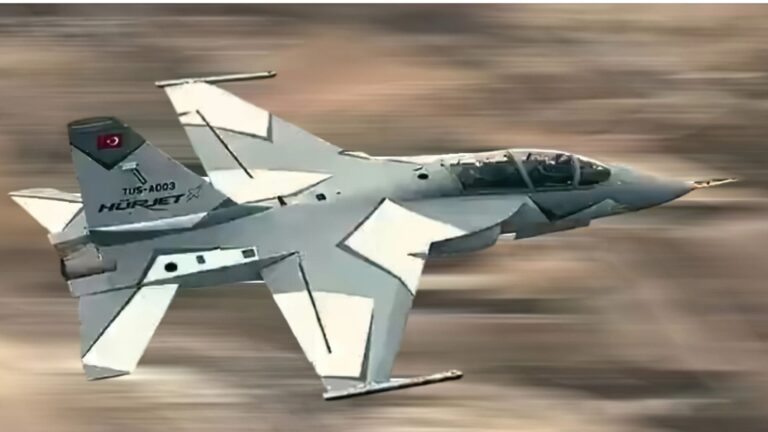
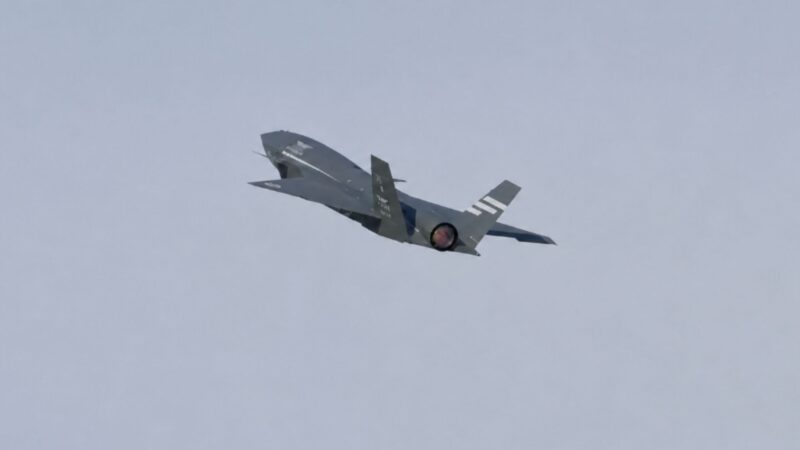
Aselsan has sold electronic-warfare and radar systems to Poland, and Turkish Aerospace Industries won a HÜRJET jet-trainer deal with Spain. The Poland contract ranks among the first Turkish electronic-warfare exports to a NATO member, and the Spanish order opens a Western market for a Turkish-built trainer.
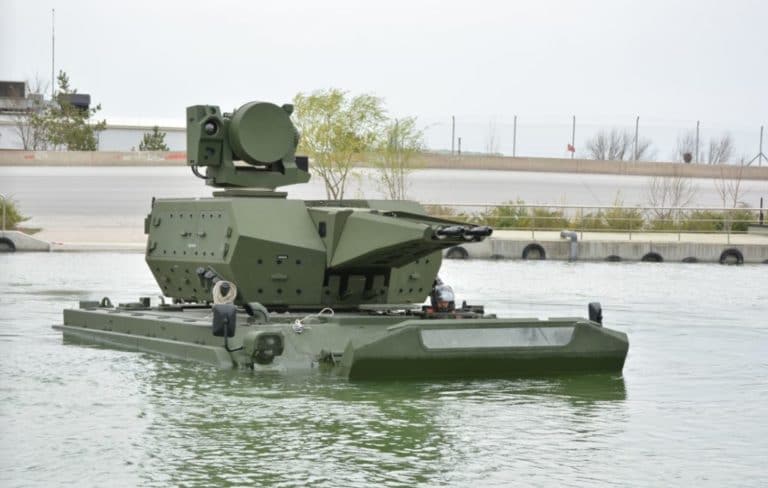
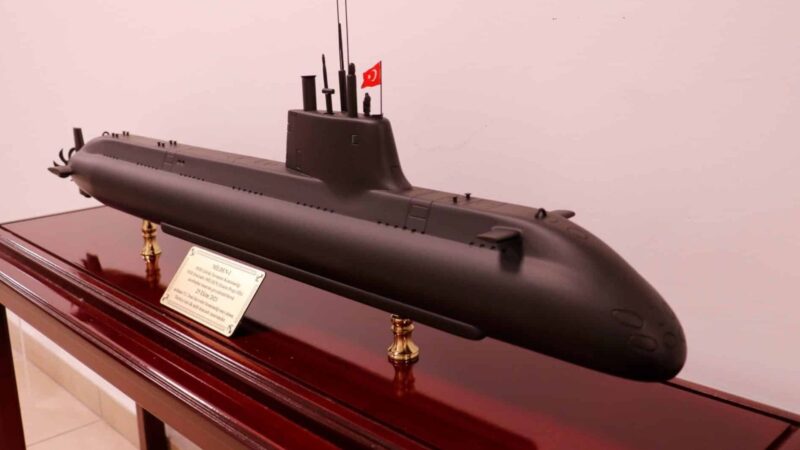
STM is building logistics ships for Portugal, and Turkish yards have drawn European buyers with NATO-standard platforms offered at lower cost and on shorter timelines. President Recep Tayyip Erdoğan said the delivery of the CAm. Roman corvette to Romania was Türkiye’s first warship export to a NATO and EU member.
Track Where Türkiye’s Defence Industry Is Finding Demand
Follow the markets Turkish firms are targeting, how they are positioning their products, and which countries are showing interest through reporting and analysis built for serious defence readers.
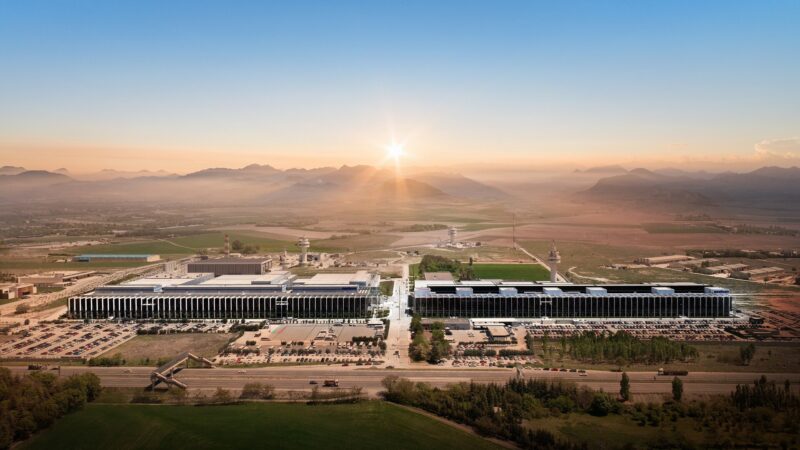
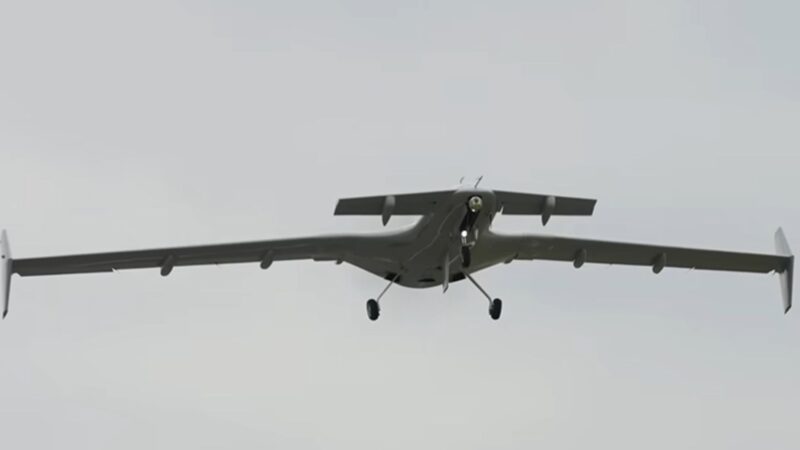
In Italy, Baykar has acquired Piaggio Aerospace and partnered with Leonardo on production, turning a drone exporter into a manufacturer with a European industrial footprint. The Piaggio purchase hands Baykar an aircraft plant inside the European Union, a foothold few suppliers from outside the bloc can claim. The company earns almost all of its revenue from exports rather than domestic sales.
Turkey now supplies nearly forty countries and aims to double its exports within two years, with its primes Otokar, Roketsan and Aselsan among the country’s top export earners. Türkiye targets $11 billion in exports and a place among the world’s ten largest arms sellers by 2028, resting on a sector that employs around 100,000 people.
Roketsan and Aselsan, with the research body TÜBİTAK and STM, were named among the contractors in NATO agreements on strike, air-and-missile defence, and space and surveillance signed at the alliance’s defence-industry forum in Ankara. Procurement chief Haluk Görgün said the projects would form the backbone of the alliance’s deterrence in the coming years.
As European governments rearm after Russia’s invasion of Ukraine and question the durability of United States guarantees, many see Turkish firms as cheaper and faster to deliver than Western suppliers facing capacity limits. European military spending rose 14 percent in 2025 to $864 billion by SIPRI’s count, opening room for suppliers that can move quickly.
At home, Aselsan and Roketsan are expanding output of Türkiye’s Steel Dome air-defence network, the layered system Ankara is fielding from domestic and foreign parts. The same production lines that supply Steel Dome also feed the export orders now landing in Europe.
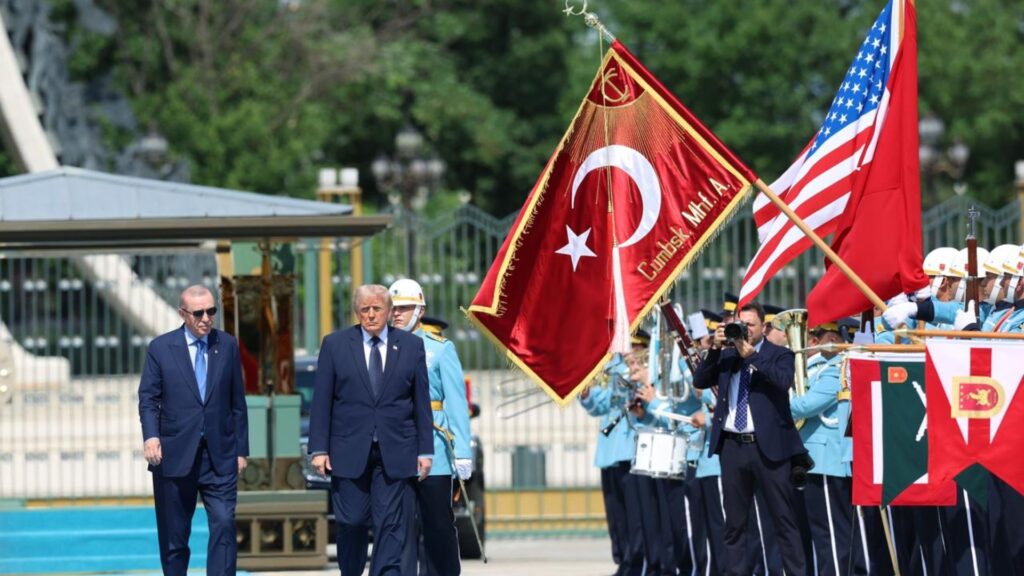
After years of friction with Western partners, Türkiye is recalibrating toward Europe even as it keeps its Gulf and Asian customers, positioning itself as a supplier the alliance can turn to at speed. The shift also reflects Ankara’s push for defence self-reliance after past disputes narrowed its access to Western hardware.
Deeper cooperation with Europe still needs high-level political will, and Turkish access to some alliance work has long turned on relations with individual capitals. The drive to sell into NATO runs in parallel with Ankara’s own effort to buy Western systems, from F-16s to the SAMP/T air-defence system.
Quwa Pro
See Where Turkish Defence Vendors Are Expanding Next
Understand which export markets matter most, how Turkish suppliers are pitching their capabilities, and where buyer interest is turning into real opportunity.
Featured & Trusted By