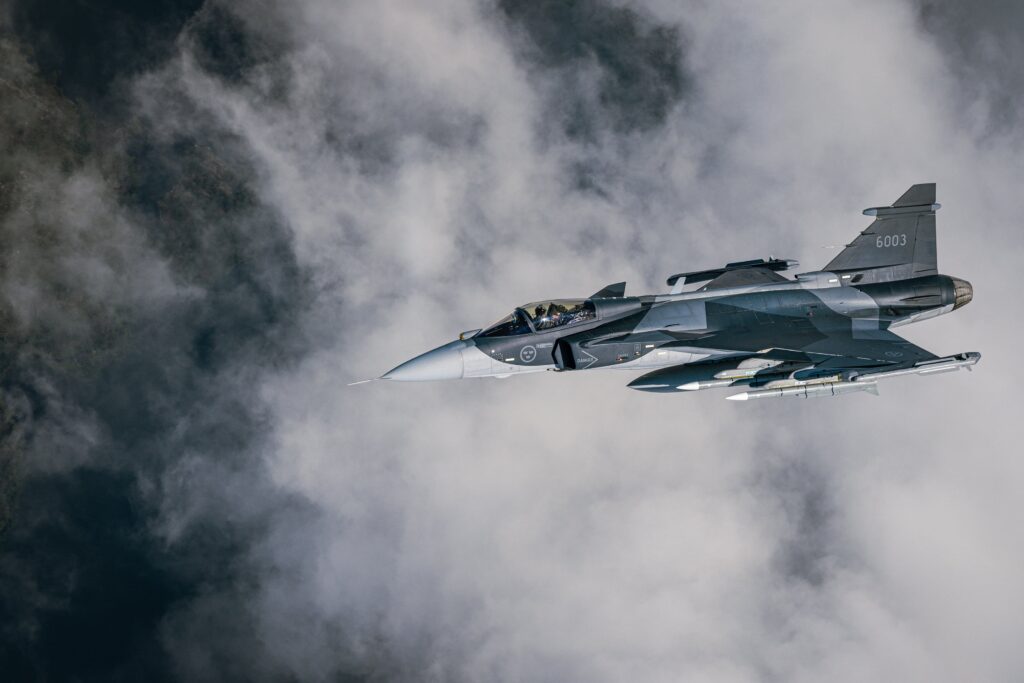
Ukraine placed its first order for new fighter aircraft on 30 June 2026, when Saab signed a SEK 24.6 billion contract with Sweden’s defence-procurement agency, the FMV, for 16 Gripen E jets, worth about $2.5 billion. The agreement was signed at a Zelenskyy–Jonson meeting, pairing Ukraine’s president with Sweden’s defence minister, and it also covers spare parts, technical assistance and a training package.
The contract is only half of a two-part transfer. Sweden will separately donate 16 used Gripen C/D fighters from its own air force, with those older jets arriving in Ukraine from early 2027 and the new-build Gripen E following in 2029 and 2030, giving Kyiv 32 Gripens in total.
See Where Demand, Vendors, and Defence Priorities Are Shifting
Get clearer visibility into what procurement teams are looking for, how suppliers are positioning themselves, and where military requirements are evolving across EMEA.
The donated jets are meant to bridge the gap. They let Ukrainian pilots and ground crews begin learning the Gripen system and building the maintenance and logistics base before the more advanced Gripen E enters service, and training of Ukrainian personnel is already under way in Sweden.
Ukraine plans to fund the purchase through the EU’s Ukraine Support Loan, the €90 billion facility finalized in April 2026, with additional support from the United Kingdom. The order is one strand of a broader European defence build-up as the continent rearms.
The British stake in the aircraft is substantial, part of a wider UK role in arming Ukraine. More than 30 percent of each Gripen is built in the United Kingdom, supporting over 5,000 jobs across 50-plus suppliers that provide components such as the radar and landing gear.
Each new jet works out to roughly €138.5 million, or about $158 million, a figure that includes spare parts and equipment rather than a clean flyaway price. It still undercuts Colombia’s November 2025 order of Gripen E/F jets at €184.4 million each.
The 16 jets are a first step toward a far larger goal. Sweden and Ukraine signed a letter of intent in October 2025 covering the potential export of 100 to 150 Gripen E, a total that would rank among the largest fighter export orders in Saab’s history, though it remains an ambition rather than a contract.
The Gripen was built for exactly this kind of war. Designed for dispersed operations from short runways and roads, it can be refuelled and rearmed in around ten minutes with small teams, matching Ukraine’s practice of shuttling aircraft between austere bases to complicate Russian targeting.
The Gripen E carries an active electronically scanned array radar, an infrared search-and-track system, an electronic warfare suite and secure datalinks, and can field the Meteor, IRIS-T and AMRAAM air-to-air missiles. The long-range Meteor in particular matters against Russian aircraft and cruise missiles.
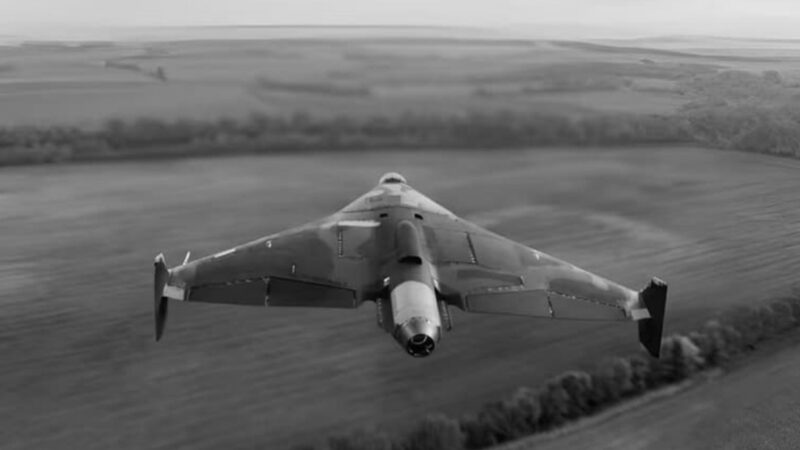
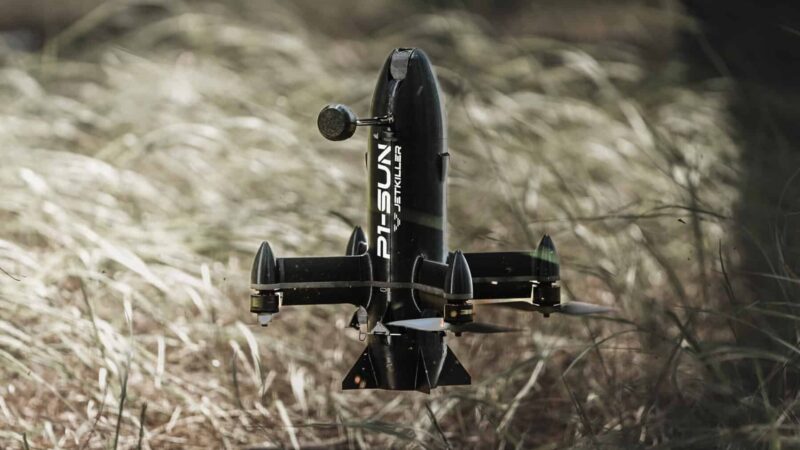
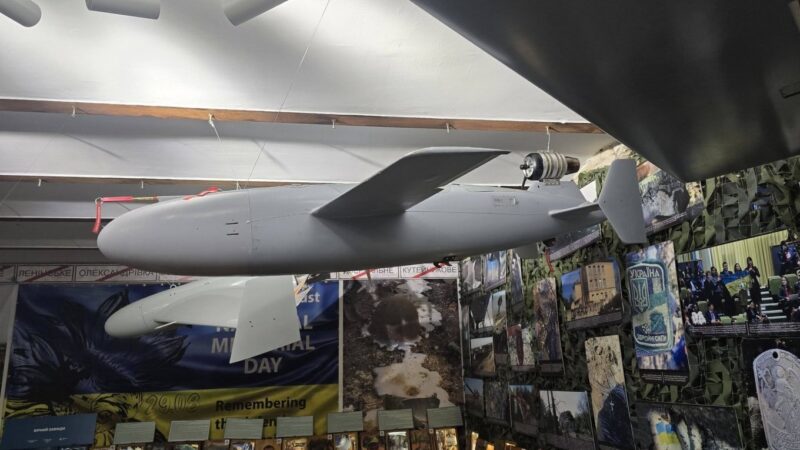
The order marks a shift in how Ukraine arms its air force, alongside a push to build its own strike weapons. It is the first time Kyiv has modernized its fleet with new-build aircraft rather than donated or second-hand types, moving beyond the emergency logic that has shaped its wartime aviation.
The Gripen also deepens a growing fleet mix. It becomes a fourth Western type layered onto a force that already flies the F-16 and French Mirage 2000, with a possible Rafale order still under discussion, leaving Ukraine to manage the training and sustainment demands of several fighter types at once.
Quwa Pro
Follow The Signals Shaping EMEA Defence Markets
From vendor moves and procurement priorities to military requirements and strategic direction, get the context needed to understand where the market is heading.
Featured & Trusted By