Why a Bigger Merchant Navy is Forcing Pakistan’s Navy to Invest in Patrol Vessels Plus Pro
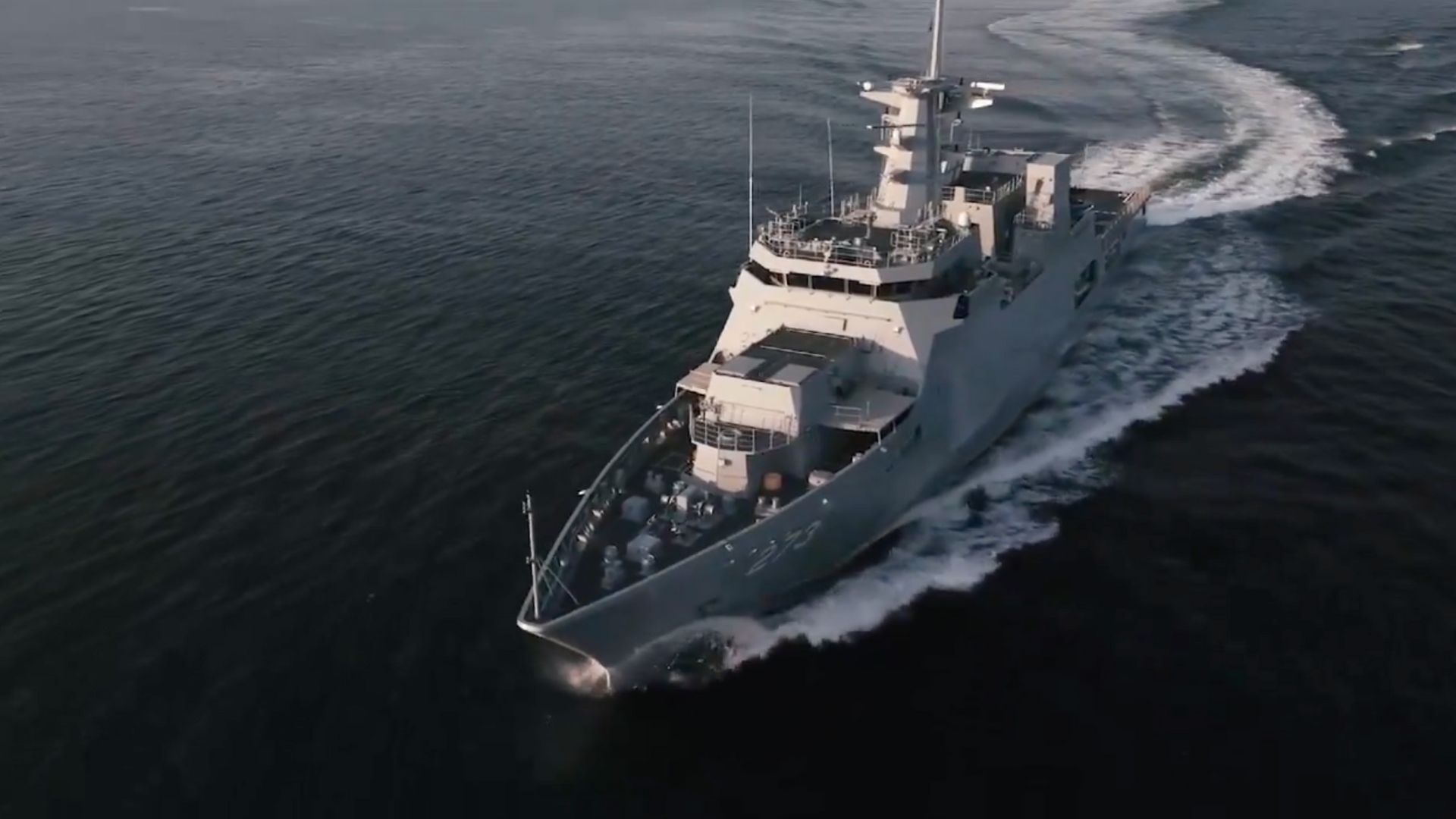
Why is Pakistan building new warships? It's not just India. A $4.6B freight bill is forcing a huge...

Found 269 results
Why is Pakistan building new warships? It's not just India. A $4.6B freight bill is forcing a huge...
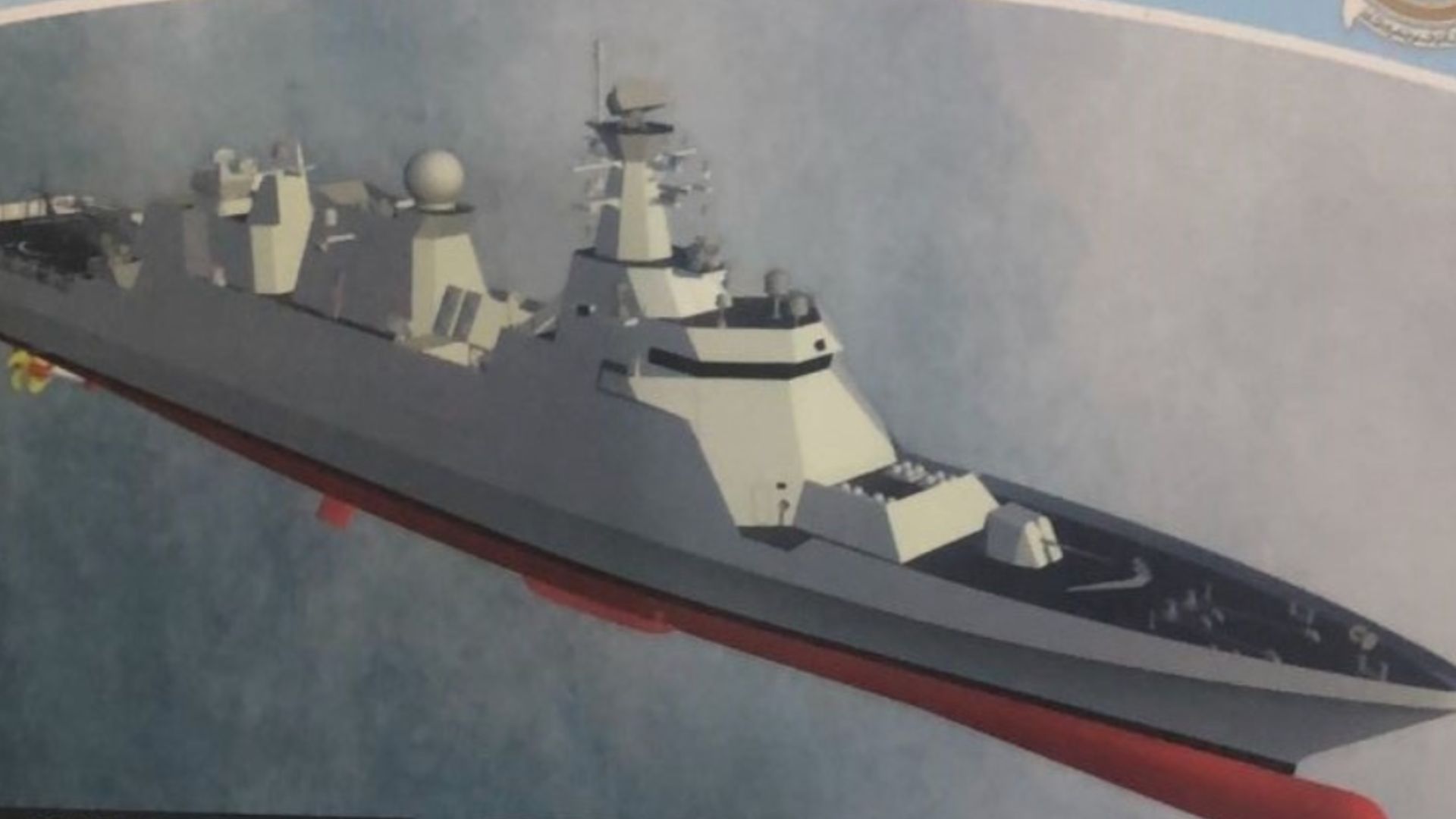
Pakistan's Navy is modernizing its fleet. Here's a first look at the new Jinnah-class, an advanced, indigenously-designed frigate...
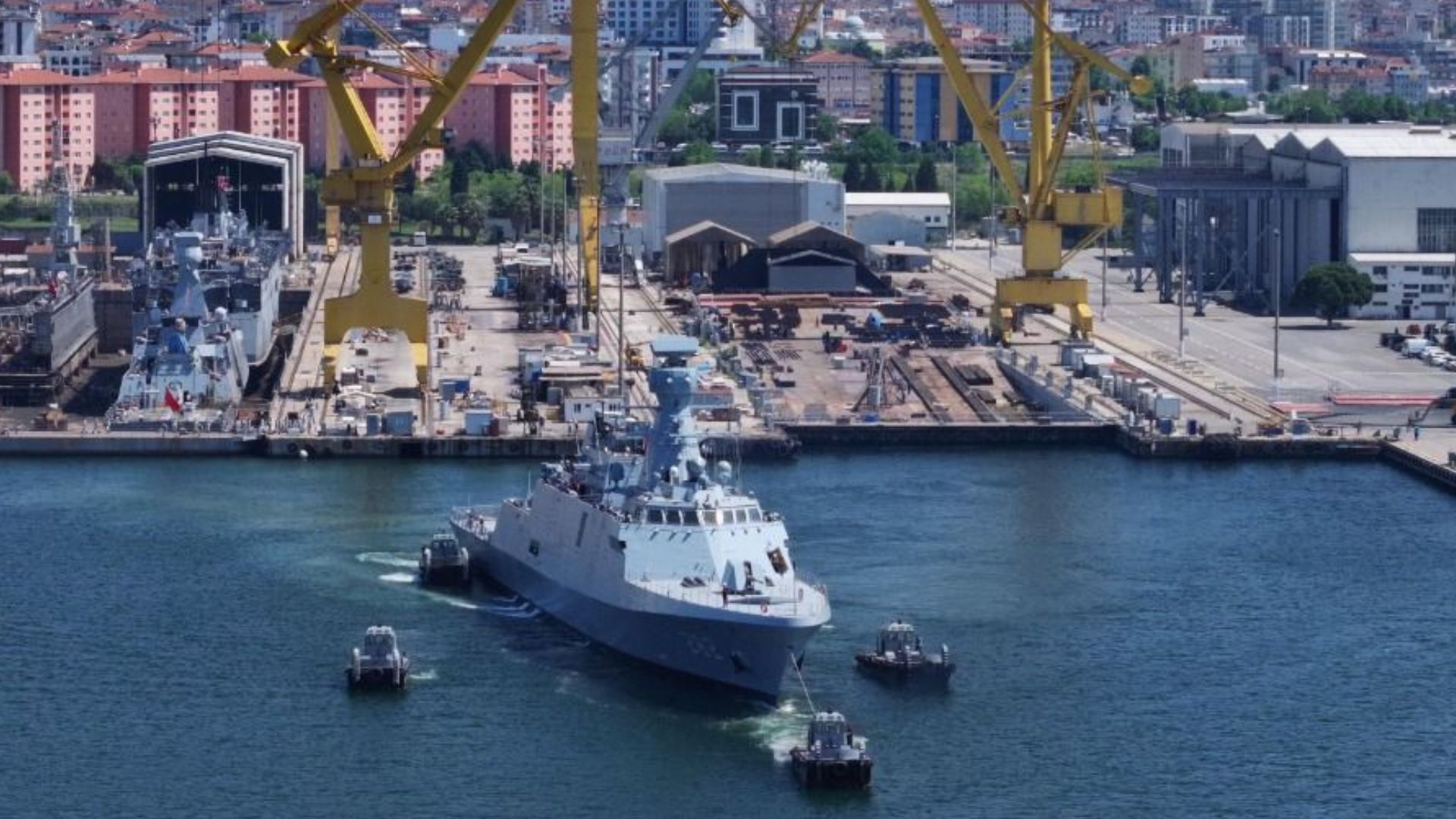
After a decade of growth, Pakistan's Navy faces its real test: sustainability. The next phase is not about...
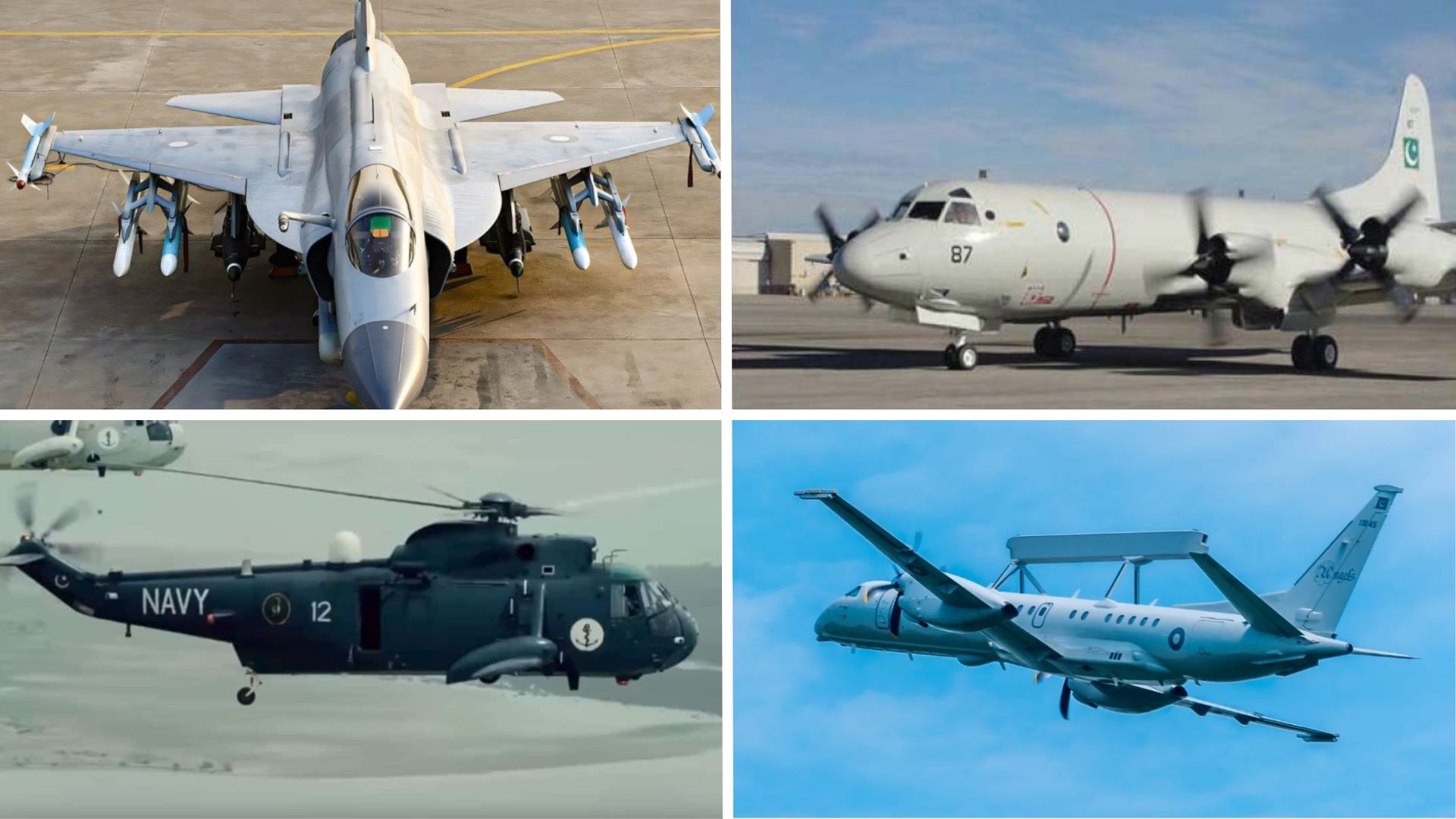
An analysis of the ARFC's challenges in building a credible stockpile to sustain a genuine wartime effect.
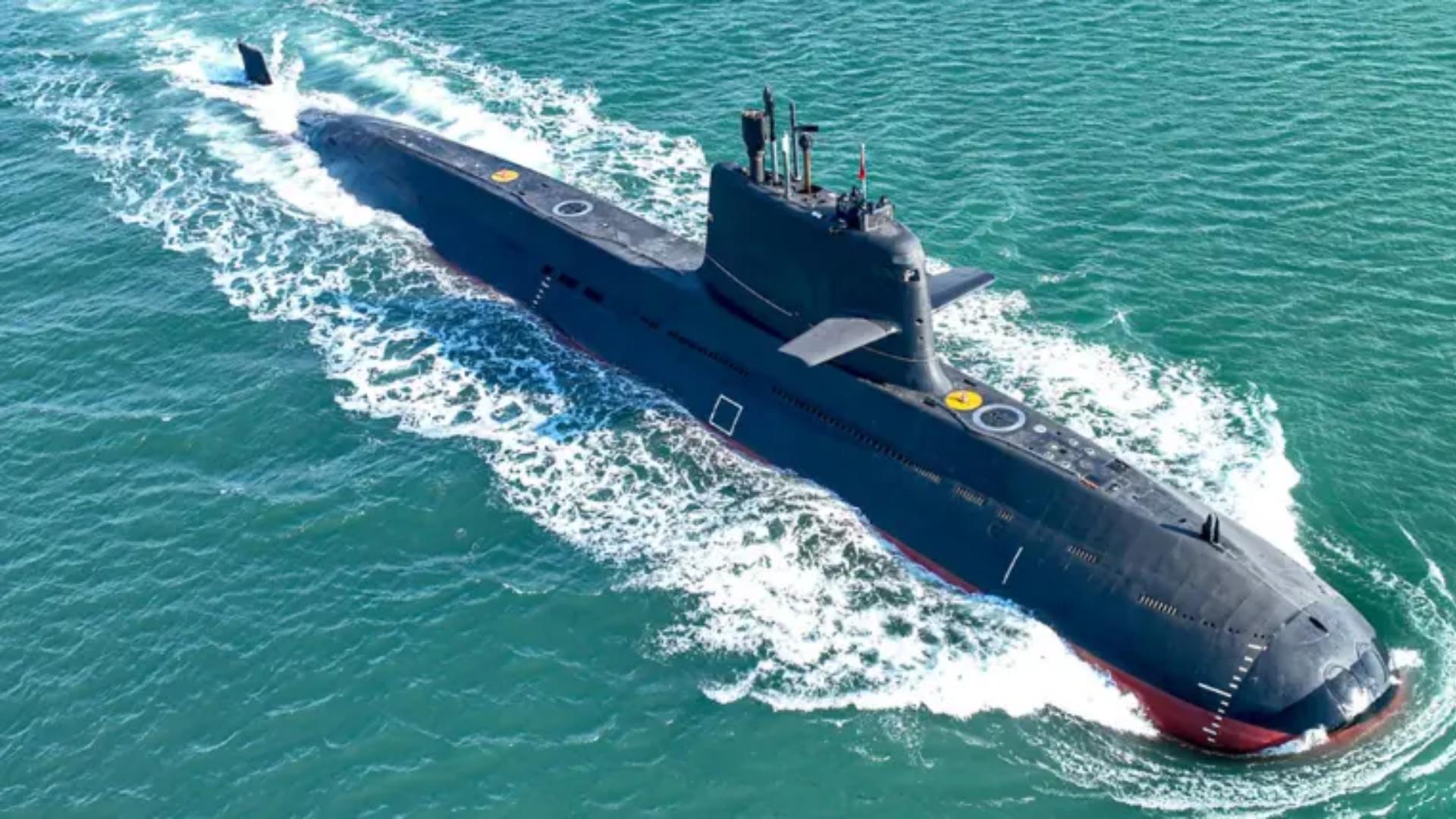
An in-depth analysis of how Pakistan's new Hangor-class submarines will reshape naval strategy, using advanced AIP technology to...

Speaking with Quwa, GIDS CEO Asad Kamal highlighted that “collaboration between the Turkish and Pakistani industry has much...
US policies in 2016-2017 prompted Pakistani defence planners to largely shut American - and many European - vendors...
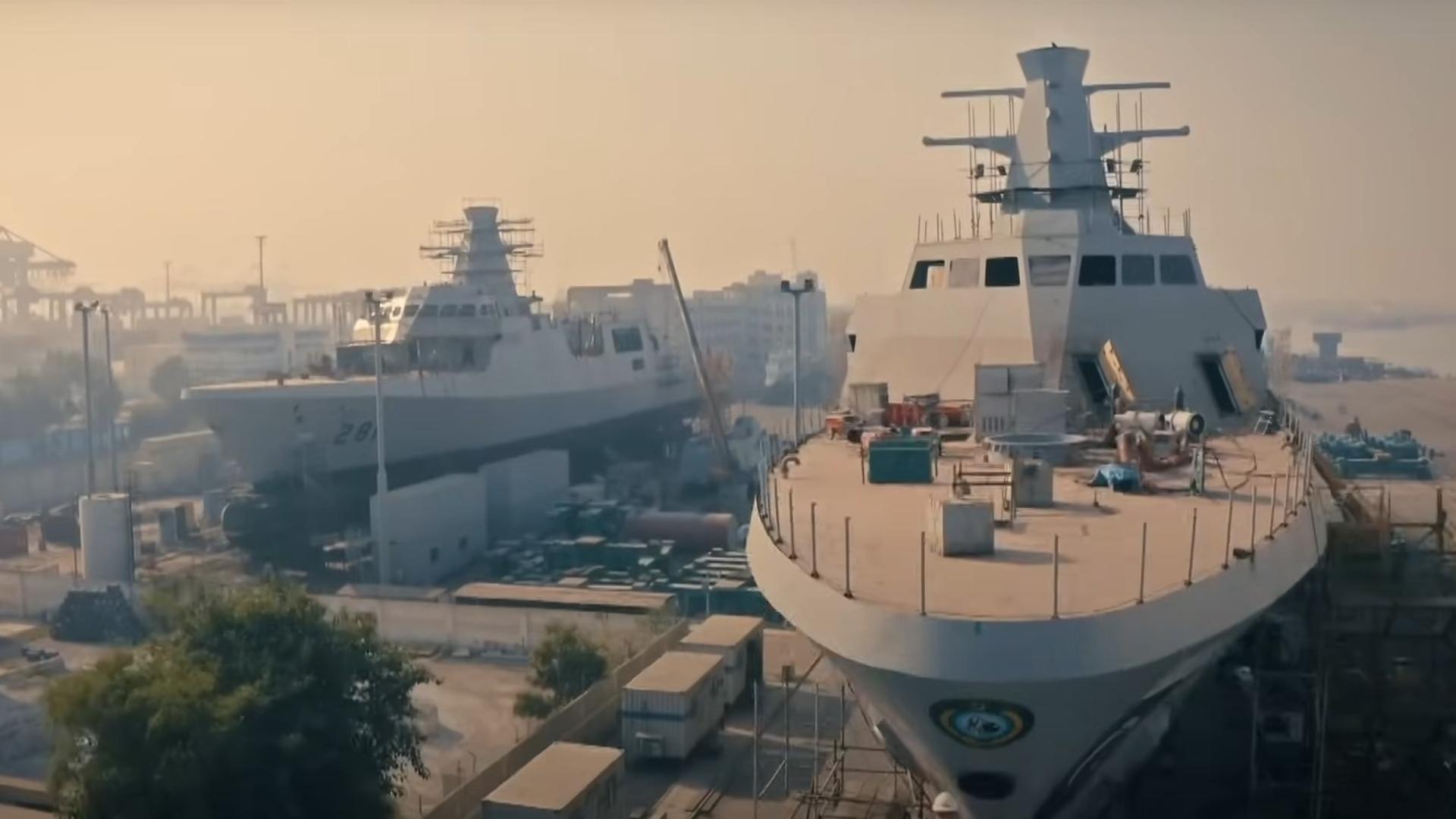
In a new episode of Defence Uncut, we delve into a series of significant regional and domestic developments,...
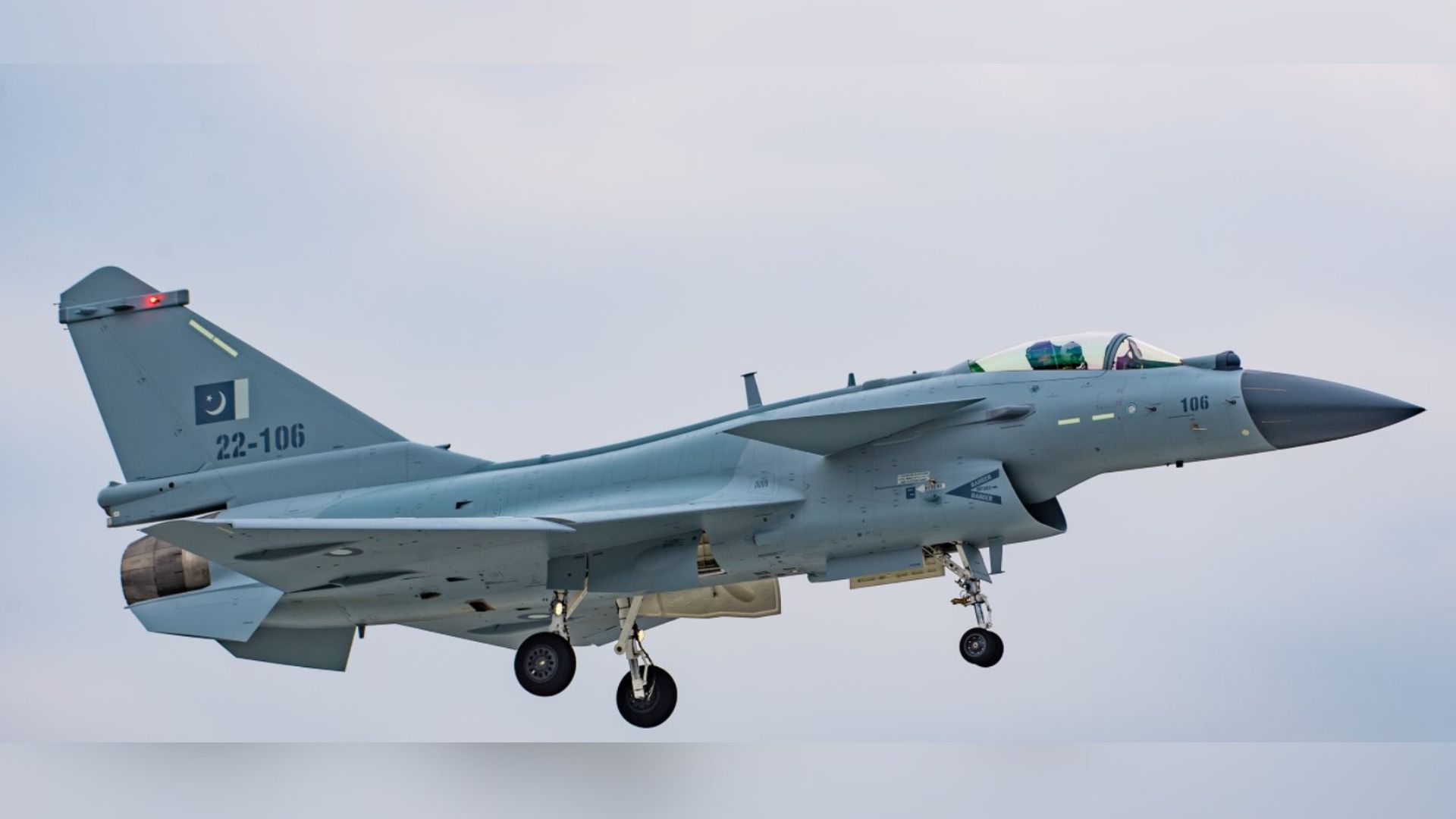
One of the headlining stories of the recent Indo-Pak Conflict from May 7-10 2025 was the apparent success...
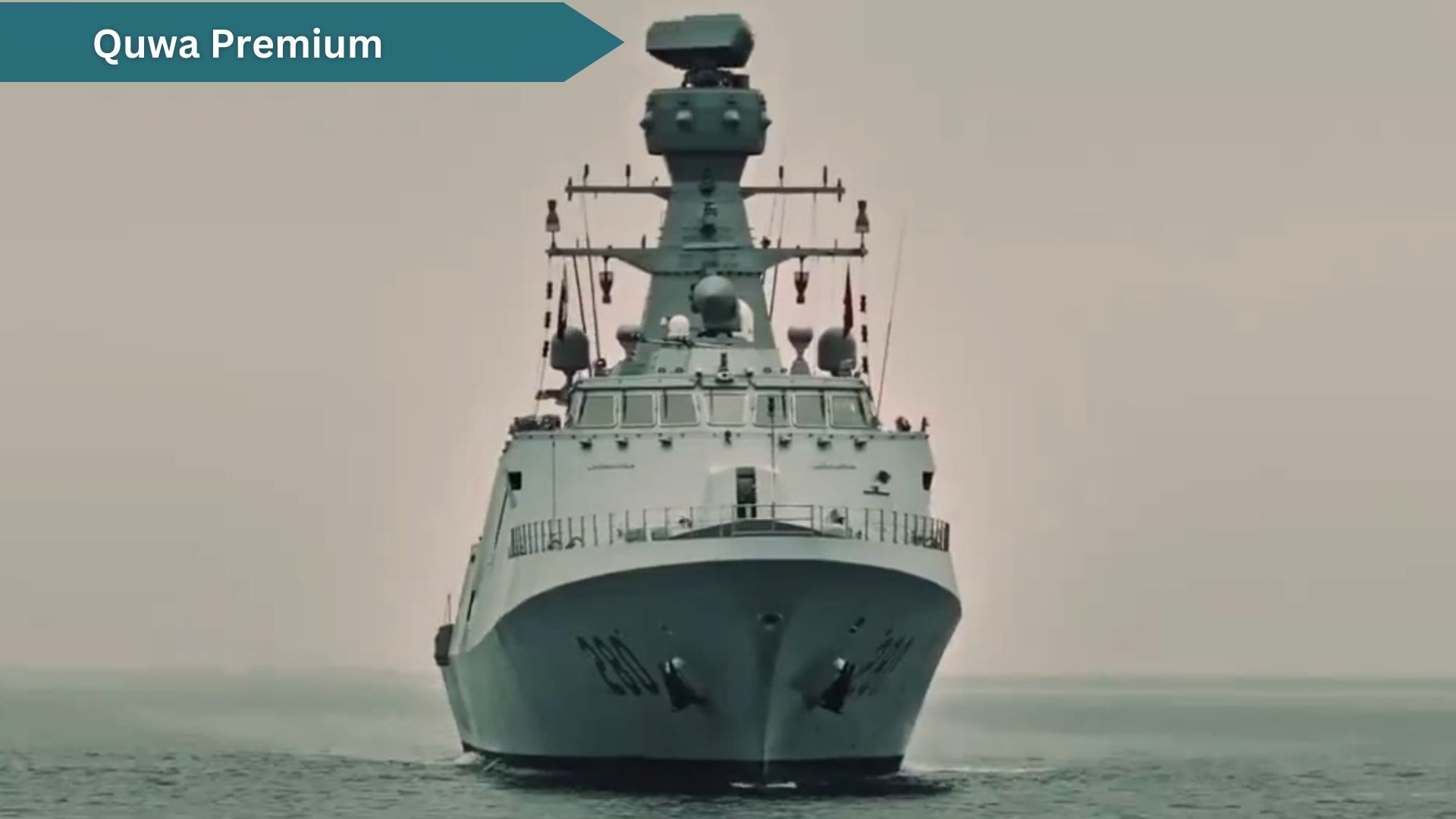
One of the central attributes of the Pakistan Navy’s (PN) ongoing modernization effort is its push for original...