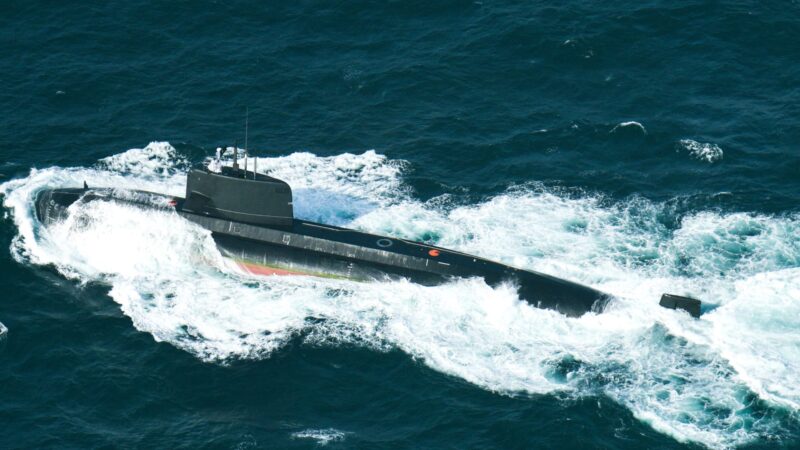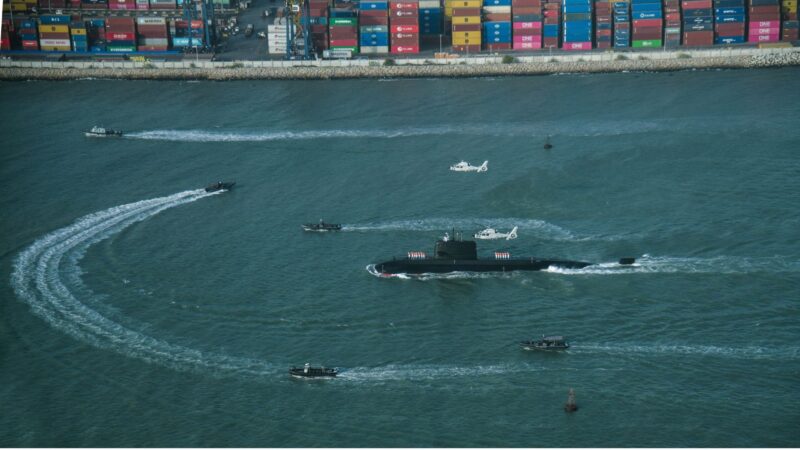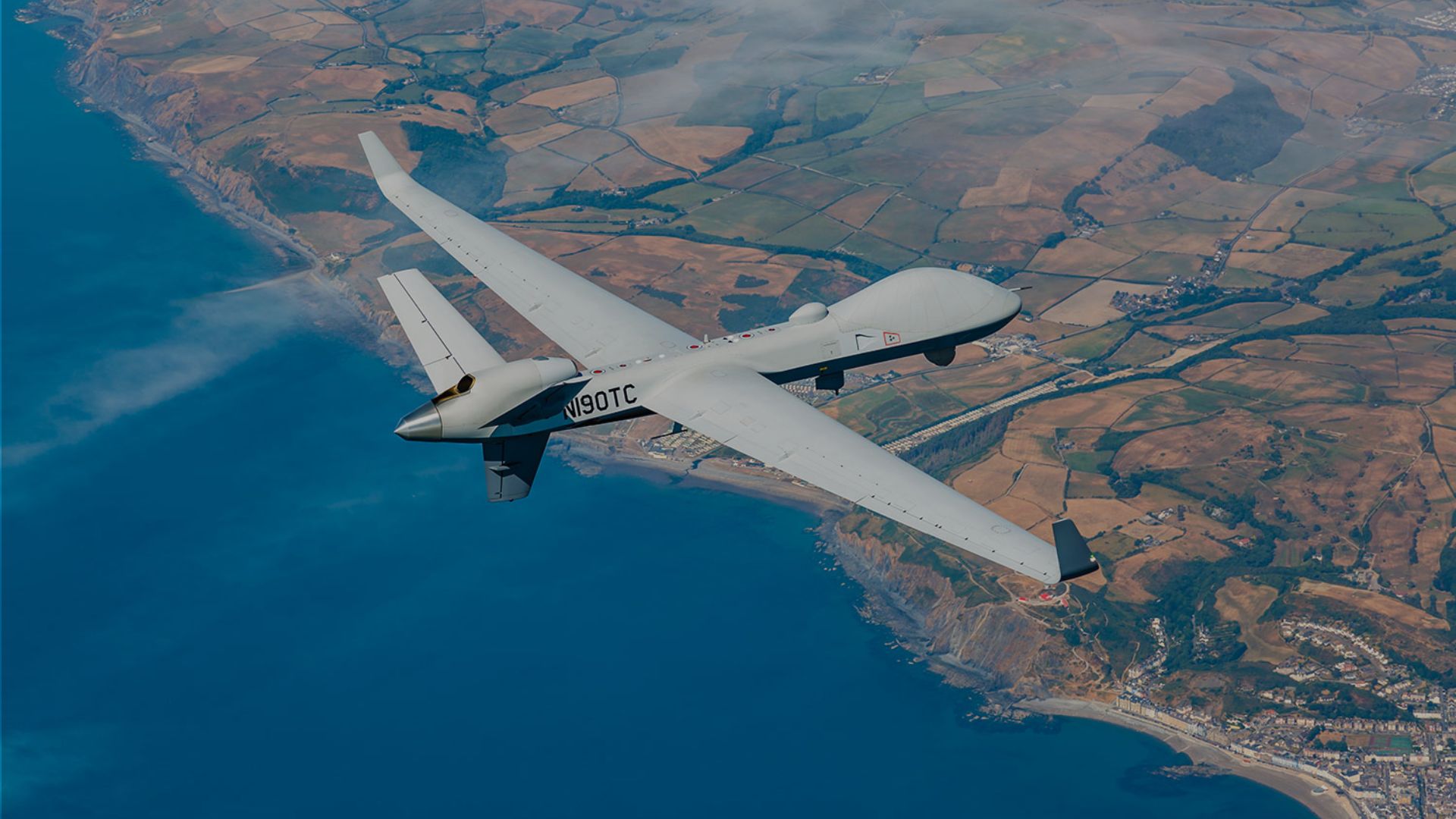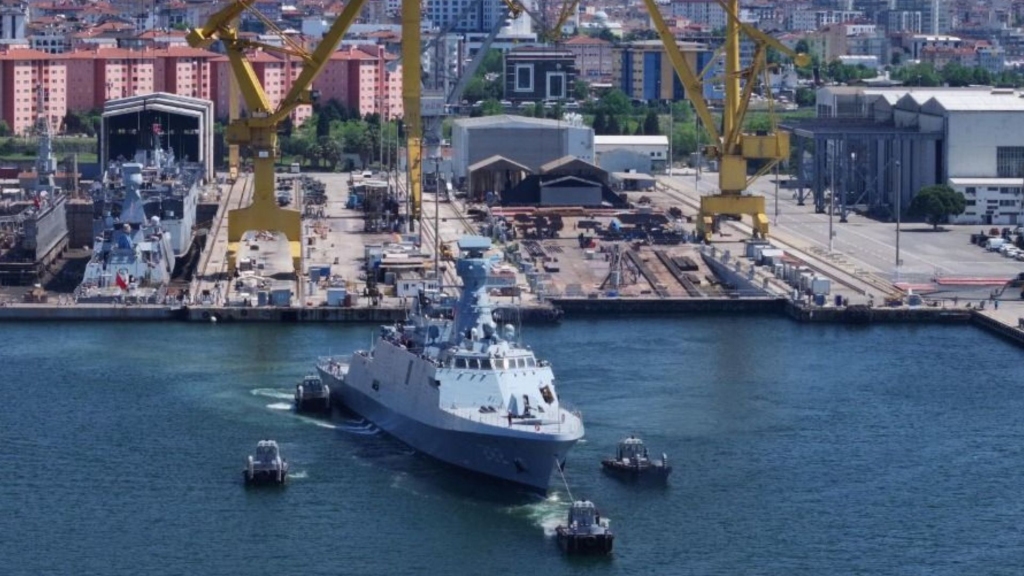
Exactly a decade ago, in an article titled, “Is it finally the Pakistan Navy’s turn?,” we argued that a substantive modernization phase for Pakistan’s naval forces was not just overdue, but strategically essential.
The growing importance of Pakistan’s maritime interests, coupled with the widening disparity with the Indian Navy (IN), demanded a rapid response. History is a harsh teacher; a weak navy was a critical vulnerability India exploited in 1971, with crippling effects on both of Pakistan’s Eastern and Western wings, resulting in the loss of the former.
That 2015 article, as it turned out, foreshadowed the most ambitious growth phase in the Pakistan Navy’s (PN) history. Key possibilities we outlined materialized with remarkable fidelity: the acquisition of new multi-role corvettes (the Babur-class), the indigenous design of a new frigate displacing around 3,500 tons (the Jinnah-class), and the induction of modern maritime patrol aircraft to replace aging platforms. We correctly identified the potential for new systems like the CAMM-ER surface-to-air missile (SAM) and the deployment of a sea-launched cruise missile via the Babur platform (now the Harbah-NG).
The following is an excerpt from the 2015 article:
The frigate [Quwa had recommended using a Chinese concept originally, but the PN chose the MILGEM] was Instead of duplicating effort, the PN can establish a single maintenance, repair, and overhaul (MRO) center. This allows for the concentration of resources, the development of deep local expertise, and the procurement of a single set of specialized tools and testing equipment. Technicians become masters of one system, thereby leading to faster diagnostics and higher-quality repairs.
2. VLS and SAMs
The principle of commonality is even more critical when applied to a warship’s offensive and defensive systems. The selection of the MBDA CAMM-ER for both the Babur-class and the upcoming Jinnah-class is a strong first step towards creating a standardized air defence ecosystem. However, to fully exploit this, the philosophy must extend to the launch system itself.
Quwa Plus
Go Beyond the Headlines on Pakistan’s Defence and Security.
Quwa Plus gives you deeper reporting, briefings, and analysis on Pakistan’s defence programs, foreign policy, national security, and regional strategy. Follow the developments that matter to professionals, analysts, and serious readers tracking Pakistan’s security landscape.