The Pakistani military’s push to integrate its Army, Navy, and Air Force raises questions about whether the shift is driven to adapt the military for modern warfighting at an institutional level – or to consolidate and vest authority for its own sake.
In previous articles on this issue, the author acknowledged the merits of the push, given emerging warfighting challenges that require tri-service collaboration (such as territorial air defence, cybersecurity, and shared assets, including satellites).
Indeed, our recommendation for establishing a ‘Joint Service Office’ (JSO) instead of solely a Chief of Defence Forces (CDF) role was motivated by the desire to see the armed forces pool their resources when dealing with shared procurement requirements, warfighting challenges, and new environments (like cyberwarfare).
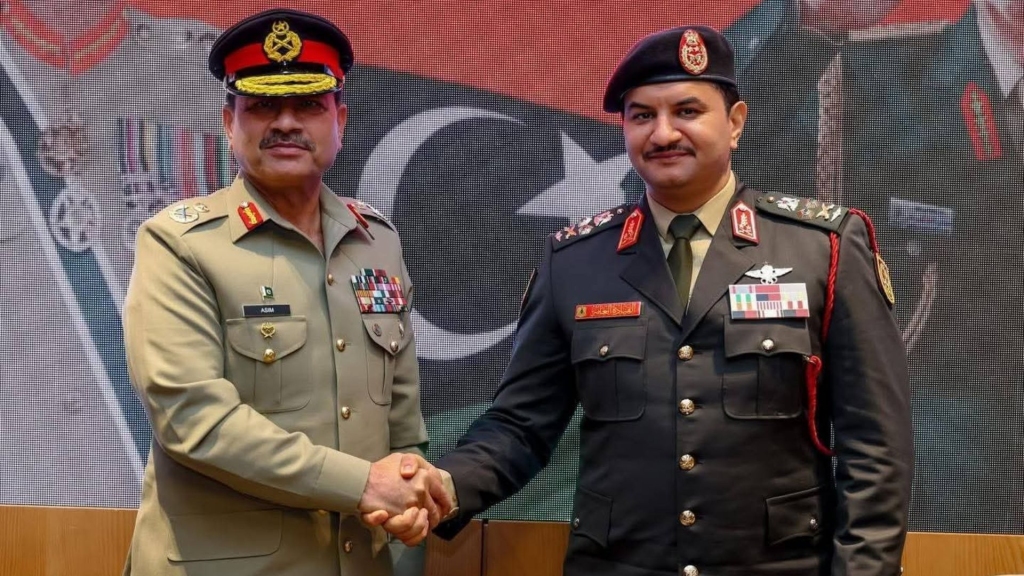
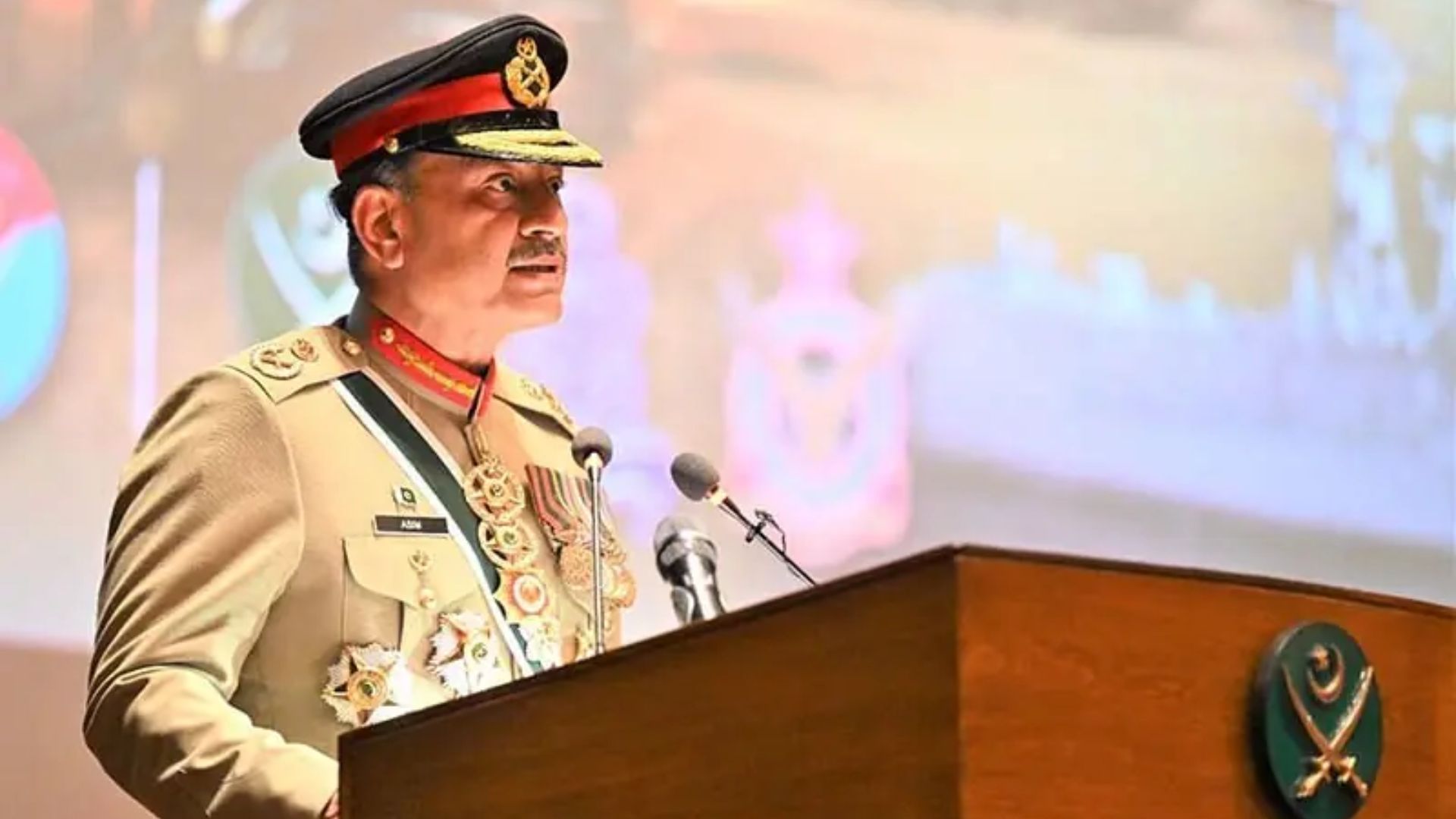
Fortunately, a recent speech by the newly appointed CDF, Field Marshal Asim Munir (who also still holds the post of Chief of Army Staff or COAS), indicates that the cross-services integration shift is leaning towards an institutional approach aimed squarely at new warfighting domains the individual tri-services were not designed nor provisioned enough to manage alone.
Dawn’s reporting of Field Marshal Munir’s speech states:
Go Beyond the Headlines on Pakistan’s Defence and Security.
Quwa Plus gives you deeper reporting, briefings, and analysis on Pakistan’s defence programs, foreign policy, national security, and regional strategy. Follow the developments that matter to professionals, analysts, and serious readers tracking Pakistan’s security landscape.
Join ($29.99/Year) Already a subscriber?Sign in