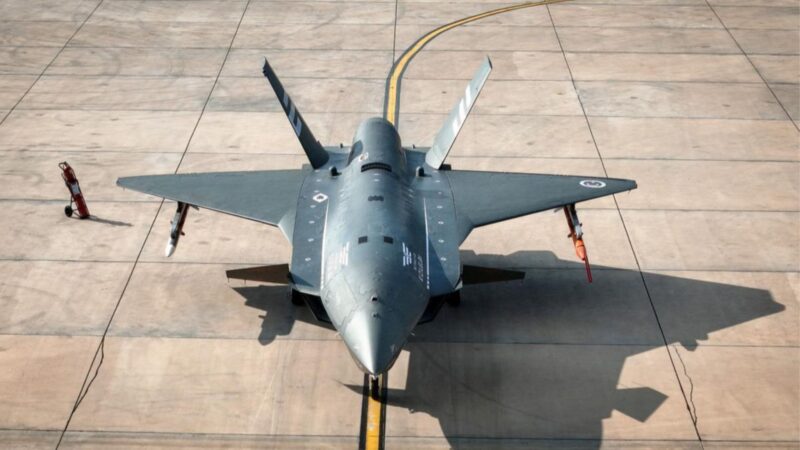

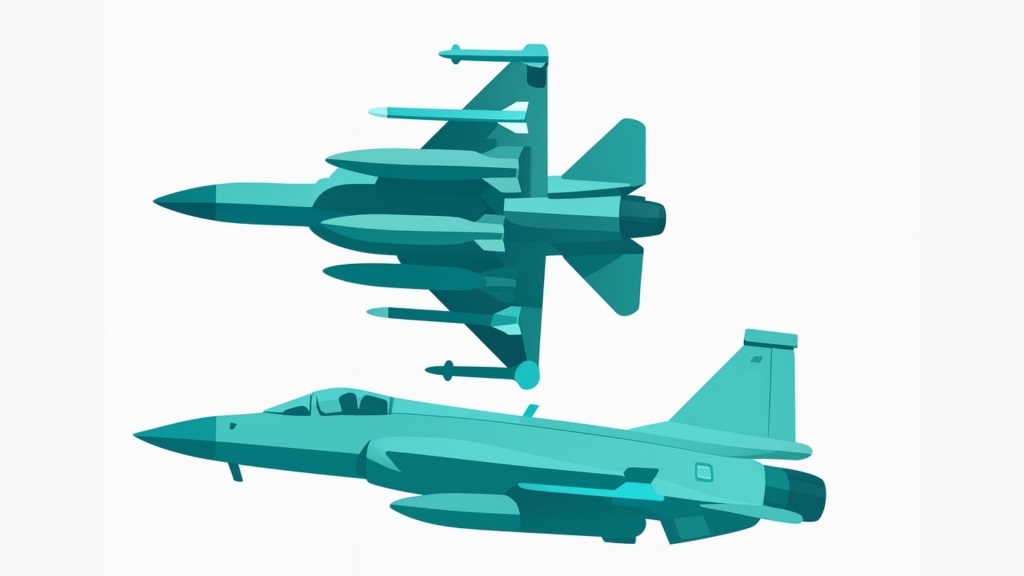
For years, analysis work at Quwa has pointed to the Pakistan Air Force’s (PAF) long-term strategic ambition to cultivate a dedicated, deep-penetration offensive air capability, with platforms like the Shenyang J-31 (now the J-35) identified as a potential nucleus for such a force.
However, strategic planning is never static. It is a living, breathing process, constantly shaped and reshaped by the realities of contemporary conflict and direct operational experience.
The PAF’s roadmap for its future offensive power is currently being reworked by two defining events: the fast-paced, large-scale and high-technology lessons of the Russia-Ukraine War at a broad level, and, more specifically, the tactical lessons of its own large-scale air engagements with India during Operation Bunyan-un-Marsoos in May 2025.
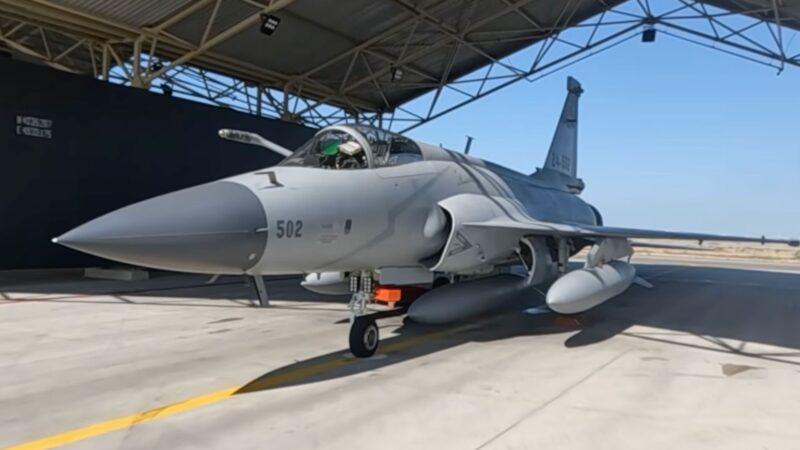
Central to this rework is the PAF’s use of JF-17 Block-2s armed with Chinese CM-400AKG guided air-to-surface missiles (ASM) in a suppression/destruction of enemy air defences (SEAD/DEAD) role against an Indian S-400 Triumf surface-to-air missile (SAM) system, specifically its radar.
For the PAF’s Air Headquarters (AHQ), the true value of this engagement lies not in the subsequent propaganda claims from both Islamabad and New Delhi, but in a candid analysis of the mission’s difficulties. The objective is to unpack the intricate challenges of that specific strike to understand what must be done to guarantee success, making such a high-risk operation replicable against the array of high-value air defence targets that protect India’s strategic assets.
Quwa Plus
Go Beyond the Headlines on Pakistan’s Defence and Security.
Quwa Plus gives you deeper reporting, briefings, and analysis on Pakistan’s defence programs, foreign policy, national security, and regional strategy. Follow the developments that matter to professionals, analysts, and serious readers tracking Pakistan’s security landscape.
Join ($29.99/Year) Already a subscriber?Sign in