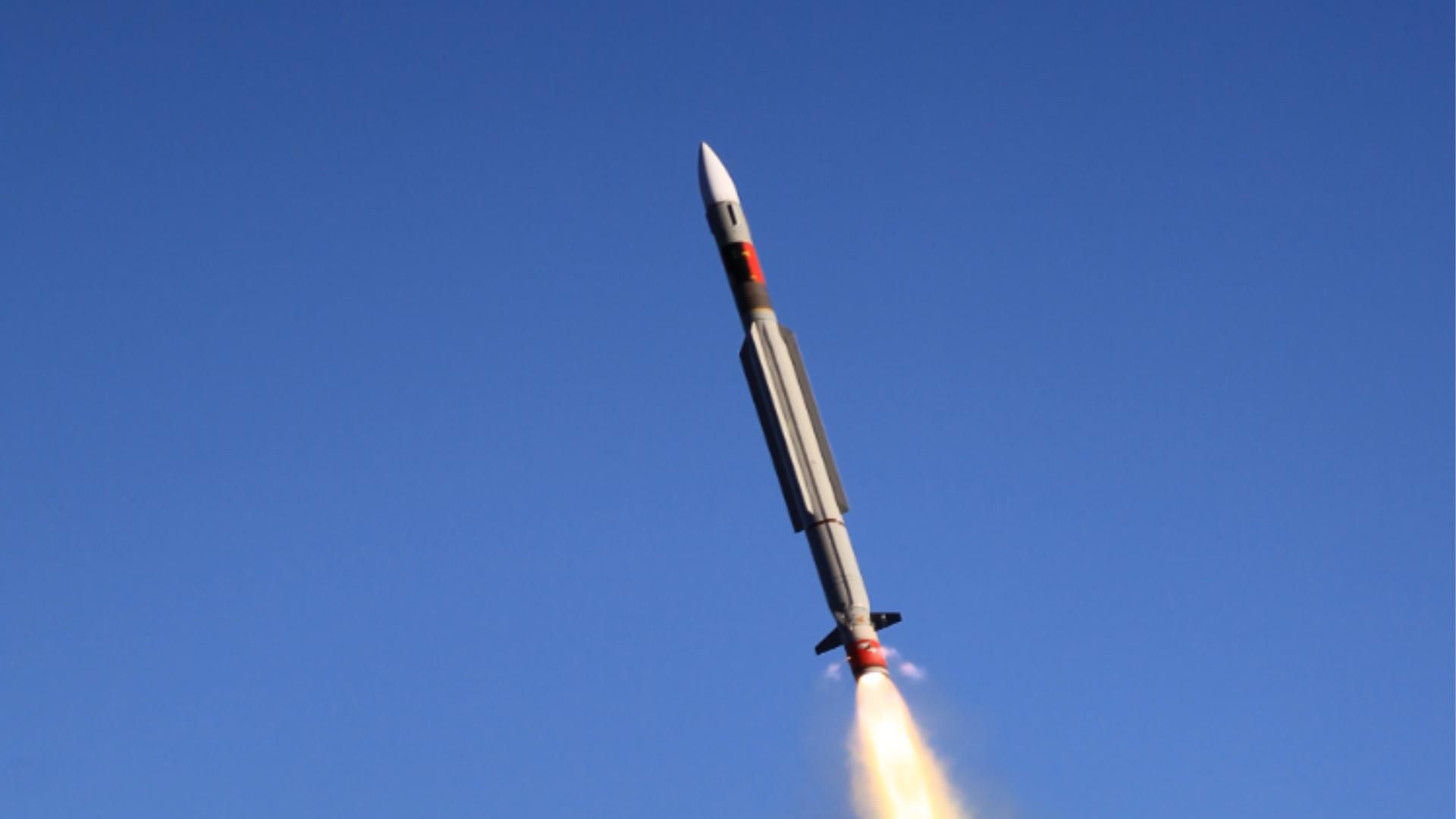
Reaction, Not Range: How Pakistan’s Air Defence Must Evolve to Survive the Next War Plus Pro
Pakistan’s survival in a future war won’t hinge on range, but reaction. A dense, responsive air defence network...

Found 706 results
Pakistan’s survival in a future war won’t hinge on range, but reaction. A dense, responsive air defence network...
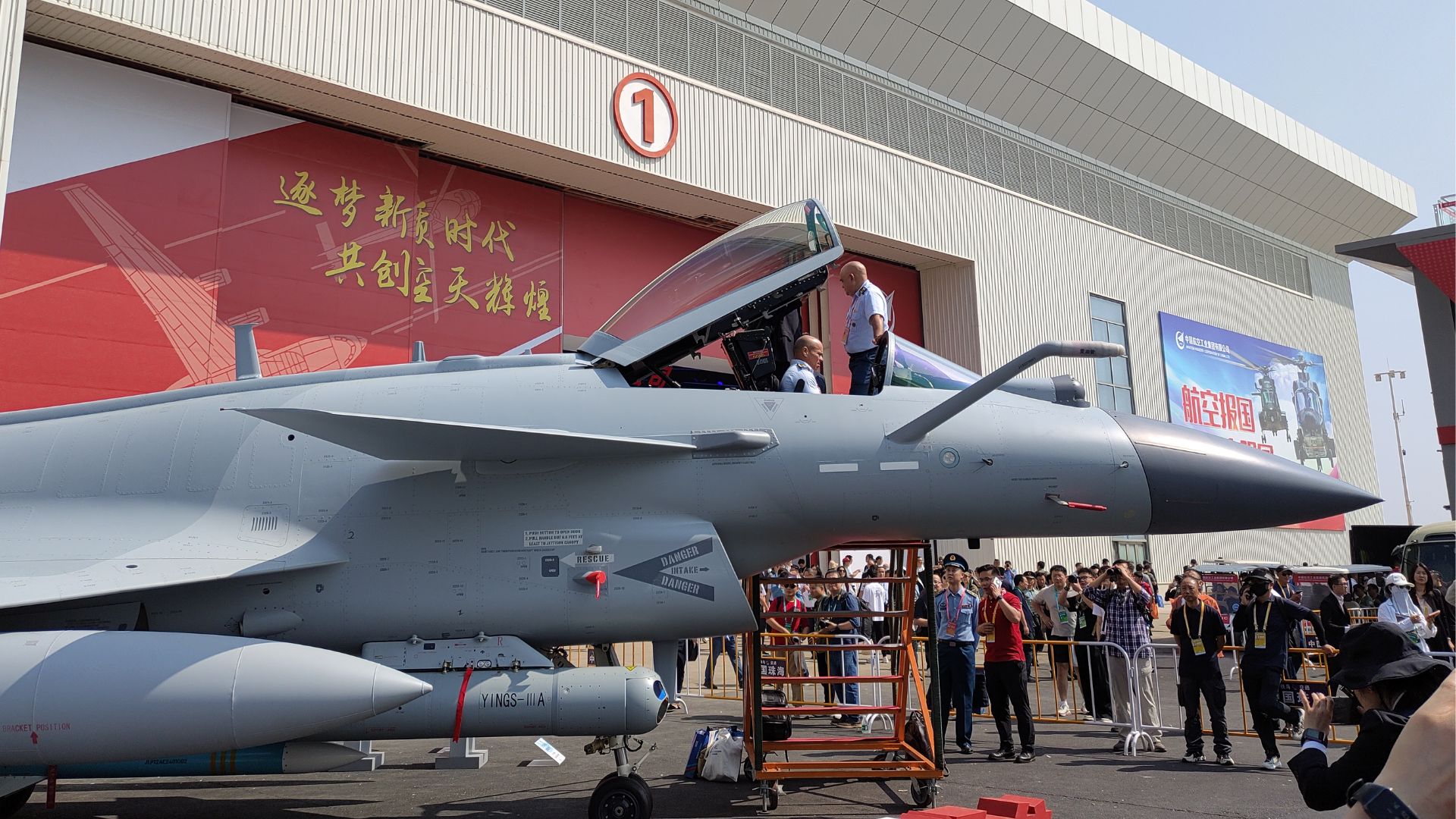
Bangladesh and Indonesia are signing on to buy China's J-10 fighter, a move that could shift regional power...
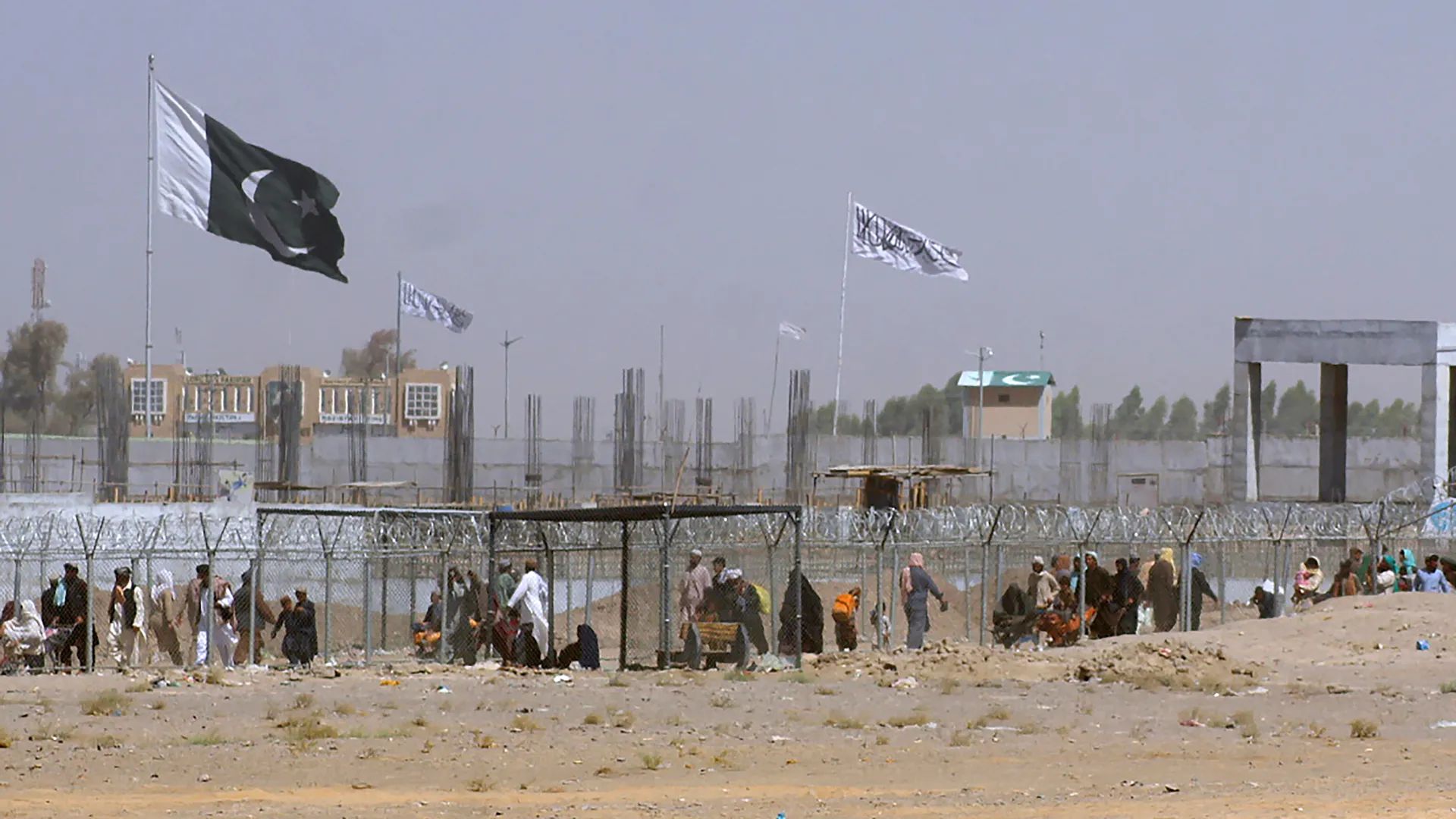
Pakistan’s renewed clashes with Afghanistan mark a shift in Islamabad’s security posture — from eastward deterrence toward a...
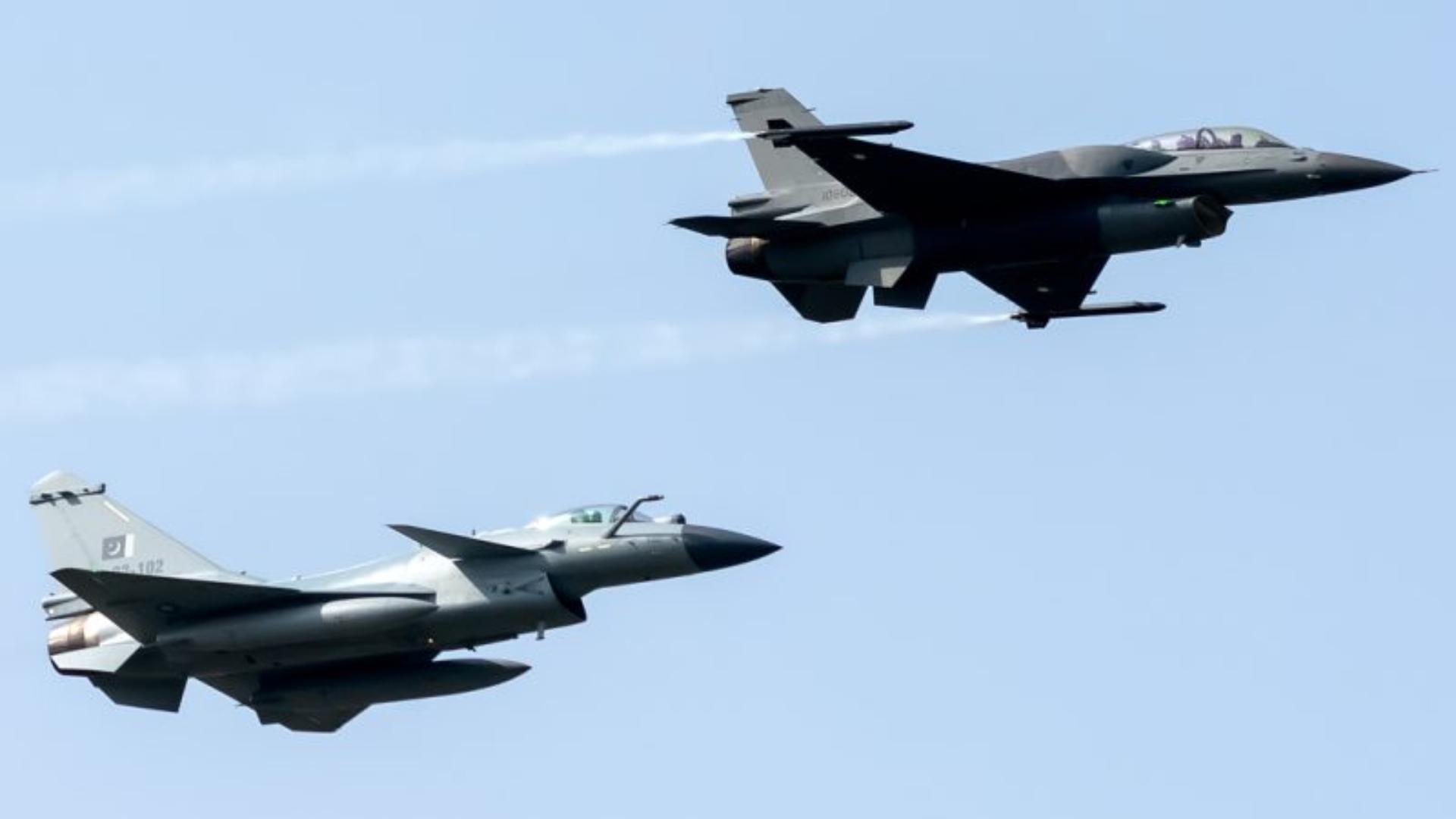
Before investing in stealth fighters, the PAF has a more urgent need: growing its fleet of J-10CE "workhorse"...

In this week’s episode of Defence Uncut, we analyze the newly signed Strategic Mutual Defense Agreement between Pakistan...
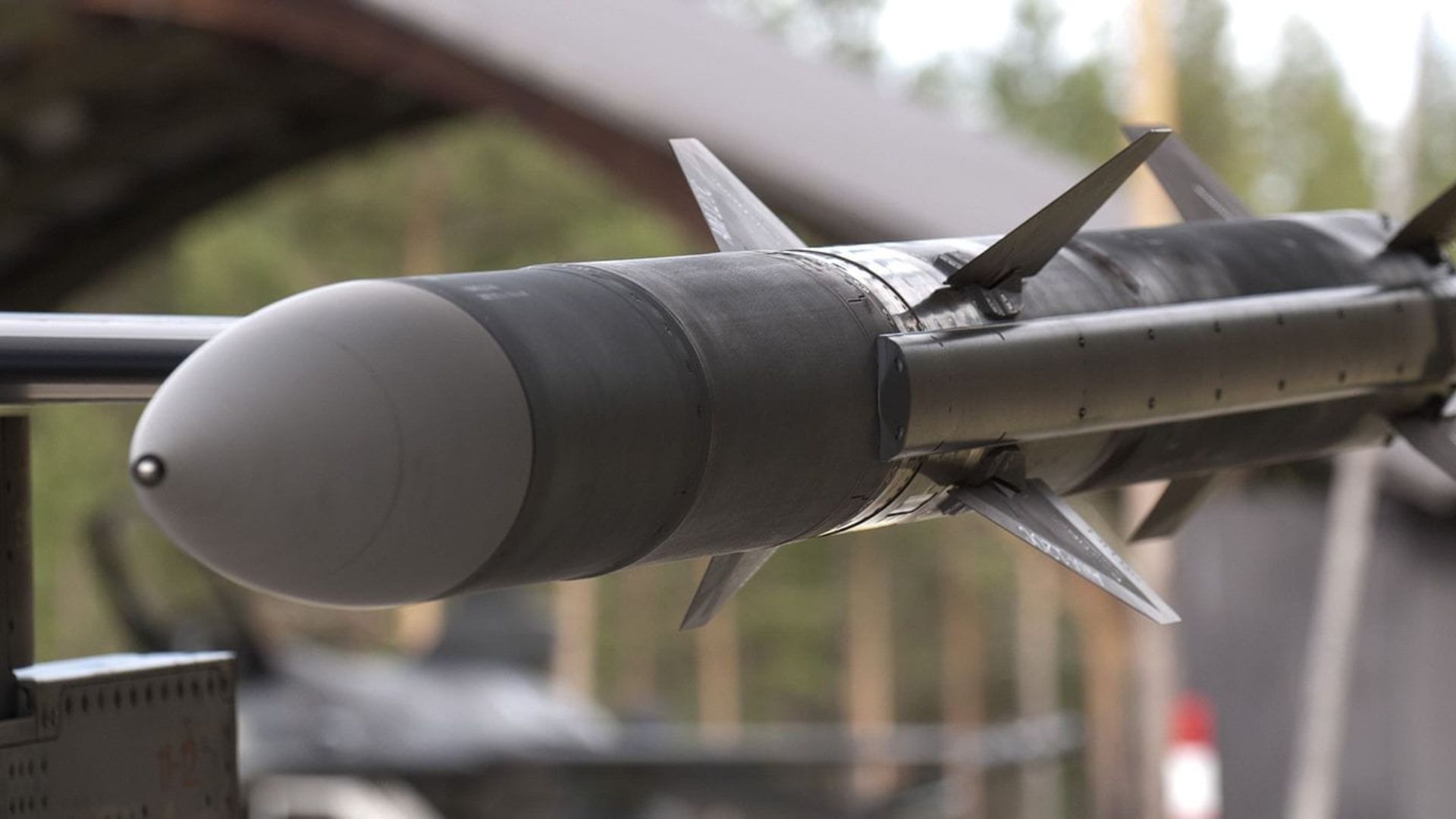
The Pentagon corrected an earlier contract update to state that a $41.6M adjustment was made for the sustainment...
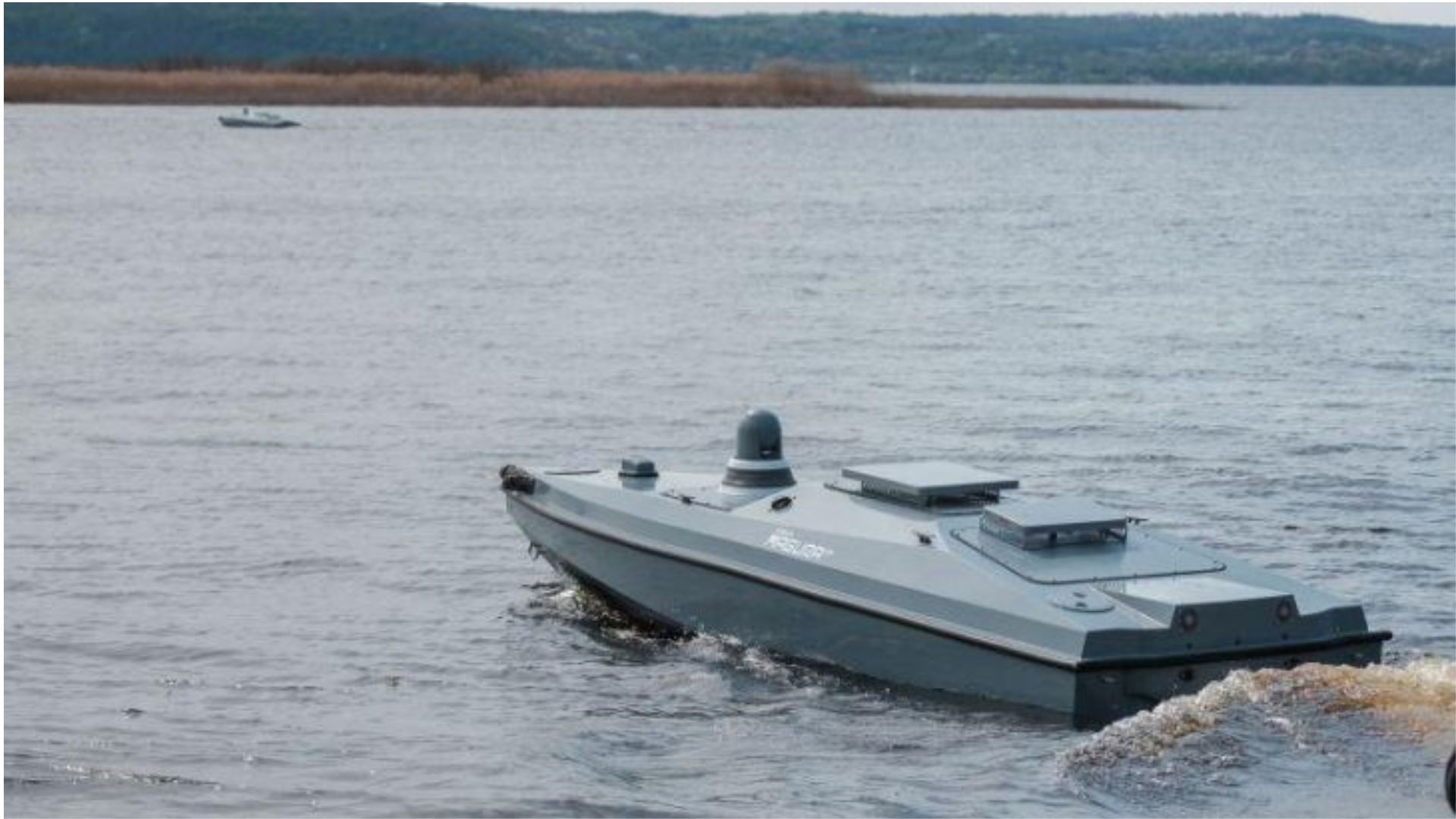
Pakistan's Navy is developing USVs for patrol, but this analysis argues it's missing their true power as a...

After a decade of growth, Pakistan's Navy faces its real test: sustainability. The next phase is not about...
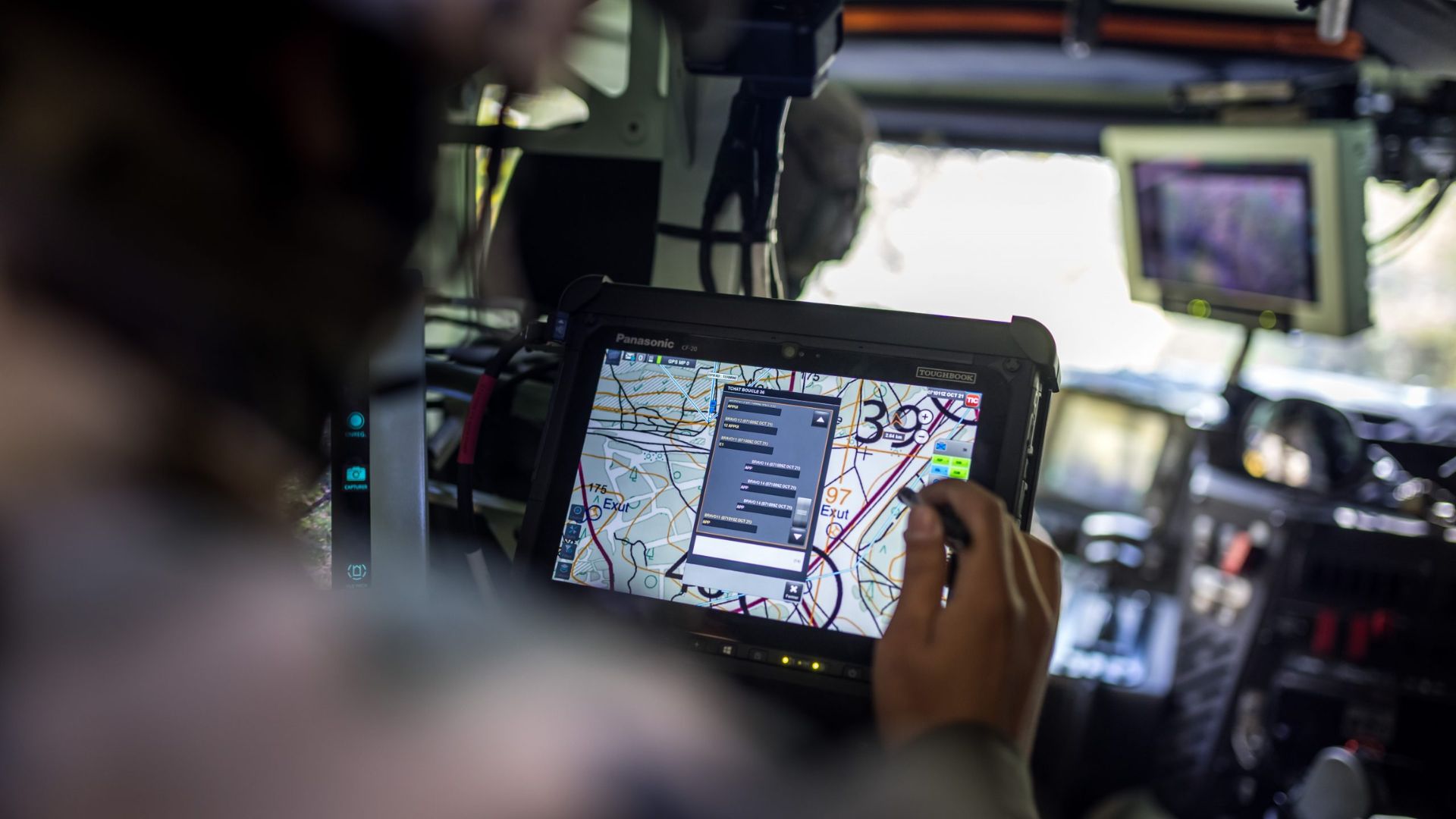
In response to the IAF's claims, Pakistan's Air Force is turning to space. Find out how new satellites...
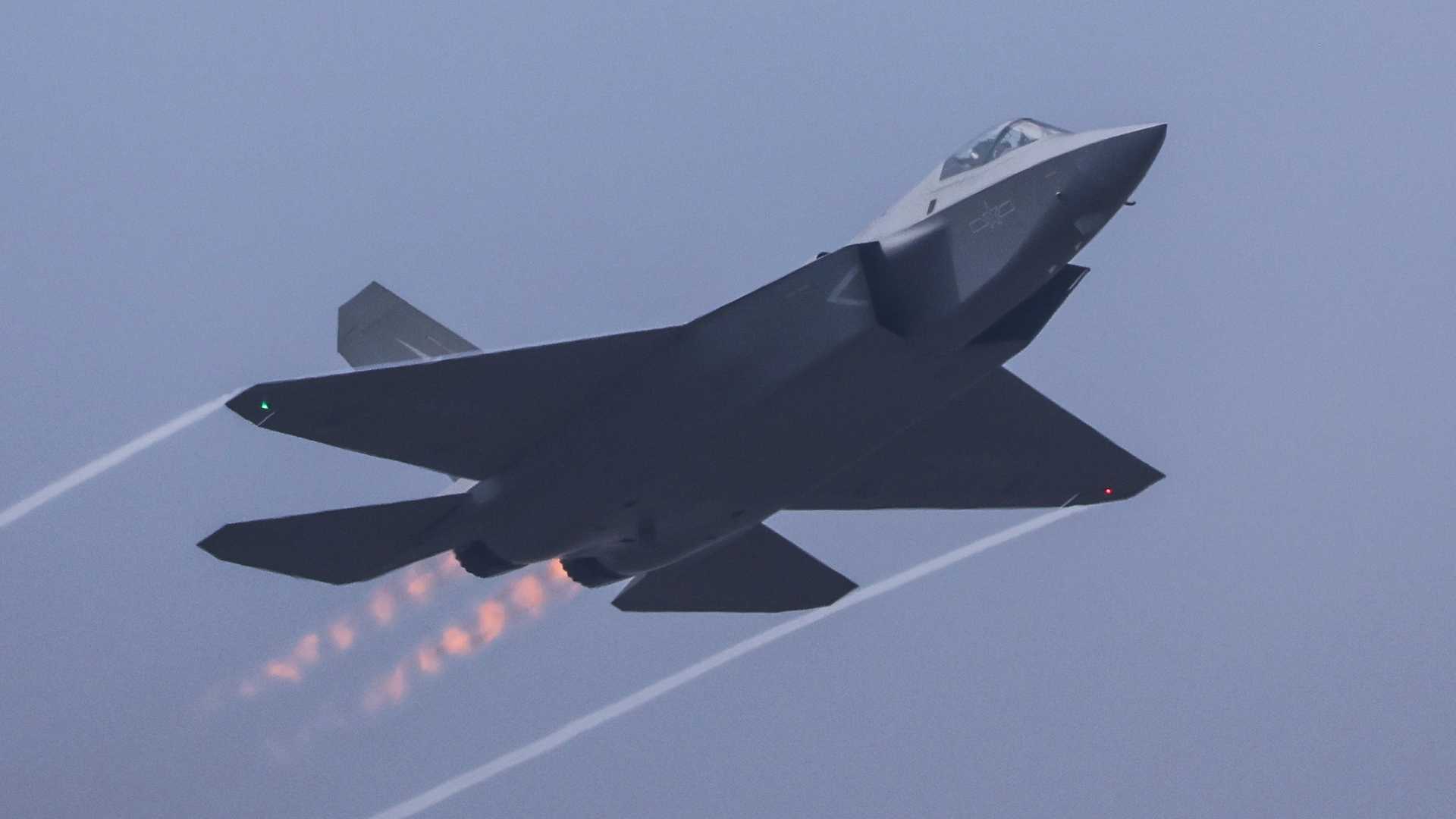
At Changchun Air Show 2025, the Aviation Industry Corporation of China (AVIC) showcased some of the air-to-air missile...